Emergency, war in DR Congo: mental health and food

by Coopera - cooperacion al desarrollo
Play Video
Emergency, war in DR Congo: mental health and food

Project Report | Jul 8, 2026
Because Surviving Is Not the Same as Living

By LORENA AGUIRRE | CHIEF PICOLOGIST

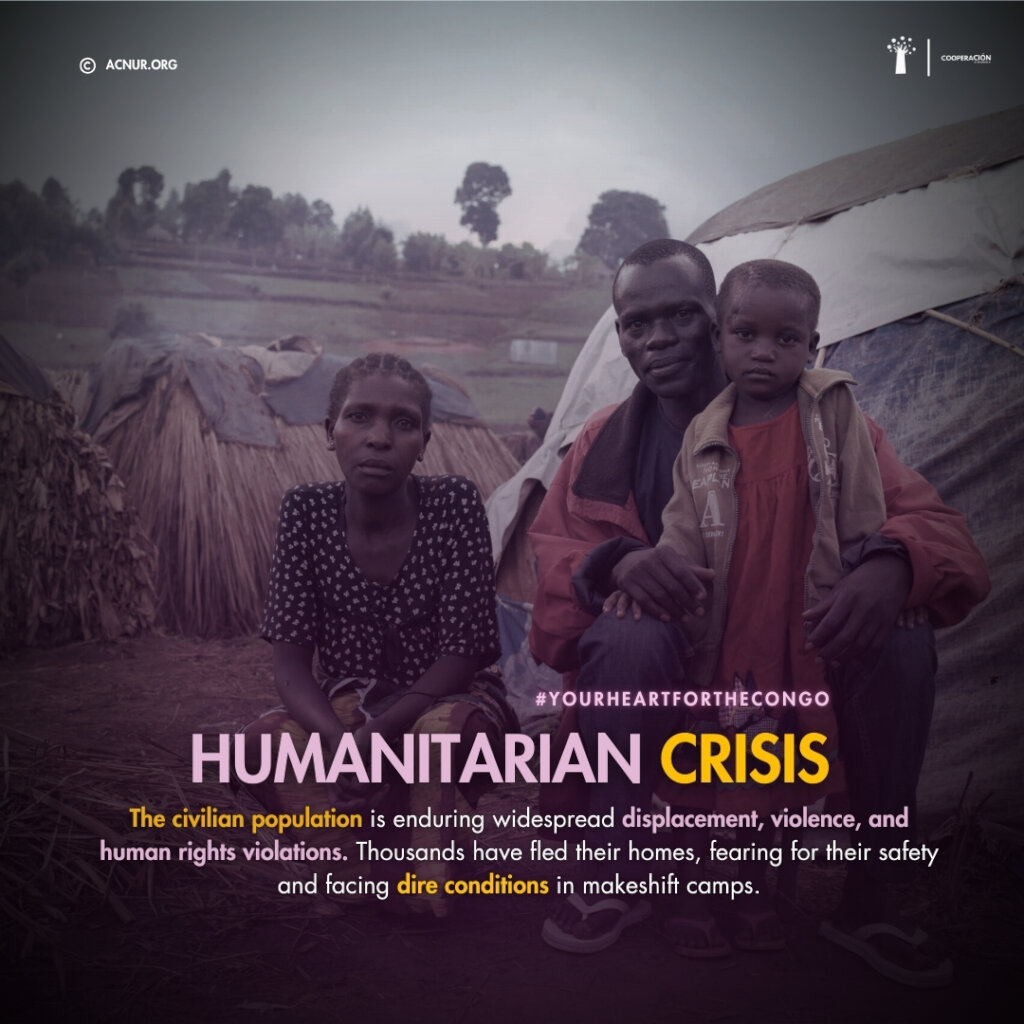
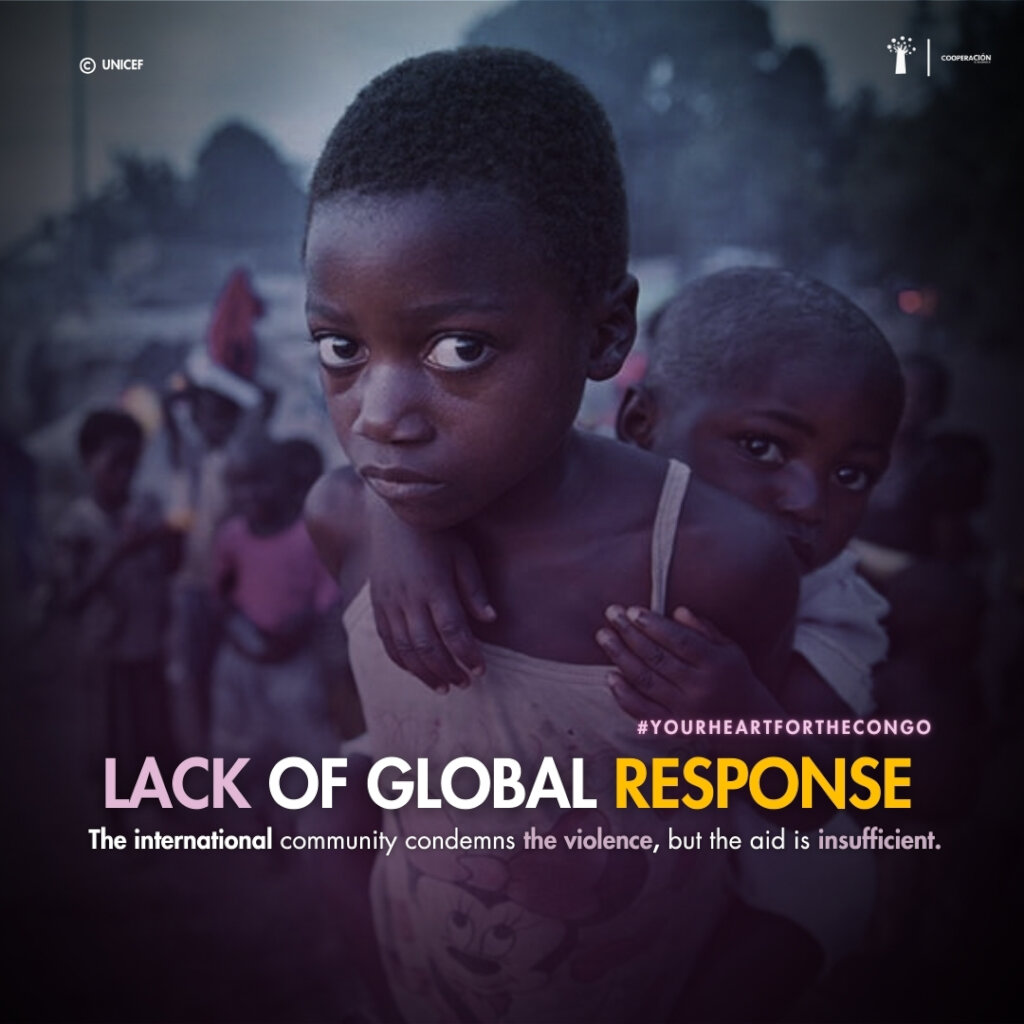
There is a kind of suffering that does not show up in photographs of destroyed buildings or refugee columns. It lives inside people. It wakes them up at three in the morning. It makes them flinch at a sound that turns out to be nothing. It stops them from holding their children the way they used to.

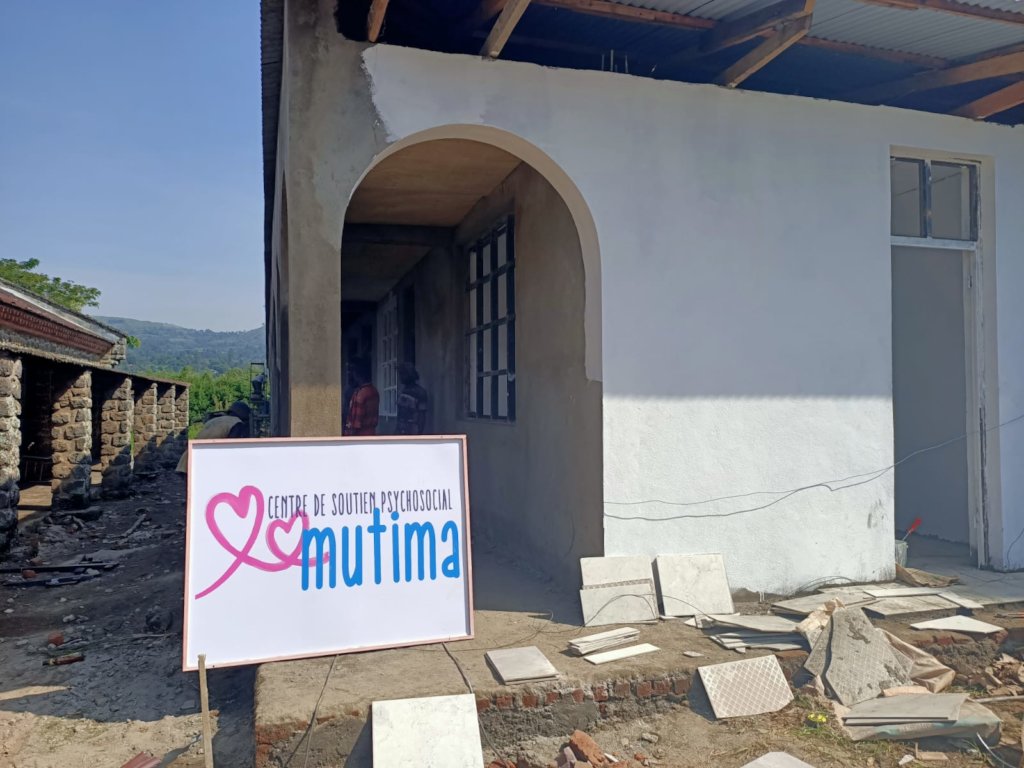
That is the suffering the Mutima Centre exists to address. And these past six months, thanks to you, we have been able to look it in the eye — measure it, name it, and begin to respond to it.


What we found

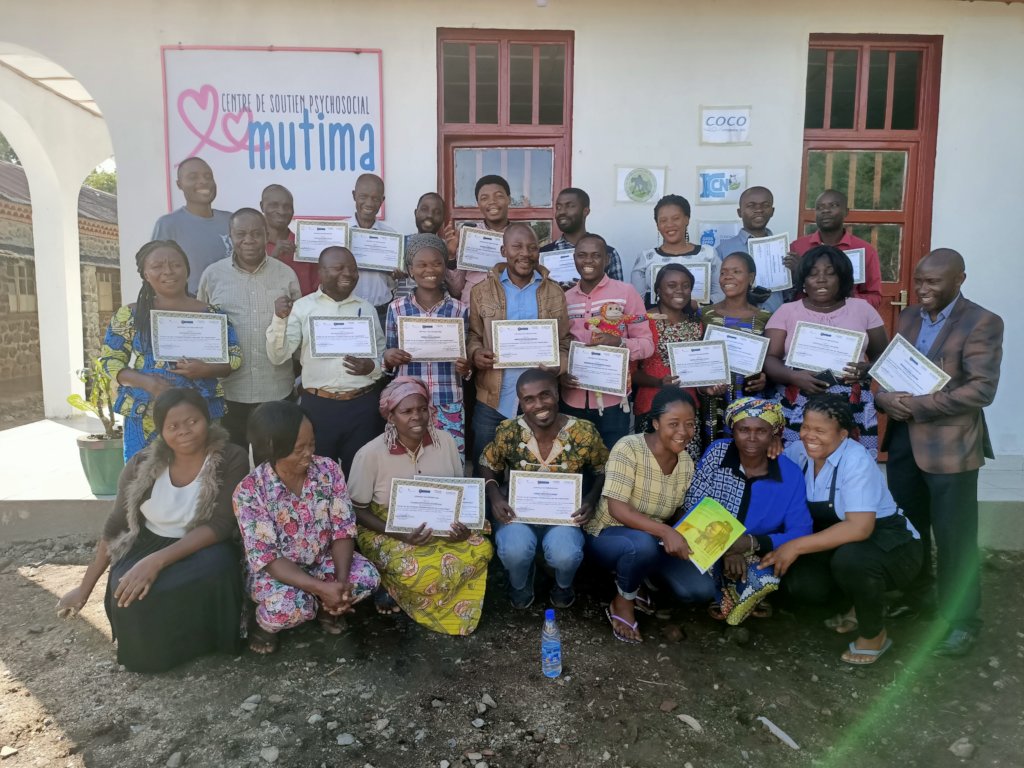
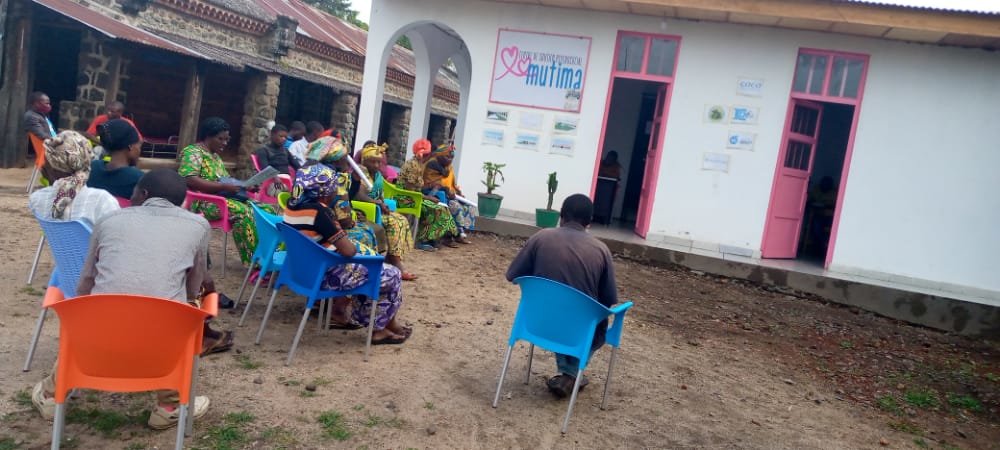
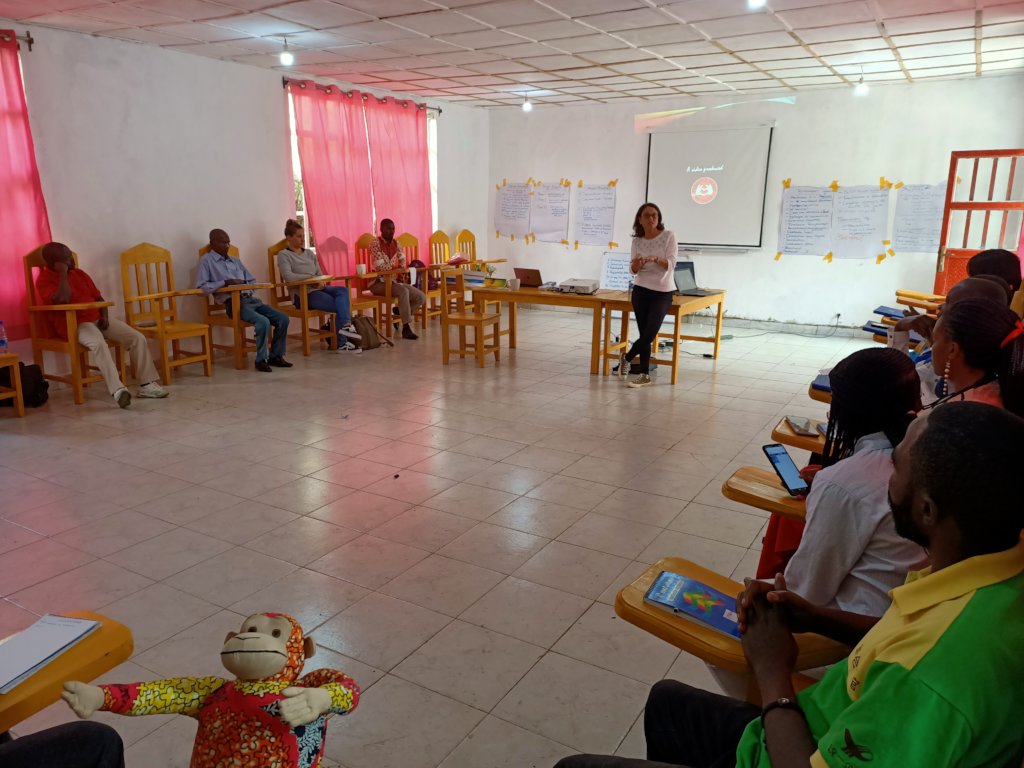
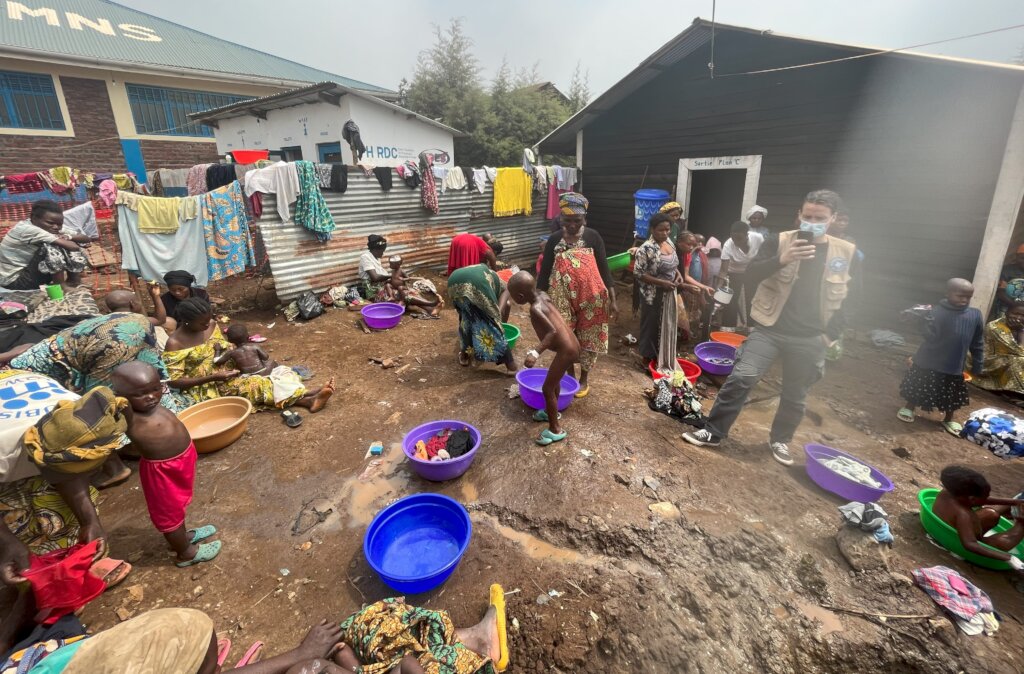
We spent the first part of 2026 doing something that had never been done before in these communities: listening carefully, and with the right tools. Across five villages — Kabamba, Kahungu, Katana, Lwiro, and Kavumu — our team sat down with 631 families and asked them, honestly, how they were doing. Not just physically. Inside.

What they told us was devastating — but it was also the truth we needed to hear.

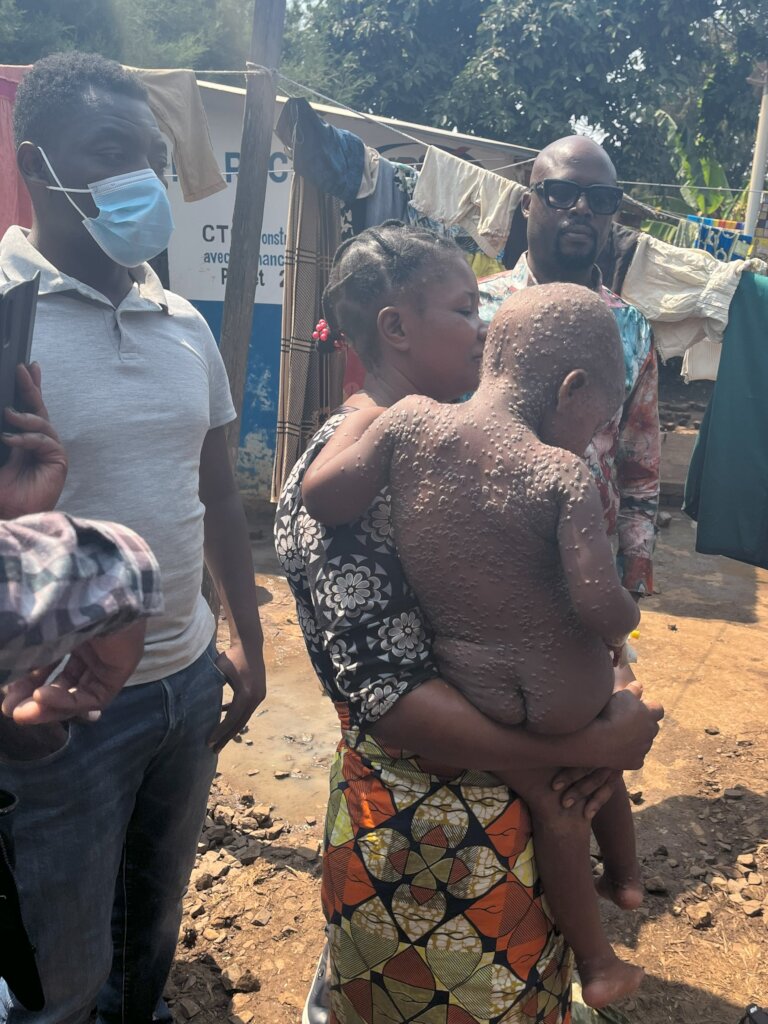
Three out of four people are living with post-traumatic stress disorder. Not stress. Not sadness. Clinical PTSD — the kind that rewires the nervous system, that makes the body feel like the danger never stopped. More than three quarters are experiencing depression severe enough to make it hard to work, cook, care for their children, or get out of bed. Two out of three live with constant, disabling anxiety.

And more than half — 355 people — are carrying all three of these things at the same time.

In Kabamba, the village that has been most directly hit by armed attacks, a mother told one of our psychosocial workers: "I cannot sleep. I cannot stop watching the door. Even when there is no sound, I am waiting for it." Her score on the trauma scale places her among the most severely affected people in the entire study. But she came. She talked. She let someone sit with her in her fear.

That moment — that trust — is where healing begins.


What we have been doing

The data gave us a map. And we followed it.

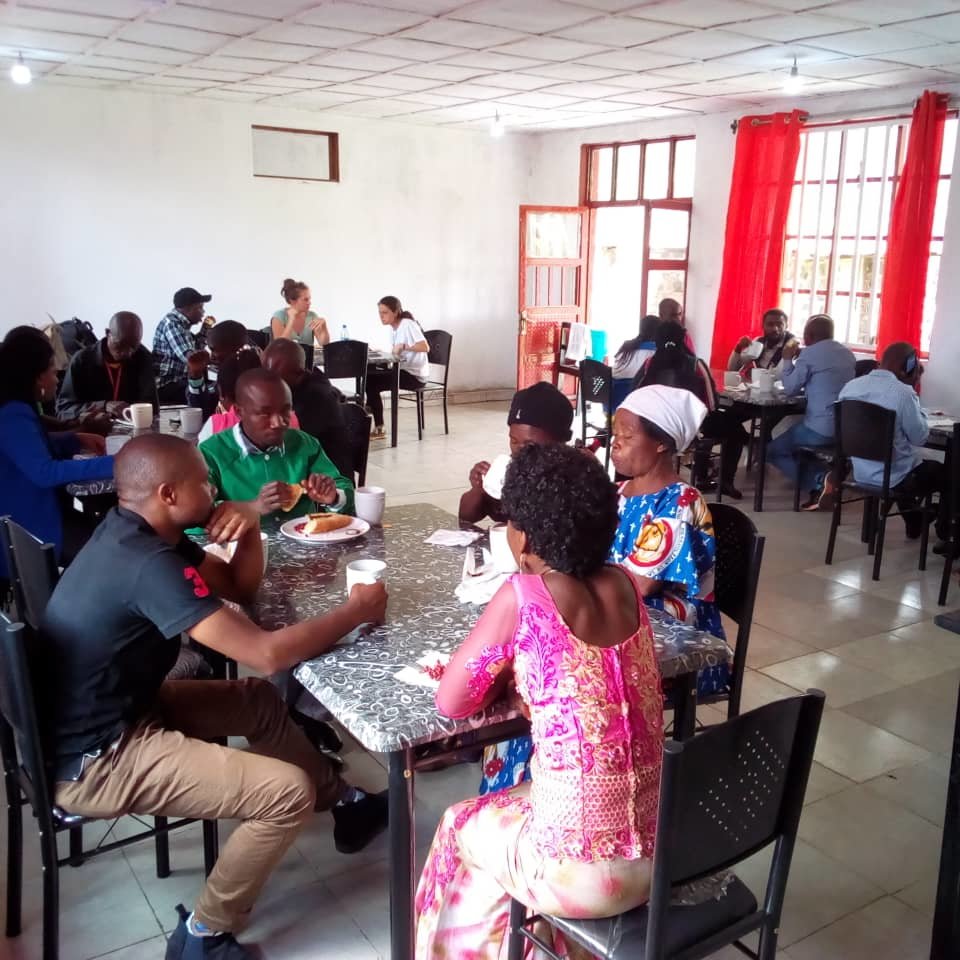
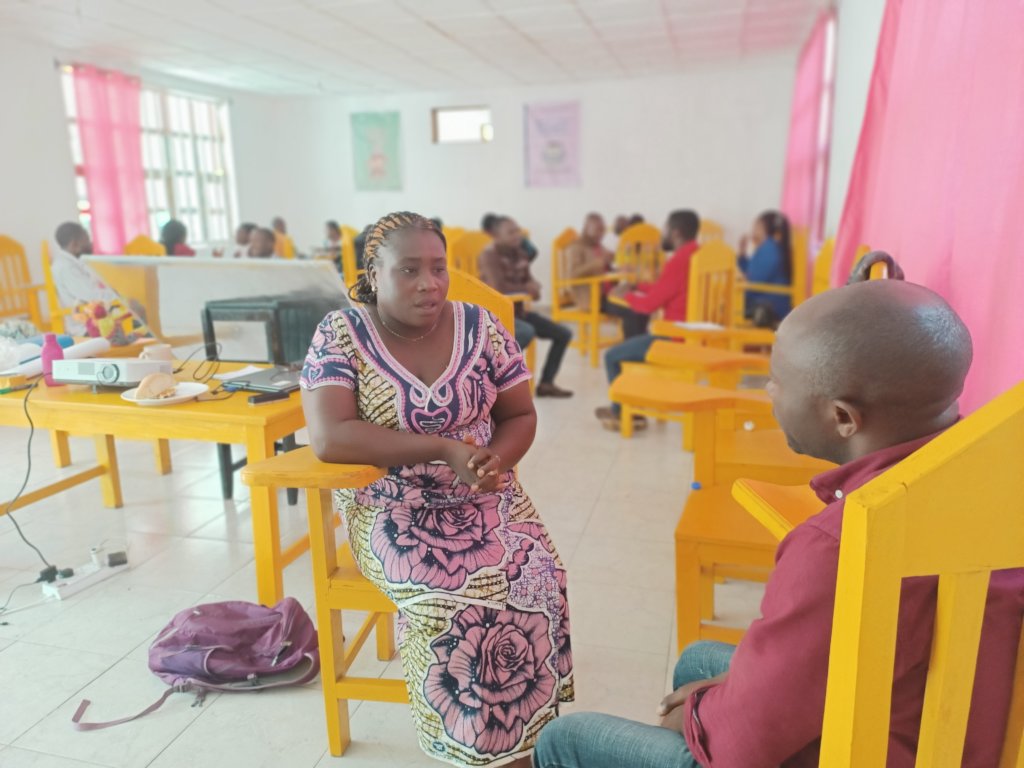
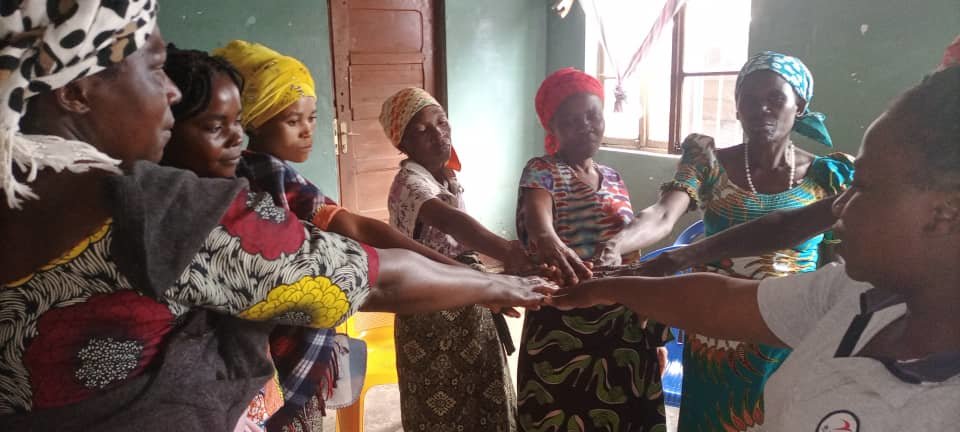
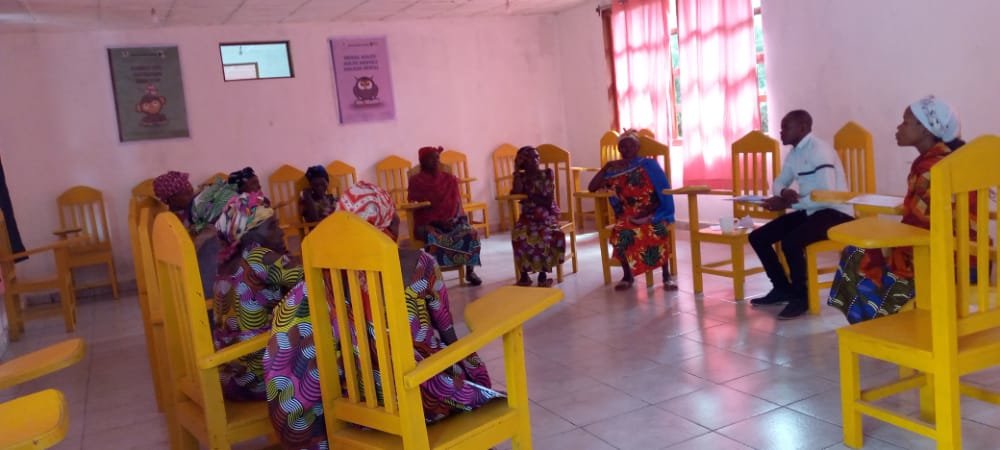
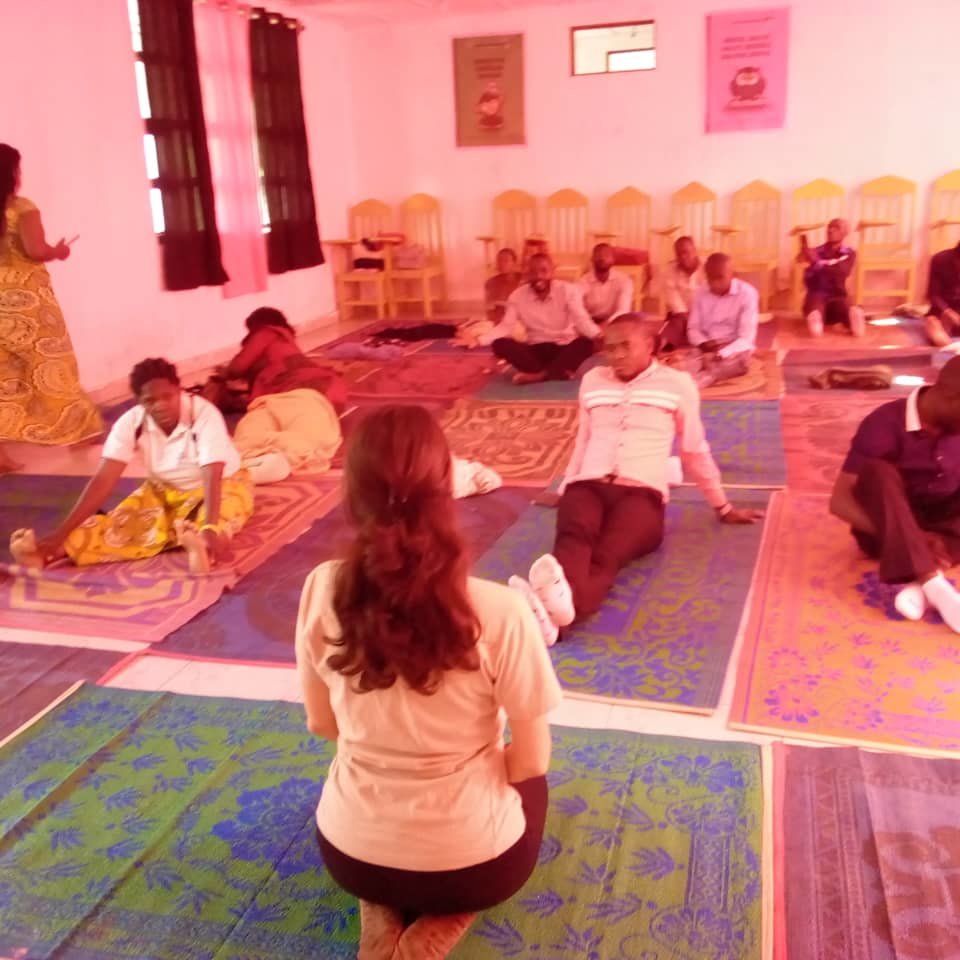
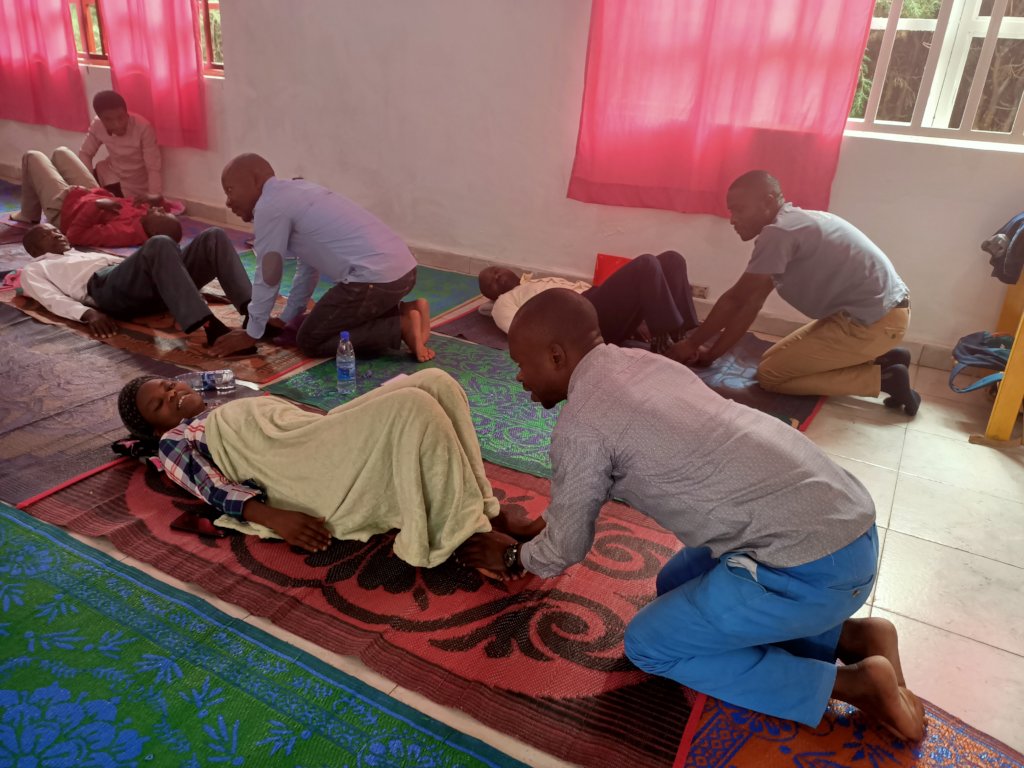
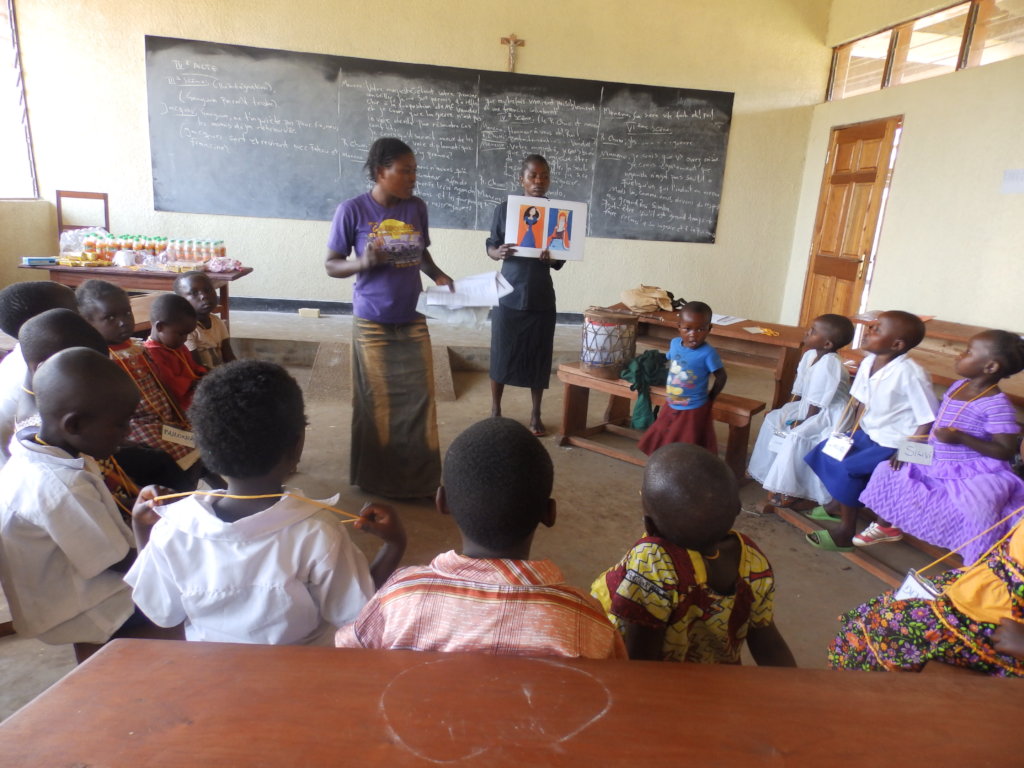
We have been prioritising the people with the most urgent needs: those with severe PTSD, those with deep depression, those who told us they no longer see a reason to keep going. Our psychosocial workers and community health agents have been running individual sessions and group spaces where people can speak, cry, breathe, and slowly — very slowly — begin to feel safe again.

We have also been addressing what lies beneath the mental health crisis: the hunger, the isolation, the total absence of anyone to turn to in an emergency. Because you cannot heal a traumatised mind in a body that is starving, or in a community where everyone is equally broken.


What comes next

In the second half of 2026, we will keep going. More sessions. More training for local health workers. And a new assessment — to see, with data, whether the people we are walking alongside are beginning to feel even a little lighter.

We believe they will. Not because the situation in Kivu has changed — it has not. But because when someone finally feels seen and heard, something shifts. Slowly. Quietly. But it shifts.

You made that possible. Thank you.

Share on Twitter Share on Facebook

About Project Reports

Project reports on GlobalGiving are posted directly to globalgiving.org by Project Leaders as they are completed, generally every 3-4 months. To protect the integrity of these documents, GlobalGiving does not alter them; therefore you may find some language or formatting issues.

If you donate to this project or have donated to this project, you can receive an email when this project posts a report. You can also subscribe for reports without donating.


Sign up for updates

Organization Information

Coopera - cooperacion al desarrollo

Location: BILBAO, BIZCAIA - Spain
Website:
Facebook: Facebook Page
X / Twitter: Profile
Project Leader:
COOPERA NGO
Bilbao , BIZKAIA Spain
$10,870 raised of $190,000 goal
 
264 donations
$179,130 to go
Donate Now

Help raise money!

Support this important cause by creating a personalized fundraising page.

Start a Fundraiser

Learn more about GlobalGiving

Teenage Science Students
Vetting +
Due Diligence

Snorkeler

Our
Impact

Woman Holding a Gift Card
Give
Gift Cards

Young Girl with a Bicycle
GlobalGiving
Guarantee

Get incredible stories, promotions, and matching offers in your inbox

WARNING: Javascript is currently disabled or is not available in your browser. GlobalGiving makes extensive use of Javascript and will not function properly with Javascript disabled. Please enable Javascript and refresh this page.