By Shivani A. Datar | Field Researcher
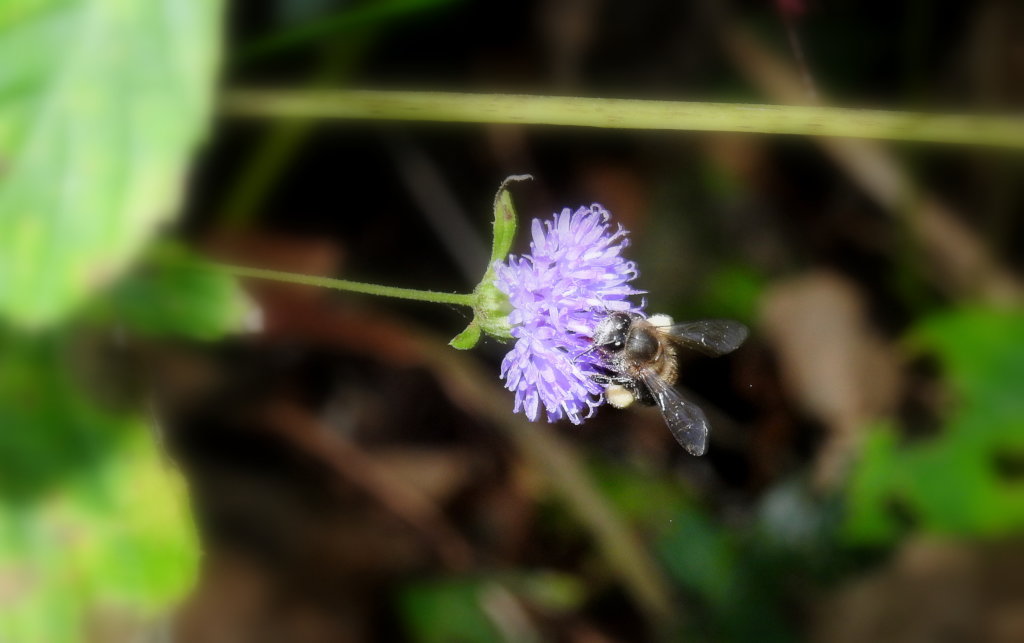
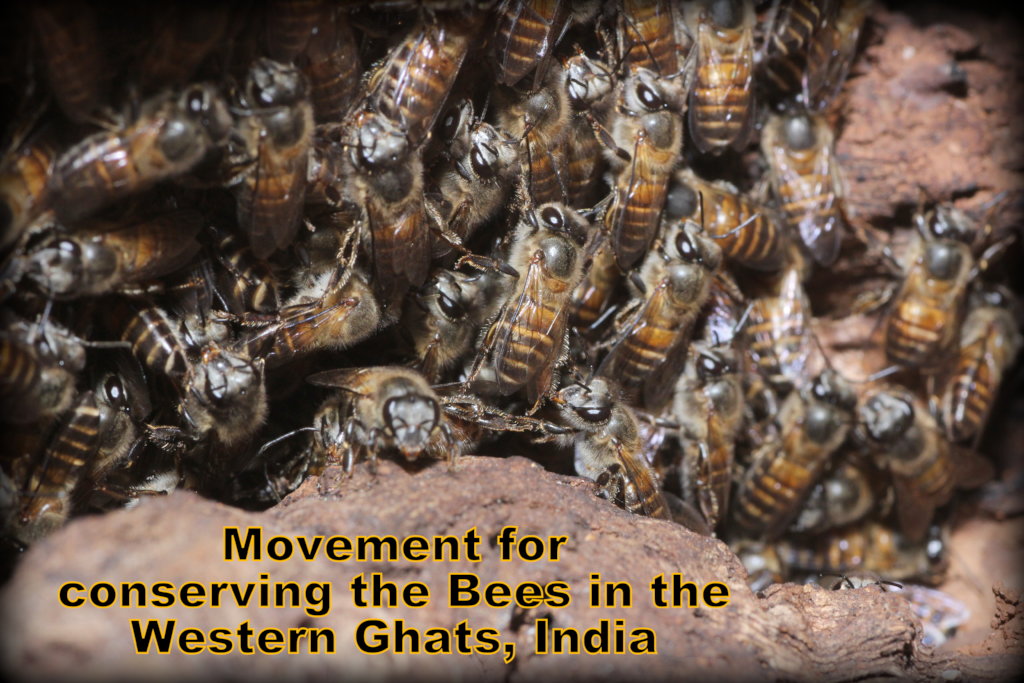
High in the mist-covered forests of the Bhimashankar Wildlife Sanctuary, a quiet yet powerful transformation is underway. While visitors are often drawn by the sanctuary’s spiritual significance or the chance to spot the Indian Giant Squirrel, an equally vital story is unfolding in the canopy led by the industrious Apis cerana indica, locally known as Sateri.
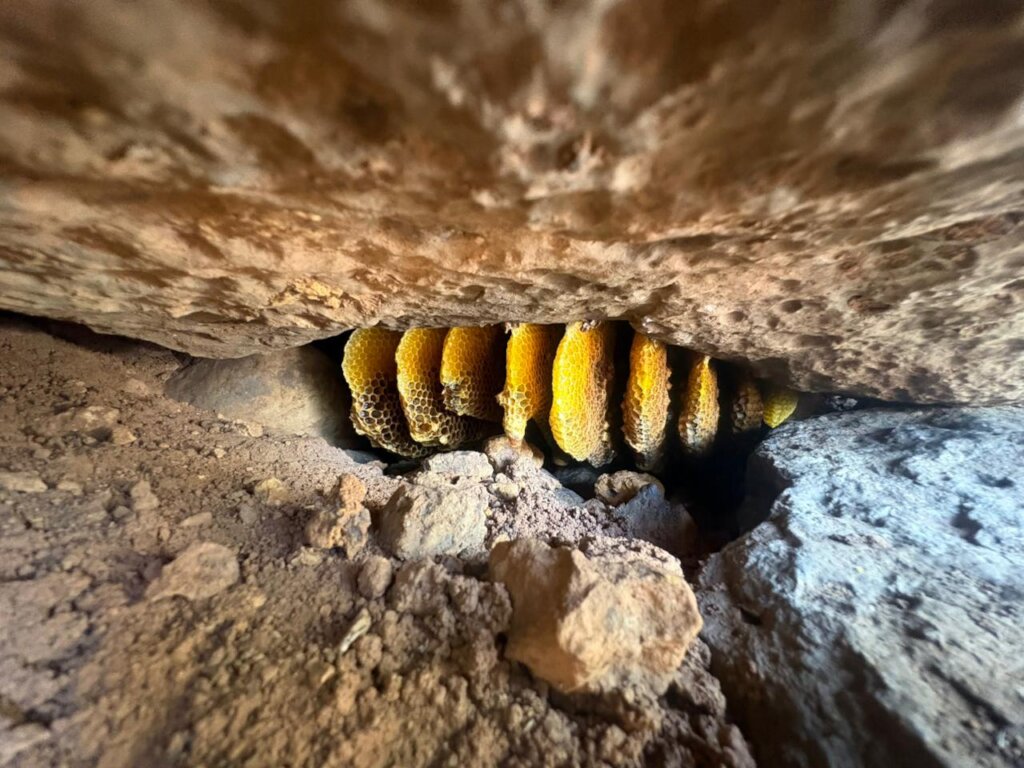
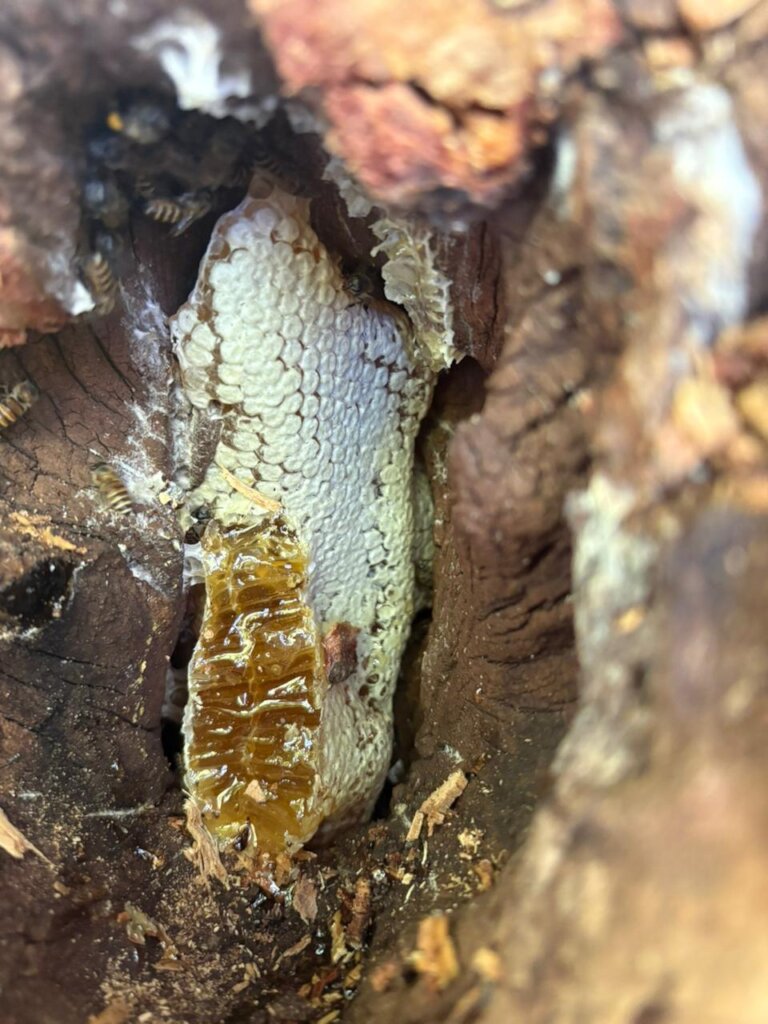
These native honeybees naturally seek out dark, sheltered spaces hollow trees, rock crevices, or undisturbed corners of the forest to build their homes. For generations, however, honey collection in these landscapes followed a destructive path. Wild hives were smoked out, entire honeycombs were harvested, and in the process, the brood future generations of bees was destroyed. Colonies were forced to abandon their habitats, disrupting not just bee populations but the delicate ecological balance they sustain.
Today, that story is changing.
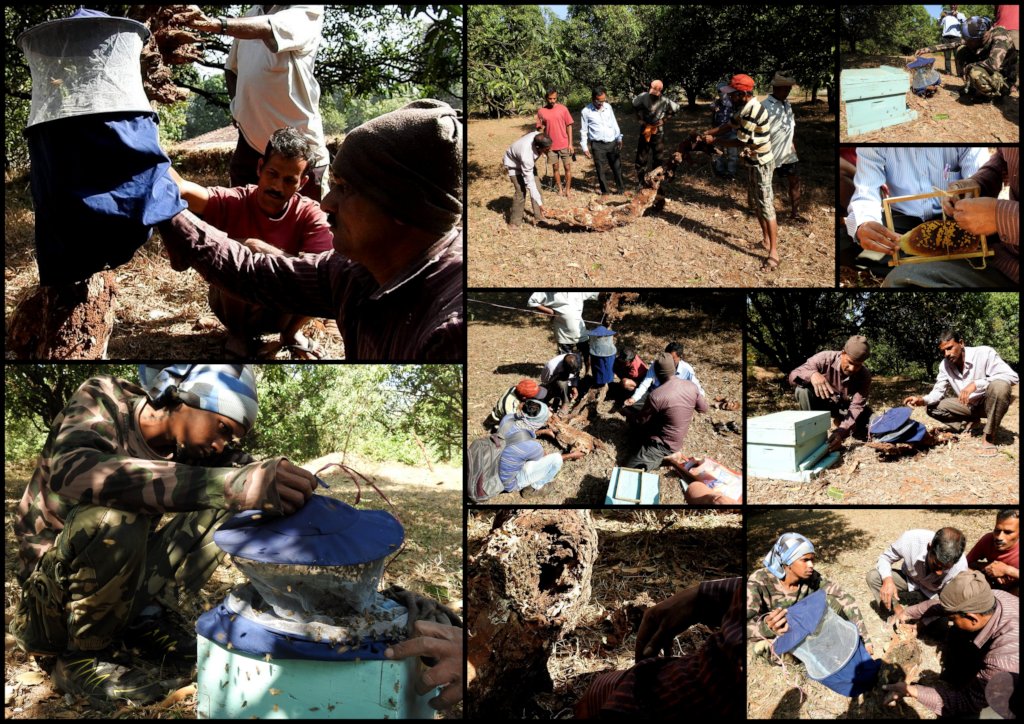
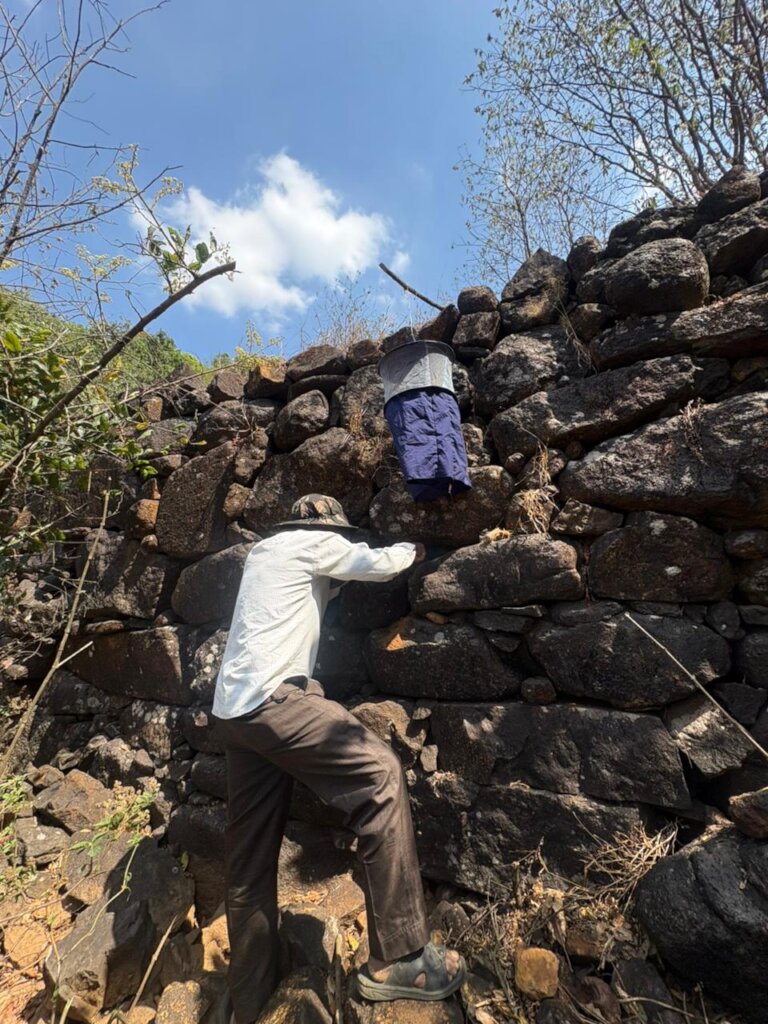
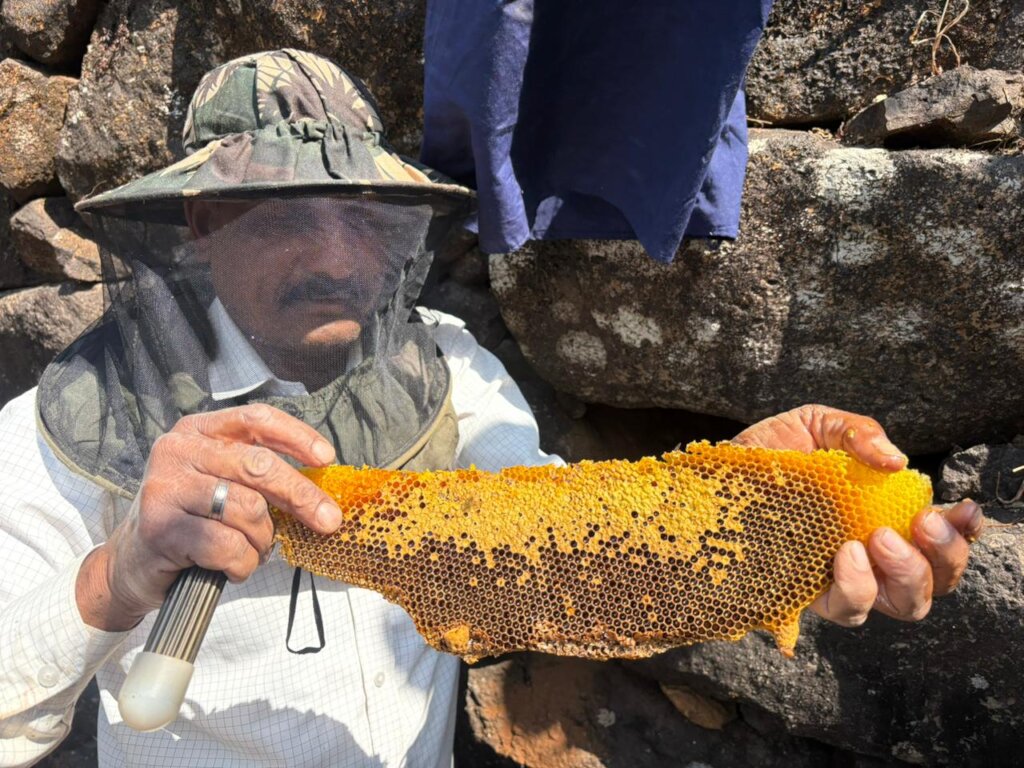
Through AERF’s initiative, 20 community members now known as Bee Champions have been trained in sustainable beekeeping practices and provided with specially designed bee boxes. These boxes replicate the bees’ natural nesting conditions while protecting the brood and allowing colonies to thrive undisturbed. Instead of extraction, the approach now focuses on coexistence ensuring that bees remain in the landscape, continuously pollinating forest plants, fruit trees, and crops.
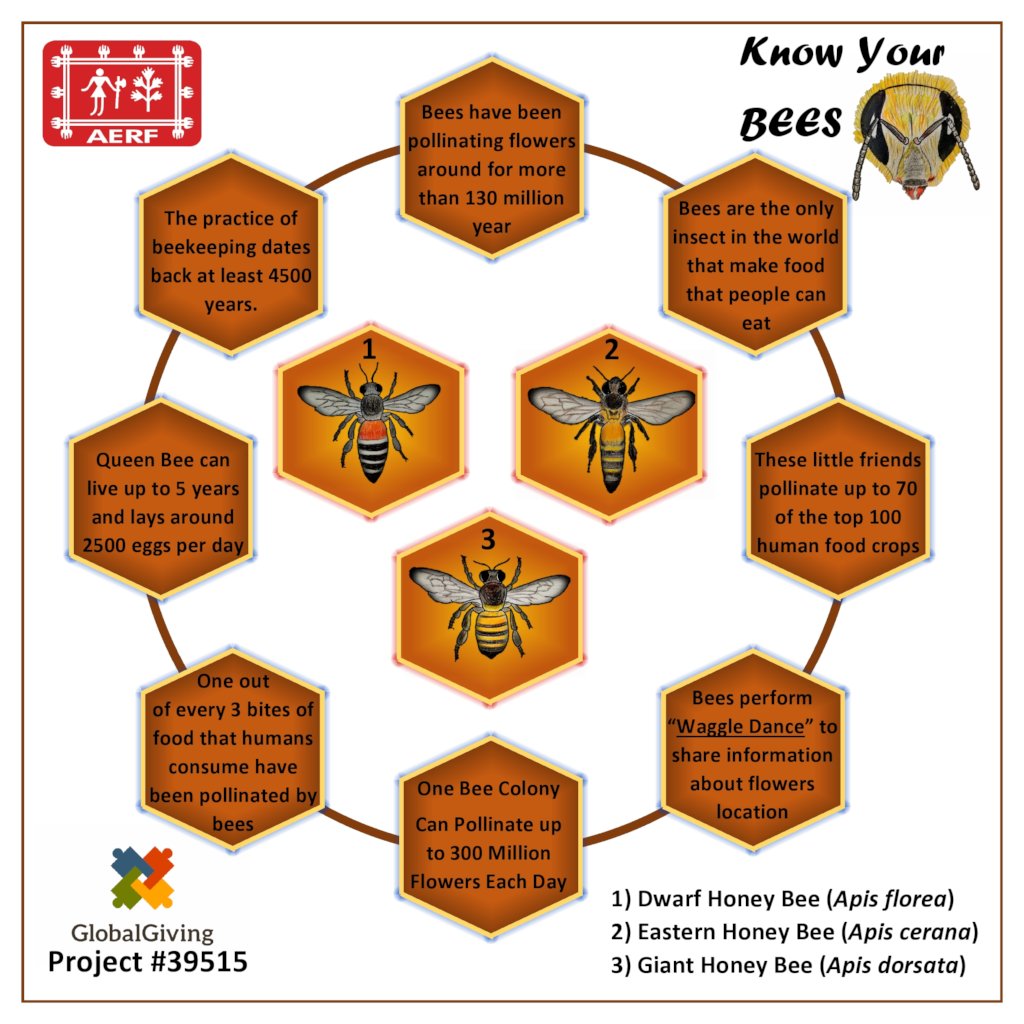
Inside these boxes, life hums with precision and purpose. A single queen lays up to 1,000 eggs a day, supported by a workforce of 25,000–30,000 worker bees that forage, produce honey, nurture larvae, and defend the hive. Drones exist only to mate, completing their life cycle in a single act. The colony functions as a perfectly synchronized system, maintaining a stable internal temperature of 32°C–35°C ideal for nurturing new life.
From October to February, the bees focus on building their colonies, gathering pollen, expanding their comb structures, and raising new generations. Worker bees create “bee bread,” a nutrient-rich mixture of pollen and nectar that sustains the larvae. To meet the colony’s annual needs, bees undertake nearly one million foraging trips, collecting up to 20 kg of pollen.
As the forest bursts into bloom between February and May, the bees shift gears. This is peak nectar season, when colonies begin producing honey in abundance. Even now, as you read this, these tiny workers are storing honey in preparation for the monsoon months ahead. A healthy colony of Apis cerana indica can produce 15–25 kg of honey annually, light in colour, delicate in flavour, and highly valued.
But this initiative is about far more than honey.
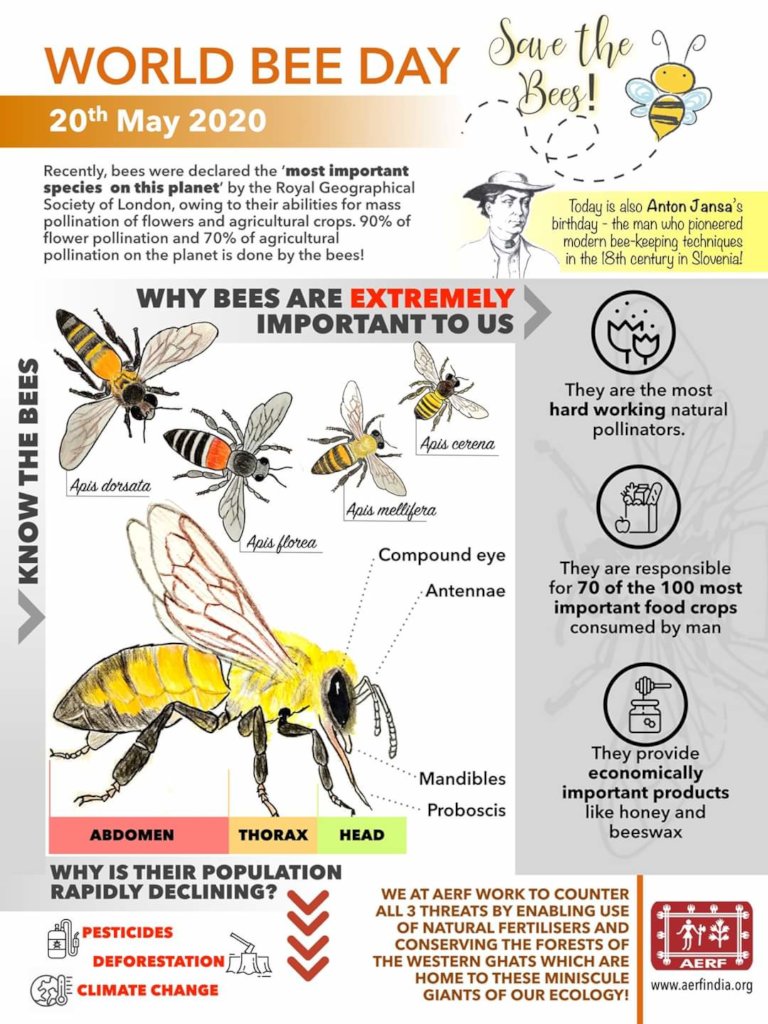
By supporting these Bee Champions, you are strengthening the ecological backbone of the sanctuary. Bees are primary pollinators, and their presence directly influences forest regeneration, crop yields, and biodiversity health. Their survival ensures the survival of countless plant and animal species making them silent guardians of this Sanctuary.
What makes this effort truly powerful is the people behind it. Community members have embraced sustainable methods, proving that conservation and livelihoods can go hand in hand. Each bee box installed is not just a tool for income it is a commitment to protecting nature.
Looking ahead, the vision is to expand this initiative to more villages such as Rajpur and Gadewadi training more women and youth to become custodians of their environment. Because every thriving hive is a step toward a resilient ecosystem, a stronger community, and a greener future.
Project reports on GlobalGiving are posted directly to globalgiving.org by Project Leaders as they are completed, generally every 3-4 months. To protect the integrity of these documents, GlobalGiving does not alter them; therefore you may find some language or formatting issues.
If you donate to this project or have donated to this project, you can receive an email when this project posts a report. You can also subscribe for reports without donating.



Support this important cause by creating a personalized fundraising page.
Start a Fundraiser