By Fernando Adulfo Melo Farrera | project leader
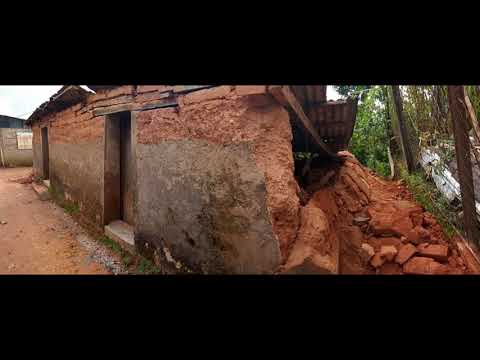
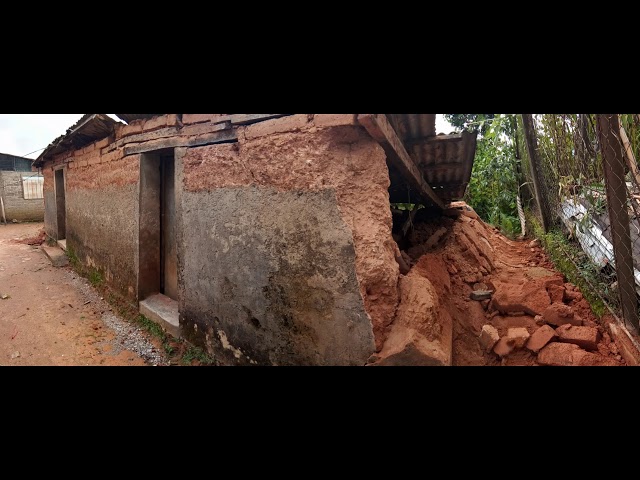
La primera acción que tomamos tras el terremoto fue priorizar la identificación de los daños ocasionados a viviendas, edificios públicos como escuelas y centros de salud, así como servicios como agua potable, luz, comunicaciones, para gestionar con el gobierno la restauración de estos servicios y mediante la solidaridad entre compatriotas para poder apoyar a aquellas familias cuyos hogares fueron los más afectados.
We also assume the task of meeting with municipal and agrarian authorities, as well as with older people and with the support of Promotora de Servicios para el Desarrollo SC (PRODER) we have been working on the identification of a risk map in the community's territory, a historical account of the natural phenomena that have affected community and family life, a calendar of the seasons in which they occur and we train ourselves to identify those natural phenomena that most seriously affect life, such as landslides and hurricanes, as well as those activities human beings that contribute to aggravate the impacts of these phenomena, among which the cultivation of nomadic milpa stands out with the method of slashing, cutting trees and fire.
Natural phenomena that we have overcome through solidarity between families as the main tool to face the effects caused by earthquakes and hurricanes.
In a community assembly and with information from the Disaster Prevention Fund and the Disaster Assistance Fund, the decision was made to create the Municipal Civil Protection Directorate where we elected a partner with whom we had the opportunity to develop the Municipal Civil Protection Plan . All of the above with a first support from GlobalGiving and PRODER.
With a second support from GlobalGiving and the advisory and training actions of PRODER, we are now working on the economic and food recovery of our community, for which we have been trained in the management and conservation of soils and waters to have permanent plots for the cultivation of milpa intercropping perennial crops such as blackberry, in the preparation of compost, in the management of nurseries, in the intercropping of cocoa in coffee plantations and the control of pests and diseases of the crops.
The milpa is the combined cultivation of corn plants, beans, squash, chepiles, quelites and other edible and medicinal plants in the same plot and is the main base of the diet of our families. Traditionally, a plot is set up by cutting down trees and brush, letting them dry, then burning them so the land is clean for cultivation for about 2 to 3 years and then opening a new plot, which contributes to deforestation, with what we see that soils are eroding and degrading due to the effect of wind and rain, being also exposed to the effects of natural phenomena such as earthquakes and hurricanes, among others.
Now in the plots we are building ditches in contour lines to infiltrate rainwater, ditches of crop residues and branches to conserve humidity and individual terrace for planting blackberry seedlings and fruit trees, in these plots we propose to intercrop the crop corn.
Another activity that we carry out here in Zacatepec, MIxe is the cultivation of coffee to obtain economic income, however the prolonged droughts and the lack of good practices have affected the cultivation with pests such as rust or they are old plantations and if we add the low prices in the conventional coffee market it is an unprofitable activity.
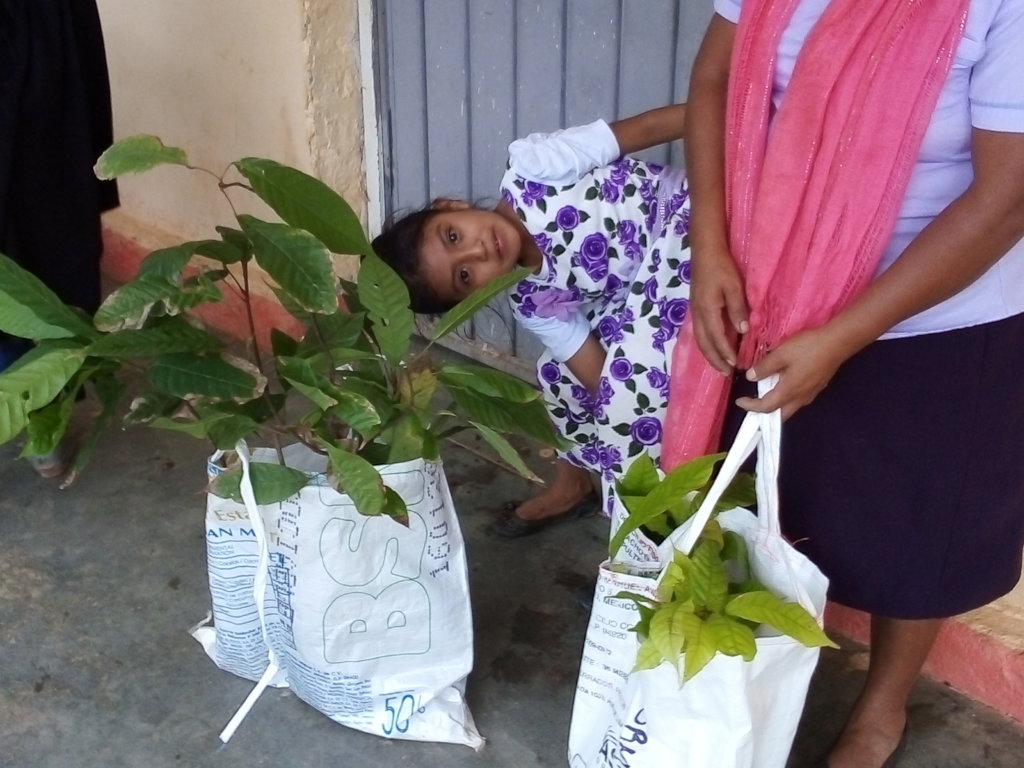
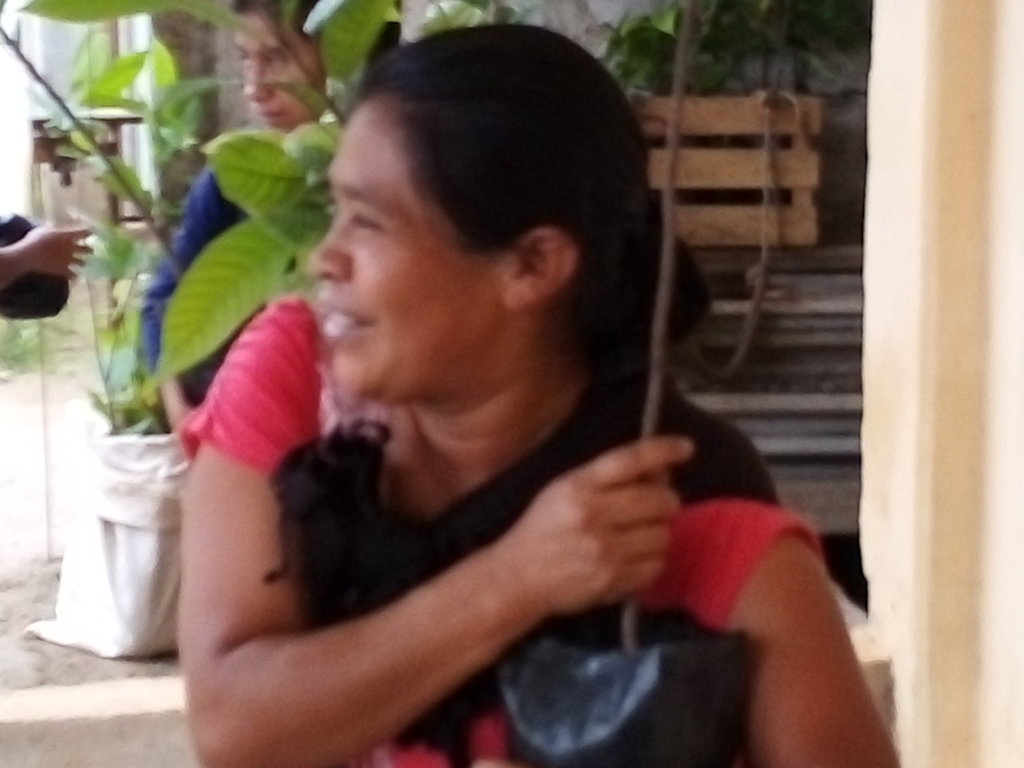
For this reason, we are now working on the renovation of coffee plantations and intercropped we are planting cocoa seedlings that were bought in nurseries and that in 3 years will be starting the production of pods to process them and make chocolate.
A nursery was also built to plant cocoa and expand the plantations interspersed with coffee, all this we have been learning and working with the technical support of Promotora de Servicios para el Desarrollo, as well as in the cornfield cultivation plots with blackberry plants, fruit trees trees and cacao interspersed and with soil and water conservation and management methods.
Finally, two houses were set up to later serve in the transformation of cocoa into chocolate and blackberries into jams to try to give them added value.
En 2021, volvimos a cultivar plántulas de cacao en el vivero que sembraremos en la temporada de lluvias.
Project reports on GlobalGiving are posted directly to globalgiving.org by Project Leaders as they are completed, generally every 3-4 months. To protect the integrity of these documents, GlobalGiving does not alter them; therefore you may find some language or formatting issues.
If you donate to this project or have donated to this project, you can receive an email when this project posts a report. You can also subscribe for reports without donating.