By Norah Owaraga | Team Leader
“The breakfast and lunch on our menu provided affordable good food for us. Both breakfast and lunch did not go beyond Shs. 4,000 (USD 1.02).
And the meals made up a well-balanced diet. Our meals were very delicious and nutritious. A balanced diet to provide quick energy for us to keep us active throughout the training.
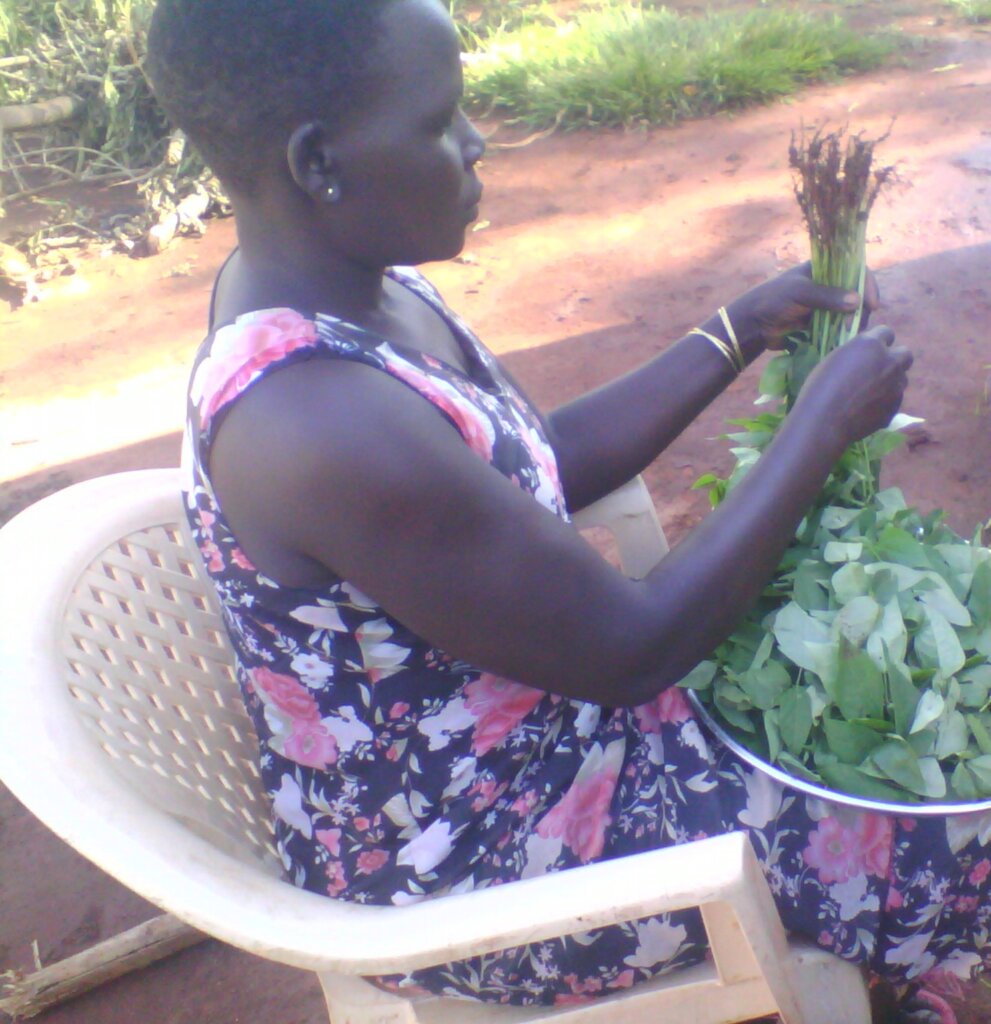
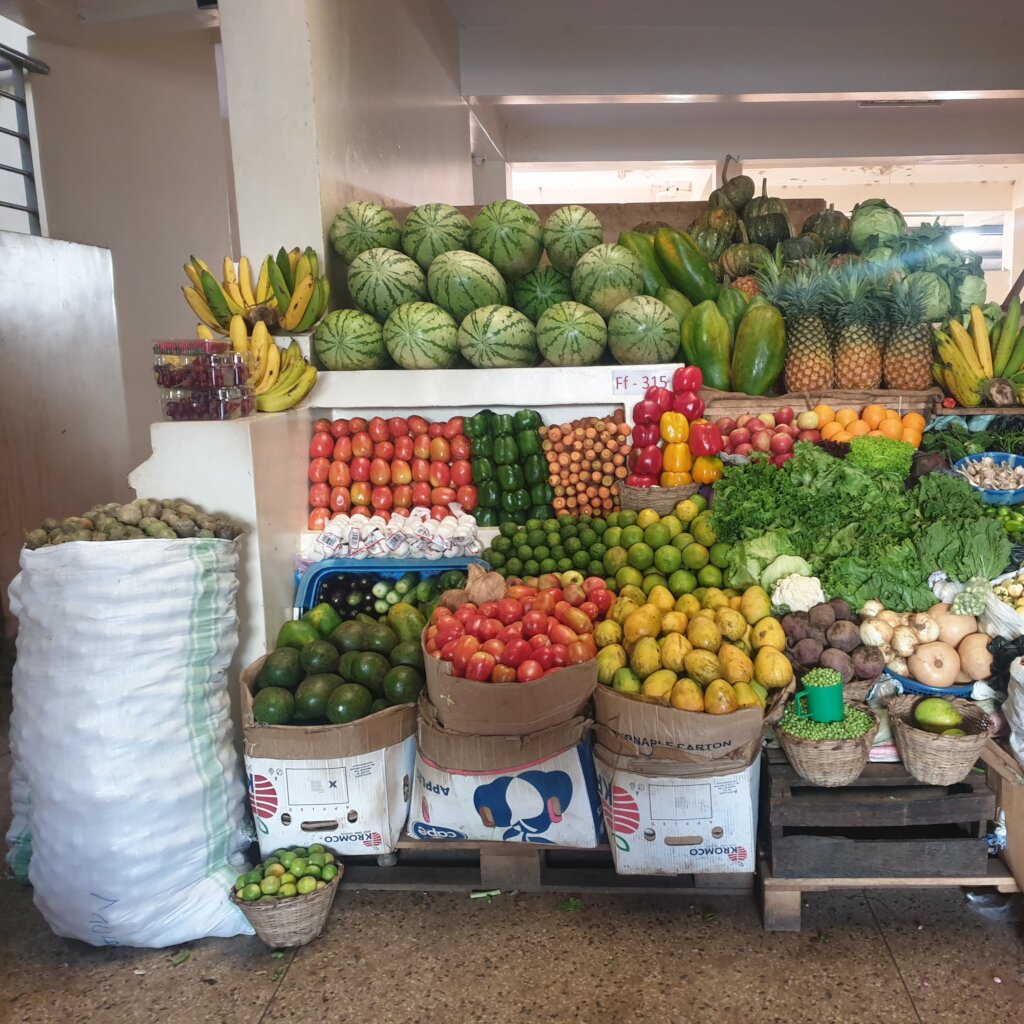
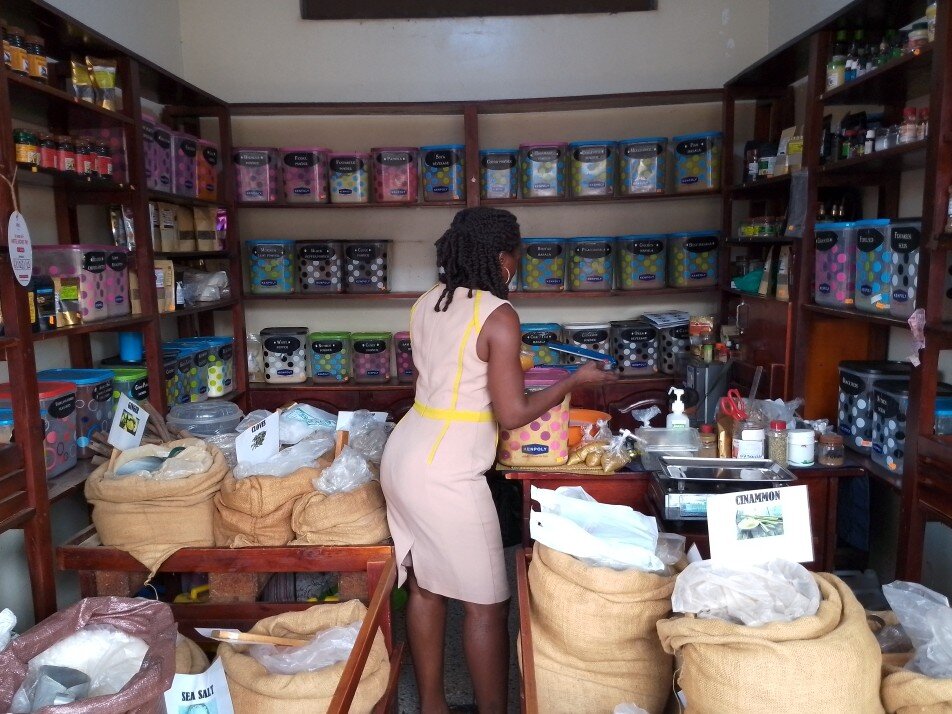
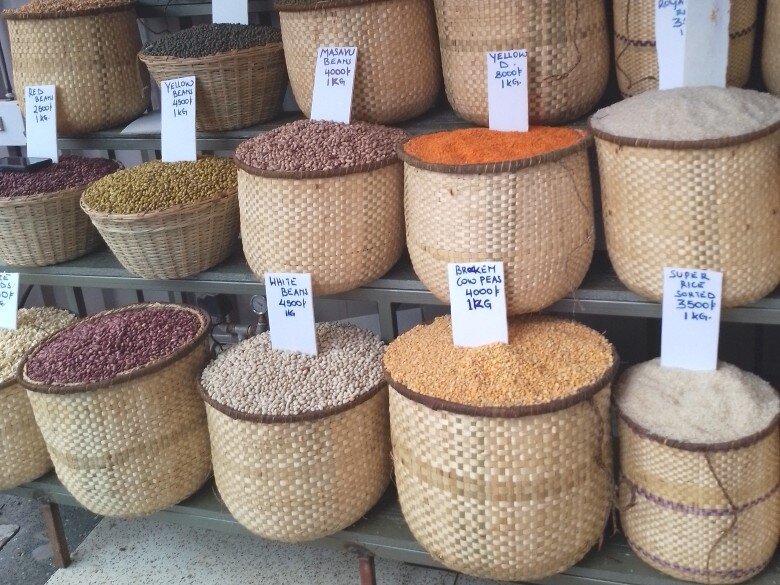
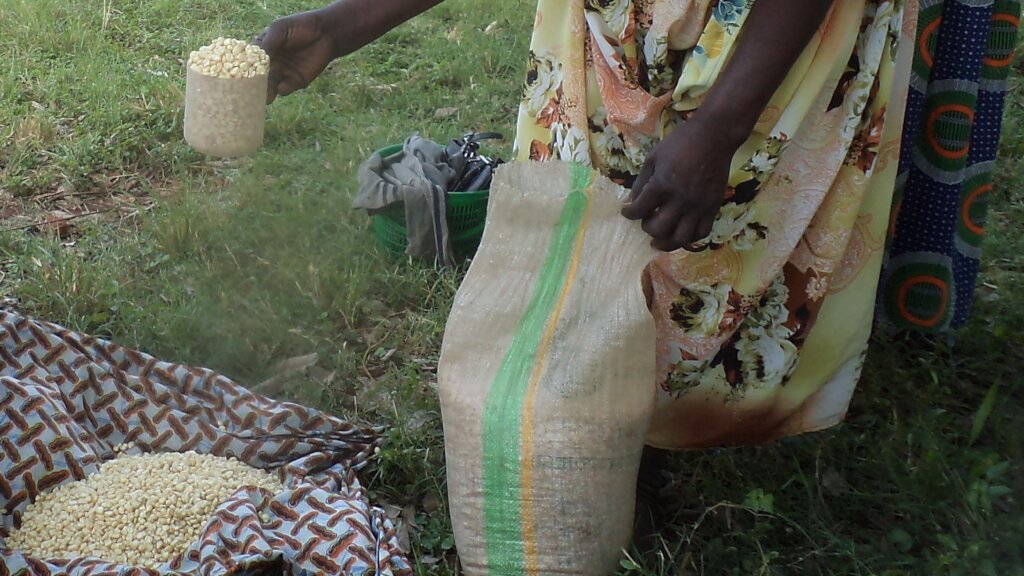
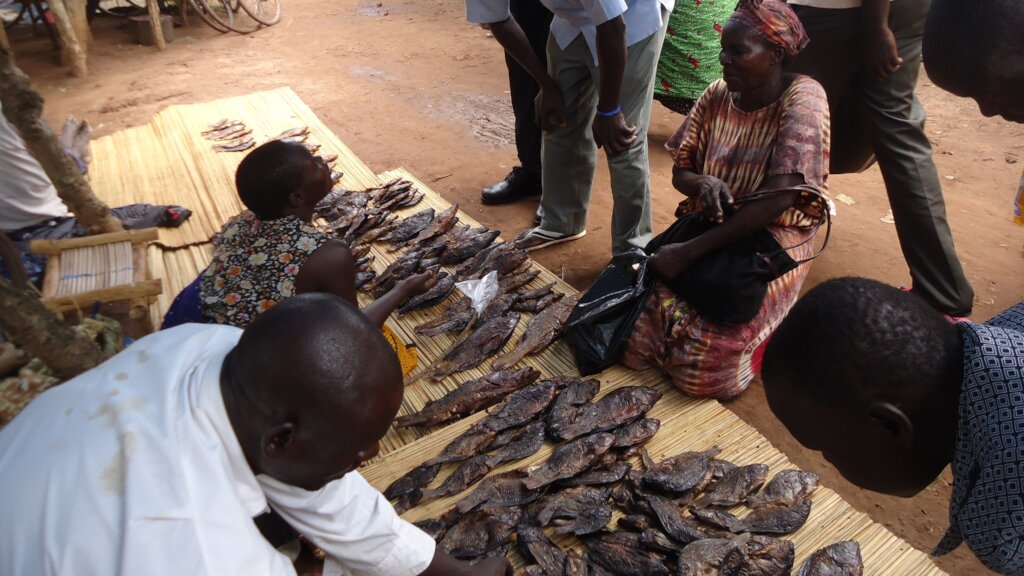
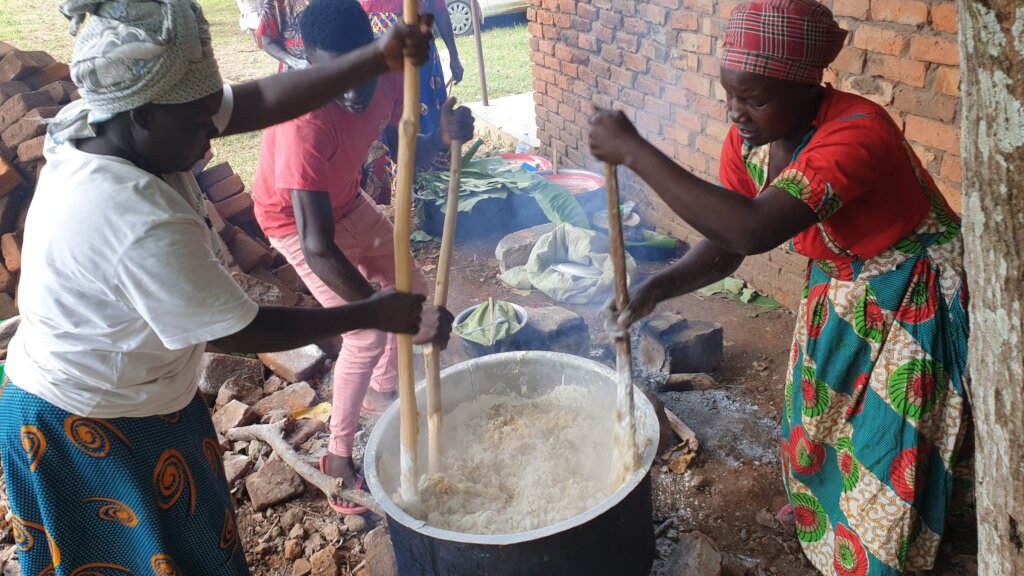
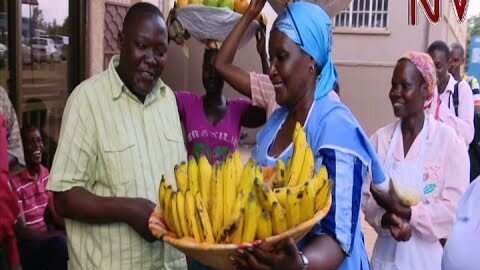
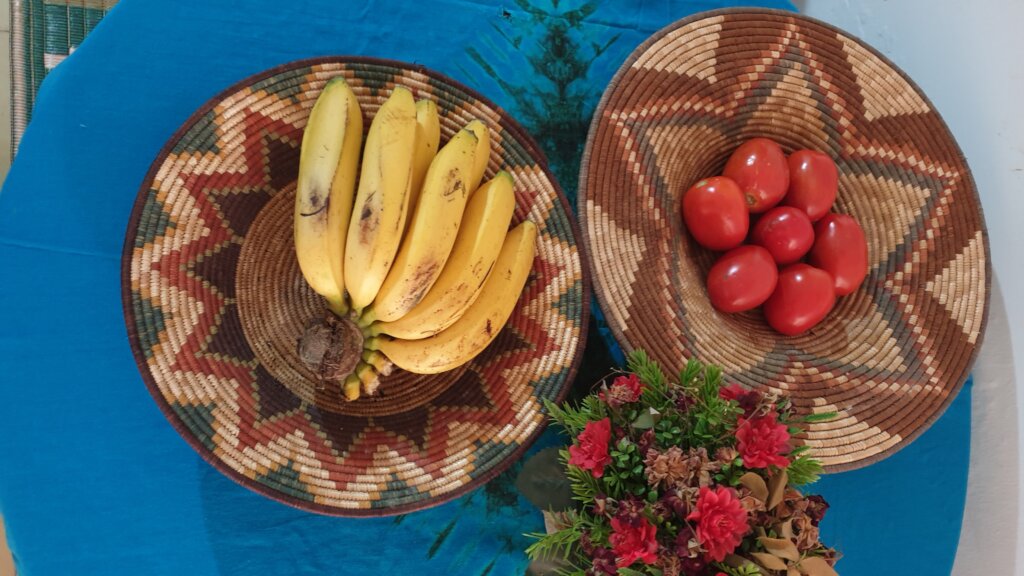
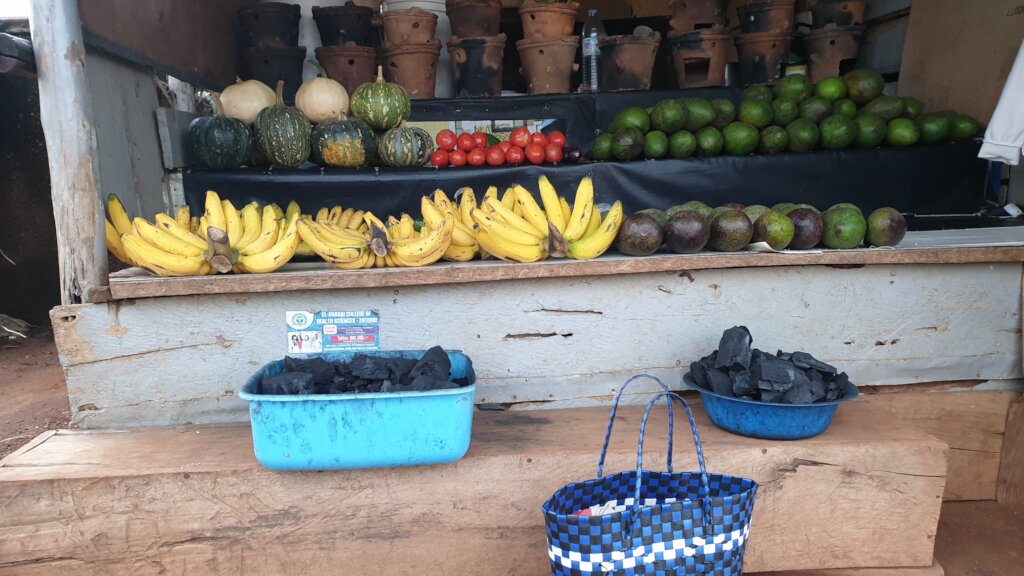
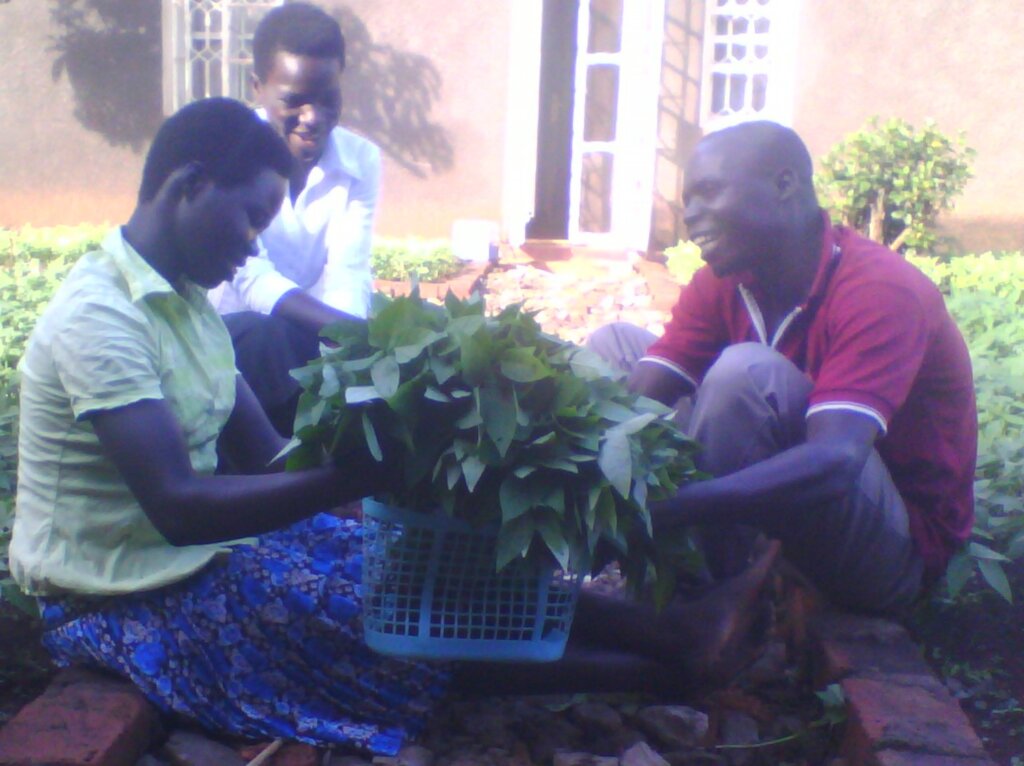
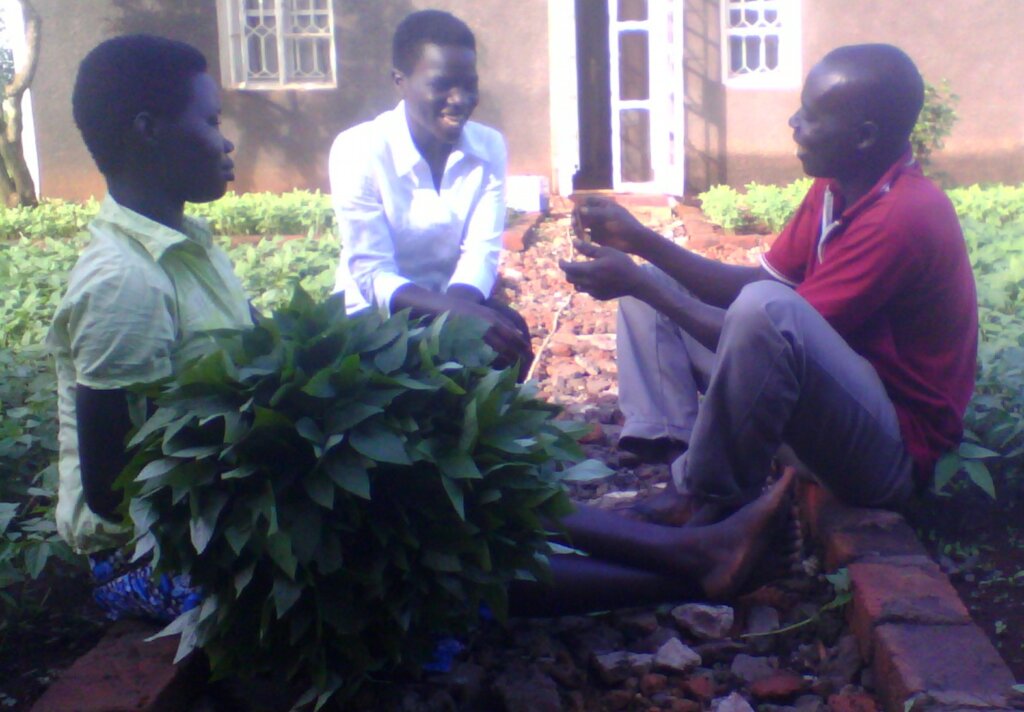
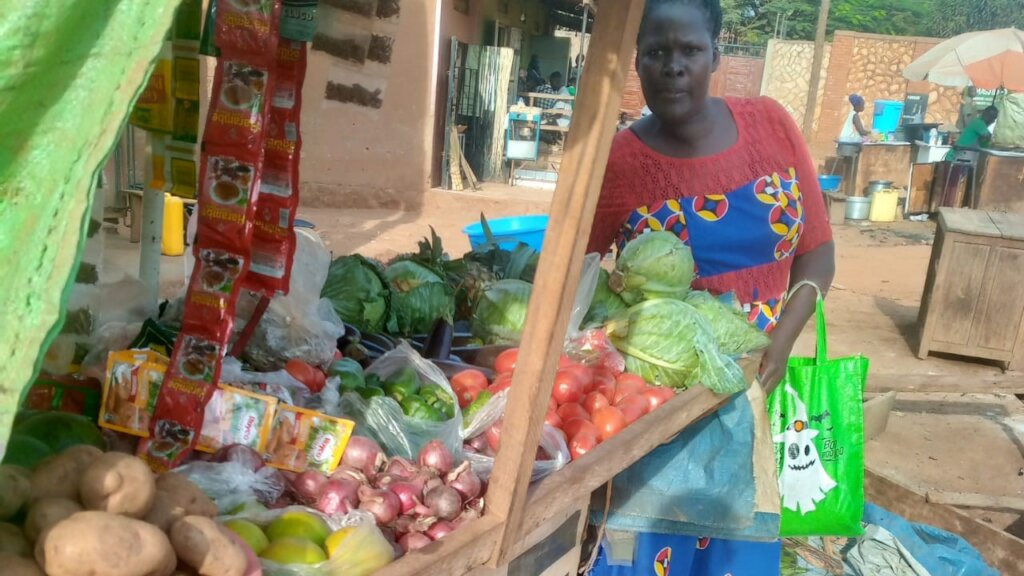
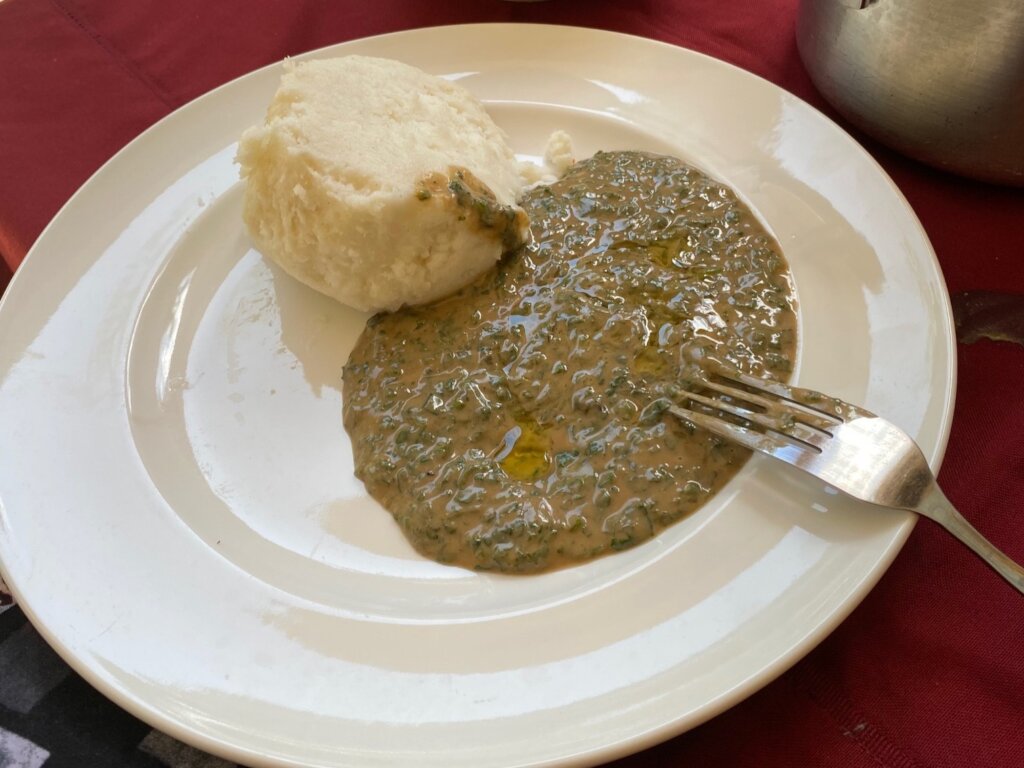
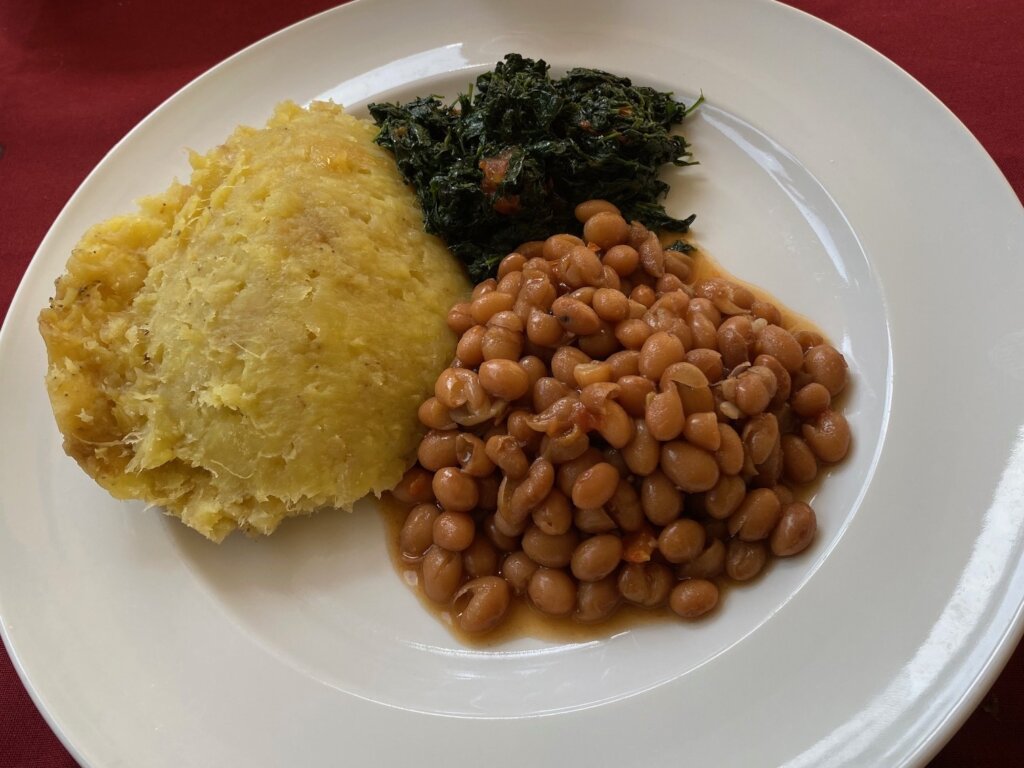
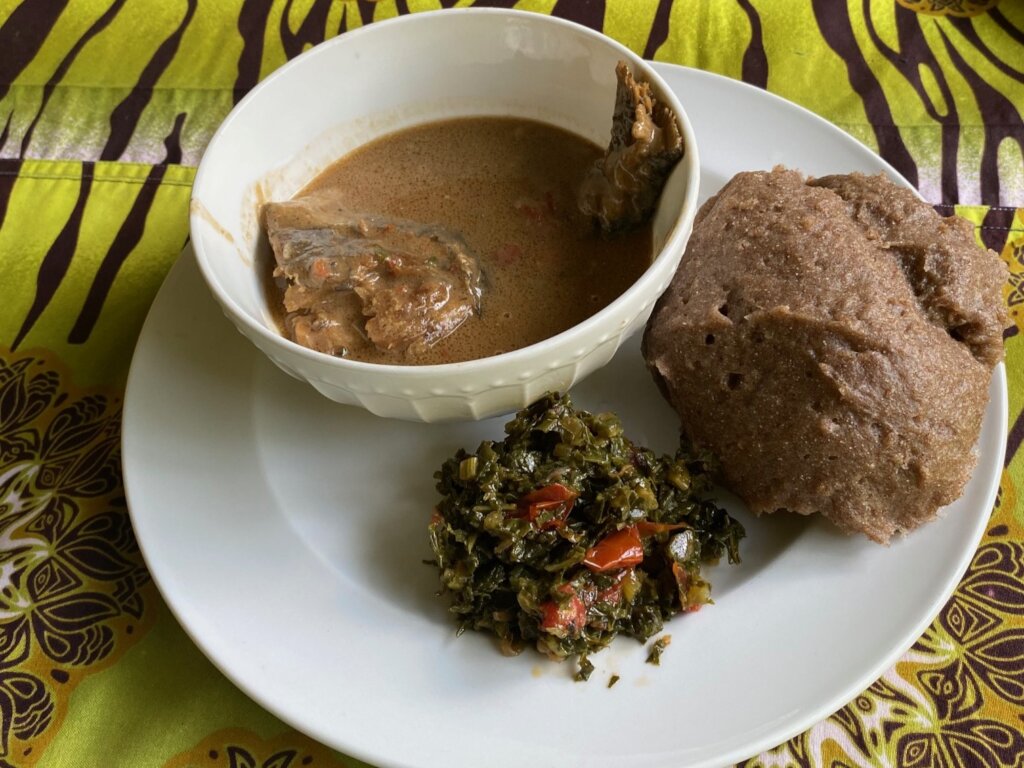
Local dishes dominated our menu. We chose to have a selection of local foods. We had matooke (green cooking bananas), beans, greens, cassava, sweet potatoes, chapati, millet ugali, maize ugali, fish and fresh fruits.
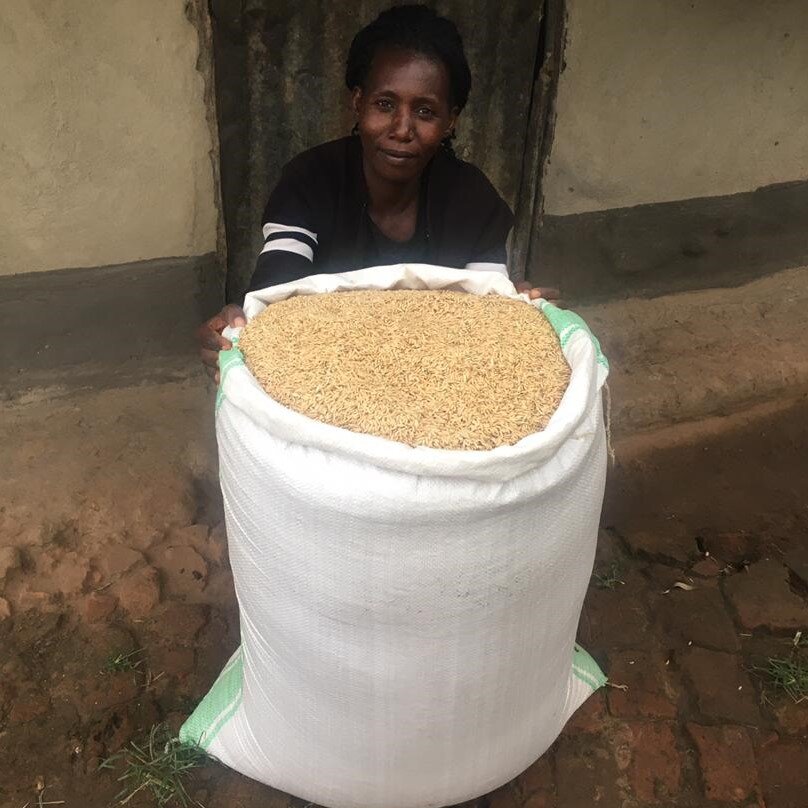
Our food, 100 percent locally sourced, gave us a source of proteins, vitamins, carbohydrates and more. We promoted indigenous food to enhance our dining experience. Ensuring we enjoyed familiar and nutritious meals throughout the training.
Our menu changed daily, offering different combinations of local staples for breakfast and lunch. Our cyclic menu had a cycle of Monday to Friday for a period of two weeks of our training course, the CPAR Participatory Action Research Writing Masterclass. Friday marked the end of the cycle.
Our menu had different meals for each day of the same week. That is to say, Monday meals were different from Tuesday meals and so on, for the same week. But it had the same meals for the same day in the next week. That is to say, Monday meals of week one, were the same as Monday meals of week two.
With the help of our trainers, we designed our menu to save money. The low cost of feeding helped us to save money for other needs. Enabling us peace of mind to stay active and focused with a full stomach, throughout the day.”
This is how our last cohort of trainees under our 2026 human development programme described the feeding budget allocation and feeding arrangement for their training course.
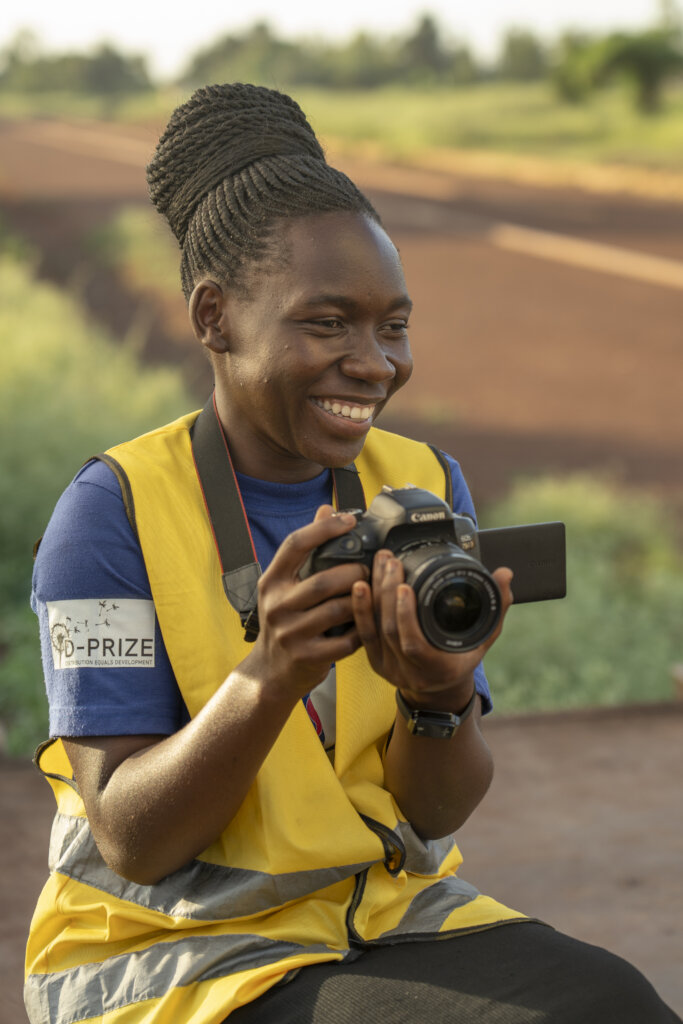
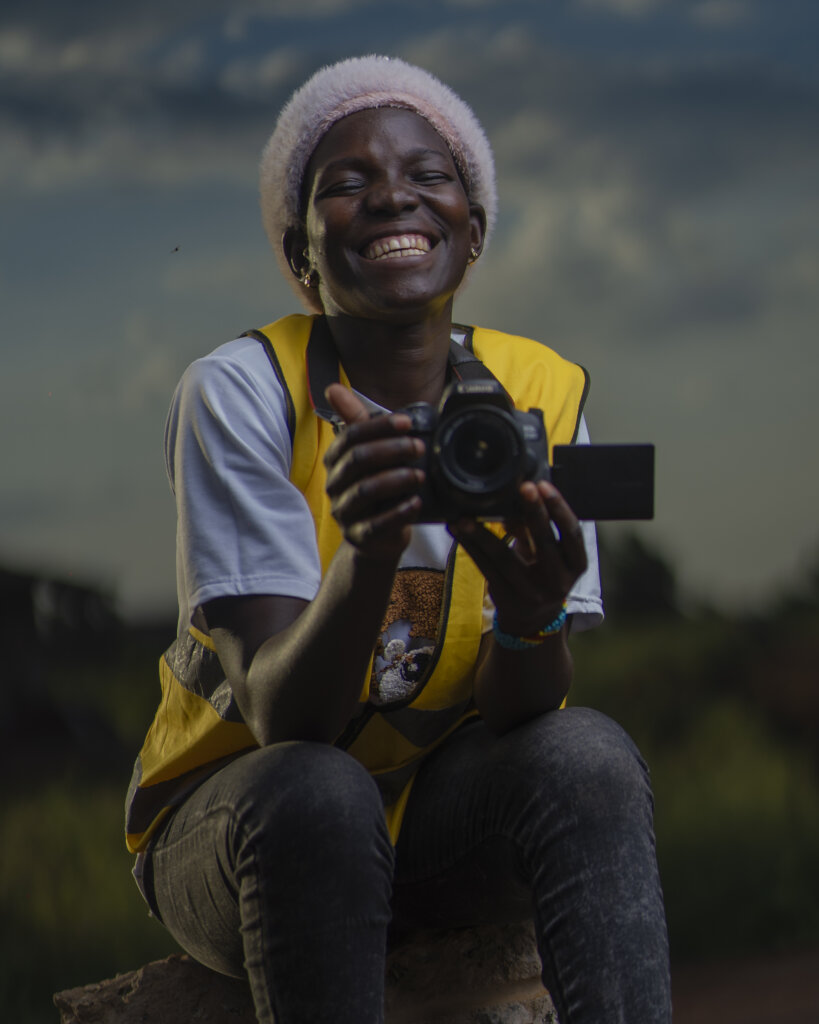
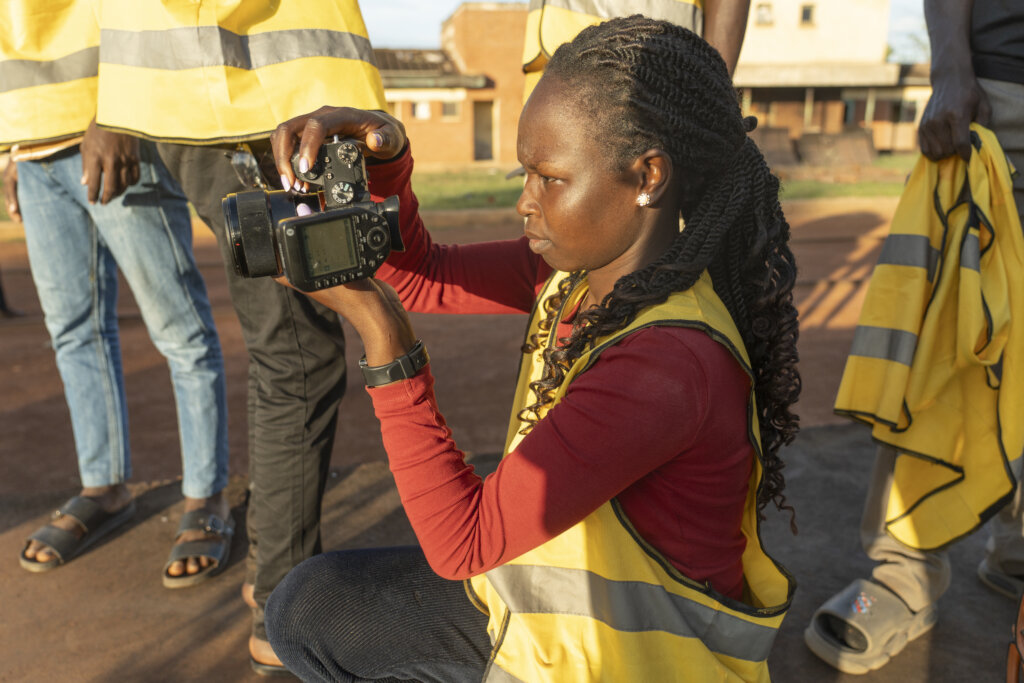
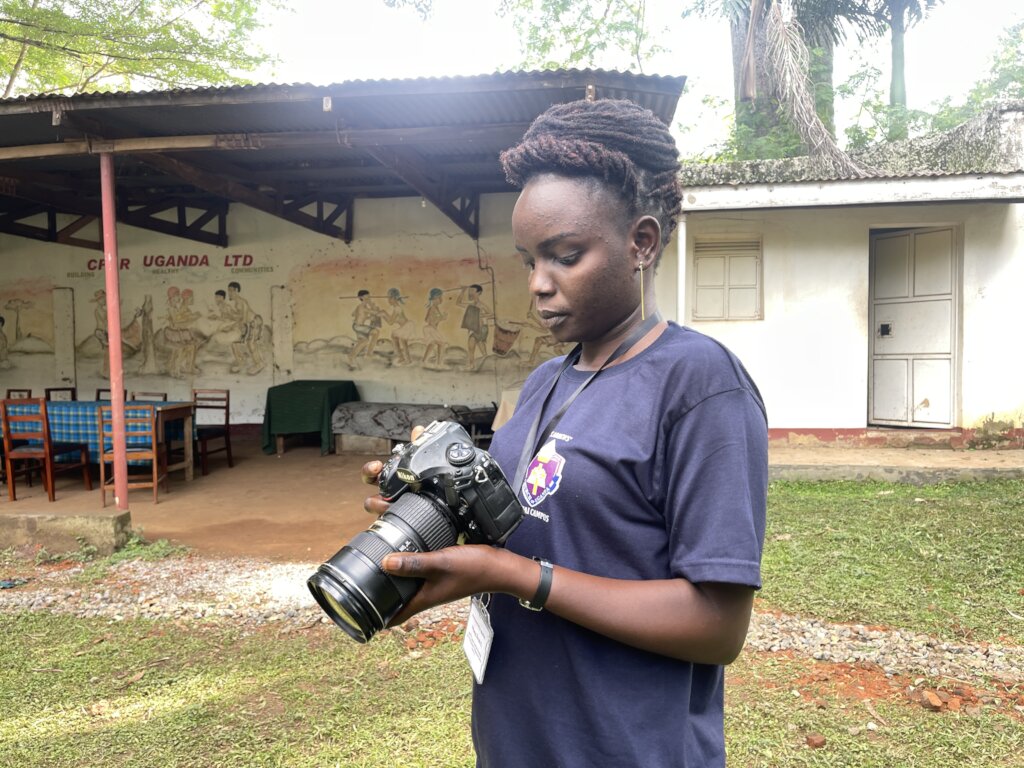
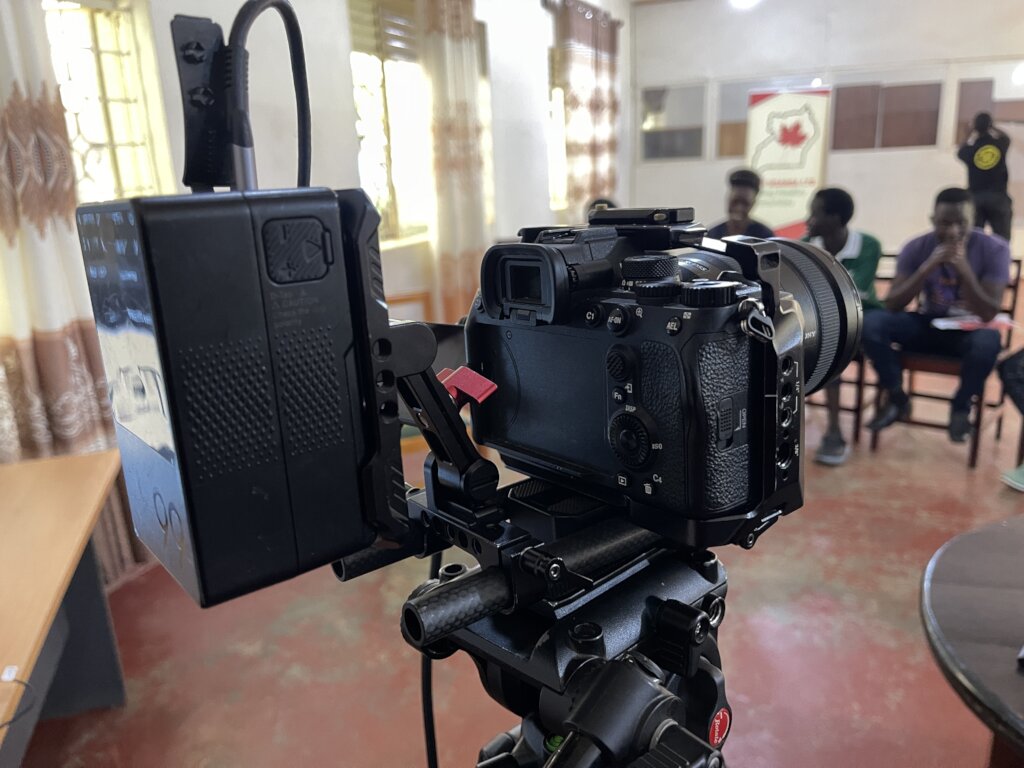
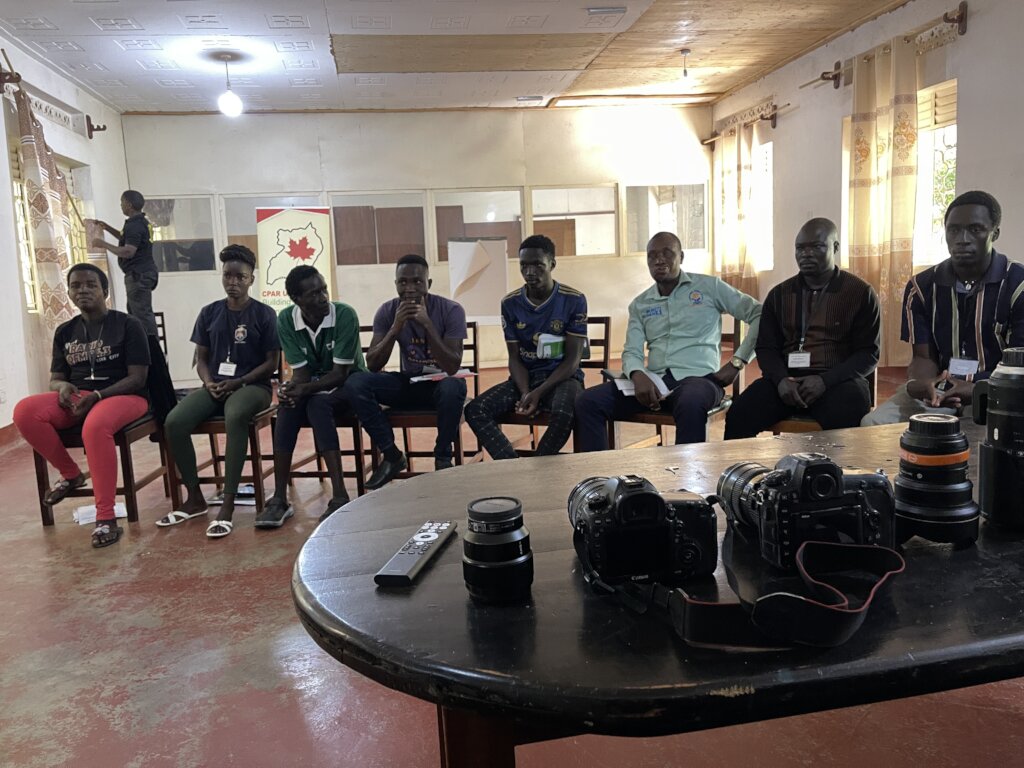
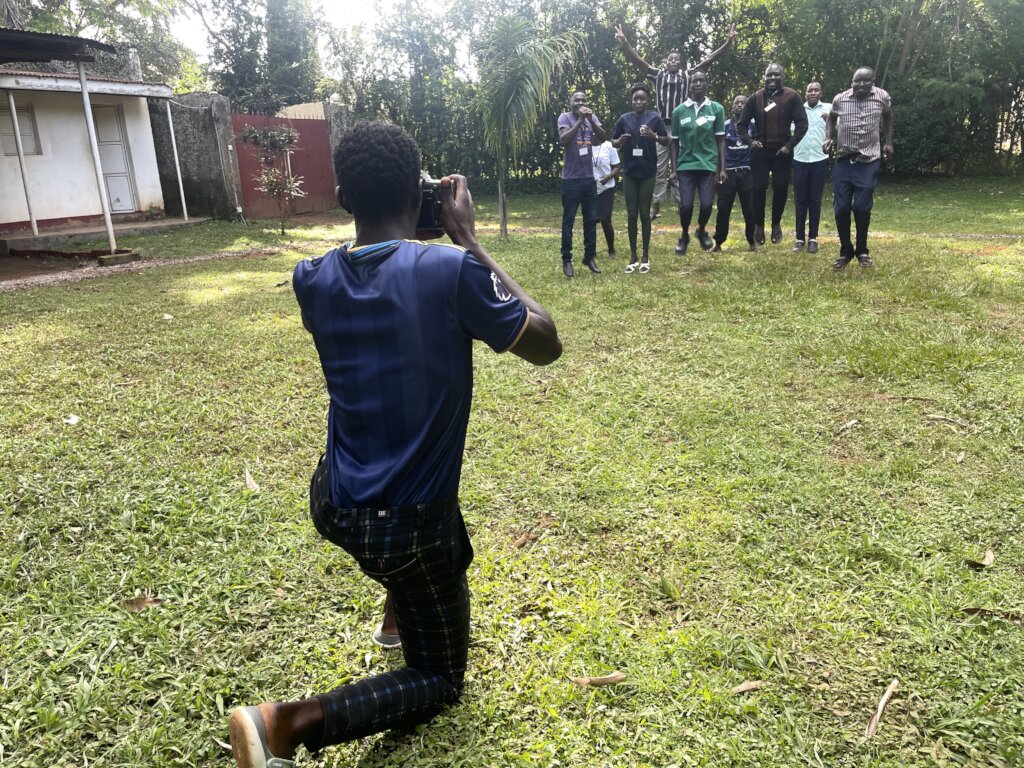
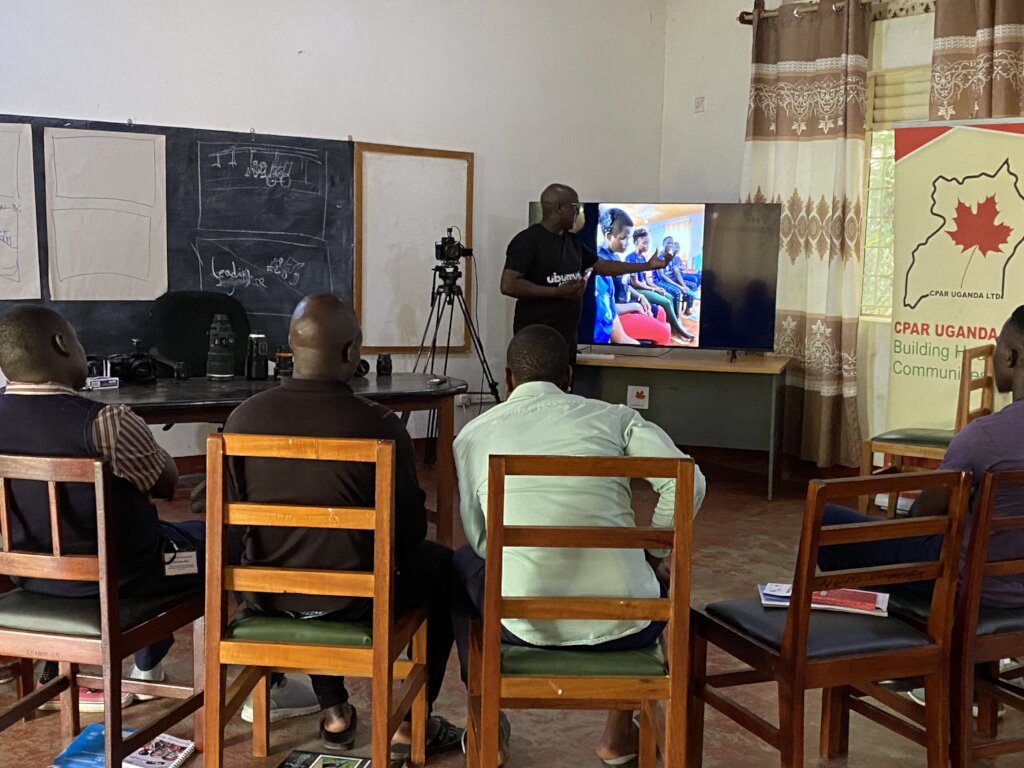
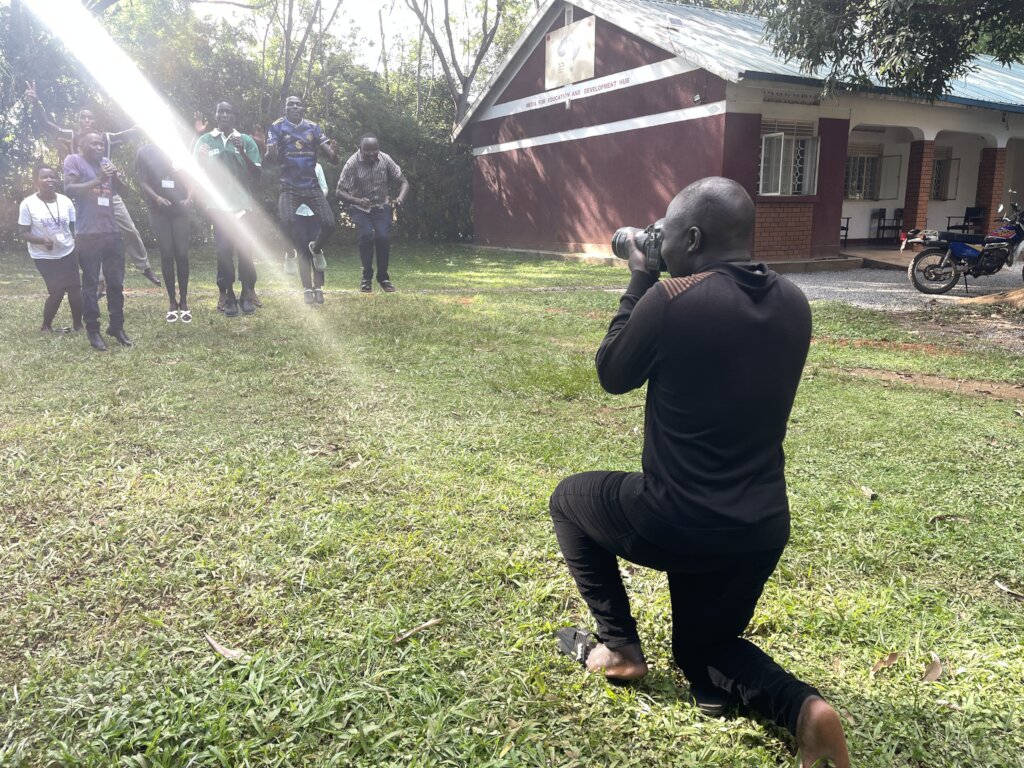
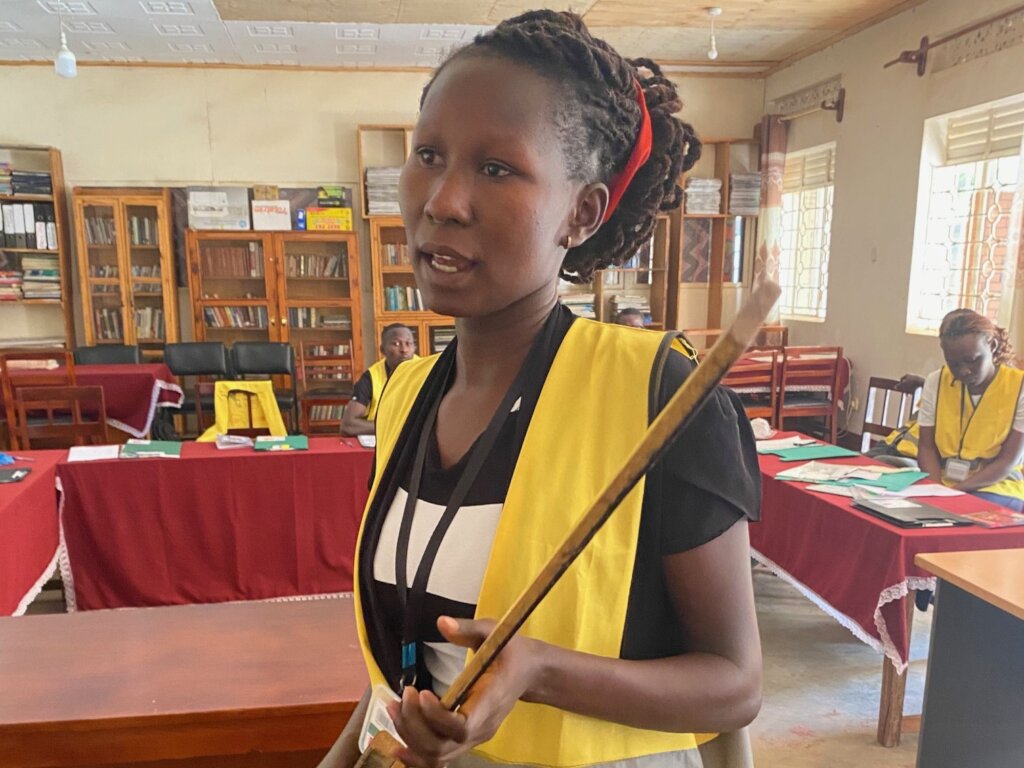
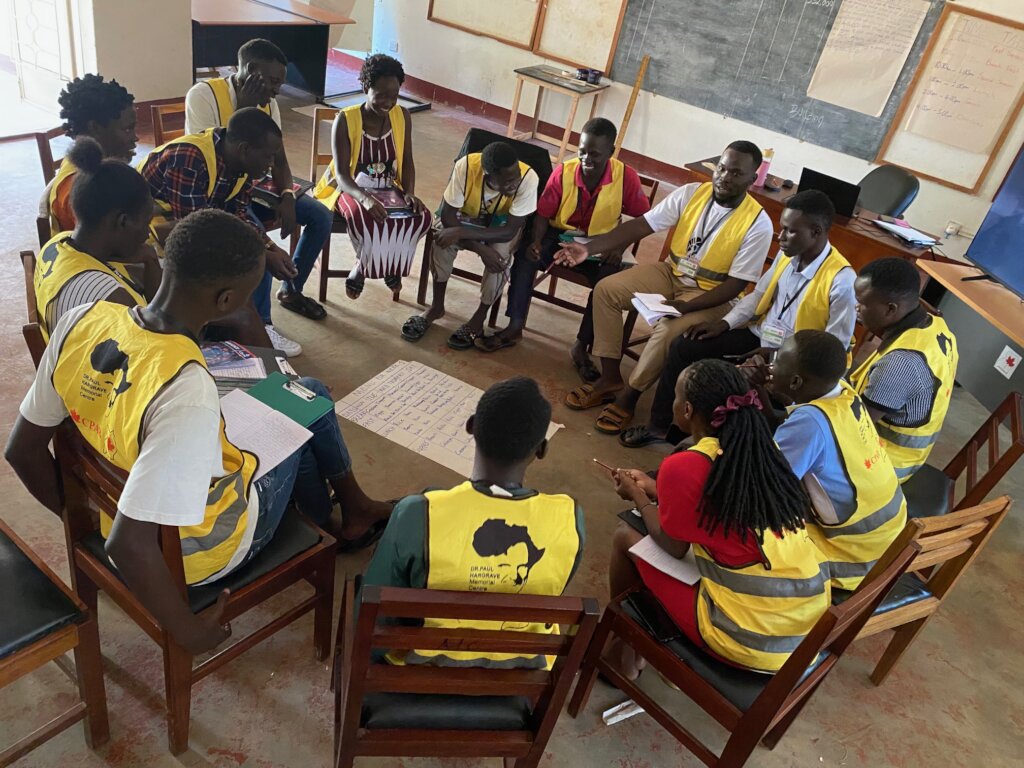
Yes, last month, we, at CPAR Uganda, concluded a series of eight 11-day training courses, training 125 youth into community change agents; and of whom 36 percent were young women. Some trained as Media Change Agents, some as Research Change Agents and others as Self-Reliant Participatory Development Change Agents.
We conducted training courses in a manner that allowed beneficiaries to be part of training organisation. Among participatory organisation of the training tools, putting beneficiaries directly responsible for making decisions about the training feeding budget for their respective courses.
Utilizing grant funding, CPAR Uganda gave each beneficiary a daily feeding allocation, with three conditions attached:
Each training group used less than 50 percent of the daily feeding grant. They did so by exercising frugality. The savings that they made, each trainee retained to utilize to cover their other genuine out of pocket needs.
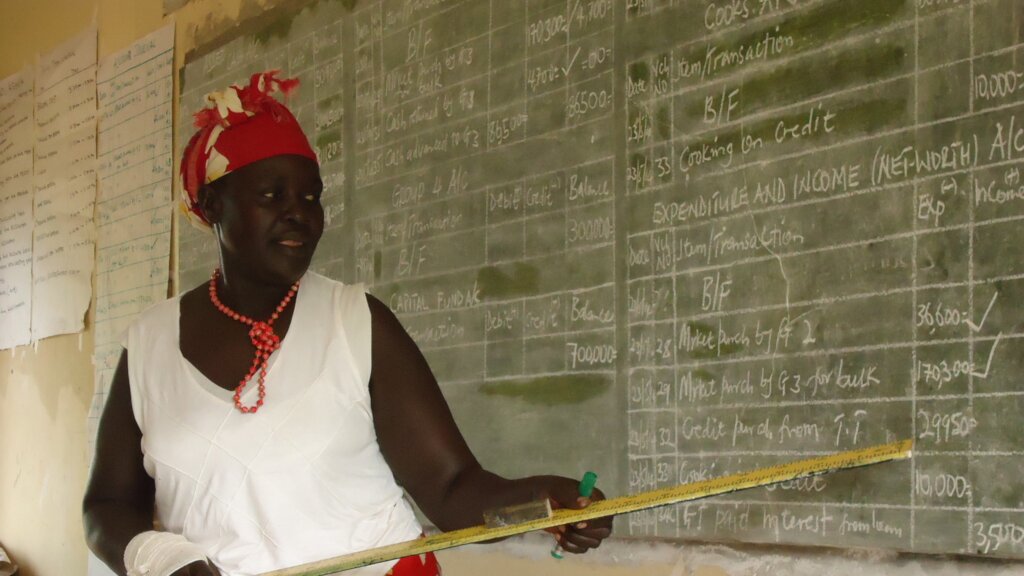
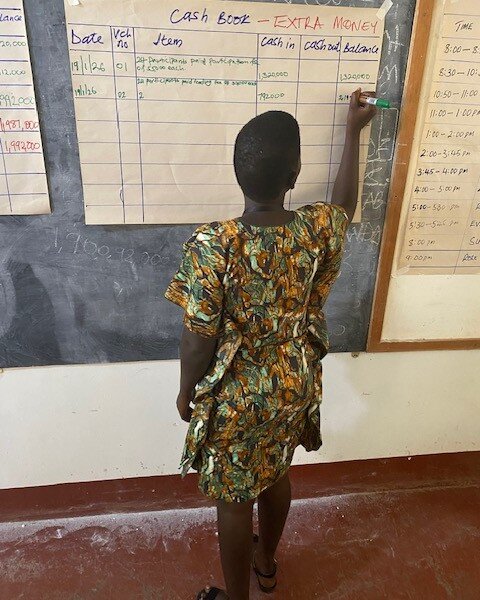
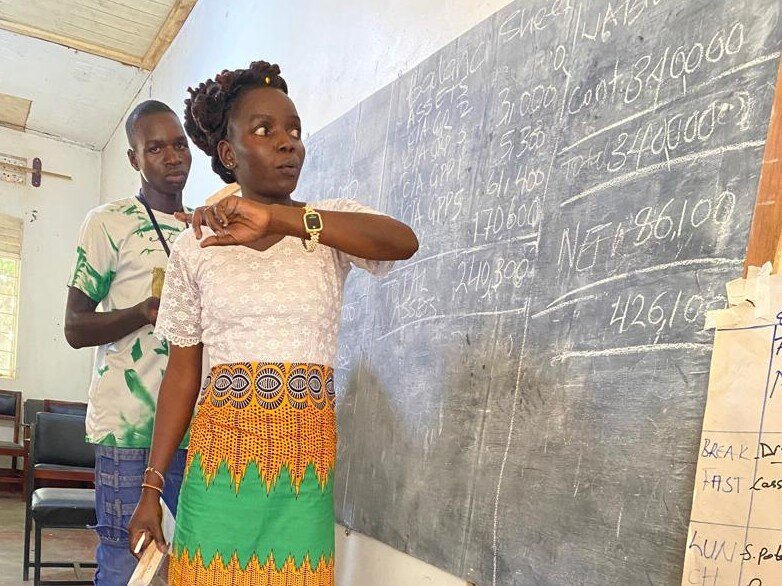
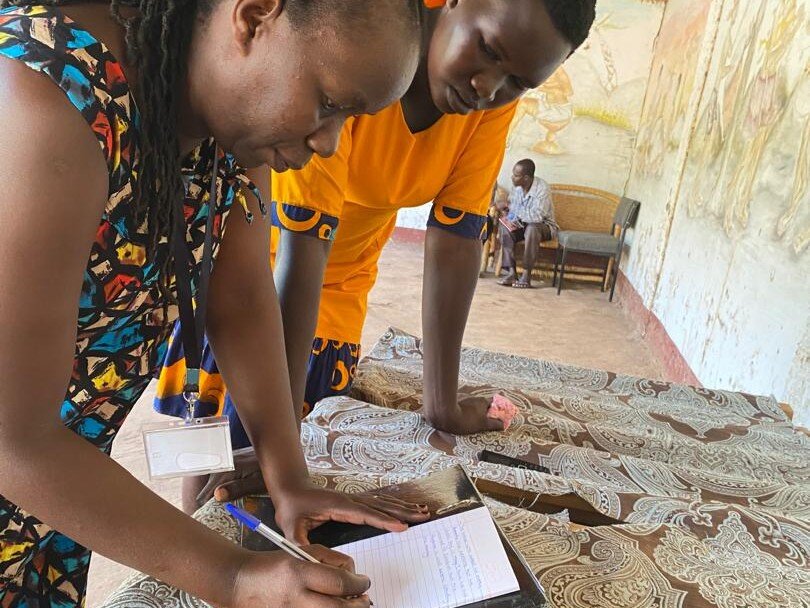
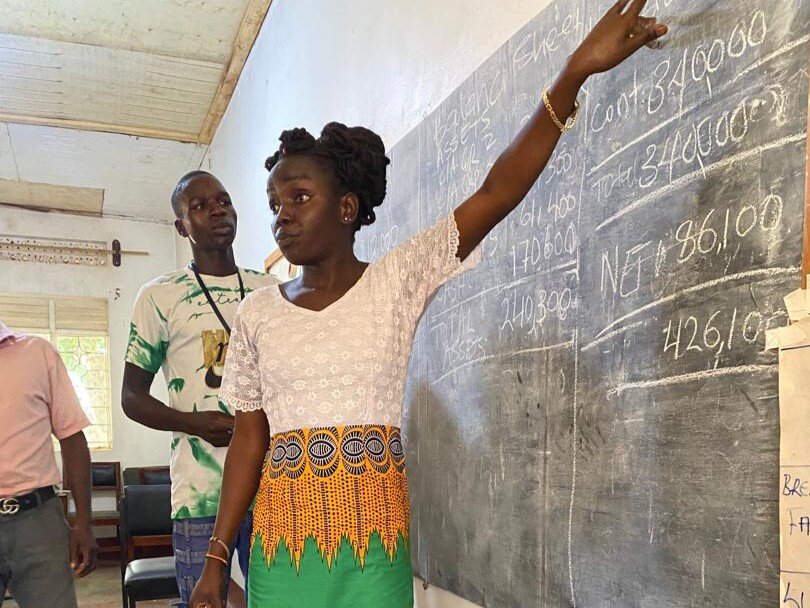
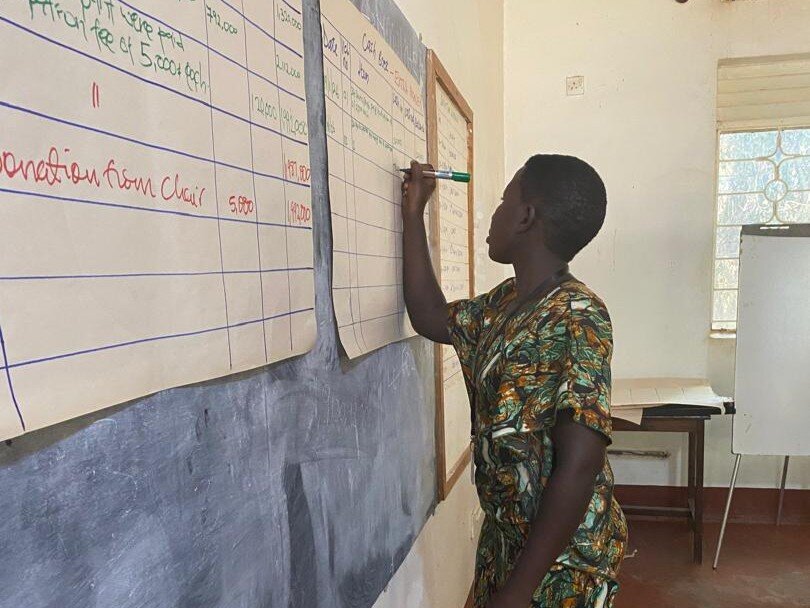
Importantly, in order to make group decisions, we introduced participants to tools for making a balanced menu, budgeting and budget control. They had to and were trained to keep basic financial records, the basis on which they made daily decisions related to their feeding.
It is our expectation that beneficiaries will adopt, adapt and apply at household level the skills-set - practice of frugality, participatory decision-making, transparency to all members, financial recording keeping and budget control, whcih they experienced and practiced during their respective training courses.
Thank you for enabling us make a contribution in improving lives of youth and communities of the poorest region in Uganda, Northern Uganda, still recovery from the long-term effects of the protracted Lords Resistance Army War.
We continue to need your support. Please do consider making a donation once more. And encourage others in your networks to do the same. Much appreciated.
Project reports on GlobalGiving are posted directly to globalgiving.org by Project Leaders as they are completed, generally every 3-4 months. To protect the integrity of these documents, GlobalGiving does not alter them; therefore you may find some language or formatting issues.
If you donate to this project or have donated to this project, you can receive an email when this project posts a report. You can also subscribe for reports without donating.



Support this important cause by creating a personalized fundraising page.
Start a Fundraiser