Project Report
| Jan 11, 2026
Mobile healthcare for vulnerable people
By Theresa Odibu | Executive director
Project Report: Mobile Healthcare for Vulnerable People in Northern Cross River, Nigeria
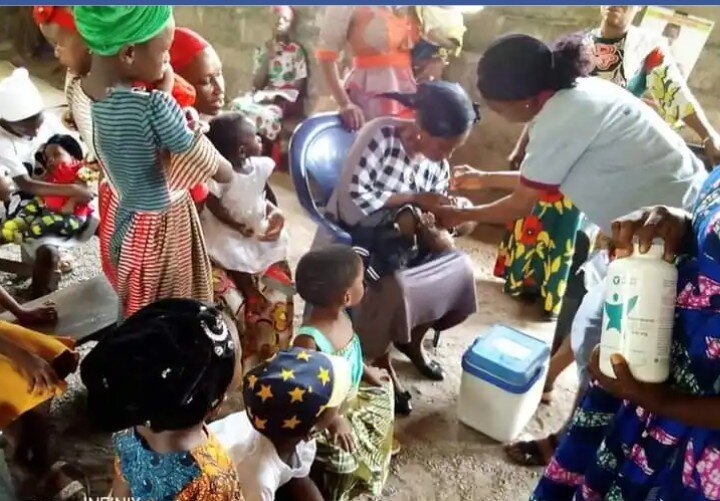
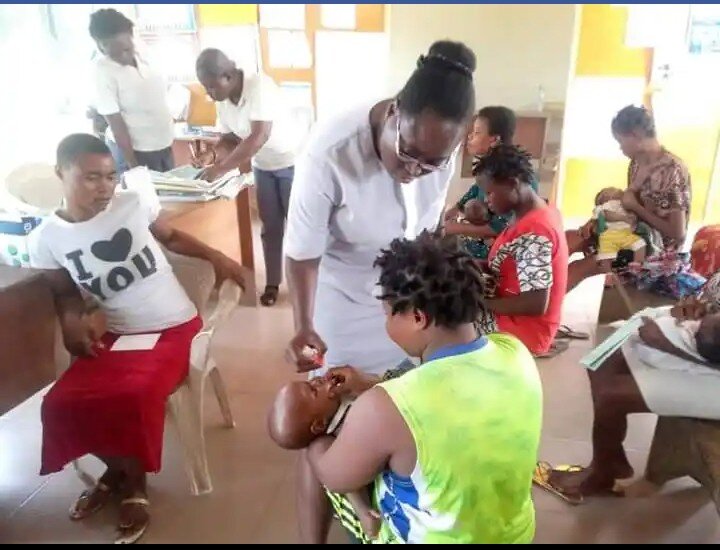
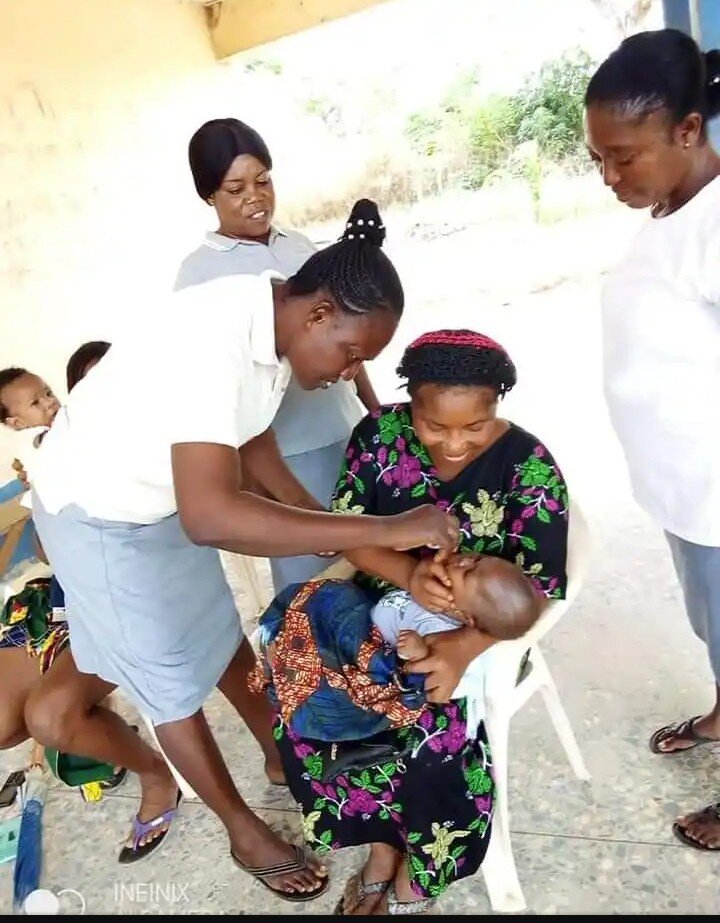
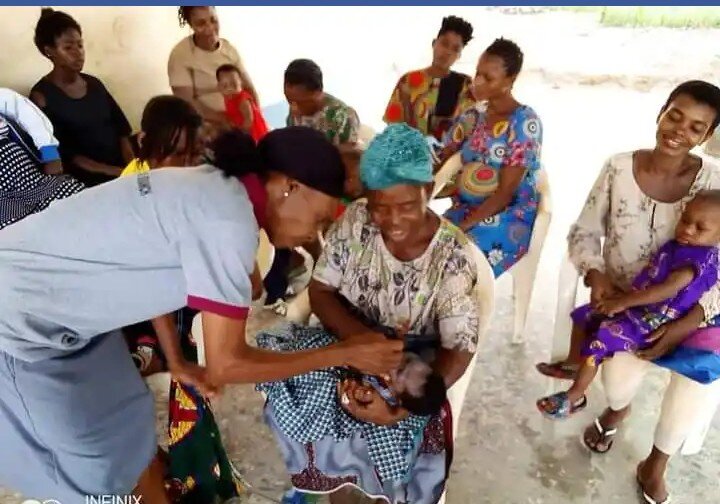
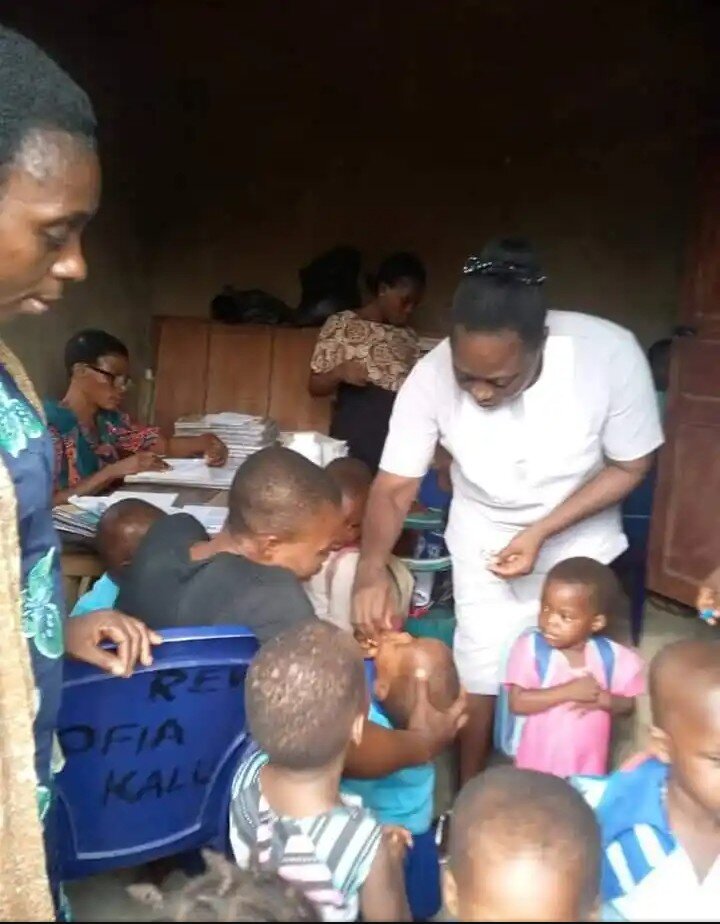
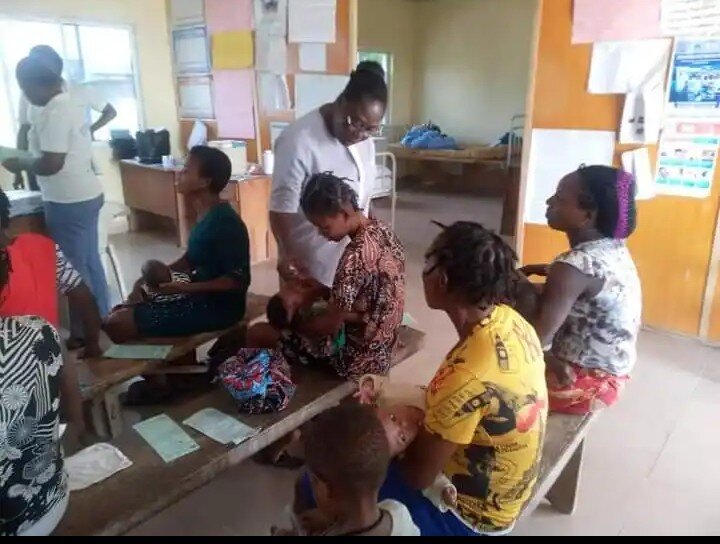
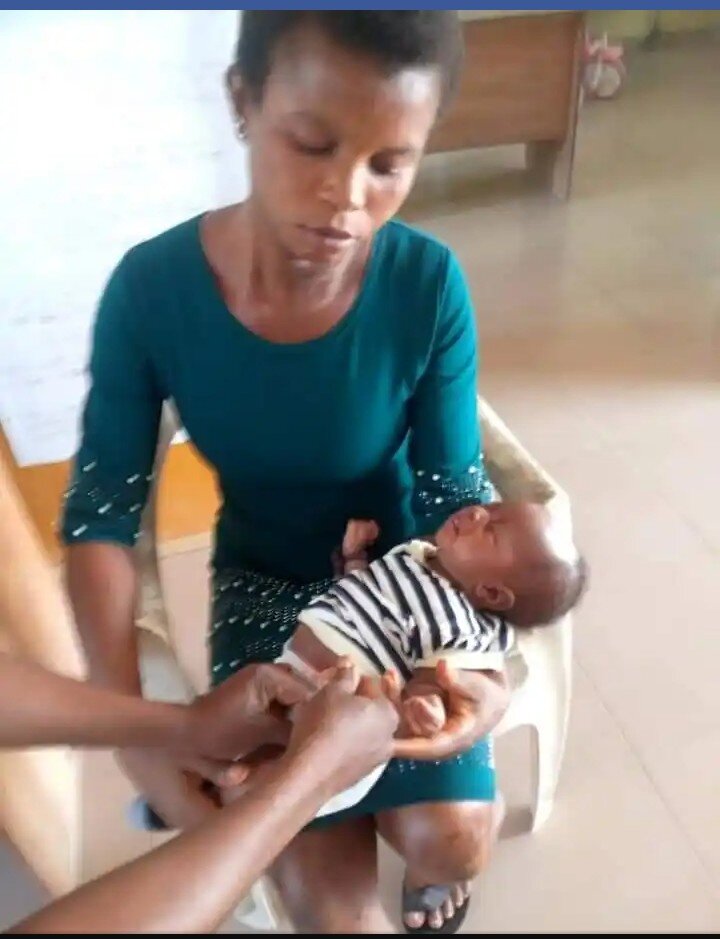
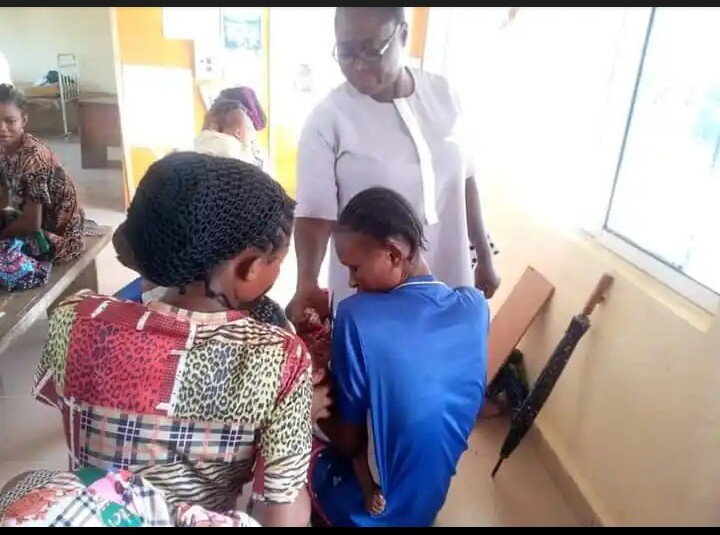
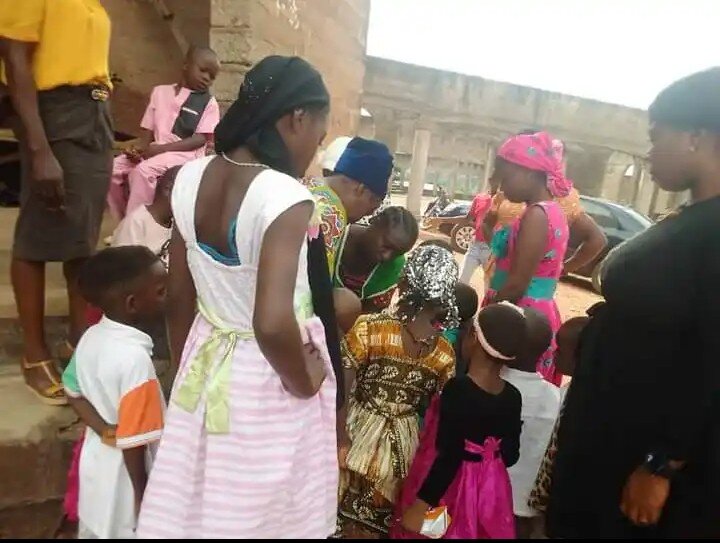
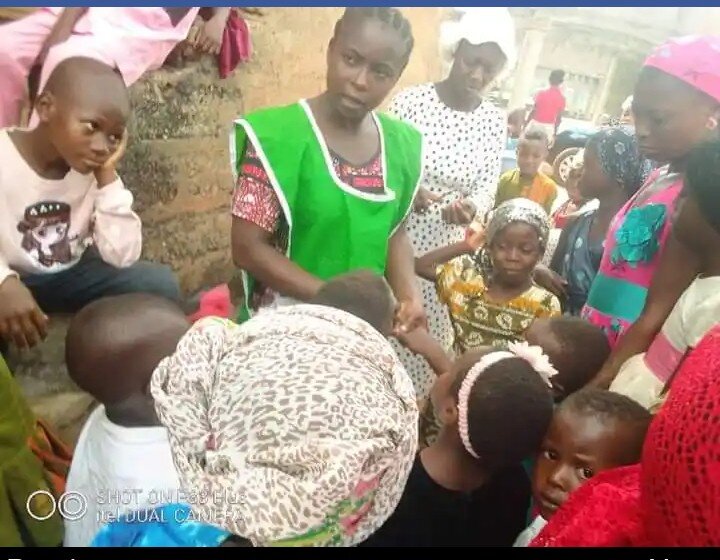
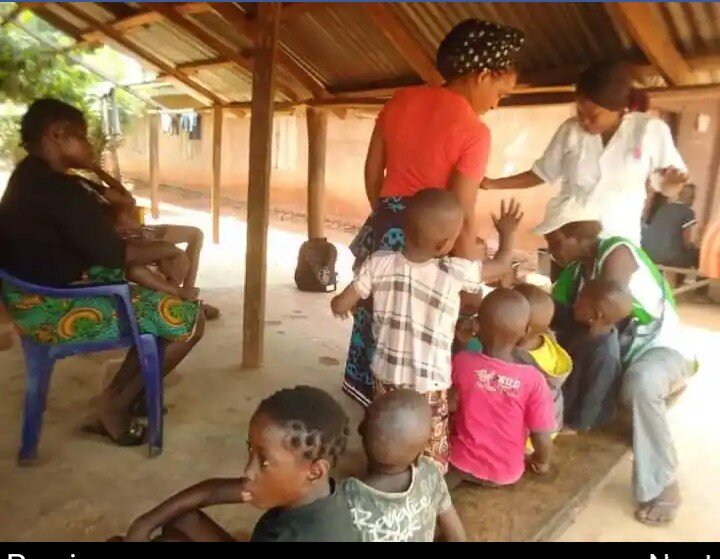
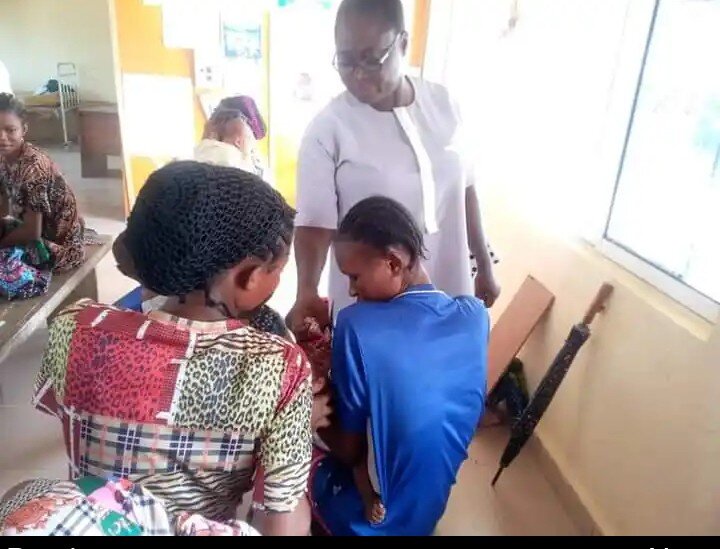
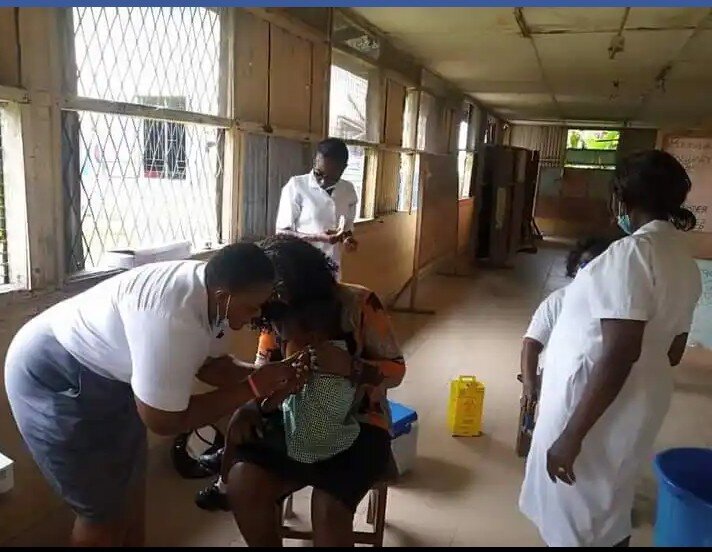
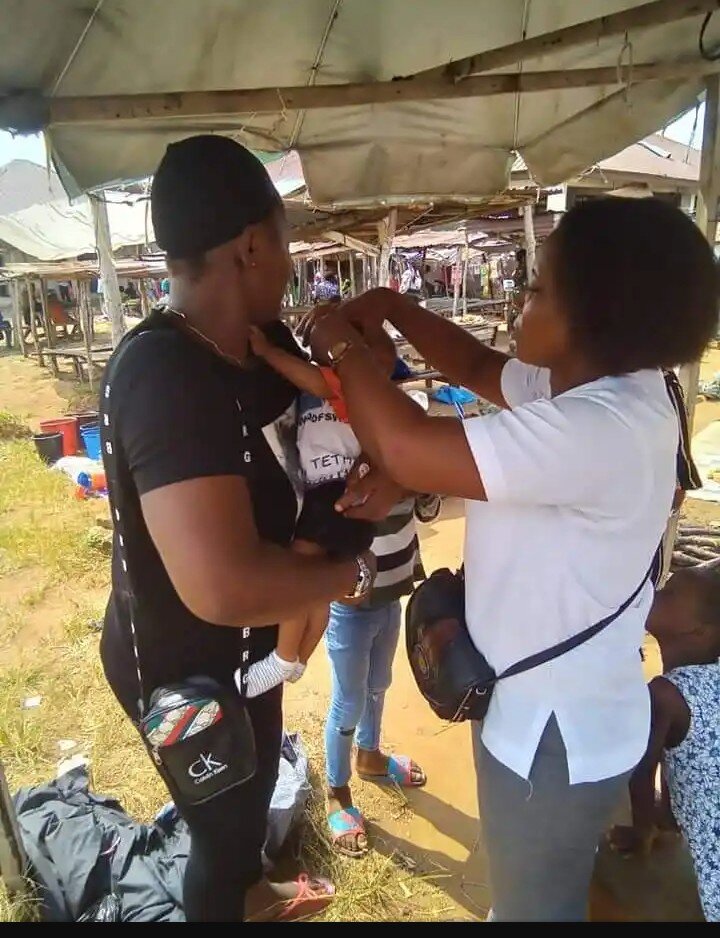
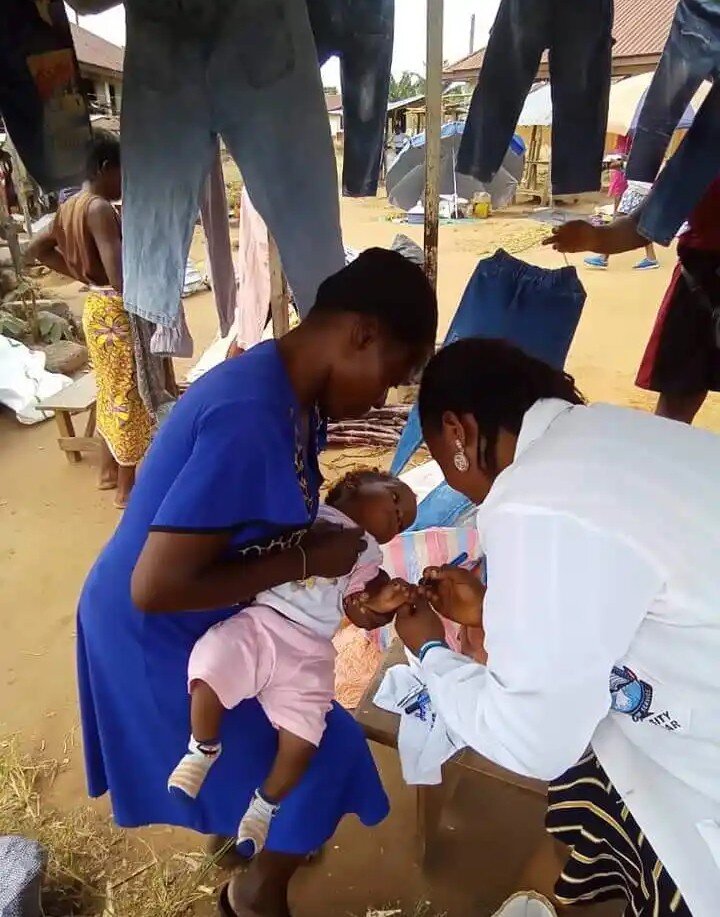
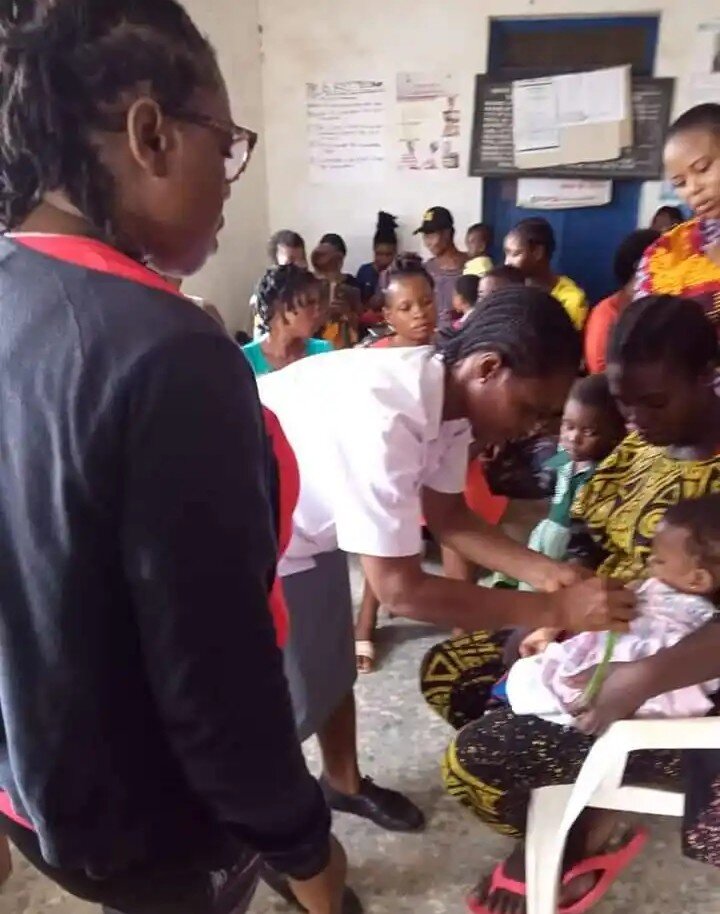
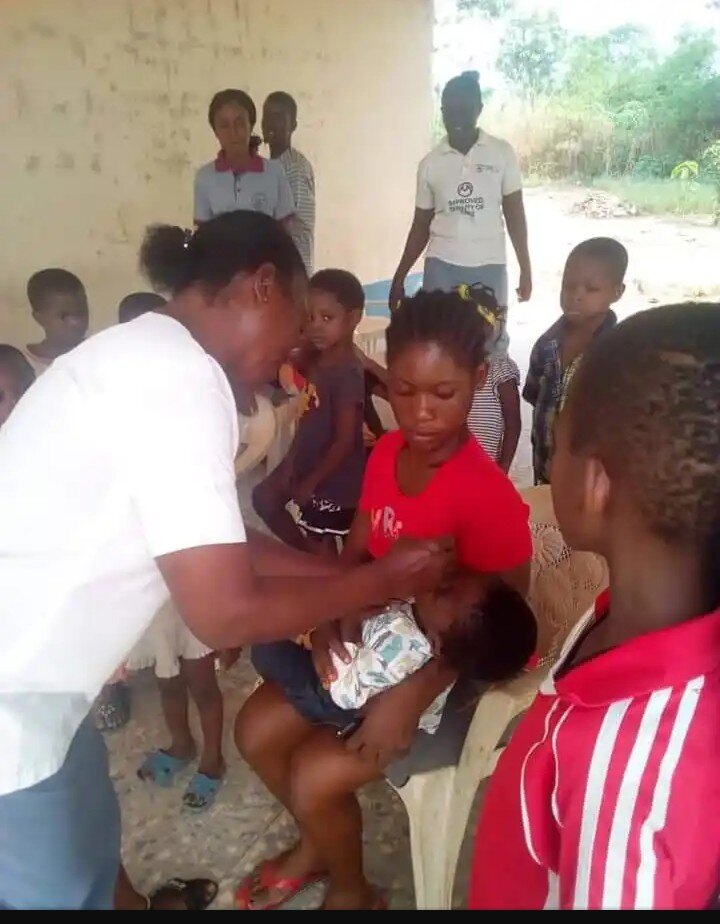
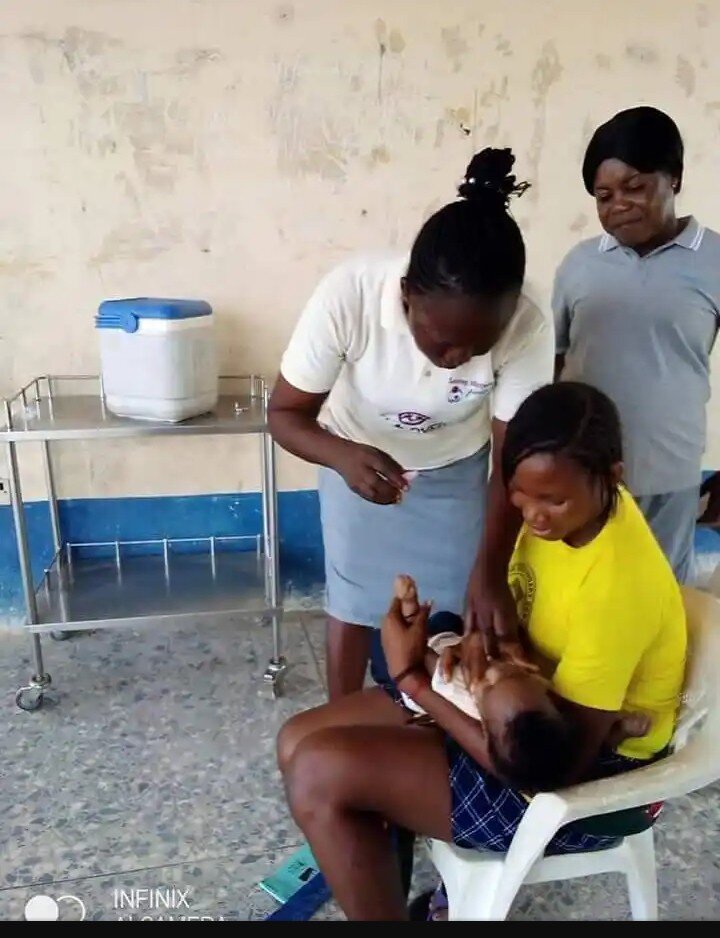
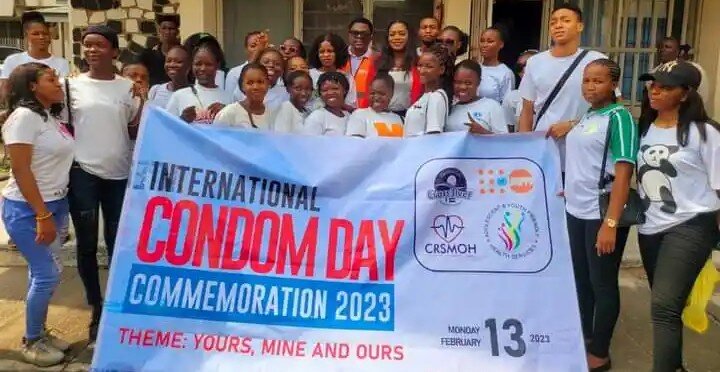
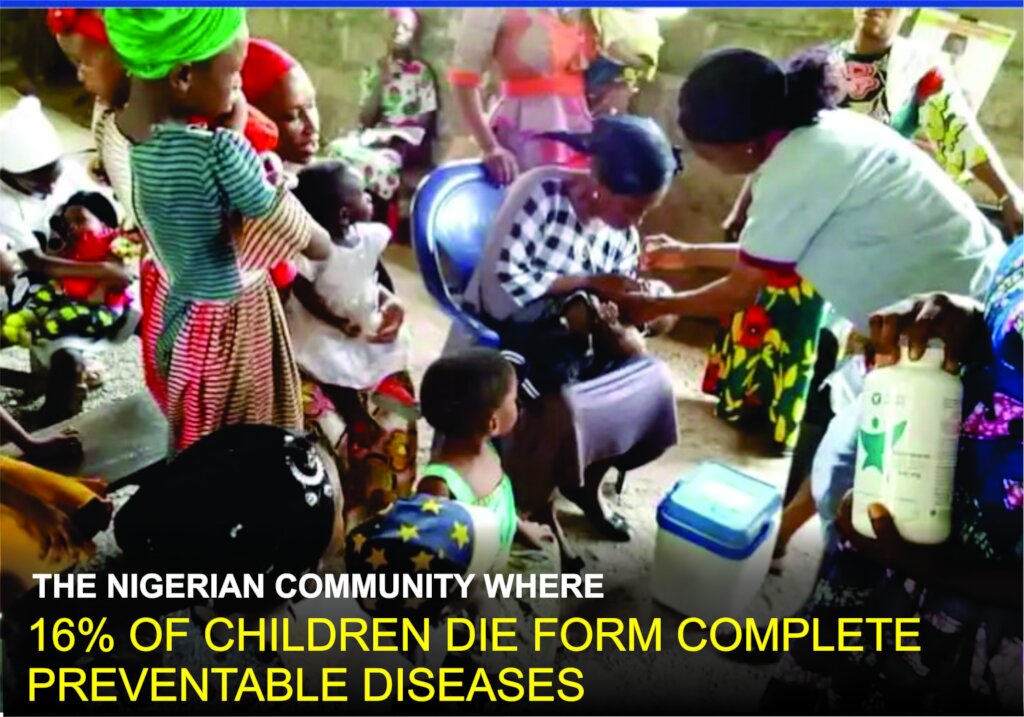
From October to December, our mobile healthcare team delivered essential medical services to vulnerable populations in Northern Cross River, Nigeria. The project reached two remote rural communities that have limited access to formal healthcare facilities. Over 50 patients were served, the majority being women and children. Services provided included general medical consultations, maternal and child healthcare, family planning support, and health education sessions. The intervention improved access to quality healthcare for hard-to-reach communities, reduced the number of untreated illnesses, and increased awareness of key health issues and preventive practices. However, challenging terrain limited access to some areas, and funding constraints affected the scale of services delivered. Moving forward, the project aims to secure partnerships, expand outreach, and strengthen sustainability through deeper community engagement.


Sep 1, 2025
Mobile medical outreach for vulnerable children
By Theresa Odibu | Executive director
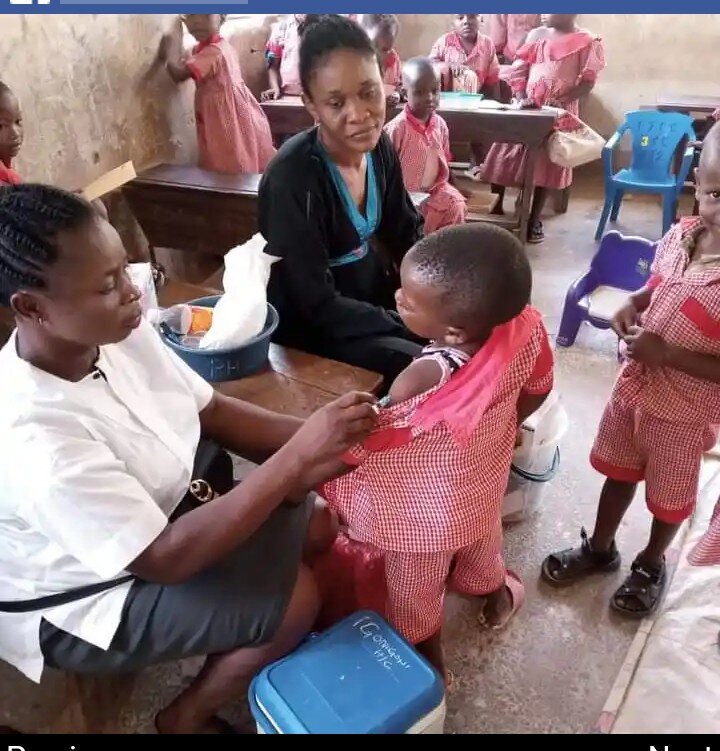
Project Report: Project Title: Mobile Medical Outreach for Vulnerable Children Location: Northern Cross River State. Duration: [June – August 2025] Implementing Organization:Odibu Foundation Report Date:31-08-2025 1. Introduction Access to basic healthcare remains a challenge for many vulnerable children in underserved Nigerian communities. Common illnesses such as malaria, respiratory infections, and skin conditions often go untreated due to poverty, distance from healthcare facilities, or lack of parental support. This project provided basic mobile healthcare services to 16 vulnerable children, focusing on treatment, health education, and preventive care. 2. Objectives To deliver basic medical screening and treatment to 16 vulnerable children. To provide deworming, malaria treatment, and hygiene education. To raise community awareness about child health and preventive care. 3. Target Beneficiaries Number of Children Reached: 16 Age Range: 1 – 12 years Selection Criteria: Orphans, children from internally displaced families, children from poor households with no access to healthcare. 4. Activities Implemented 4.1. Community Mobilization Engagement with local leaders and caregivers to identify children in need. Awareness campaign on the upcoming outreach. 4.2. Mobile Medical Outreach A day-long outreach was held at a central location in the community. Services provided: General health check-up Deworming treatment Malaria testing and treatment Distribution of hygiene kits Nutrition and hygiene education 4.3. Health Education Session Simple talks and demos for caregivers and children on: Handwashing Malaria prevention (mosquito net use) Nutrition basics 5. Key Outcomes 16 vulnerable children received basic medical care and hygiene supplies. Common illnesses (malaria, skin infections) were identified and treated. Deworming and hygiene kits helped prevent future infections. Parents and caregivers gained awareness of child health practices. Community members appreciated the intervention and requested follow-ups. 6. Challenges Faced Some children required more specialized care beyond our mobile scope. Heavy rainfall threatened attendance on the scheduled day. Limited funds restricted the number of children served. 7.Recommendations Future projects should include referral support for serious cases. Consider collaborating with primary health centers for continuity. More funding would allow for higher reach and possible immunization support. 8. Conclusion This mobile healthcare project positively impacted 16 vulnerable children by offering free medical services and promoting preventive health. Small-scale interventions like this are vital in bridging the healthcare gap in underserved Nigerian communities.
May 5, 2025
Mobile Health care for the poorest of the poor
By Daniel Odibu | program Director
![]()
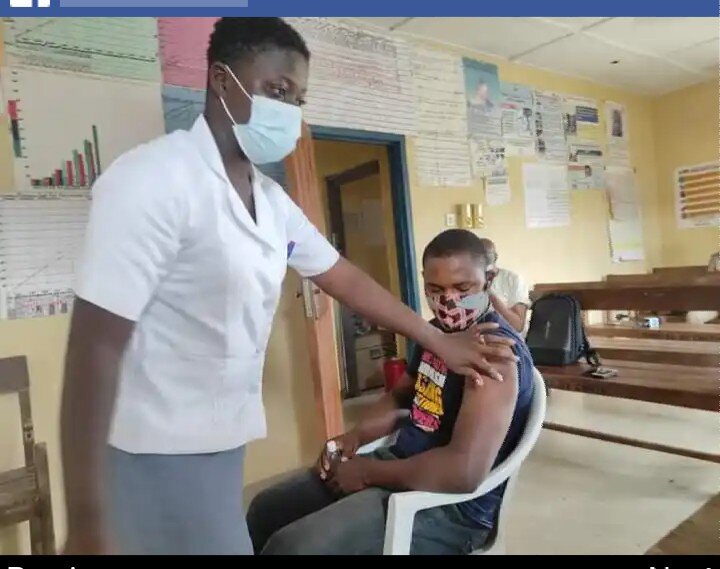
Project Report on Free Mobile Health Services for Vulnerable Populations in Northern Cross River State, Nigeria. Executive Summary This report outlines the implementation and outcomes of the Free Mobile Health Services project carried out in Northern Cross River State, Nigeria, aimed at improving health access among vulnerable populations, including women, children, and the elderly. The project, initiated in January 2025 and completed in May 2025, was designed to provide essential health services, health education, and preventive care to communities with limited access to healthcare facilities. Project Goals and Objectives 1. Increase access to essential healthcare services for vulnerable populations in remote areas. 2. Promote health education and awareness about common health issues. 3.Strengthen referral systems for more serious health conditions. Project Activities 1. Community Engagement and Mobilization: - Conducted community meetings to raise awareness about the project. - Collaborated with local leaders to identify vulnerable populations and encourage participation. 2. Mobile Health Clinics: - Conducted monthly health camps in identified communities, offering services including maternal and child health, immunizations, and screening for hypertension and diabetes. 3. Monitoring and Evaluation: - Established metrics for success, including number of patients served, health indicators improved, and community feedback. - Conducted surveys before and after the interventions to assess impact. Achievements 1. Health Services Provided: - Served over 86 individuals across 5 communities in Northern Cross River State. - Conducted over 100 health screenings, identifying chronic conditions in 61 individuals who were referred to local hospitals for further care. 2. Increased Health Awareness: - Distributed more than 300 health education pamphlets. 3. Strengthened Community Trust: - Successfully established partnerships with local authorities, which enhanced community trust and participation in health services. - Received positive feedback from 90% of the participants regarding the accessibility and quality of the services provided. 4. Sustainable Practices: - Initiated a local volunteer health committee to sustain health education and support initiatives in the communities. - Collaborated with existing healthcare facilities to ensure referrals and continuity of care. Challenges Faced - Limited availability of resources, including medical supplies and transportation. - Relying on community engagement for participation posed challenges in reaching the most marginalized individuals. - Occasional security issues restricted access to certain remote areas. Recommendations 1. Sustainability Measures: - Identify long-term funding sources to establish regular mobile health services. - Train additional healthcare workers to expand service capacity. 2. Enhanced Community Collaboration: - Foster greater collaboration with NGOs and governmental bodies for resource sharing. - Continuously engage community leaders to maintain trust and drive health initiatives. 3. Regular Monitoring and Evaluation: - Implement an ongoing evaluation framework to review and improve health service delivery. Conclusion The Free Mobile Health Services project has significantly improved access to essential health care for vulnerable populations in Northern Cross River State. By reaching underserved communities and providing health education, the project not only addressed immediate health needs but also laid the foundation for ongoing health promotion efforts. Continued support and collaboration are necessary to sustain these gains and further enhance health outcomes in the region.