By Desiree Obimpe | Communications Manager
There's nothing more precious in the labor ward to a mom and midwife than the first cry of a baby. That first cry, an old village adage says, is perhaps the realization by the baby that they are further away from the creator.But the cry is also, undoubtedly, an announcement of the miracle of life.
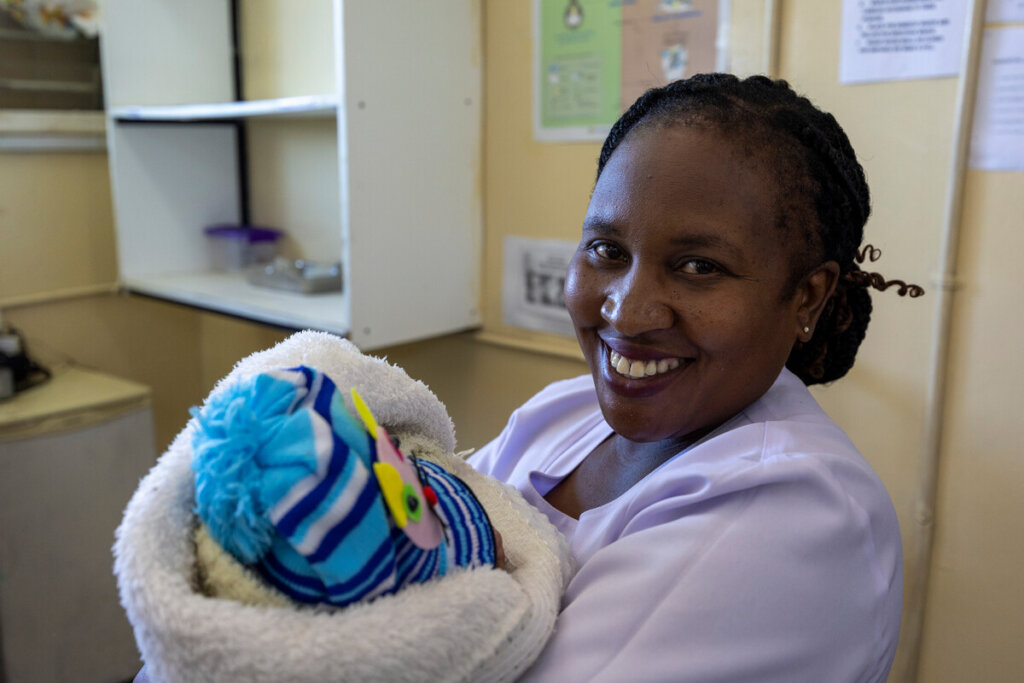
Patricia has been a midwife and a nurse for over twenty years, and she never gets over the first piercing shriek of a newborn baby as she holds it in its fragility. Asa senior health care worker at New Masala Health Center in Ndola City innorthern Zambia, she manages the maternity healthunit serving a community of over 54,000 people. Despite resource shortages and a high patient load, she tirelessly jugglesover 400 births a month, delivering an average of twelve babies a night.
For Patricia, it is more than work that she reports to, it isa calling to save lives and support women. As a young girl, she would dance in an oversize nurse uniform borrowed from her aunt, who worked at the big hospital in a nearby town.
Labor Ward Emergencies
At the labor ward, Patricia attends to a newborn with a tag on one tiny hand.High windows stare down at the emergency cupboard inthe corner and a humming resuscitator at the end of the room. Itis quiet with a lingering tension that something remarkably powerful happened in the room.
Just hours earlier, the labor ward was in emergency mode when Patricia discovered that the baby had respiratory issues and could not breathe properly after delivery. The situation led to a chain of actions—what Patricia calls "the magic of midwives"—as they worked together to help the baby to breathe normally. As the mother holds the now-stable baby, Patriciafeels relief as the happy mom gets to go home with her baby girl.
"When the mom is expecting, it's as if the midwife is expecting too" Patricia reflects. When there are delays in childbirth, Patricia often feels anxious and paces in and out of the ward. "When the delivery takes longer thanexpected, it is an extremely stressful moment for both the mother and me as a midwife."
Shortage of midwives
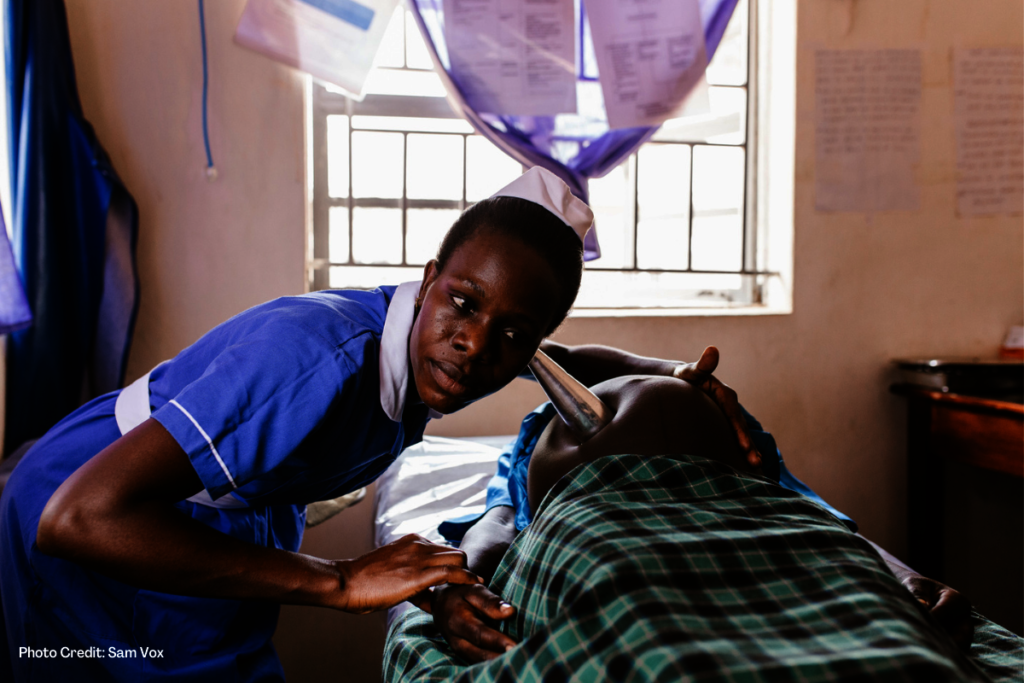
Due to apersistent shortageof healthcareworkers at the clinic, Patricia and othermidwives at the New Masala Clinic find themselves stretched thin as they try to attend to numerous mothers in need, especially in situations where multiple expectant mothers are on the brink of delivery at the labor ward. On many occasions, Patricia has juggled between several mothers on the verge of delivery at the labor ward.
"There are moments when you find yourself alone in the maternity wing, and there are ten mothers on the verge of delivery," notes Patricia.
Such scenarios are typical of the critical conditions faced by midwives in clinics where resources are stretched to their limits.
Closing the Gap:Training more healthcare workers
Amref's 'Closing the Gap' project equips healthcare workers like Patricia to promptly address pregnancy complications and emergencies, enhancing their ability to detect issues like high blood pressure early on. This targeted training enables them to manage emergencies locally, reducing the need for referrals to major hospitals.
Midwives, like Patricia, play a crucial role in supporting mothers throughout the entire reproductive process, from preconception to postnatal care. Expanding training initiatives for healthcare workers, such as Patricia, contributes to better newborn survival and overall maternal and child health. Midwives go beyond attending births, providing comprehensive care that includes antenatal and postnatal support, family planning, detection and treatment of sexually transmitted infections, and sexual and reproductive health services for adolescents. This multifaceted approach ensures respectful care while upholding women's rights.
Patricia emphasizes the need to have more midwives trained to handle these unforeseen risks or emergencies. And equally important is having specialized health care workers to look after the population.
Thanks to donors like you, Amref has been able to continue to train midwives, preventing many maternal and newborn deaths, and improving other health services to those that need it the most.
Project reports on GlobalGiving are posted directly to globalgiving.org by Project Leaders as they are completed, generally every 3-4 months. To protect the integrity of these documents, GlobalGiving does not alter them; therefore you may find some language or formatting issues.
If you donate to this project or have donated to this project, you can receive an email when this project posts a report. You can also subscribe for reports without donating.



Support this important cause by creating a personalized fundraising page.
Start a Fundraiser