By Kym Park | Chief Communication Officer
Pro-microfinance is pleased to present a new project, The Community Shamba Project, developed by several of its board members.
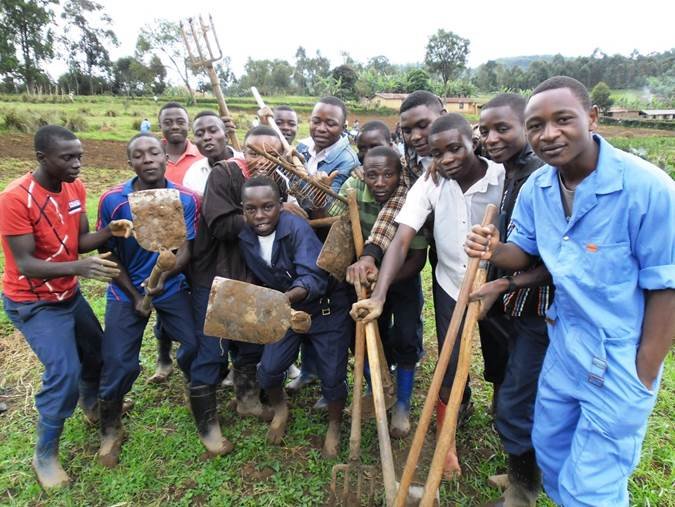
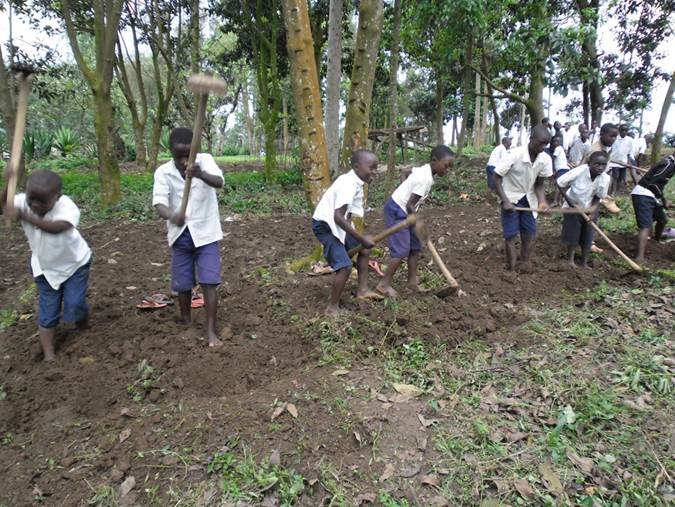
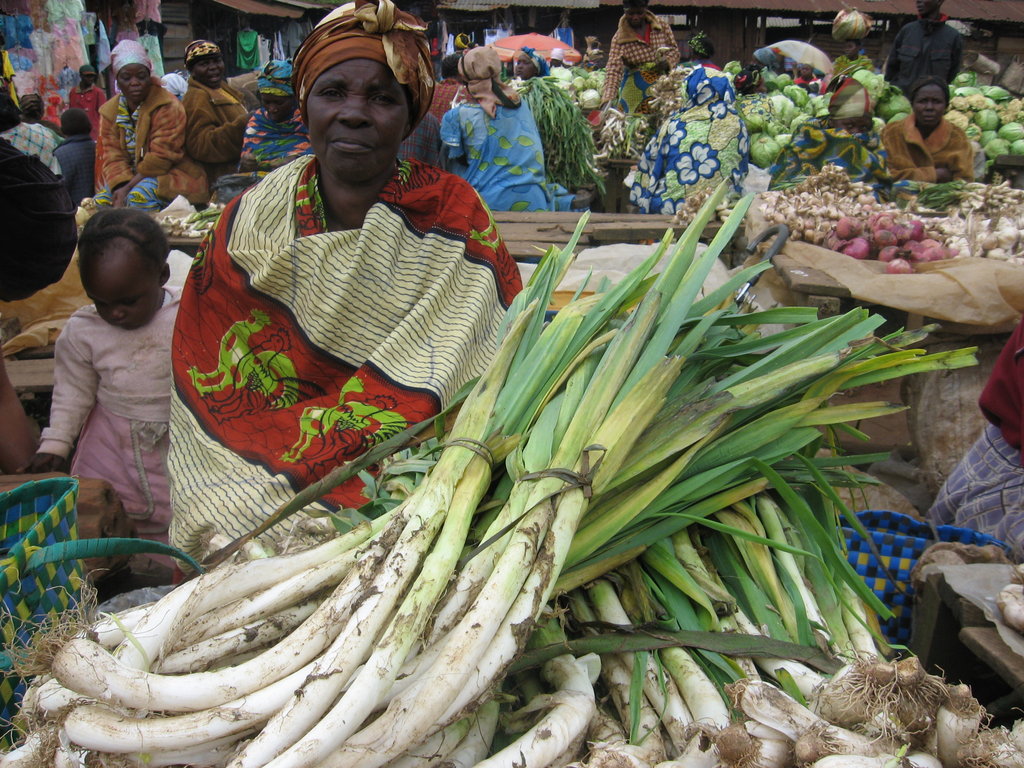
The Community Shamba Project is an initiative to create a collaborative network of school gardens that use sustainable, integrative agriculture practices, based on the principles of Permaculture. The word “Shamba” means farm” in Swahili. The initiative will start with a pilot project in the city of Butembo in the Northeastern region of the Democratic Republic of Congo (DRC) in Central Africa.
Permaculture design empowers people to strengthen the connections between aspects of life such as food, shelter, water, sanitation, community and local economics to reduce work and the need for income generation while increasing overall abundance through mutually supportive and productive systems.
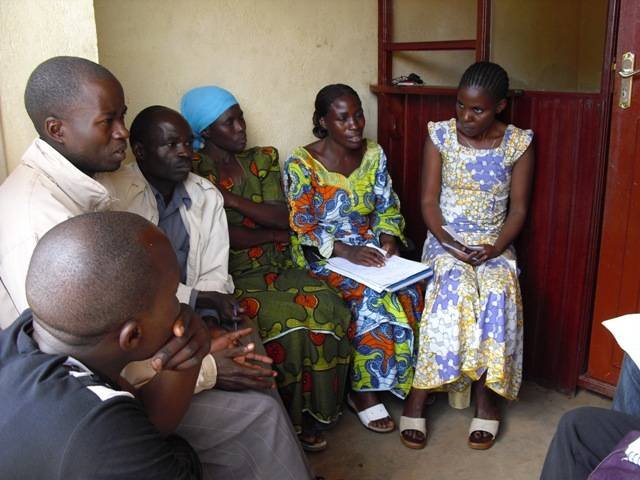
This project will be launched with a two-week, hands-on permaculture design training in October 2014. Thirty participants will be selected from local schools, communityorganizations and farm cooperatives.
The course will be led by Aaron Kalala and Joseph Lentunyoi, certified Permaculture Design Instructors.
Joseph is the lead trainer and consultant for PRI-Kenya, bringing a wealth of teaching experience to the table. Joseph has experience teaching and implementing permaculture in a variety of contexts, from the drylands of Laikipia and Somaliland to the coast of Tanzania and the varied landscapes of California.
Aaron is from the DRC, and recieved his Permaculture Design Certificate in 2007 in Tanzania, taught by Geoff Lawton. Since then, he has trained over 56 women on growing food and conservation in the Congo Basin and has participated in numerous other trainings. Aaron also established a Permaculture demonstration garden at an eco-village located in Uvira, DRC. He speaks French, English, Swahili, and Lingala and other local DRC languages.
The Fall 2014 initiative will be the first of what will become a network of sustainable gardens using Permaculture design principles to create food security, increase self-sufficiency, and honor the environment with integrative agriculture principals.
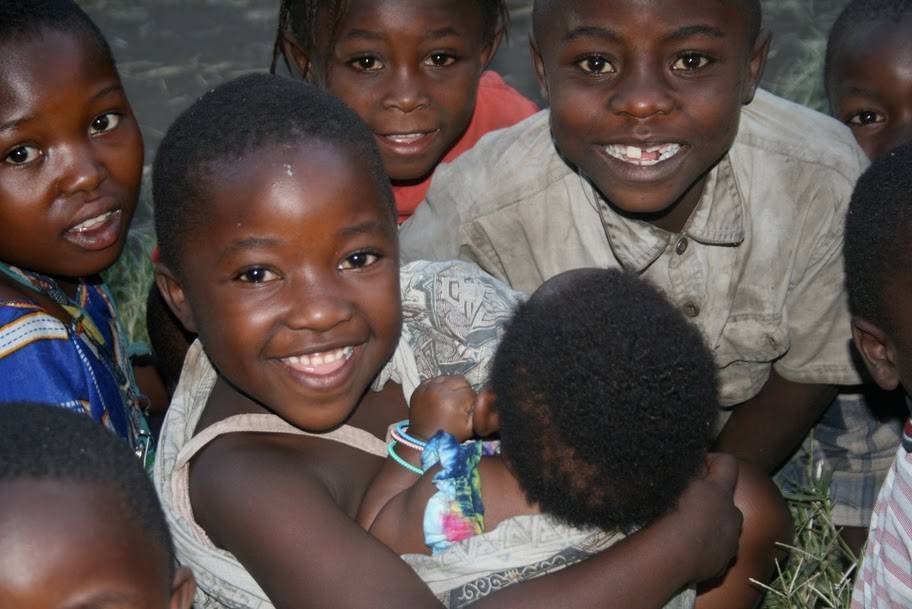
DRC is one of the most malnourished countries in the world, and many children rely on the meals they receive at school to sustain them. Having future gardens for food production located within the schools will give children access to healthy food, while at the same time being able to learn and implement the soil-enriching techniques found in Permaculture, so that a greater variety of food can be grown with an increased nutritional value. This can provide families long-term food producing self-sufficiency, and will help in reducing depletion of the surrounding ecosystem.
Your donation will be instrumental in helping our organization to provide our recipients with agricultural training and tools that lead to building strong families and communities.
With many thanks in advance for your generous support.
In appreciation,
Kym Park,
PMI Board Secretary
Project reports on GlobalGiving are posted directly to globalgiving.org by Project Leaders as they are completed, generally every 3-4 months. To protect the integrity of these documents, GlobalGiving does not alter them; therefore you may find some language or formatting issues.
If you donate to this project or have donated to this project, you can receive an email when this project posts a report. You can also subscribe for reports without donating.