By Madhulika Dhindaw | Operations Manager
Project Overview
Mental health and wellbeing are fundamental to every individual’s personal growth, academic achievement, and social development. For adolescents, these years are critical in shaping identity, self-worth, and emotional resilience. Nurturing mental health during this phase enables young people to build essential coping skills, regulate emotions, and engage positively with peers, family, and community.
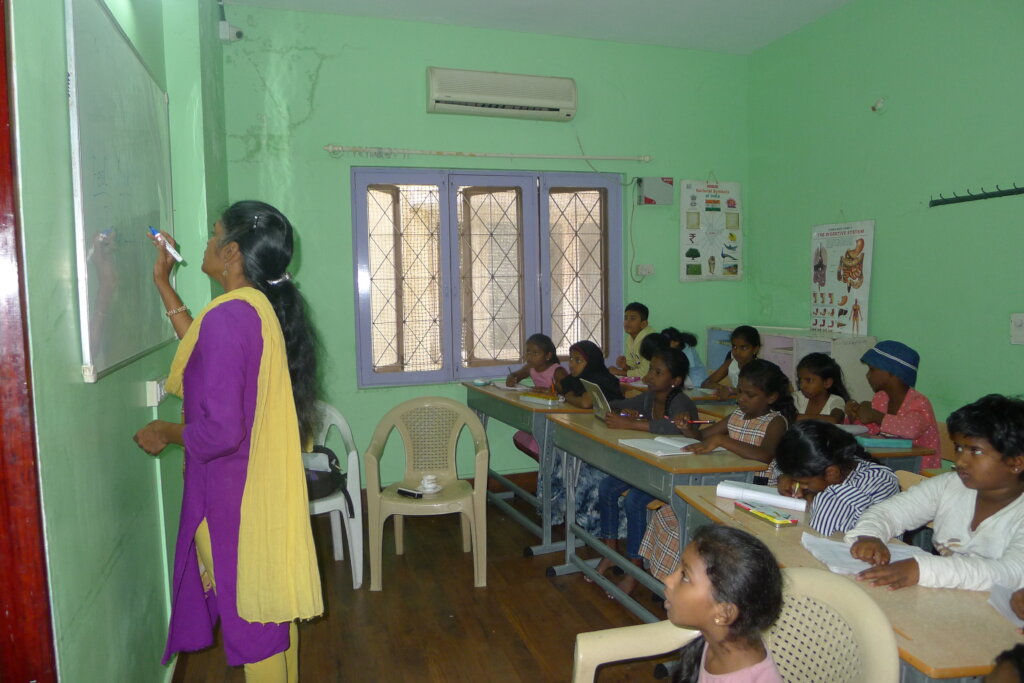
At Ashwini Charitable Trust (ACT), we understand the importance of the holistic development of an individual, which apart from education, includes fostering the mental well-being in our children. ACT plays a vital role in creating safe spaces for students to explore and express their feelings. By integrating mental health support, ACT not only enhances learning outcomes but also ensures that students develop a well-rounded sense of self, empowered to make informed, healthy decisions.
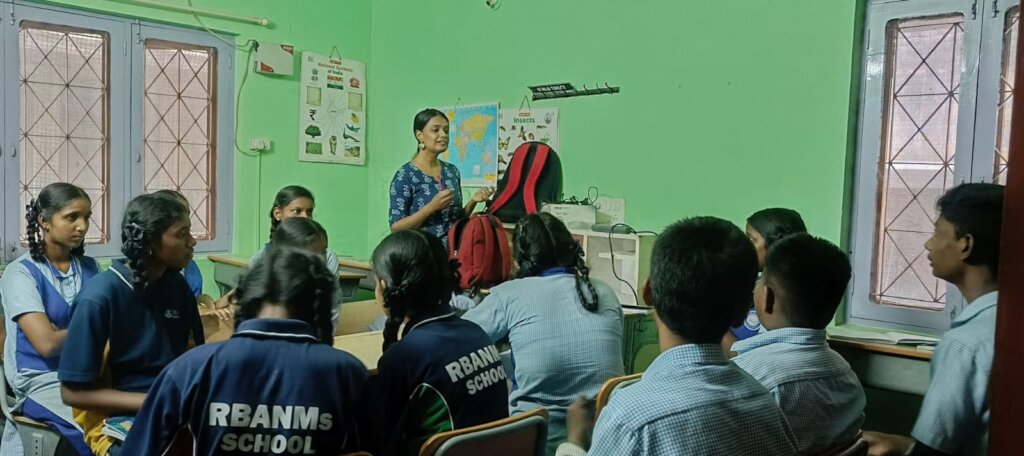
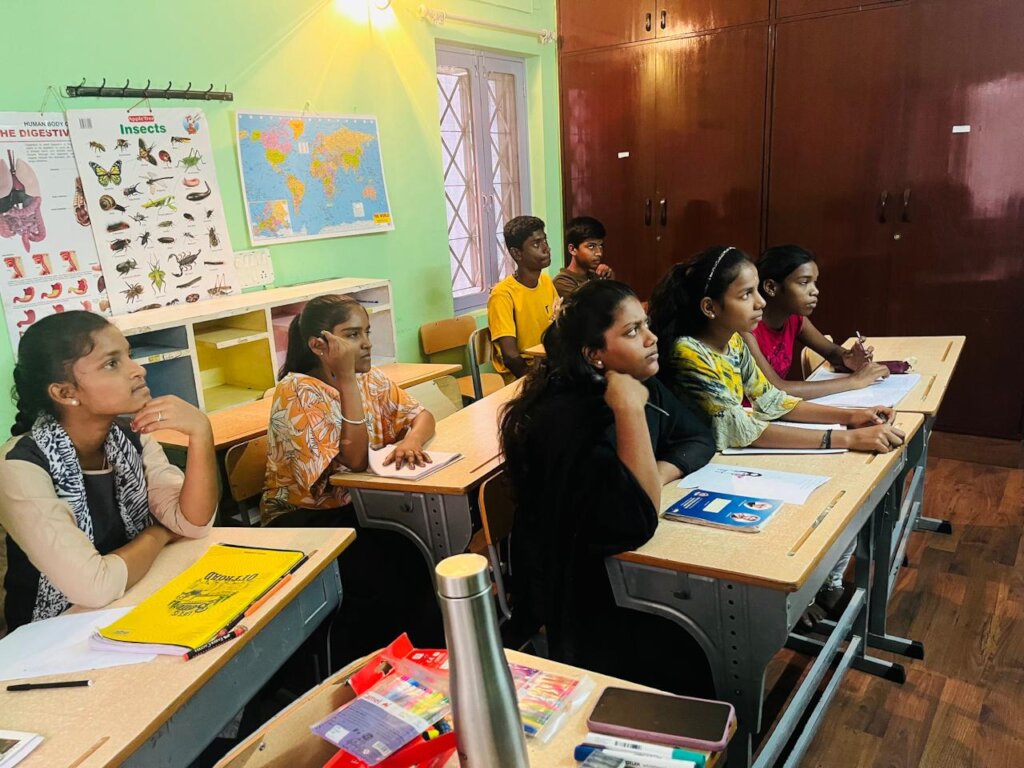
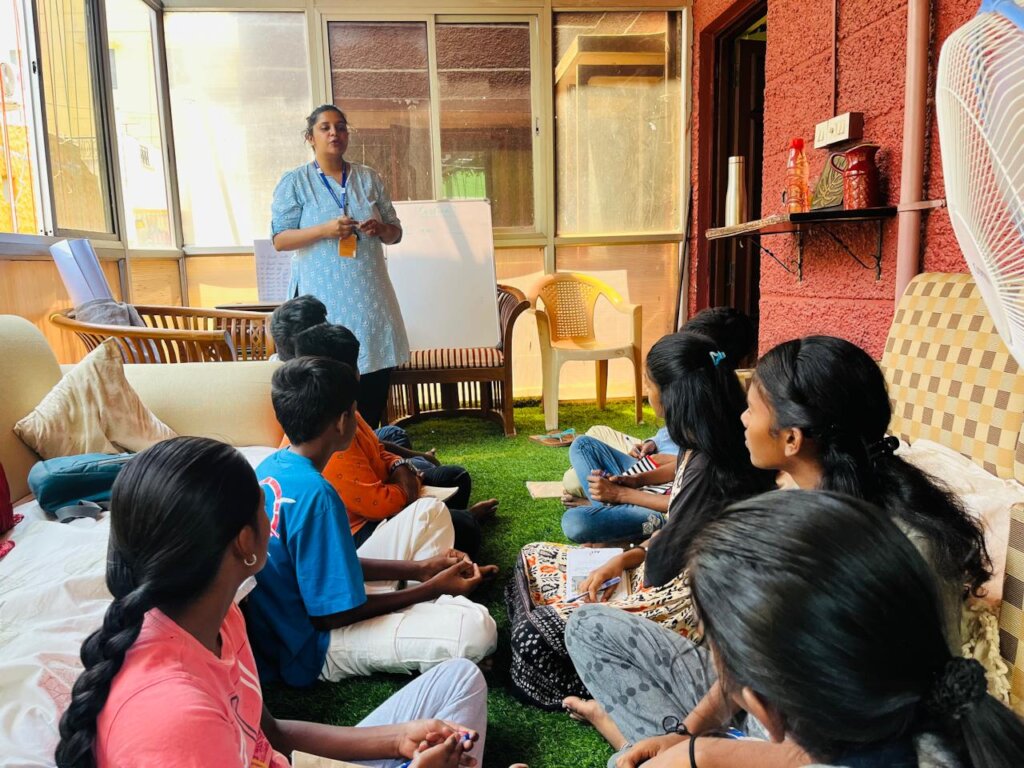
Our partnership with The Listens Collective (TLC), a team of mental health professionals, has enabled us to establish Project Bloom, a program aimed at supporting the mental health and emotional well-being of adolescent students in Grades VIII and IX. Through structured sessions, Project Bloom empowers students to explore and understand themselves, building critical thinking and social skills.
Project Goals and Objectives - Project Bloom aims to provide emotional support and self-reflective skills to adolescent learners, enabling them to navigate challenges specific to their age group.
The program's primary objectives include:
1. Increasing Self-Awareness, Self-Regulation, and Self-Expression
2. Enhancing Interpersonal Communication and Interaction Skills
These objectives are designed to foster the development of healthy relationships, promote self-expression within social contexts, and encourage a holistic sense of self in relation to peers, educators, and family members.
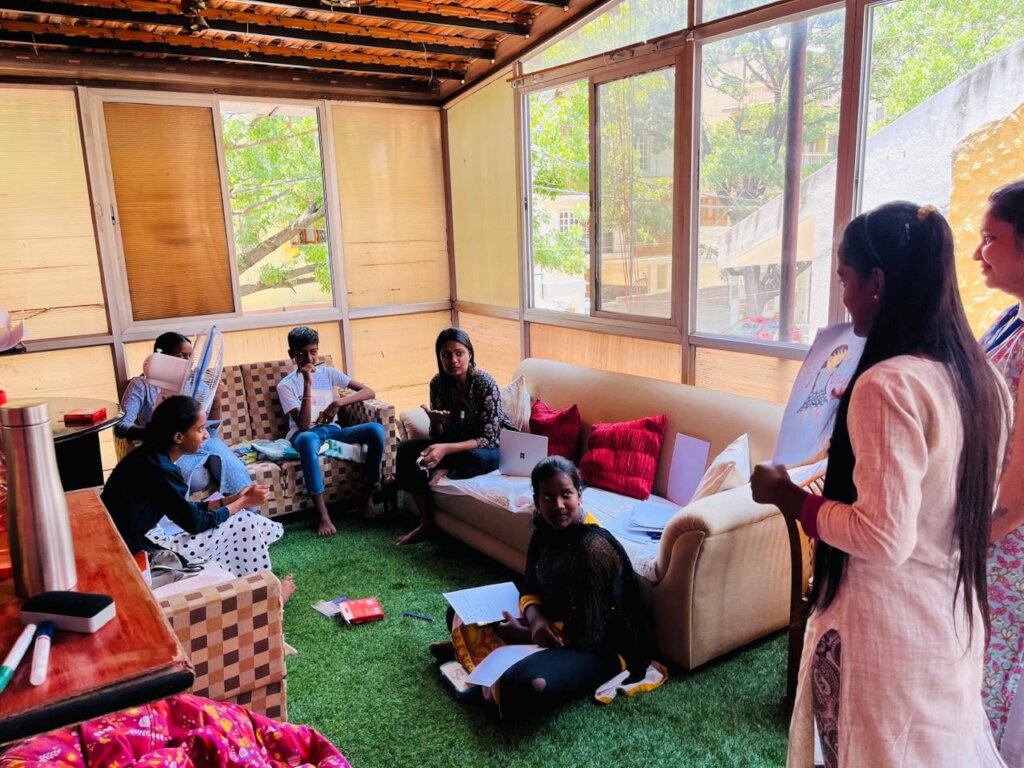
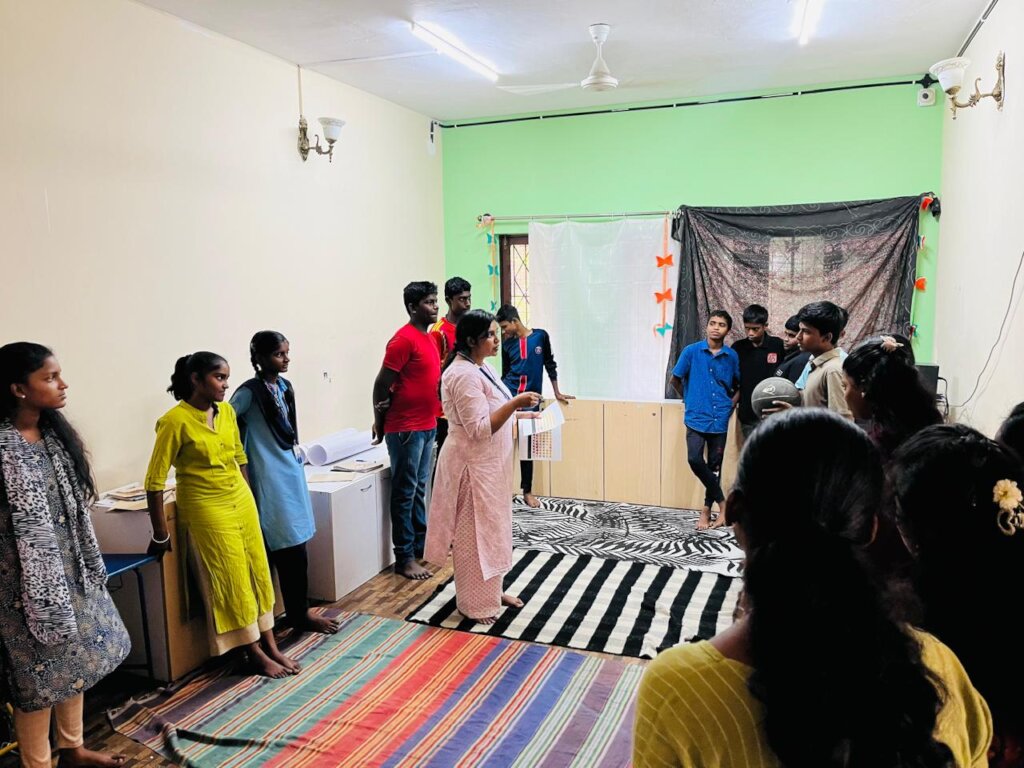
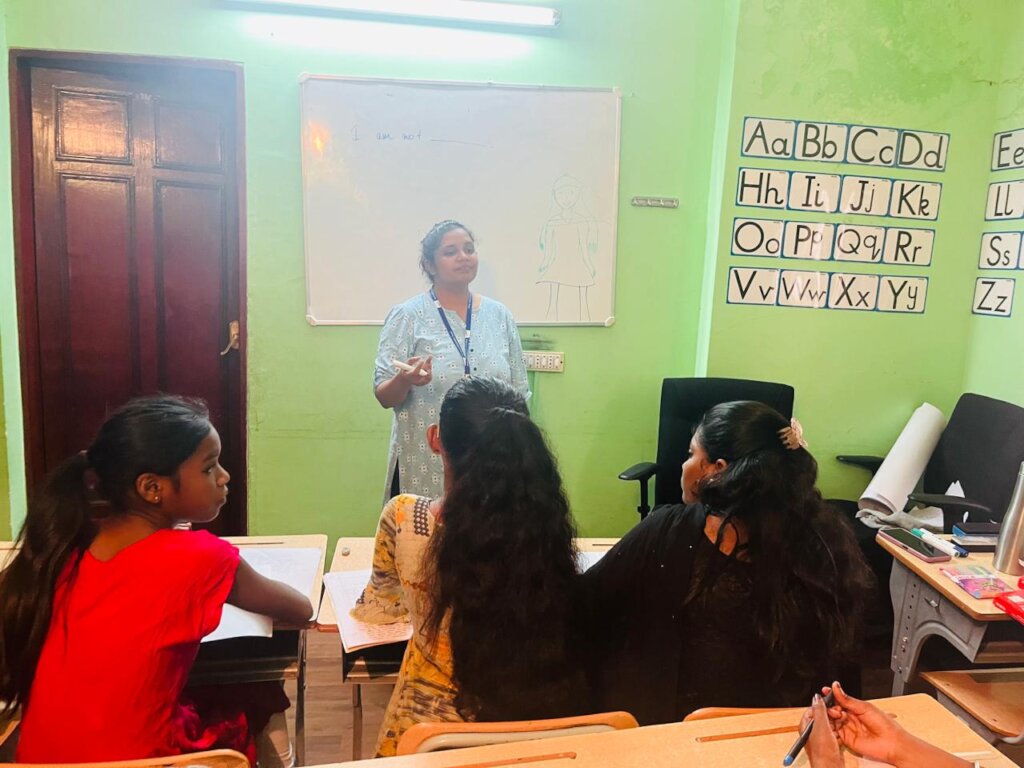
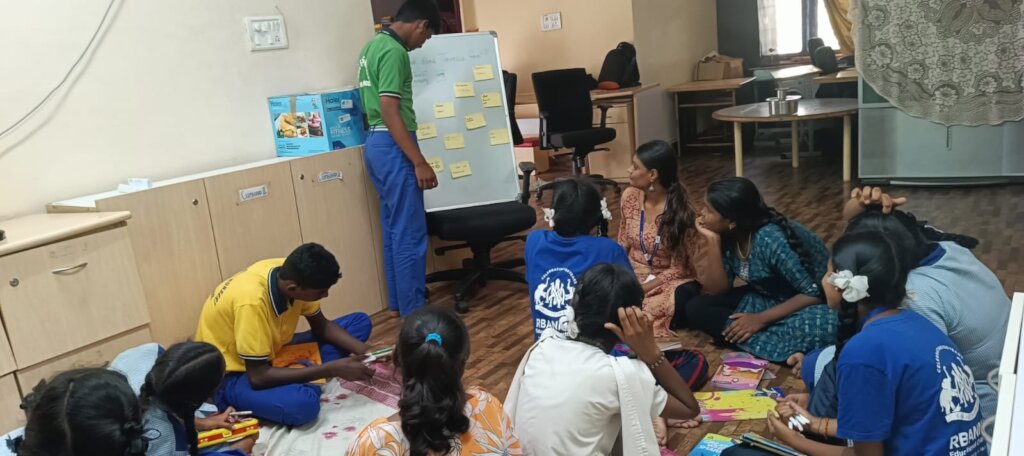
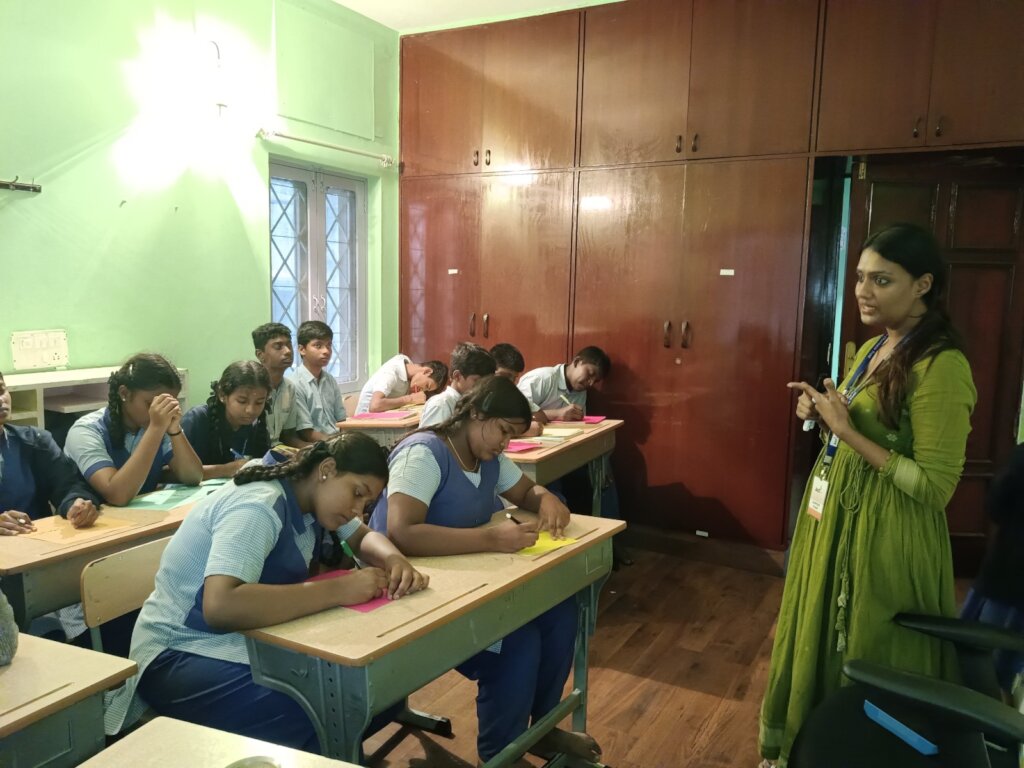
Program Design and Implementation - The Project Bloom, commenced in April 2024 with a baseline assessment to gauge the students’ existing knowledge, attitudes, and behaviours. The 40 participating students—17 from Grade VIII and 23 from Grade IX—were divided into four cohorts of 10 each. This group-based approach provides a safe and supportive environment that encourages self-expression, peer engagement, and interactive learning.
Each session within Project Bloom is tailored to help students:
- Identify and Express Emotions: Through exercises focused on emotional literacy, students learn to recognize, label, and articulate their emotions.
- Practice Self-Reflection: Activities encourage students to explore their thoughts, feelings, and aspirations, providing a foundation for self-discovery.
- Enhance Social Interactions: Group activities help students practice empathy, improve communication, and develop healthier relationship dynamics.
- Understand the Importance of Healthy Relationships: Students learn to set personal boundaries and build connections based on mutual respect.
Outcomes and Progress - Based on the baseline and endline surveys, notable shifts have been observed in areas related to self-awareness, self-regulation, and expression among the participants. Key progress highlights include:
- Increased Self-Awareness: Students have shown an improved ability to identify and articulate their emotions and feelings.
- Improved Self-Regulation: Participants have demonstrated better emotional control, responding more thoughtfully to interpersonal situations.
- Enhanced Interpersonal Skills: Students report an increased understanding of effective communication and healthier peer interactions.
Impact and Insights - Project Bloom has not only supported the emotional and mental well-being of participants but has also provided valuable insights into the mental health challenges faced by adolescents within our communities. Through structured reflection and peer interaction, students have displayed a growing curiosity in self-exploration, which has facilitated:
- Better Social Integration: Students are more confident in expressing themselves within group settings.
- Healthier Peer Relationships: Improved understanding of healthy relationship dynamics has been observed.
- Strengthened Support Structures: The program has fostered a nurturing environment within ACT, providing adolescents with consistent, compassionate support from both peers and facilitators.
Conclusion - Project Bloom under Resilient Minds has played a pivotal role in enriching the mental well-being of adolescents at ACT, equipping them with essential skills for self-awareness, emotional regulation, and interpersonal communication. We look forward to building on this foundation and sustaining our commitment to nurturing resilient, mentally strong individuals who are better prepared for future challenges. We would like to thank all our donors for supporting this project.
Project reports on GlobalGiving are posted directly to globalgiving.org by Project Leaders as they are completed, generally every 3-4 months. To protect the integrity of these documents, GlobalGiving does not alter them; therefore you may find some language or formatting issues.
If you donate to this project or have donated to this project, you can receive an email when this project posts a report. You can also subscribe for reports without donating.



Support this important cause by creating a personalized fundraising page.
Start a Fundraiser