By Mr. Seang Leap | Project Coordinator
The Progress Report
Of Project Operation Unchain (POU)
Period of reporting: January - March, 2016.
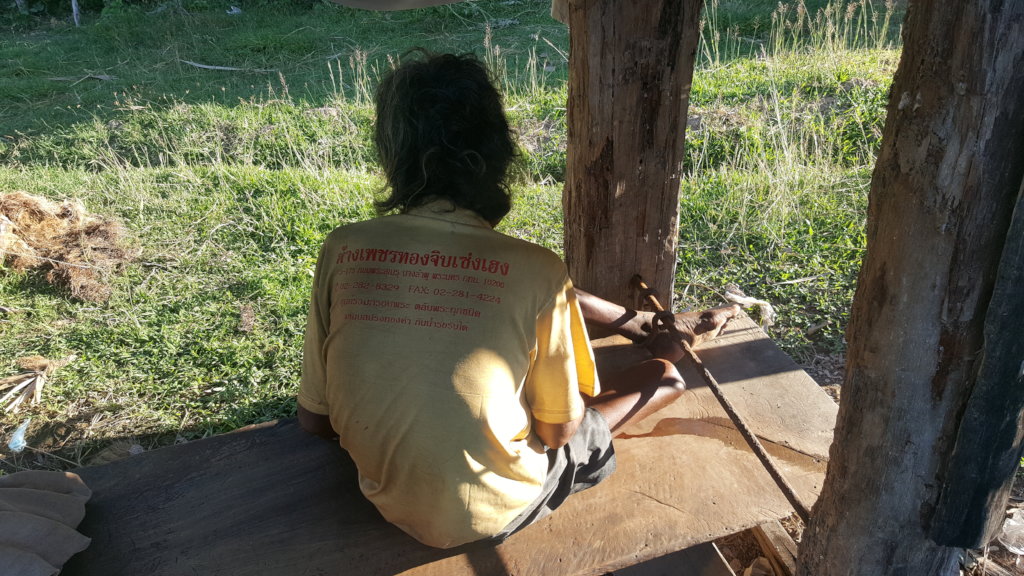
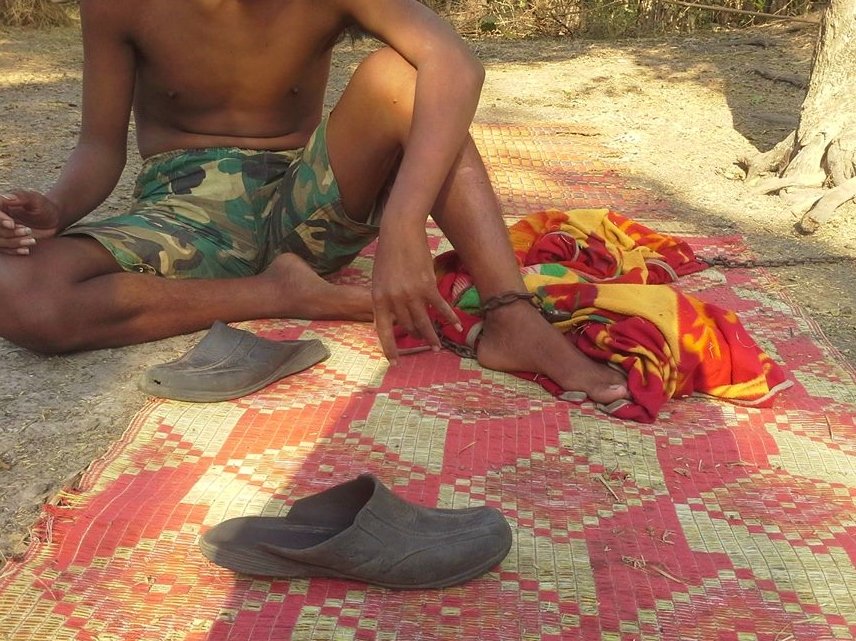
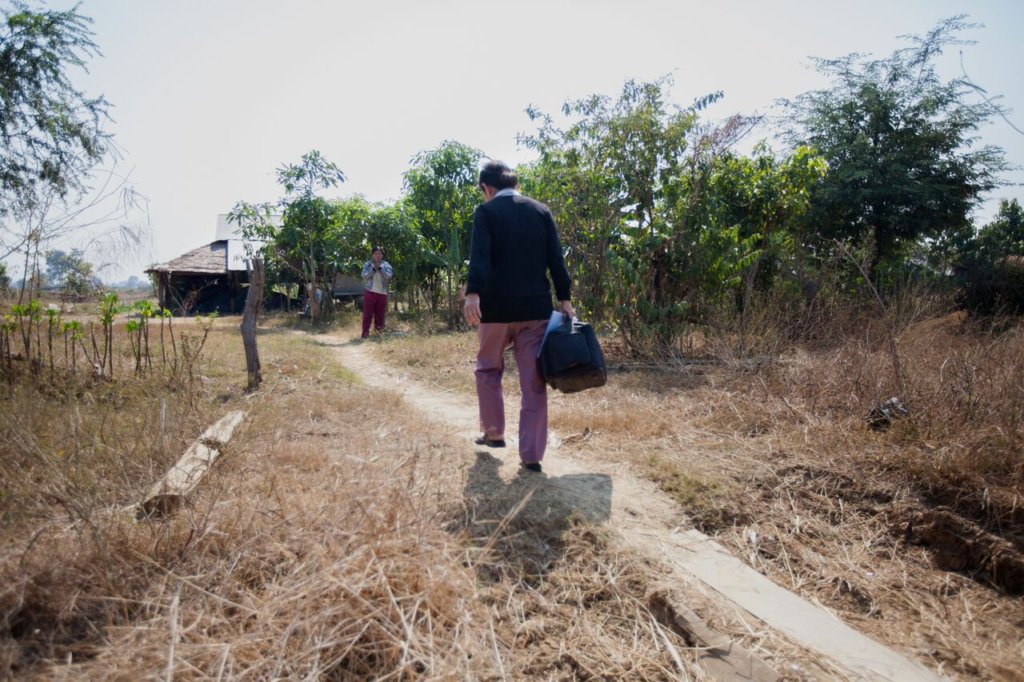
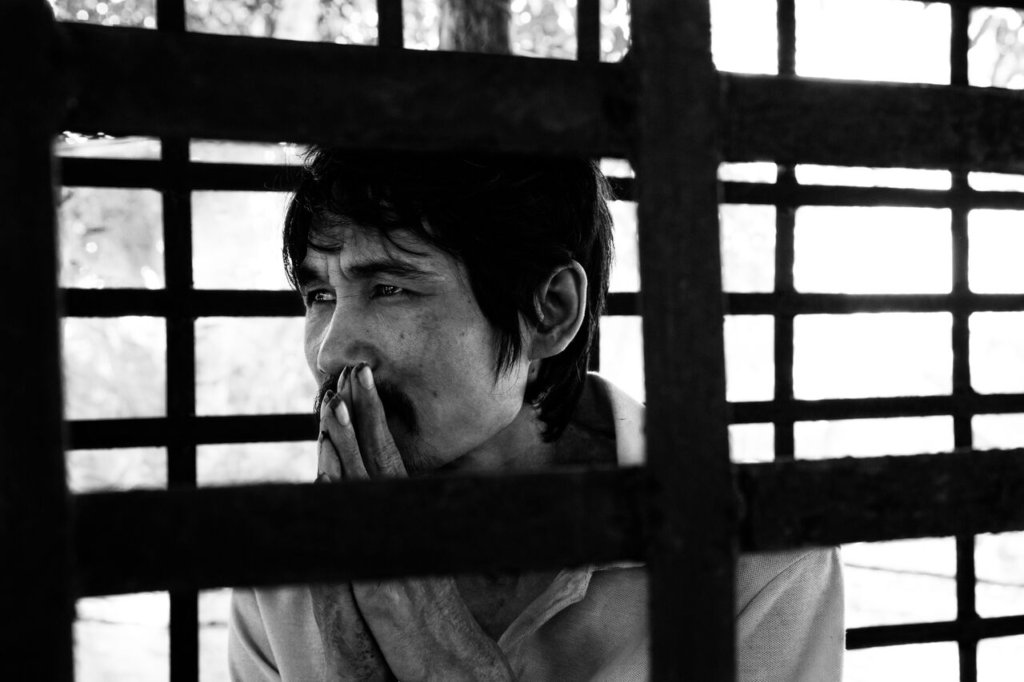
1. The specific objective: To improve mental health and eventually free mentally ill patients who have been locked up due to their mental illness or due to the lack of access to appropriate treatment.
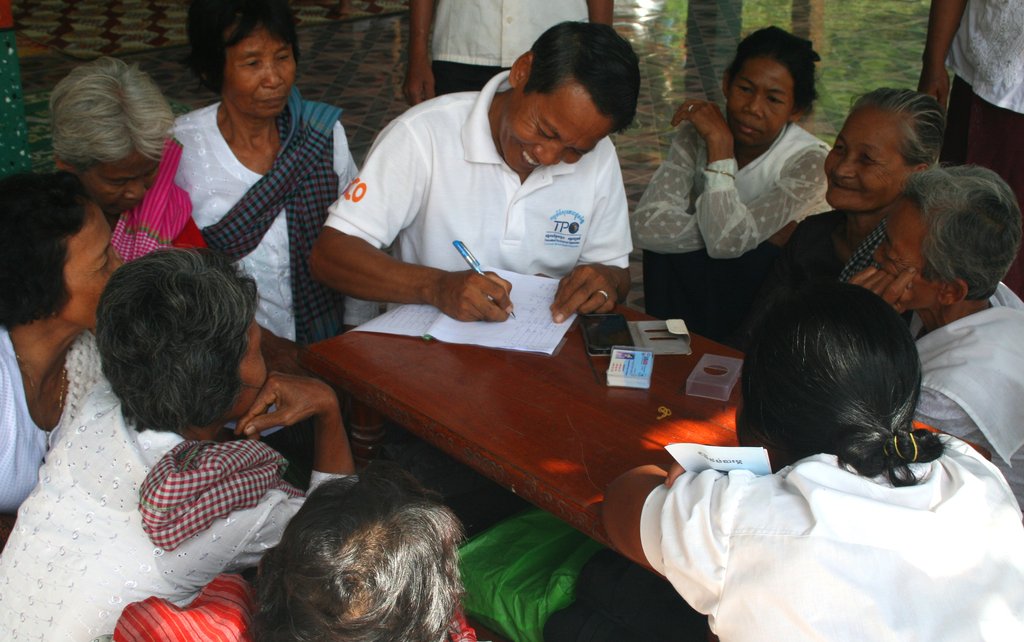
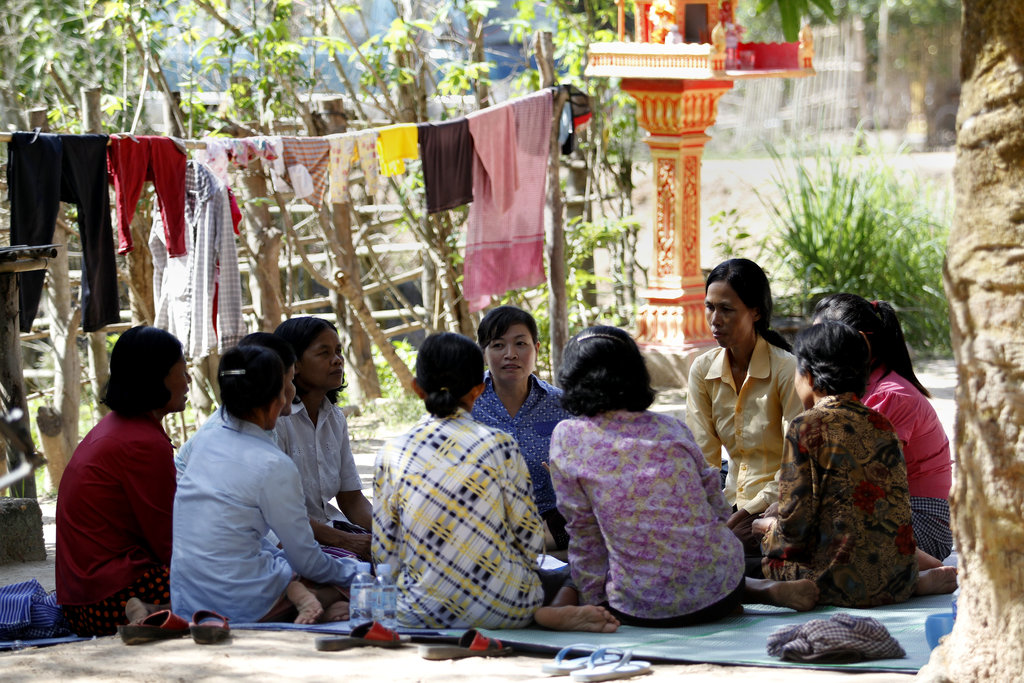
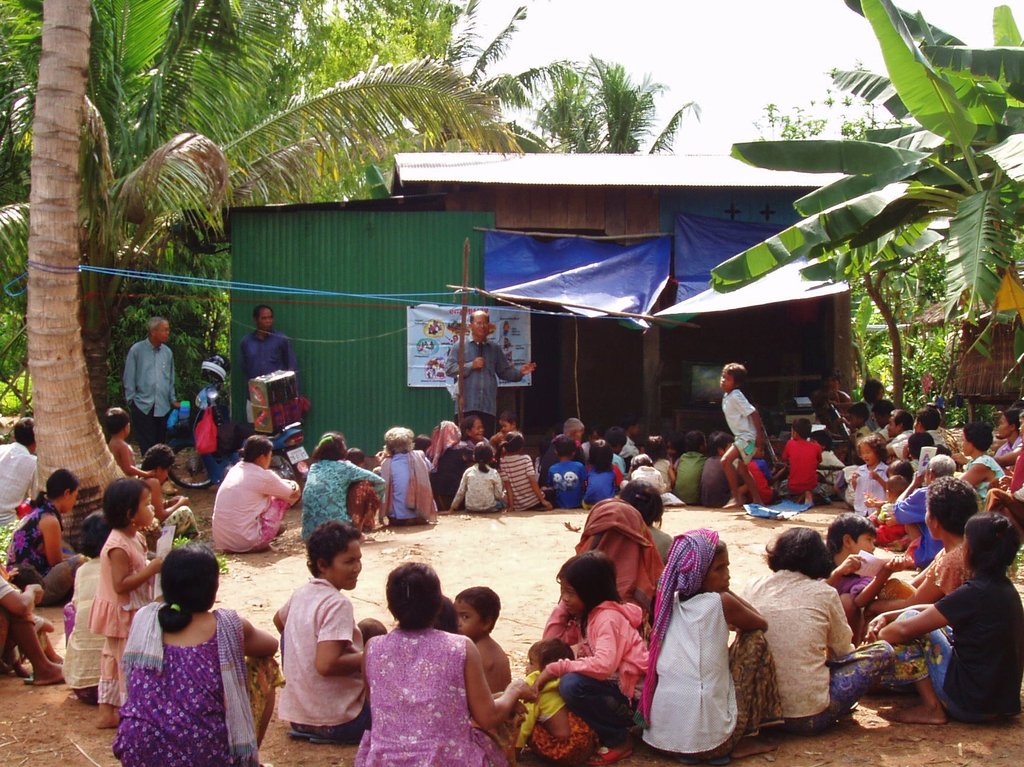
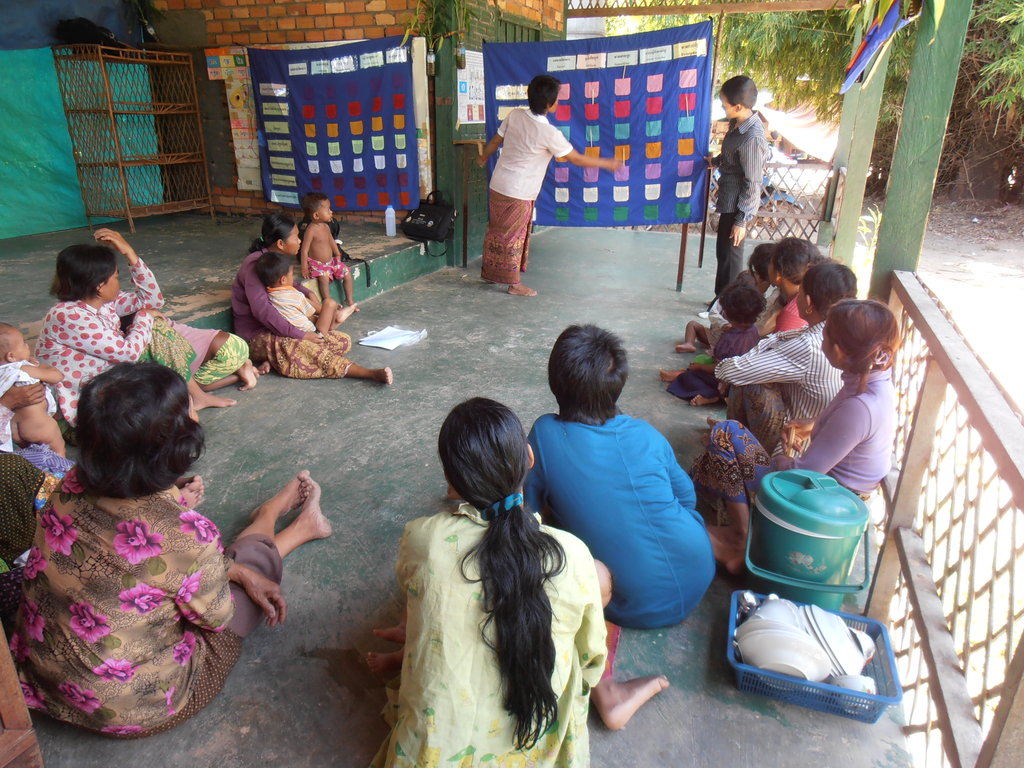
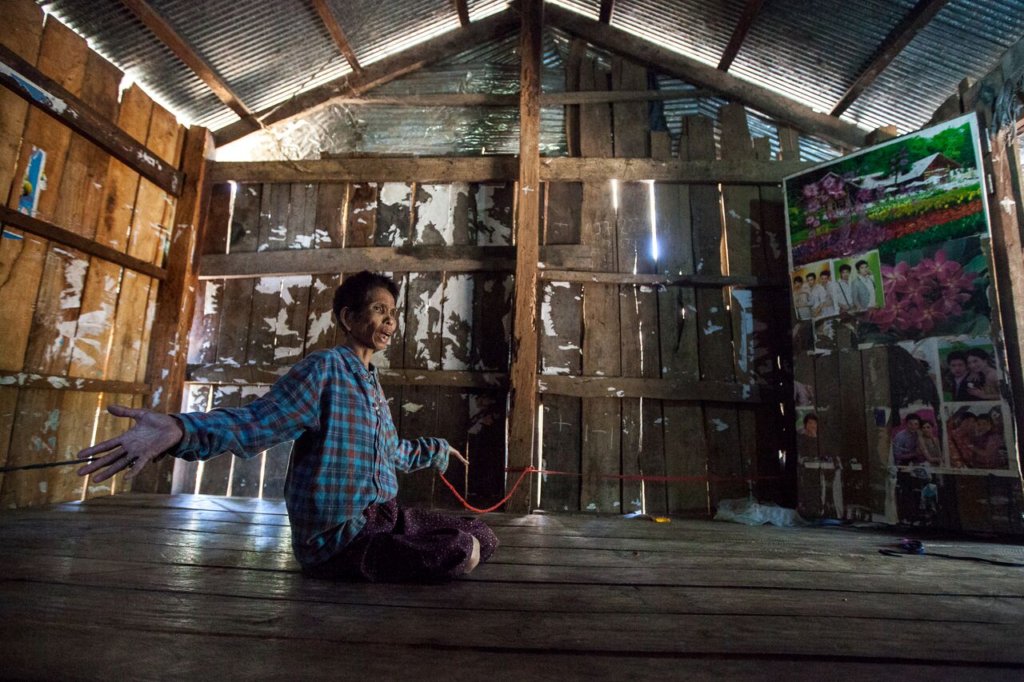
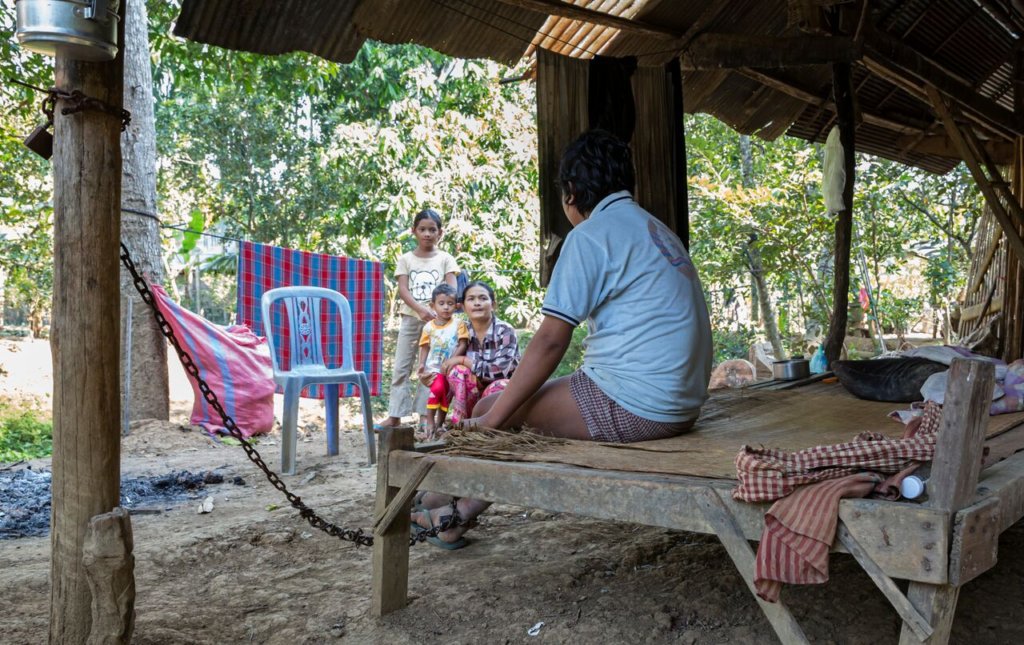
Raise awareness of mental health issues in rural Cambodian communities and demonstrates that there are alternatives to chaining up family members struggling with severe and chronic mental illness.
2. Number of psychotic patients with chain: 45 patients, 16 in female and 29 in male.
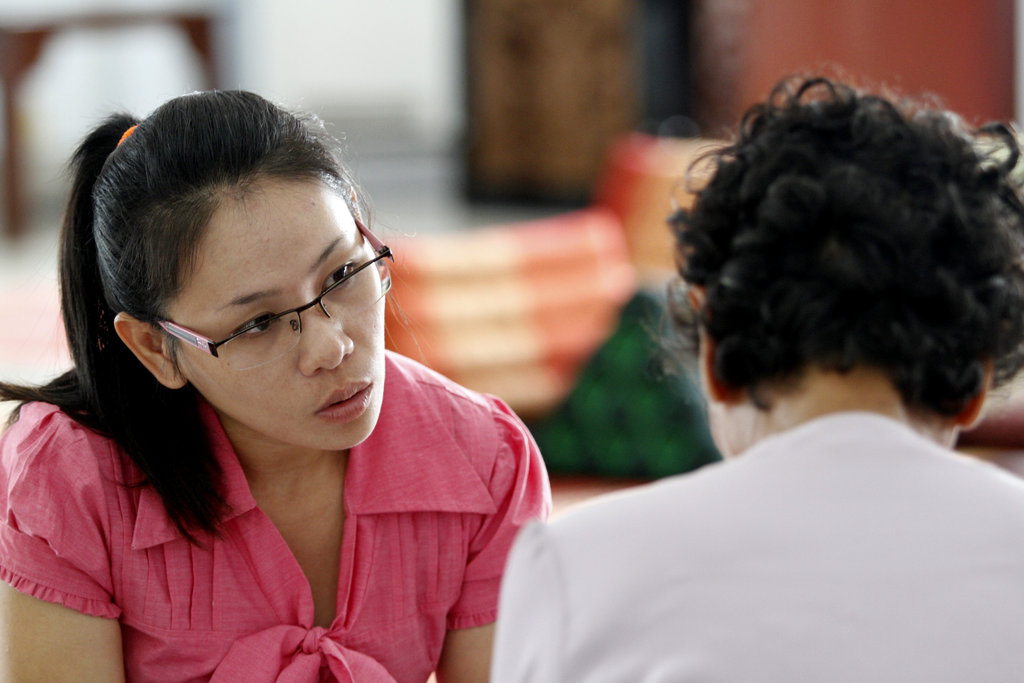
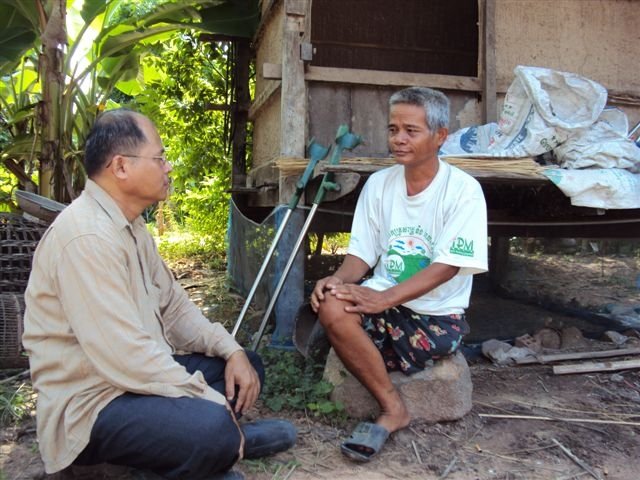
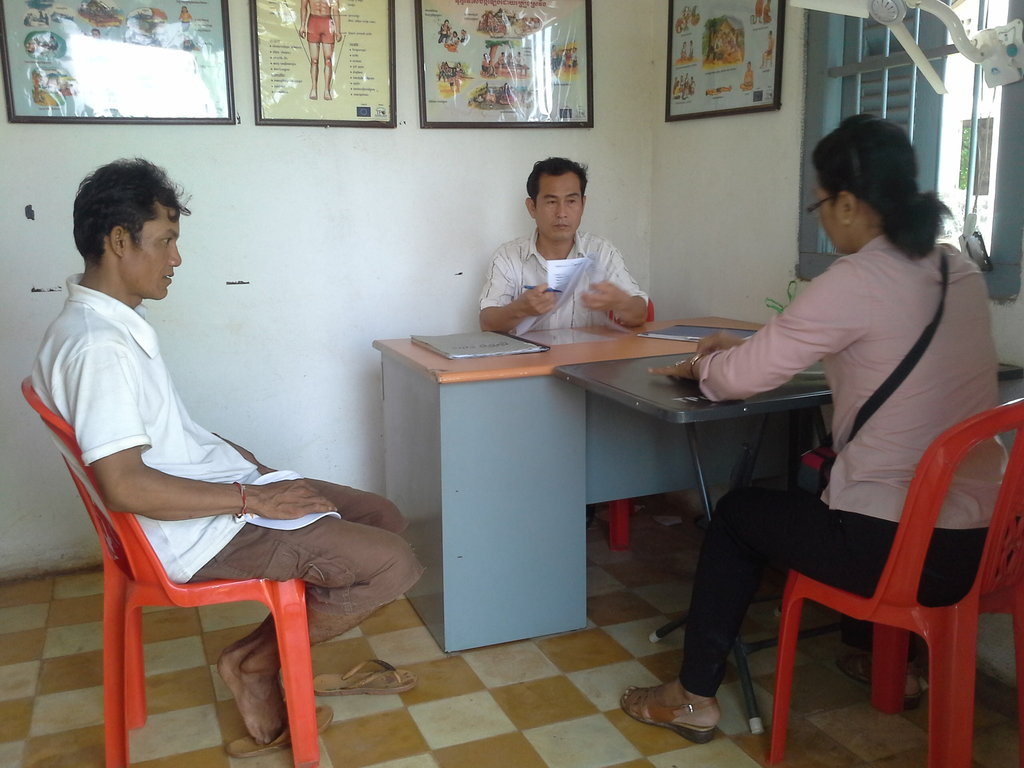
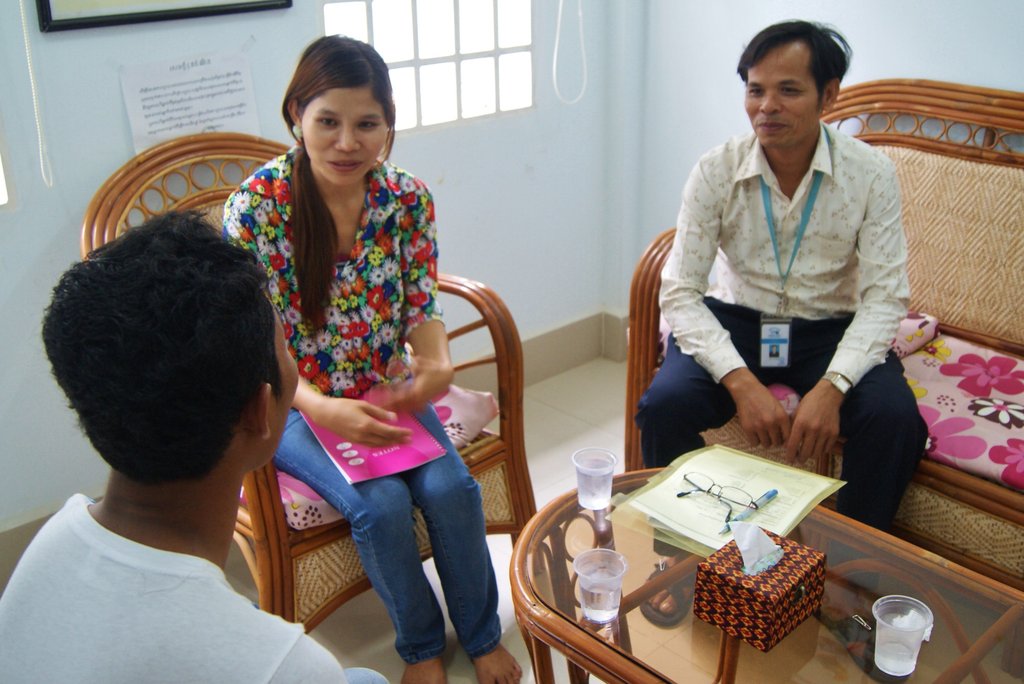
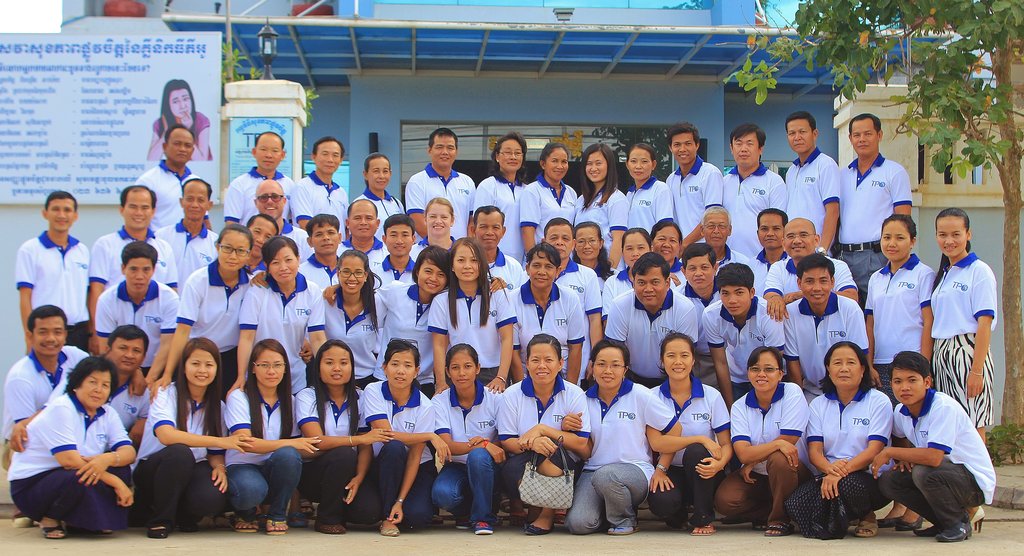
3. TPO's Mobile team member: Mr. Seang Leap, Project Coordinator & Dr Ang Sody Clinician/Senior Psychiatrist
4. Area
Svay Reang province (4 patients)
Takeo province (2 patients)
Kampong Cham province (5 patients)
Tboung Khmum province (2 patient)
Battambang province (11 patients)
Siem Reap province (3 patients)
Kampong Thom province (5 patients)
Kratie province (5 patients)
Kandal province (2 patient)
Banteay Meanchey (1 patient)
Prey Veng (2 patient)
Kampong Chhnang (1 patient)
Phnom Penh (1 patient)
Kampong Chhnang (1 patient)
Kampong Speu (1 patient)
5. Result
45 patients who are locked up by their families and/or relatives contacted TPO for asking to get treatment.
41 of 45 patients received treatment from TPO.
20 of patients are unlocked up by their families.
Totally 47 patients contacted TPO for providing treatment for mentally ill patients who are locked up because of psychosis or schizophrenia. We found that all of the patients’ families had already taken them to see many traditional healers and to the public hospital in the country. However their symptoms persisted and often became worse to the point that they sometimes acted violently towards family members and the people around. Most of the family members were poor and old, because they had sold their properties to pay for treatment for their sons/daughters for many years. They felt upset and thought that this must be Karma and therefore nobody could help them.
After receiving treatment from the project operation unchain for almost 11 months, 20 patients were unlocked up their families. This was because the families said thought their sons/daughters had improved and could take medicine by themselves voluntarily. The families reported that their sons/daughters have coherent speech, and were no longer violent. The parents and authorities were very enthusiastic and appreciated and they decided to release them.
6 patients were neglected by their families, and the level of improvement was very slow. The project staff did psycho-education with families and neighbors regularly, to educate them about how to help and take care of their mentally ill family member during the period of being chained, especially the way of providing medications when they refused.
All the previously chained patients need to continue the treatment for whole life. As the project has collaboration with department of mental health and substance abuse, ministry of health.
There are still many cases of chained individuals being waited for help from TPO. Their families have approached TPO by hotline service for this project.
6. Challenges: Some chronic patients have resistant to medicine. Some medicine prescribed is not available at mental health service of health center or referral hospital. This is a challenge for referring them to access public service after the project ends.
Due to the budget is limit, the project can’t offer treatment for a few cases that are very far away e.g district of Khmer-Thai border and spending longer time for travelling for one case.
6. Case vignette: please refer attached file.
TPO Cambodia extends its sincere thanks to all who donated so generously to this project. This support will allow us to continue to treat more patients in the whole country.
Project reports on GlobalGiving are posted directly to globalgiving.org by Project Leaders as they are completed, generally every 3-4 months. To protect the integrity of these documents, GlobalGiving does not alter them; therefore you may find some language or formatting issues.
If you donate to this project or have donated to this project, you can receive an email when this project posts a report. You can also subscribe for reports without donating.