By Samikshya Nepal/Rudra Neupane | Communication officer/Program manager
Mental health is an essential part of overall health and well-being yet it is often overlooked, particularly in remote communities where access to healthcare and information can be limited.
In many rural communities of Nepal, mental health concerns are still surrounded by misconceptions and stigma. Emotional and psychological difficulties may not always be recognized as health concerns that require care. Instead, people may turn to traditional practices for support. While these practices may hold an important place in communities, relying only on them can sometimes delay access to appropriate health services and professional support.
Through its work in remote communities, PHASE Nepal has witnessed these challenges firsthand. This experience has reinforced the importance of bringing mental health information closer to where people live and strengthening the capacity of trusted community members to recognize and respond to mental health concerns.
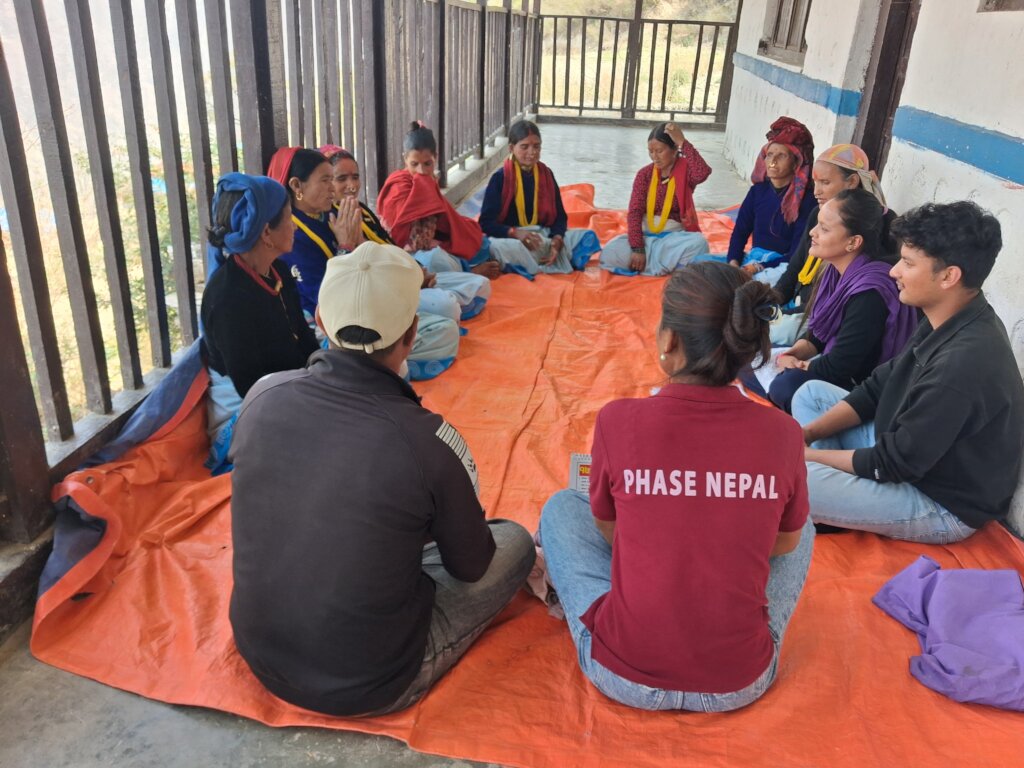
To address this need, PHASE Nepal has been orienting Female Community Health Volunteers (FCHVs) on common mental health concerns encountered within their communities. The orientations focus on helping FCHVs understand common signs and symptoms, recognize when someone may need additional support and understand the appropriate steps to take when they encounter individuals experiencing mental health difficulties.
FCHVs are an important part of Nepal's community health system. As women who have volunteered to serve their communities as health change agents, they are often closely connected with households and community members. Their familiarity with local families and their regular presence in the community place them in a unique position to notice changes in people's well-being and encourage individuals and families to seek appropriate care when needed.
The approach creates opportunities for conversations about mental health that might otherwise remain unspoken. When trusted community members have a better understanding of mental health, they can help challenge misconceptions, encourage supportive attitudes, and guide individuals and families toward appropriate care.
One of the FCHV who attended the mental health orientation states;
“Stigma has mostly declined. Previously, people used terms such as crazy (pagal). Now, people increasingly understand mental illness as a condition related to stress and overthinking that can improve with counselling and treatment.”
By working through FCHVs, PHASE Nepal is investing in a network women who can carry mental health knowledge into households and communities. Their role extends beyond sharing information, they can help make conversations around mental health more acceptable and help communities recognize that mental well-being is an important part of health.
By equipping FCHVs with knowledge and connecting communities with appropriate support, PHASE Nepal is helping build communities that are better informed, more supportive, and more able to recognize and respond to mental health needs. PHASE Nepal has been able to carry out these activities because of the continued support we receive from our partners and all of you, our valued supporters.
Project reports on GlobalGiving are posted directly to globalgiving.org by Project Leaders as they are completed, generally every 3-4 months. To protect the integrity of these documents, GlobalGiving does not alter them; therefore you may find some language or formatting issues.
If you donate to this project or have donated to this project, you can receive an email when this project posts a report. You can also subscribe for reports without donating.



Support this important cause by creating a personalized fundraising page.
Start a Fundraiser