By Pilar Martin | Philantropy manager
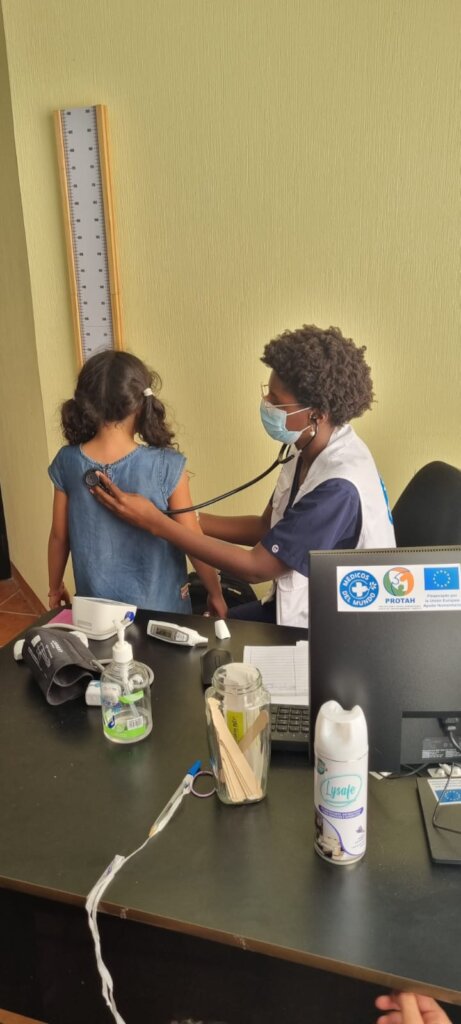
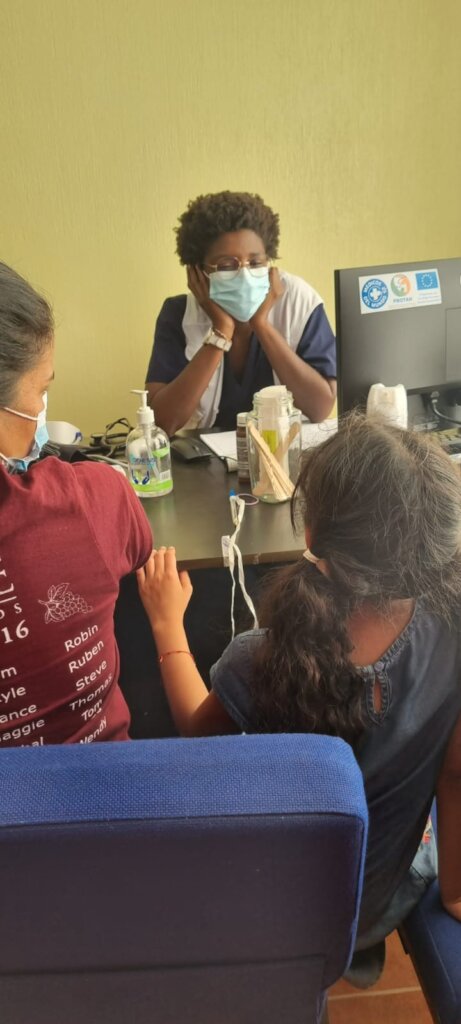
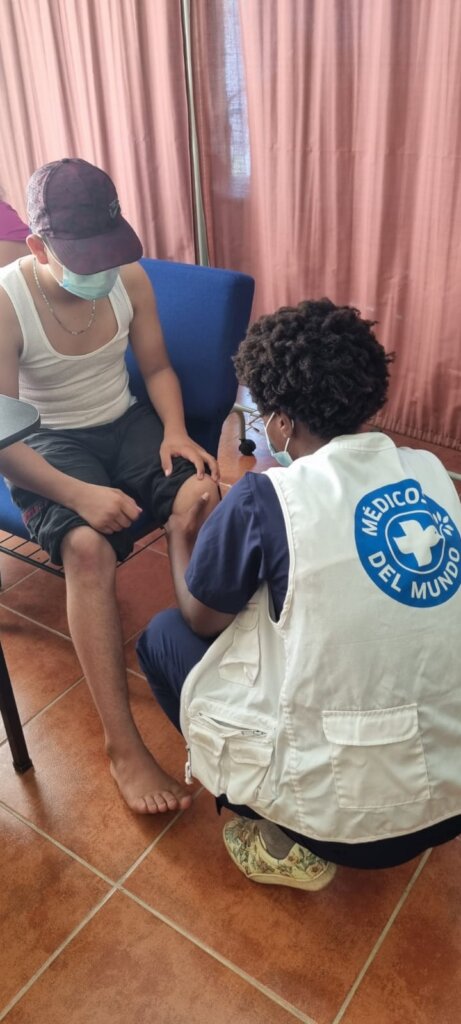
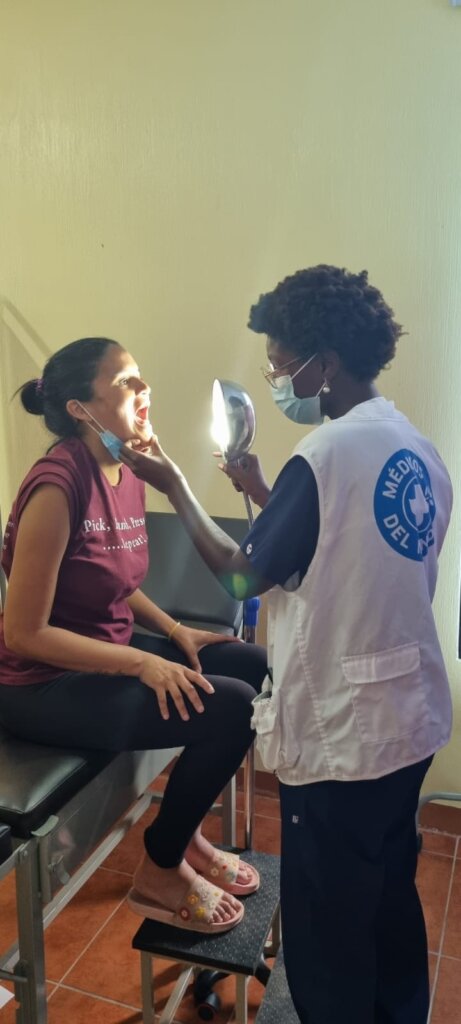
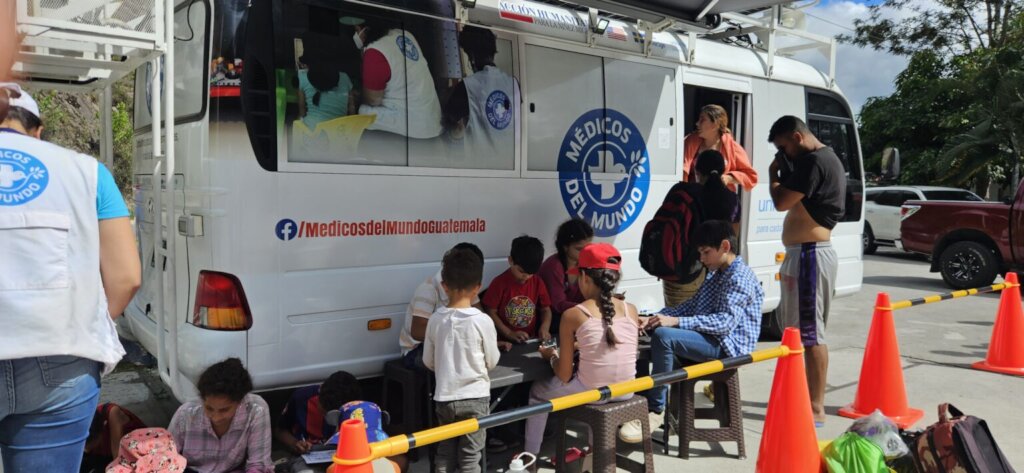
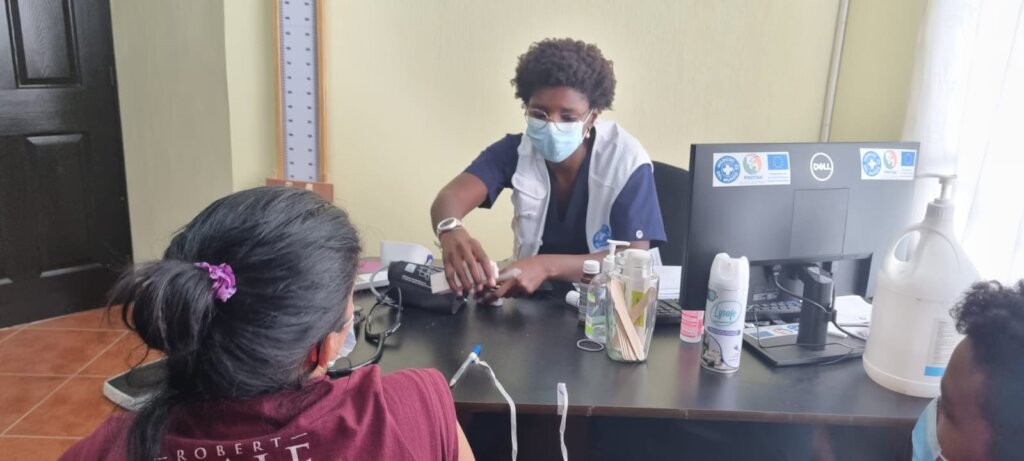
We continue our work with migrants as the humanitarian crisis is far from being solved. Numbers are still increasing and there is an urgent need for both medical and psicological support.
The most vulnerable to health crises are indigenous populations, those living in isolated border areas, pregnant adolescent women, children under five, people with chronic diseases, the elderly, and people with disabilities, who are especially susceptible to the adverse effects of the El Niño phenomenon and to diseases such as dengue fever. Migrants transiting through Guatemala are exposed to a higher risk of contracting infectious diseases such as HIV/AIDS, tuberculosis, dengue fever and malaria. This is due to lack of access to primary health care services and clean water, as well as physical and sexual violence and labor exploitation.
The situation of violence and insecurity continues to impact thousands of people; violent deaths increased by 6.7% over the previous year, reaching a rate of 17.3 per 100,000 inhabitants, one of the highest in the Central American region. Although certain security indicators have improved, the violence exercised by organized crime and gangs leaves huge numbers of crimes, extortion, forced recruitment and activities related to drug trafficking, increasing the protection needs of the population, especially women, children and adolescents (an estimated 2.9 million people in need of protection).
The migrant population must face ever greater risks in order to exercise their rights, both in transit to the north, where the routes are increasingly dangerous, and on their return. The policies of control and “criminalization” of migration applied by the U.S. and Mexico are also being implemented in Guatemala, where the migrant population is growing (2,213 people entered the country every day from Honduras in September 2023) and faces more risks and limitations to cross the country. Protection needs are also higher for the 79,697 forced returnees in 2023, almost 20% lower.
Links:
Project reports on GlobalGiving are posted directly to globalgiving.org by Project Leaders as they are completed, generally every 3-4 months. To protect the integrity of these documents, GlobalGiving does not alter them; therefore you may find some language or formatting issues.
If you donate to this project or have donated to this project, you can receive an email when this project posts a report. You can also subscribe for reports without donating.