By Callie Spaide | Project Leader
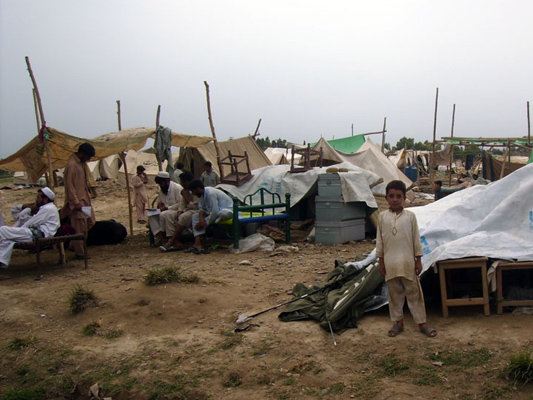
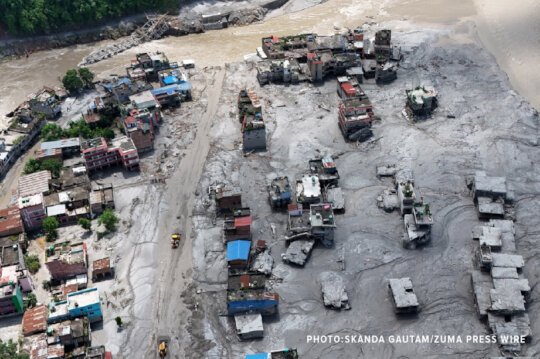
At the end of July 2010, heavy monsoon rains in parts of Pakistan triggered the most devastating flooding in the country in over 80 years. The floods destroyed houses, schools, hospitals, roads, and bridges in Khyber Pakhtunkhwa, Punjab and Sindh provinces, damaging more than 1.7 million homes and displacing more than 15 million people. When the flooding subsided, stagnant water and the lack of access to clean drinking water and health facilities caused outbreaks of waterborne diseases. In addition, the flooding destroyed crops and livelihoods exacerbating already high malnutrition levels throughout Pakistan. The overwhelming destruction, followed by disease, has devastated the lives of millions.
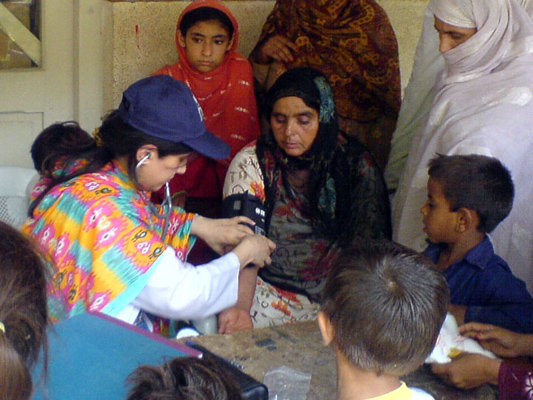
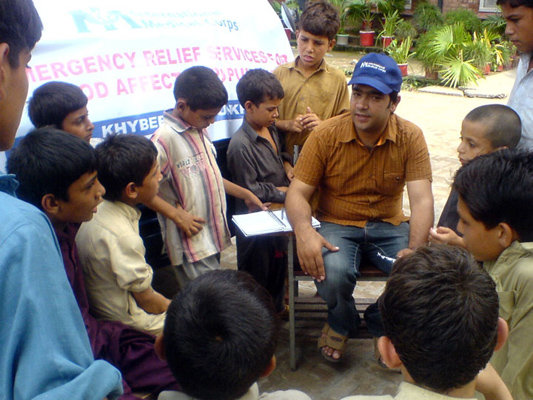
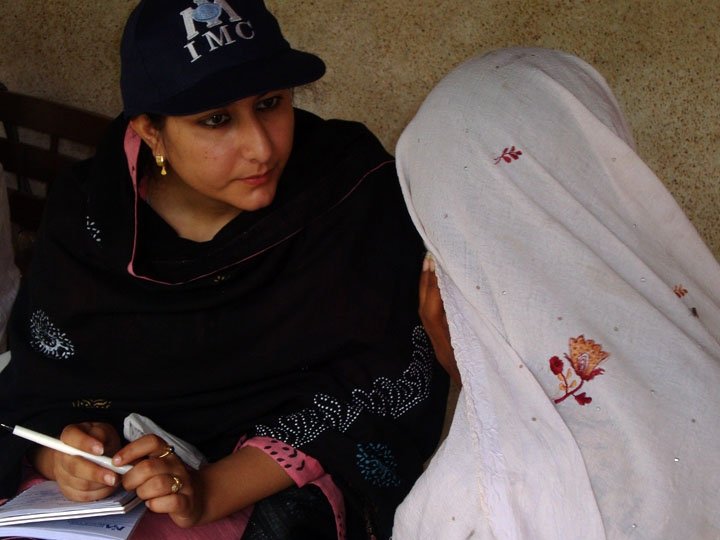
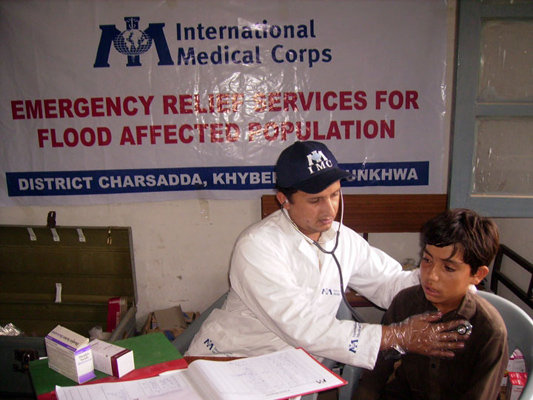
When the floods began, International Medical Corps immediately deployed mobile clinic teams to the most severely affected areas of Pakistan to provide emergency medical services. In September, we implemented a holistic approach, providing services such as comprehensive primary and mental healthcare, health and hygiene education, and psychosocial counseling.
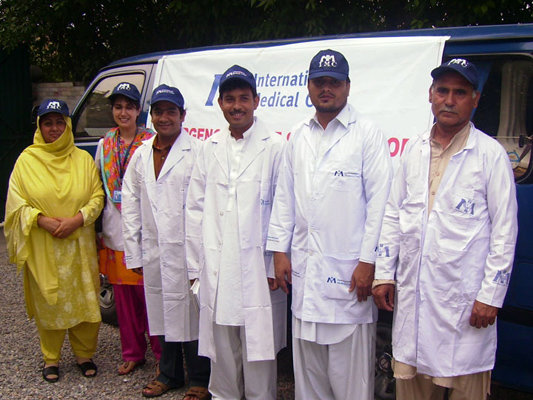
Due to International Medical Corps’ presence and long history of working in Pakistan, the emergency response to the floods was led by our Pakistani national staff. Immediately after the disaster, we had over 900 local health professionals and volunteers working to respond to the crisis. Currently, 750 national staff are facilitating our programs.
PRIMARY HEALTH CARE
International Medical Corps has provided more than 1.4 million patient consultations since the onset of the floods. We have provided emergency care and other health services for anywhere from 50 to 200 patients per day at each of our clinics. The most treated conditions include diarrheal diseases due to contaminated water sources, acute respiratory illnesses and skin infections including scabies. As the rapid spread of communicable diseases has been a serious threat following this disaster, the mobile health teams also operate as a disease ‘early-warning’ system; by getting out into the communities, they can spot the early signs of cholera and other waterborne diseases associated with large amounts of standing water and limited sanitation. In addition, our teams prioritize care for vulnerable groups like women and children who often find it difficult to travel to safe places where they can get help.
MENTAL HEALTH
Responding to psychological needs after a disaster is an important focus of International Medical Corps.
We have provided more than 80,000 psychosocial support sessions to people, including children under 12, identified with depression, anxiety and significant psychological distress.
WOMEN’S AND CHILDREN’S HEALTH AND WELL-BEING
International Medical Corps is supporting the Gynecological/Obstetric and Pediatric wards of the District
Headquarters Hospital in Sindh. Our teams have conducted more than 2,900 consultations, including performing healthy deliveries and antenatal and postnatal consultations.
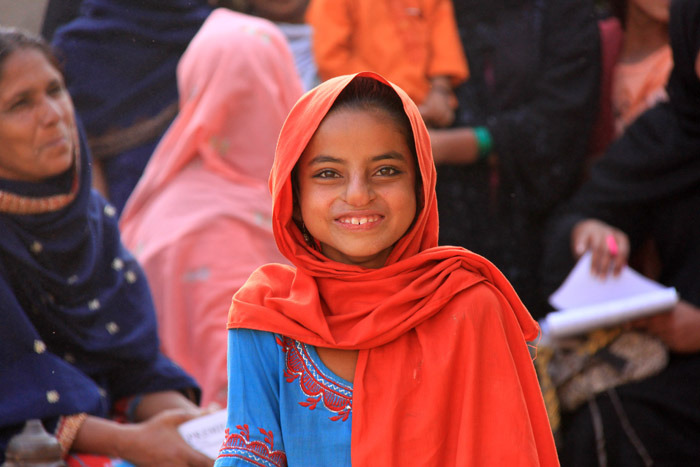
In addition, we are committed to combating malnutrition in children. In Sindh and Punjab, where malnutrition reached alarming levels following the floods, International Medical Corps-supported health facilities are screening children for acute malnutrition and providing curative nutrition services.
To ensure the health of local children, International Medical Corps’ teams took part in National Immunization Days (NIDs) organized by the local Ministry of Health in cooperation with the World Health Organization – to successfully vaccinate children in camps for Afghan refugees as well as Pakistani host communities in the surrounding areas. International Medical Corps successfully provided the polio vaccine for approximately 23,600 children under five during each of the 11 NIDs, which resulted in 100% vaccination coverage by the end of 2010.
CLEAN WATER, SANITATION AND HYGIENE
Ensuring that people have clean water is one of the most effective ways to prevent outbreaks of waterborne diseases. International Medical Corps has established a waterborne disease treatment center in the District Headquarters Hospital in Nowshehra, one of the districts hardest-hit by the floods. We also have conducted health and hygiene education classes for more than 1.6 million people. These courses cover the prevention of illnesses caused by stagnant water, such as diarrhea, scabies and acute respiratory illnesses.
A BRIGHTER FUTURE
International Medical Corps is facilitating economic recovery training programs to give flood-affected women the tools to achieve financial independence. Before the flood, many women picked cotton or sold hand-embroidered crafts to generate income. However, the floods destroyed much of the cotton crop, leaving many women unemployed. Since embroidery skills are handed down through generations, International Medical Corps teams implemented an embroidery training program to improve their existing skills, raise income levels and boost confidence.
We are providing women with the raw materials to jumpstart their businesses and are working with local businesses, to facilitate the sale of the embroidered products.
PLANS FOR THE FUTURE
International Medical Corps continues to work with the people of Pakistan to prepare for the 2011 monsoon season that runs from July until September. We are collaborating with Pakistan’s National Disaster Management Authority to oversee flood-risk analysis and hazard mapping for the areas affected by the 2010 floods. Following the analysis, we will hold a series of preparedness workshops covering disaster scenarios.
Thank you! Your generous support has made the following possible:
Project reports on GlobalGiving are posted directly to globalgiving.org by Project Leaders as they are completed, generally every 3-4 months. To protect the integrity of these documents, GlobalGiving does not alter them; therefore you may find some language or formatting issues.
If you donate to this project or have donated to this project, you can receive an email when this project posts a report. You can also subscribe for reports without donating.