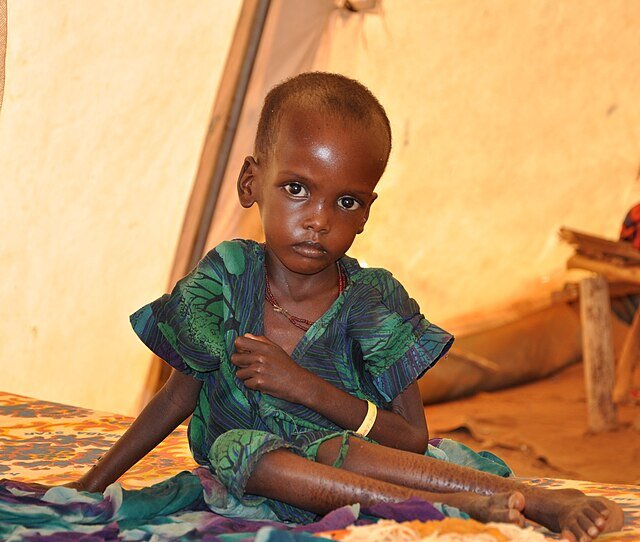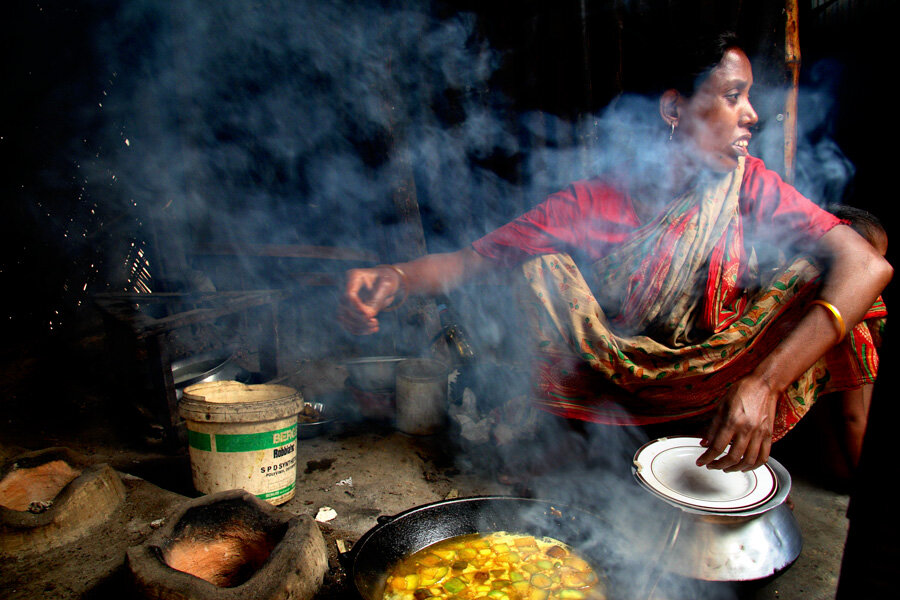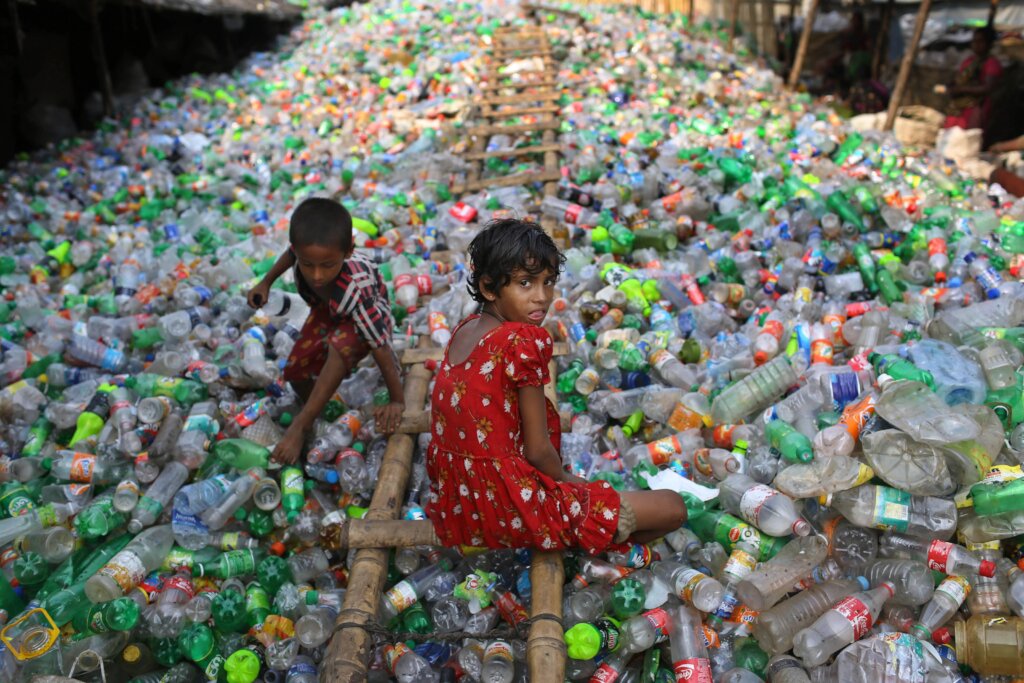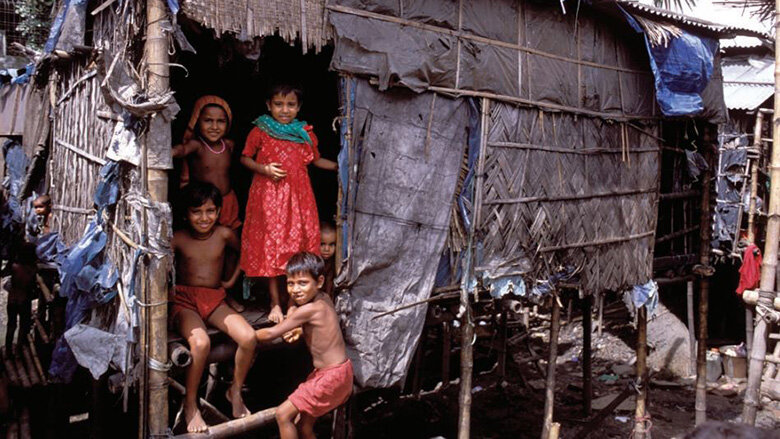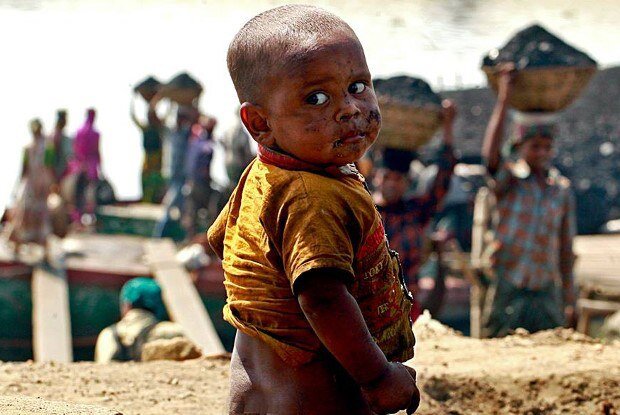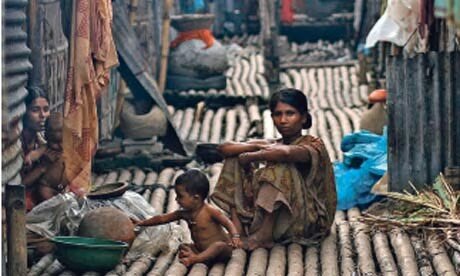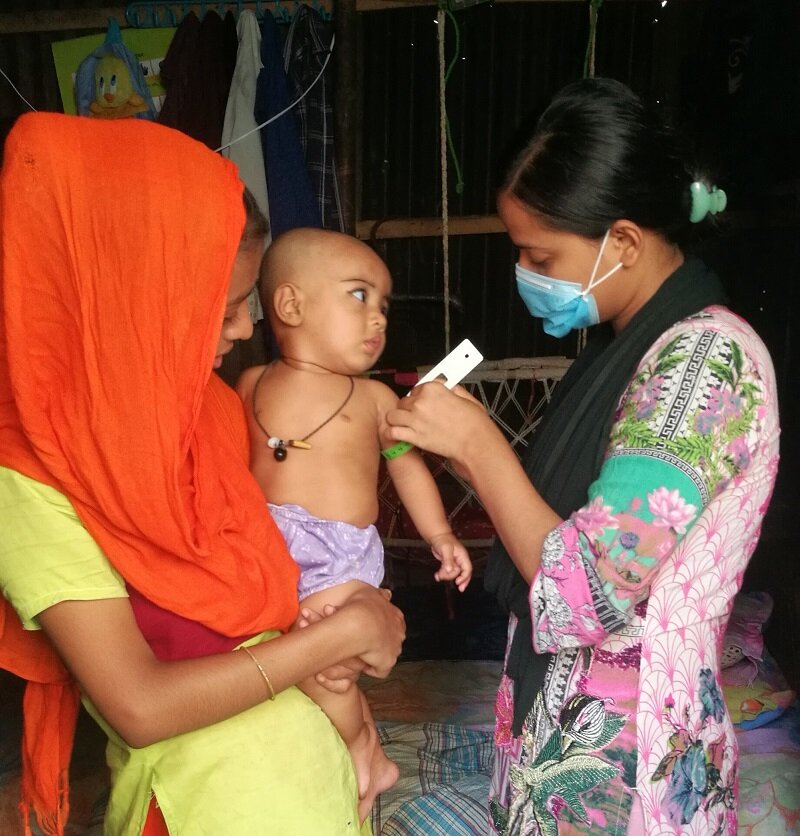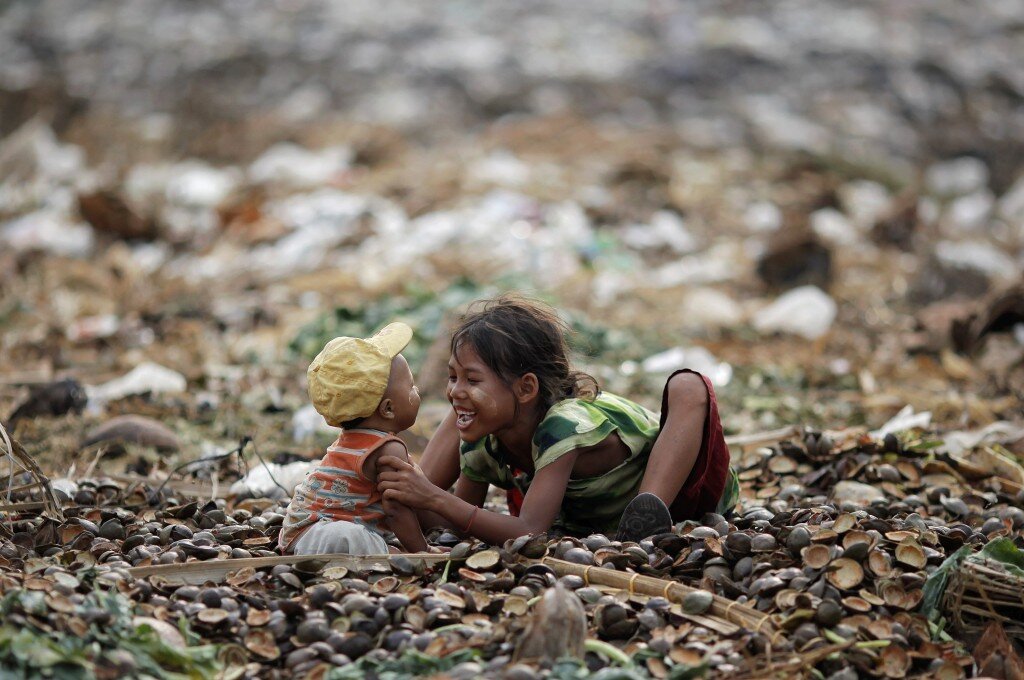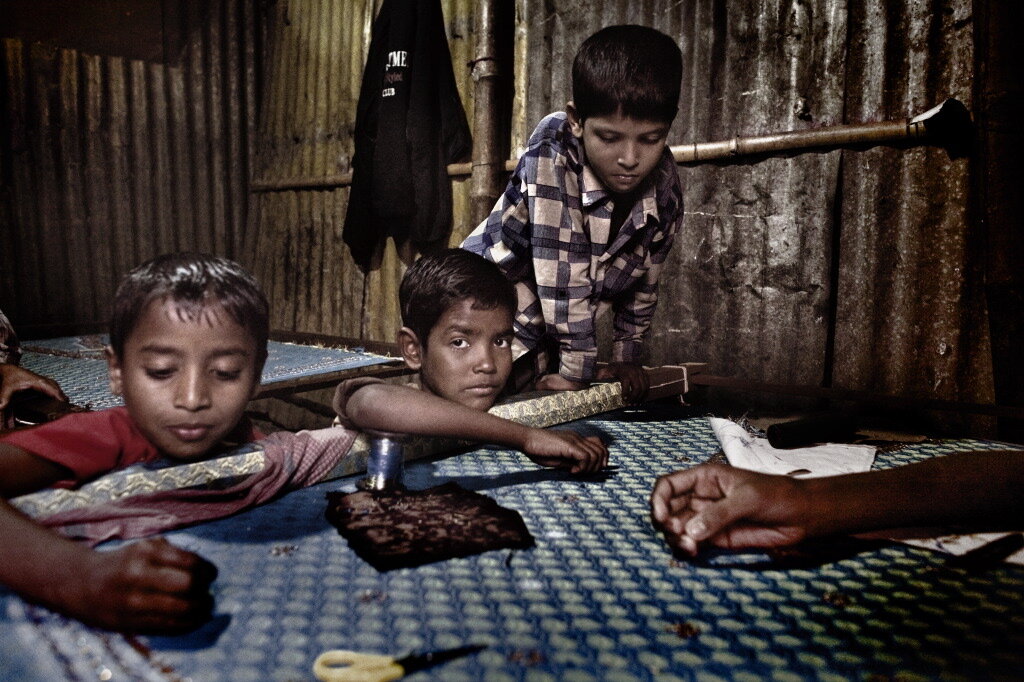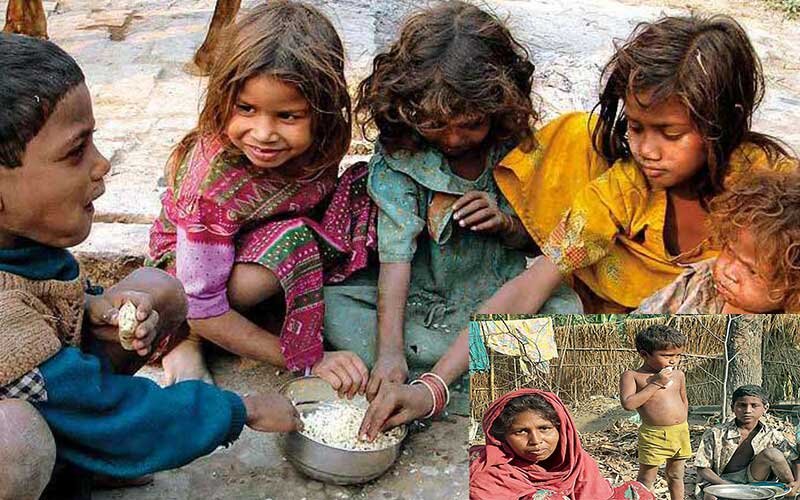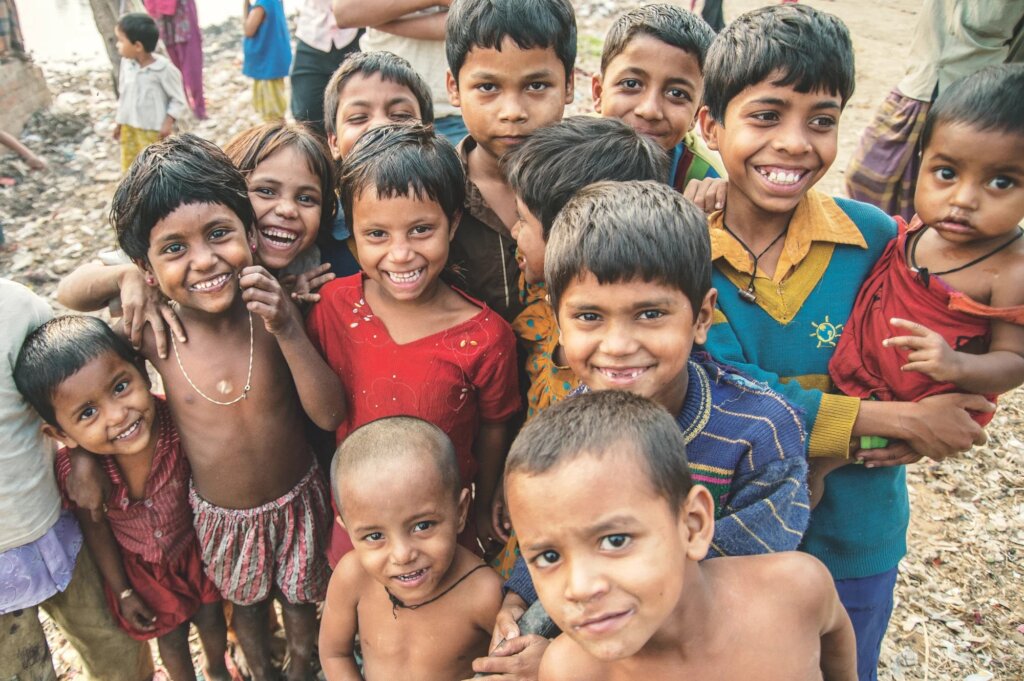
Despite economic growth, urban slum populations in Bangladesh face significant health challenges. Overcrowded and unsanitary conditions lead to high rates of maternal and child malnutrition and illness. Factors such as poverty, limited healthcare, poor sanitation, and low education exacerbate these issues. Interventions needed include nutritional support, improved healthcare access, sanitation infrastructure, and education programs. A multifaceted approach is essential
Pregnant women often suffer from anemia due to poor nutrition, and untreated hypertension can lead to serious complications like preeclampsia. Children frequently experience malnutrition, respiratory infections, and diarrheal diseases. Barriers such as high healthcare costs, distant health facilities, cultural beliefs, and lack of awareness about prenatal and postnatal care exacerbate these issues, necessitating comprehensive and targeted interventions.
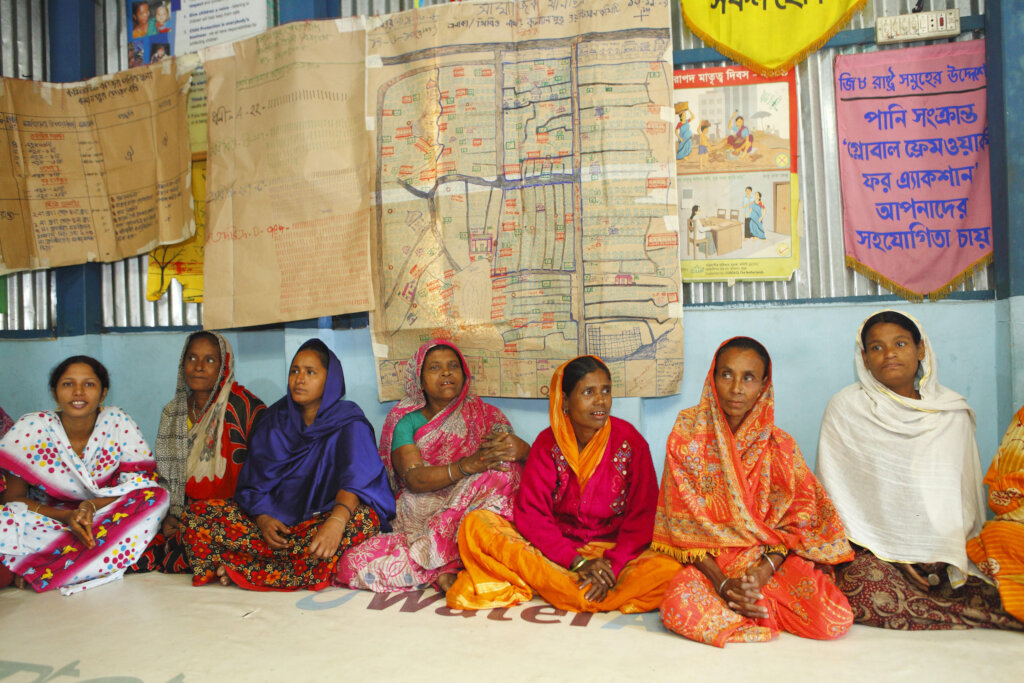
To improve maternal and child health in Bangladesh's slums, comprehensive interventions are crucial. Nutritional support, such as vitamins and breastfeeding promotion, is essential. Enhanced healthcare access via improved facilities and mobile clinics provides vital care. Investing in sanitation infrastructure and hygiene education reduces disease spread. Community education and women's empowerment foster better health practices.
Comprehensive interventions in Bangladesh's slums yield long-term benefits. Improved nutrition, healthcare access, sanitation, and education lead to healthier pregnancies, reduced child mortality, and enhanced overall well-being. Empowering women and involving communities foster sustainable health practices. This holistic approach not only elevates health standards but also breaks the cycle of poverty, contributing to the nation's socio-economic development.



Support this important cause by creating a personalized fundraising page.
Start a Fundraiser