By Thailand Team | Project leaders
As national and international travel has begun to open up throughout Thailand and the rest of the world, Phang Nga has started to see an increase in tourist numbers and domestic travellers leading to an upturn in the regional economy.
Although not a return to pre-Covid operations for tourism and hospitality, restrictions remain in place, some of which are still causing a negative impact for the environment. Single use plastics are encouraged in many outlets to reduce the spread of infection, this is especially prevalent in the mandatory use of masks and food and beverage containers for takeaways and hotel quarantine facilities. Many of these plastics are non biodegradable and non-recylable and the increased amount of plastic waste apparent along our beaches, mangroves and waterways is clearly recognisable.
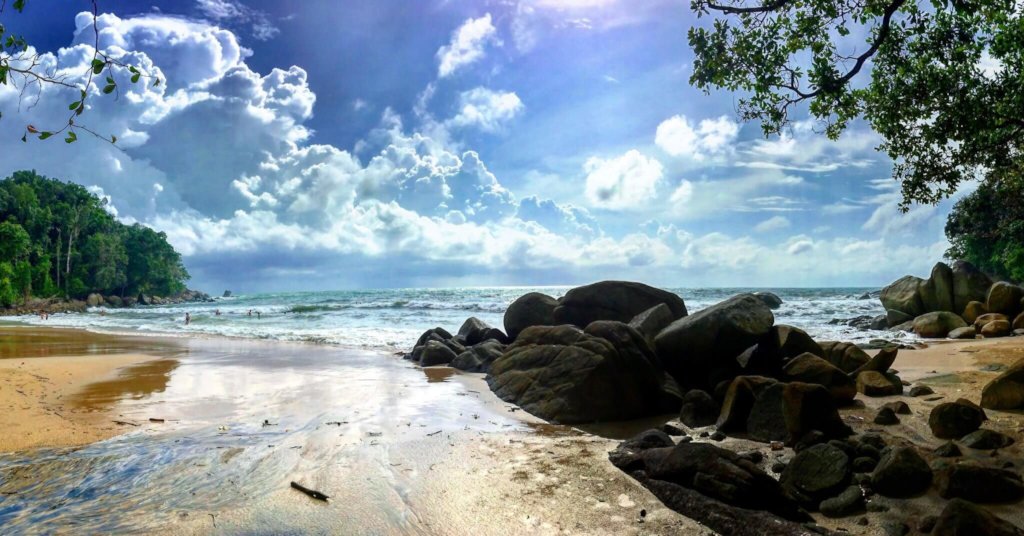
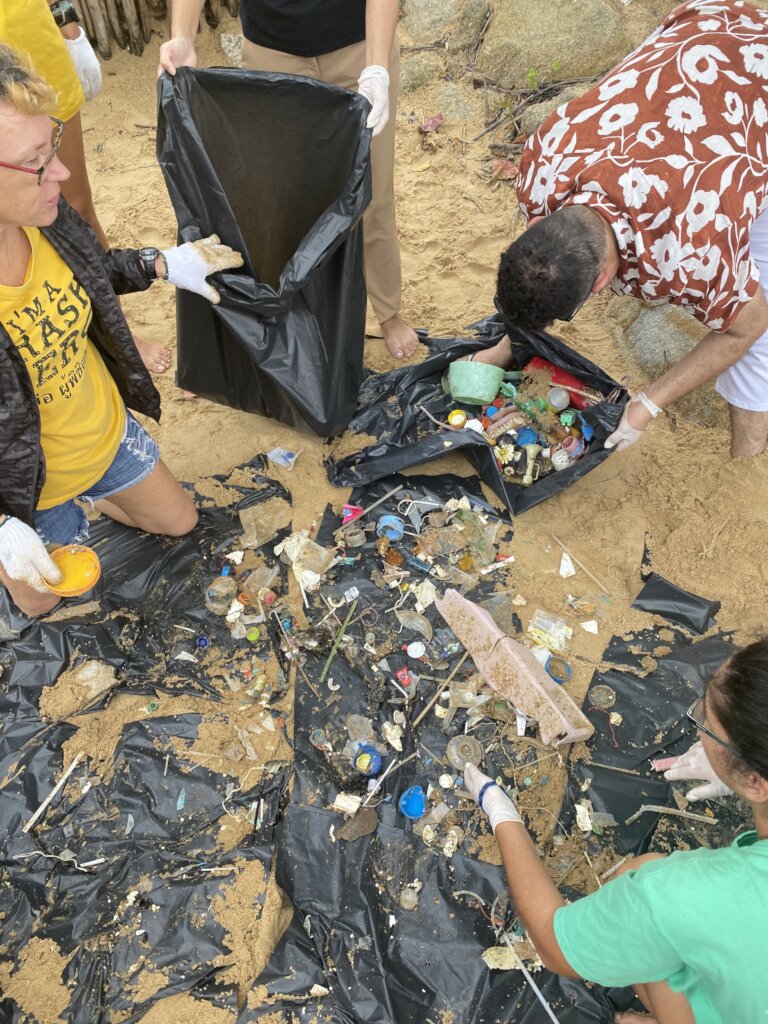
Thailand not only suffers from its own plastic issues and limited recycling awareness and facilities but also from plastic pollution from its neighbouring countries. With the monsoon rains and tidal surges we are anticipating a greater amount of plastic waste washing up on our shores in the months to come, brought in from across the Andaman and Indian Oceans. Our weekly beach clean data has shown that we are collecting increased numbers of food containers, cutlery, plastic straws and drinking bottles.
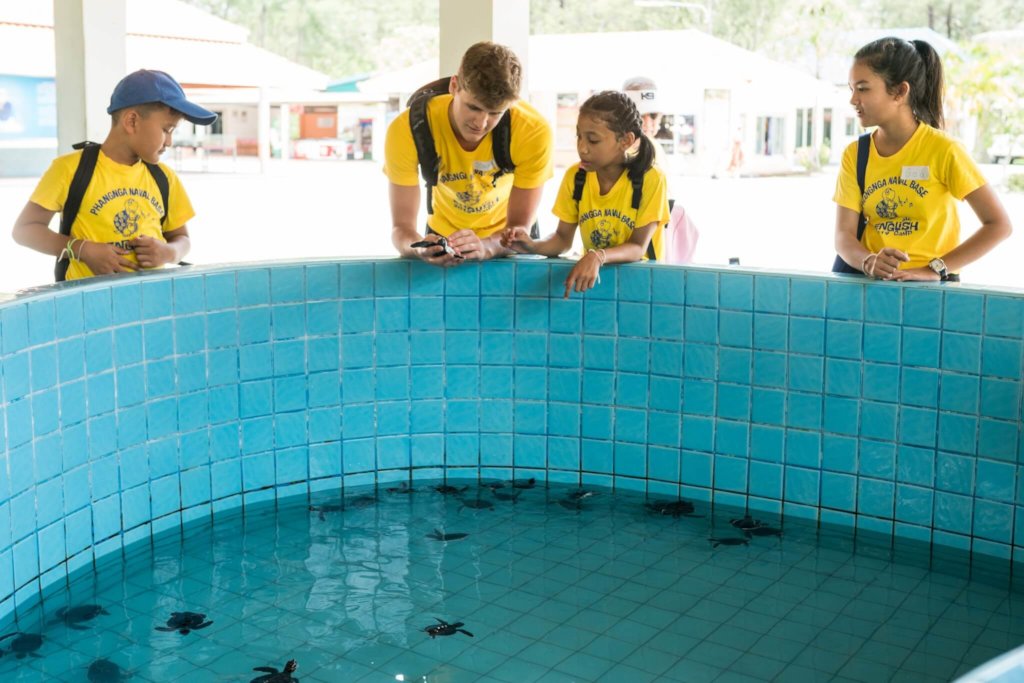
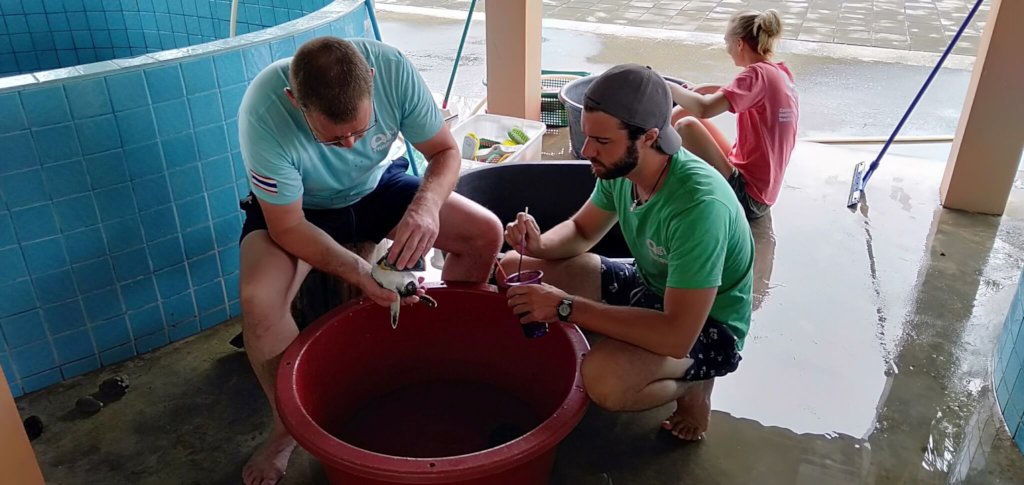
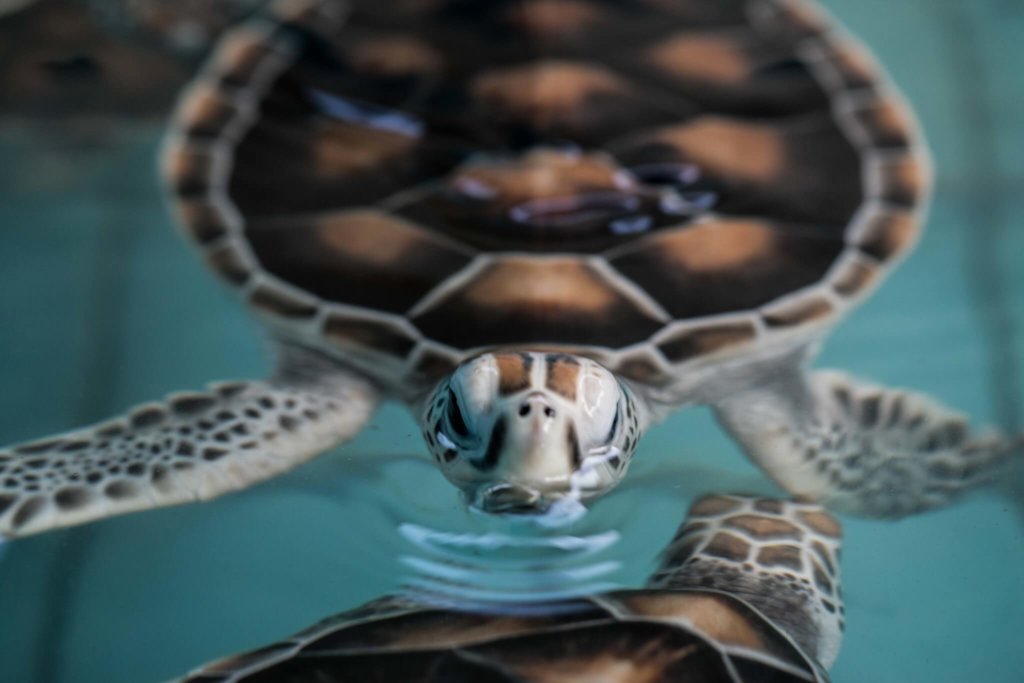
Plastic pollution chokes our precious ecosystems including marine and coastal wildlife, and recently we have encountered a number of Green Turtle hatchlings protected and cared for in collaboration with our ‘Head Start’ programme hosted with the Royal Thai Navy, suffering and dying from the ingestion of micro-plastics.
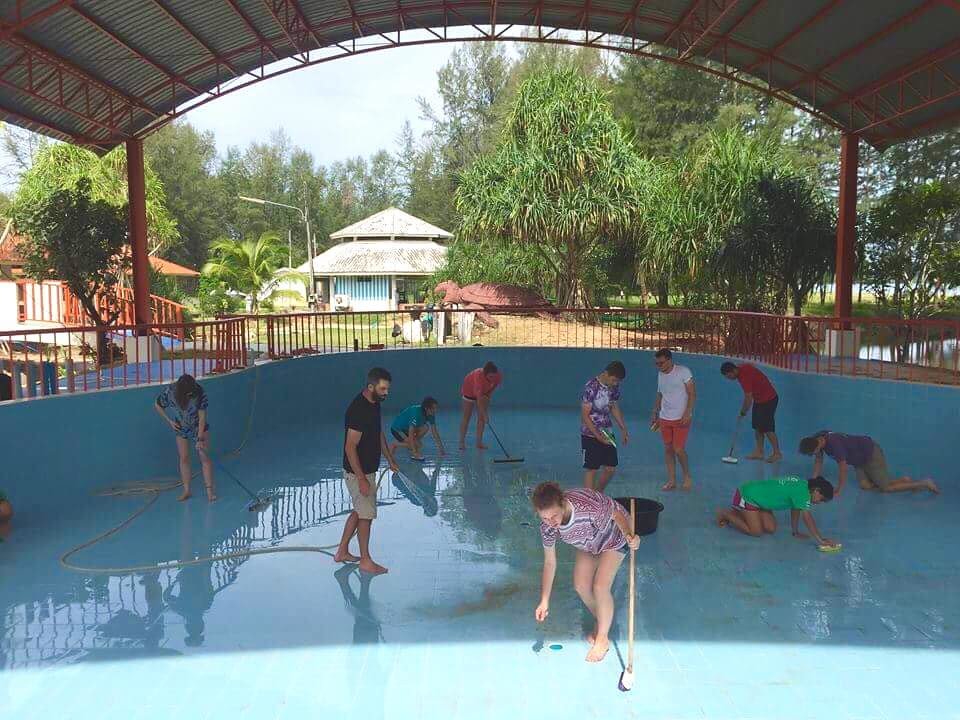
Despite this, our ongoing sea turtle partnership is flourishing, with community education and ongoing conservation teaching and awareness raising for both national and international visitors. Turtle releases from the programme are increasing and we estimate that the chances of survival for those turtles boosted by the programme have risen from a 1 in 1000 chance of survival to a 1 in 400 chance of survival in their natural environment.
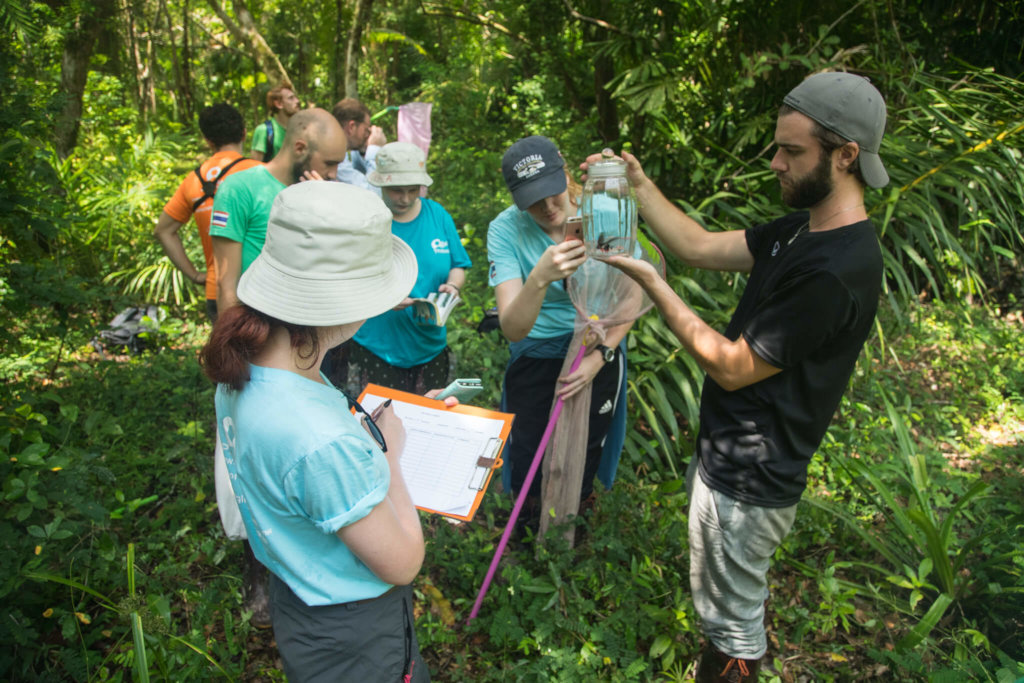
Ban Nam Khem as a village also relies heavily on fishing as a leading industry and as plastics enter the ocean, so do they enter our own food chain. During our coral and fish identification snorkel surveys we have also found and collected marine debris, predominantly discarded fishing gear and plastics which travel on the current and are washed further out to sea. Our weekly beach cleans along the coastline also tell a similar story with ghost nets featuring regularly, with little or no opportunities for them to be salvaged and reused.
Our recently introduced microplastics project also goes some way to identify key locations along the coastline of Ban Nam Khem and Khao Lak where plastics have degraded into minute particles, permeating the sands and becoming increasingly difficult to remove. Many toxic chemicals also adhere to the surface of microplastics and when degraded can leach into the environment, exposing organisms to higher than normal concentrations of heavy metals once ingested.
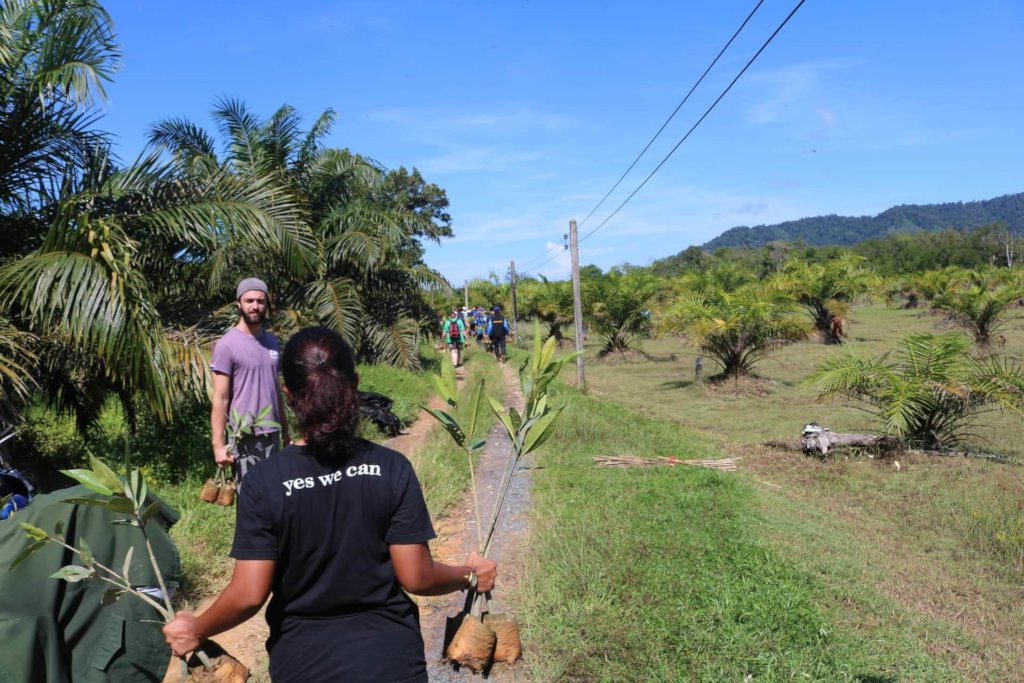
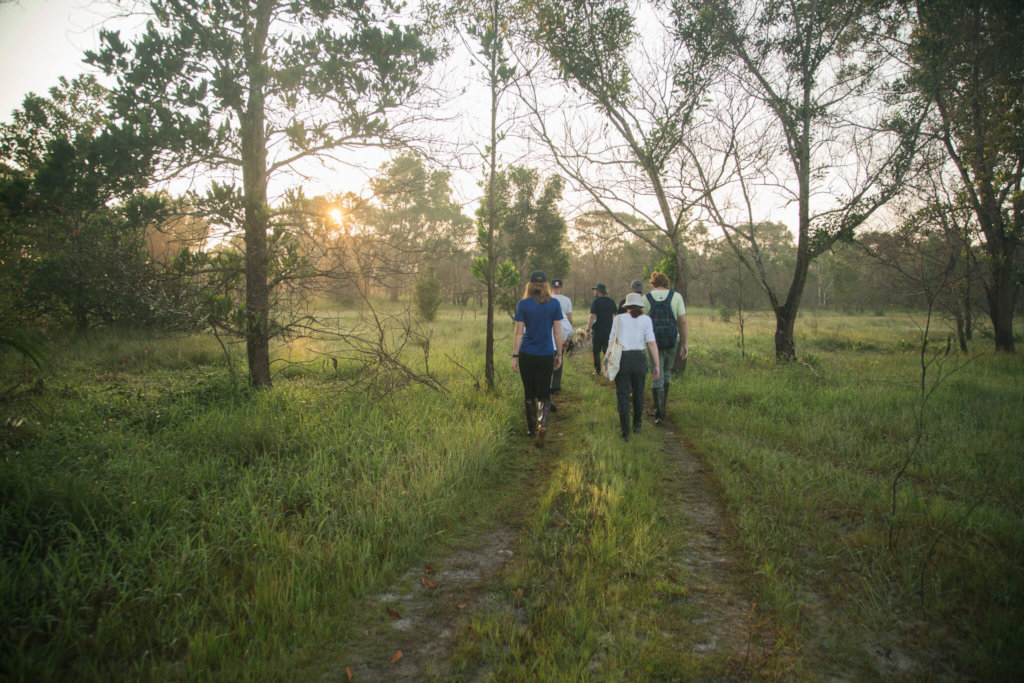
Mangroves are also a key area of consideration and research and we continue to monitor the health of our established forests, reporting the findings to our partners at the Department of Marine and Coastal Resources (DMRC). We are also continuing to learn about the differing species in these areas and the ability for mangrove forests to re-generate with diverse plant and mangrove species. This is especially important for ecological diversity of both flora and fauna, encouraging the return of differing species of crustaceans, snakes, reptiles, birds and mammals which inhabit these areas.
One of our ongoing goals is to establish camera trap methodologies to enable greater species identification during times when we are not present in the forest, especially nocturnal and diurnal species. Your donations will greatly benefit this programme of work by providing the specialist equipment needed for us to be able to continue to monitor these crucial ecosystems.
It is only with your ongoing support and encouragement that we are able to continue our coastal conservation projects Your donations are essential to allow us to continue to benefit the wider community and environment. With your support we will continue to protect and conserve our marine environment with collaboration from our communities in and around Ban Nam Khem, Phang Nga.
By Nicholas Relich | Project Manager
By Nicholas Relich | Project Manager
Project reports on GlobalGiving are posted directly to globalgiving.org by Project Leaders as they are completed, generally every 3-4 months. To protect the integrity of these documents, GlobalGiving does not alter them; therefore you may find some language or formatting issues.
If you donate to this project or have donated to this project, you can receive an email when this project posts a report. You can also subscribe for reports without donating.