By Maia Majumder | CEO
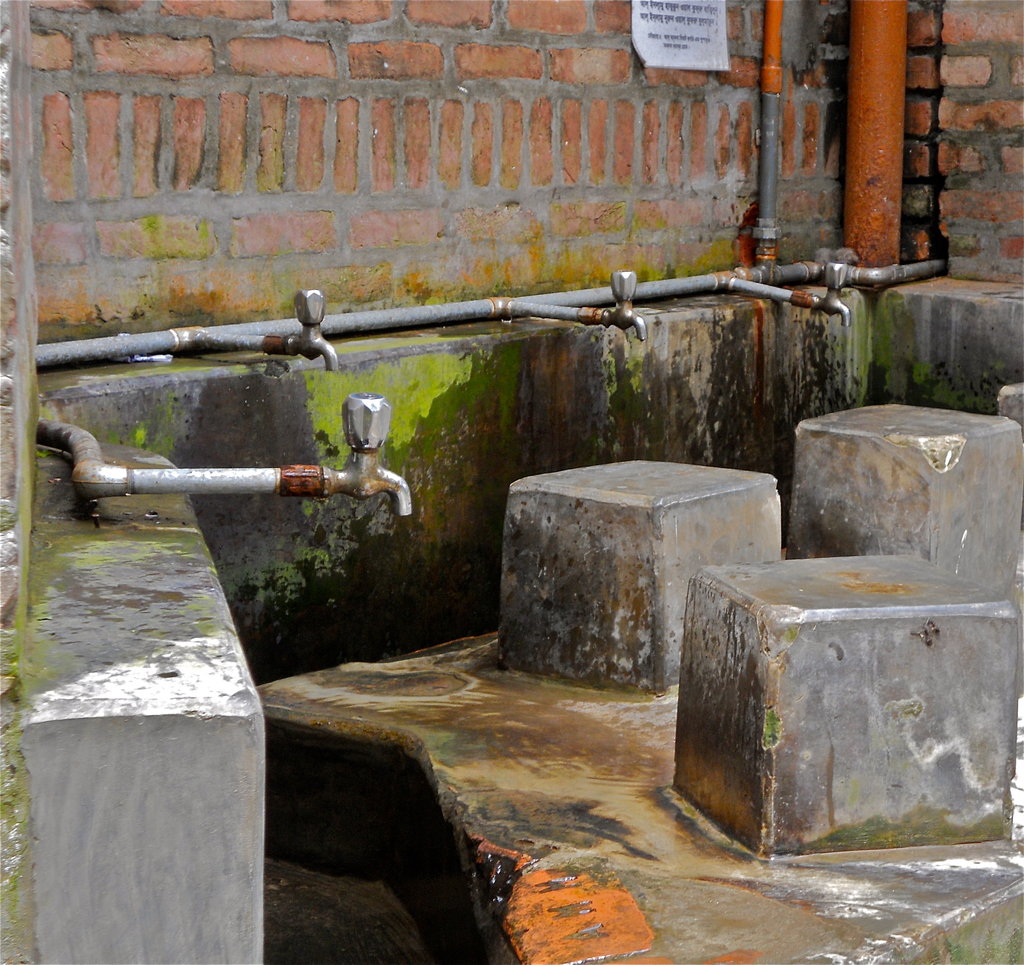
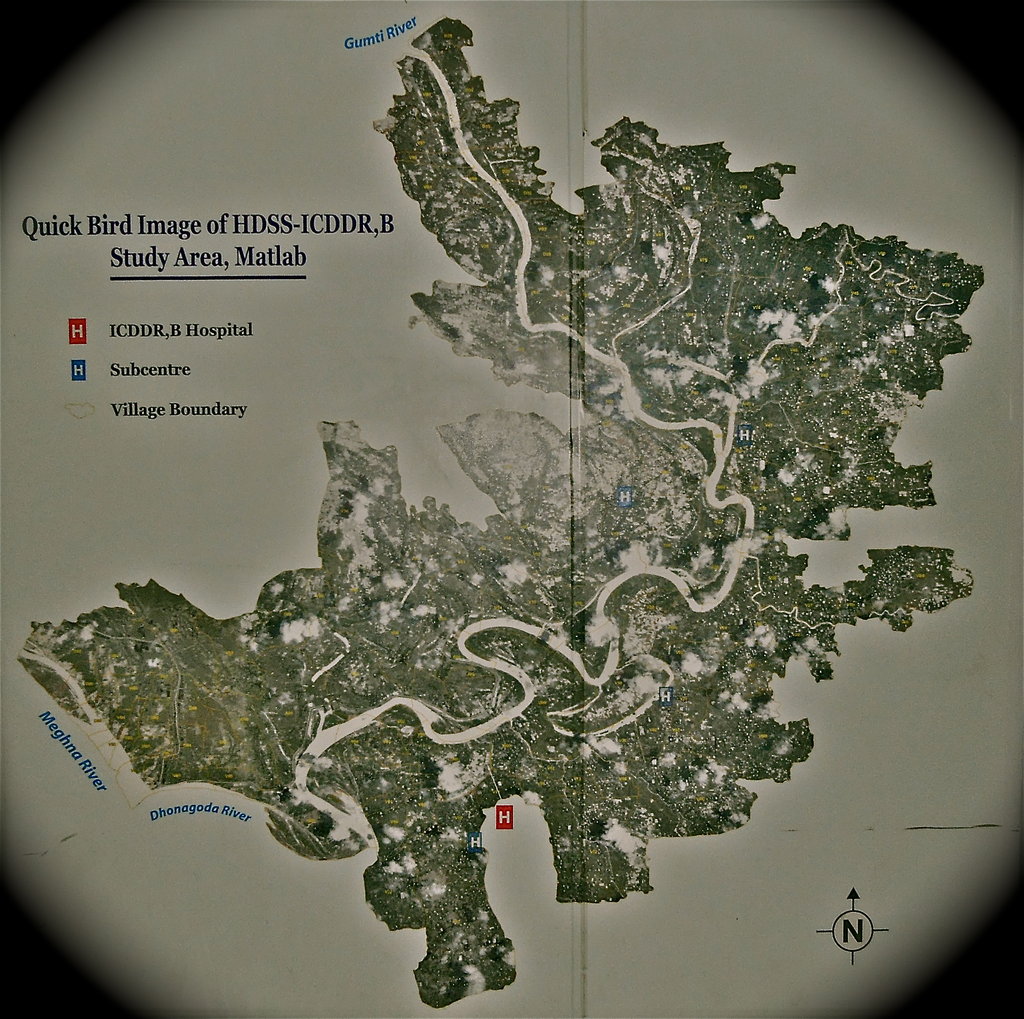
Can you believe it's 2014 already? We've been busy working on manuscript revisions after receiving some excellent feedback from PLoS One and brainstorming our next steps with respect to data analysis. One of the topics we're most interested in exploring is how clean water and access to sanitation - as well as distance to the Meghna Delta - impact the likelihood of cholera clustering in Matlab, Bangladesh. While the Meghna Delta is often considered the biological reservoir for the cholera bacterium, we are curious about whether potable water and sanitary latrines can reduce the likelihood of contracting cholera - even if a village is geo-spatially close to the disease reservoir. At present, most literature agrees that both water and sanitation as well as hydro-climatic factors - such as proximity to the naturally-occurring disease reservoir - are critical to the spread of cholera; however, we have yet to establish a clear understanding of how such infrastructural and environmental elements interact. Additionally, we're looking forward to investigating how the state of water and sanitation in neighboring villages impacts the vulnerability of a given village. For instance, there are some villages in Bangladesh that have excellent access to clean water and sanitation; however, they are surrounded by neighbors that do not. Does this change how vulnerable they are to cholera? Is there a threshold to their vulnerability? Is that threshold contingent on distance from the Meghna Delta? This kind of knowledge is vital to improving disease management and ensuring that the right resources get to the right place at the right time.
We're excited about what's ahead as we start moving forward and answering these questions. Our goal at V0P is to create actionable knowledge that enables water, sanitation, and health organizations and helps them better understand and control cholera in Bangladesh. With your help, we've been able to continue forth in our mission, and for that we could never thank you enough!
Project reports on GlobalGiving are posted directly to globalgiving.org by Project Leaders as they are completed, generally every 3-4 months. To protect the integrity of these documents, GlobalGiving does not alter them; therefore you may find some language or formatting issues.
If you donate to this project or have donated to this project, you can receive an email when this project posts a report. You can also subscribe for reports without donating.