By Maia Majumder | CEO
How quickly the past three months have gone!
In May, I gave a talk at the Tufts Environmental Literacy Institute's annual conference. This year's theme - One Health - couldn't be more perfect. It was an amazing opportunity for Village Zero to get our name out among global game-changers who have a vested interest in both health and the environment. Interested in checking out the presentation? You can find it here.
June and July have been primarily dedicated to putting the final touches on our manuscript "Spatiotemporal Patterns of Annual Cholera Outbreaks in Matlab, Bangladesh", which we recently submitted to PLoS ONE. Though we can't share the draft of our paper until it's been accepted, I wanted to share our abstract to offer a glimpse into what eye-opening and incredible work we've been able to do with your help:
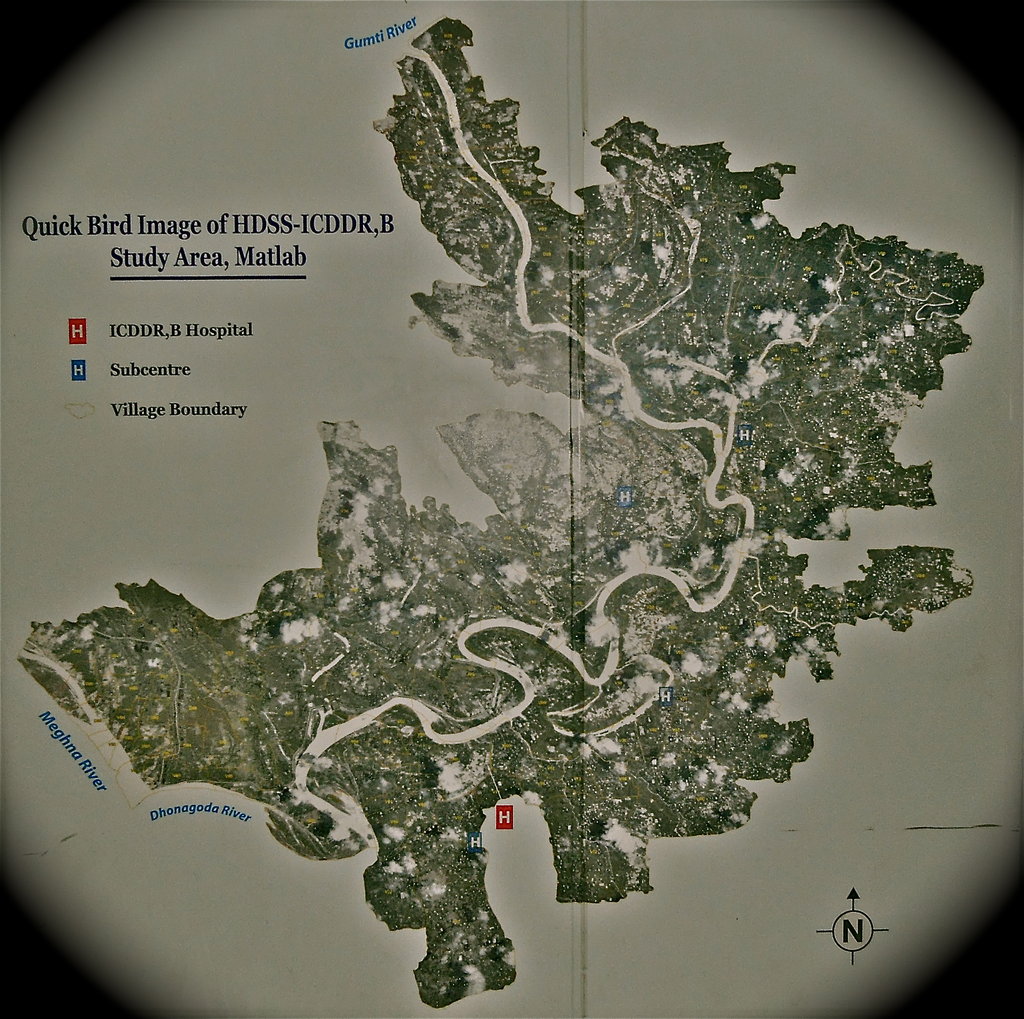
"Endemic cholera demonstrates bimodal seasonality in Bangladesh, peaking before and after the monsoon season every year. While this temporality has been researched extensively, geospatial trends have received less attention in the current literature. This is perhaps the first attempt to explore the spatiotemporal trajectory of endemic cholera in the near-coastal, rural community of Matlab, Bangladesh using 10 years of geographically referenced survey data from the International Centre of Diarrheal Disease Research, Bangladesh (ICDDR,B). Cholera cases were plotted in time and space, and Getis-Ord Gi* was utilized to quantify geospatial clustering of disease from one month to the next. Our analysis indicates that villages closer to the Meghna River in the southeast region of the study area experience greatest overall cholera incidence and statistically significant, positive case clustering (p = .05). April/May and November/December represent 25% and 23% of total annual case counts respectively. The first and second peaks also represent 19% and 20% of positive case clusters respectively, all of which are within the southeast corner of the study area. Such initial results demonstrate great promise in advancing our present knowledge of endemic cholera in Bangladesh. By improving our understanding of cholera proliferation, disease mitigation resources can be distributed to the most susceptible areas when they need them most. The next step forward involves the use of mobile health (mHealth) case surveillance for real-time spatiotemporal cholera data acquisition and forecasting model development."
The Village Zero Team prides itself in being a "humanitarian research organization"; our goal is to create scientifically verifiable, intellectually credible information that can help key water, sanitation, and health organizations in Bangladesh utilize their resources for the greatest possible impact against endemic cholera. In the fall, our next steps include testing some of the environmental models that we've been developing against existing data sets and creating a user-friendly applet that utilizes these models to accurately predict the probability of cholera incidence in a given vilalge given humidity, rainfall, and temperature. We hope that these tools prove useful to our partner organizations like the ICDDR,B that work tirelessly to cure Bangladesh of endemic cholera. Moreover, we expect that once our first paper has been published, we'll be able to garner the funding necessary to implement the dynamic, mHealth surveillance portion of our mission; with real-time data, we'll be able to better hone the tools we develop and thus, better inform cholera mitigation strategies in Bangladesh. It's bound to be an exciting several months ahead!
With Gratitude,
Maia Majumder
Project reports on GlobalGiving are posted directly to globalgiving.org by Project Leaders as they are completed, generally every 3-4 months. To protect the integrity of these documents, GlobalGiving does not alter them; therefore you may find some language or formatting issues.
If you donate to this project or have donated to this project, you can receive an email when this project posts a report. You can also subscribe for reports without donating.