By Tara Kola | Student Intern
Dear Friends, Family, and Supporters,
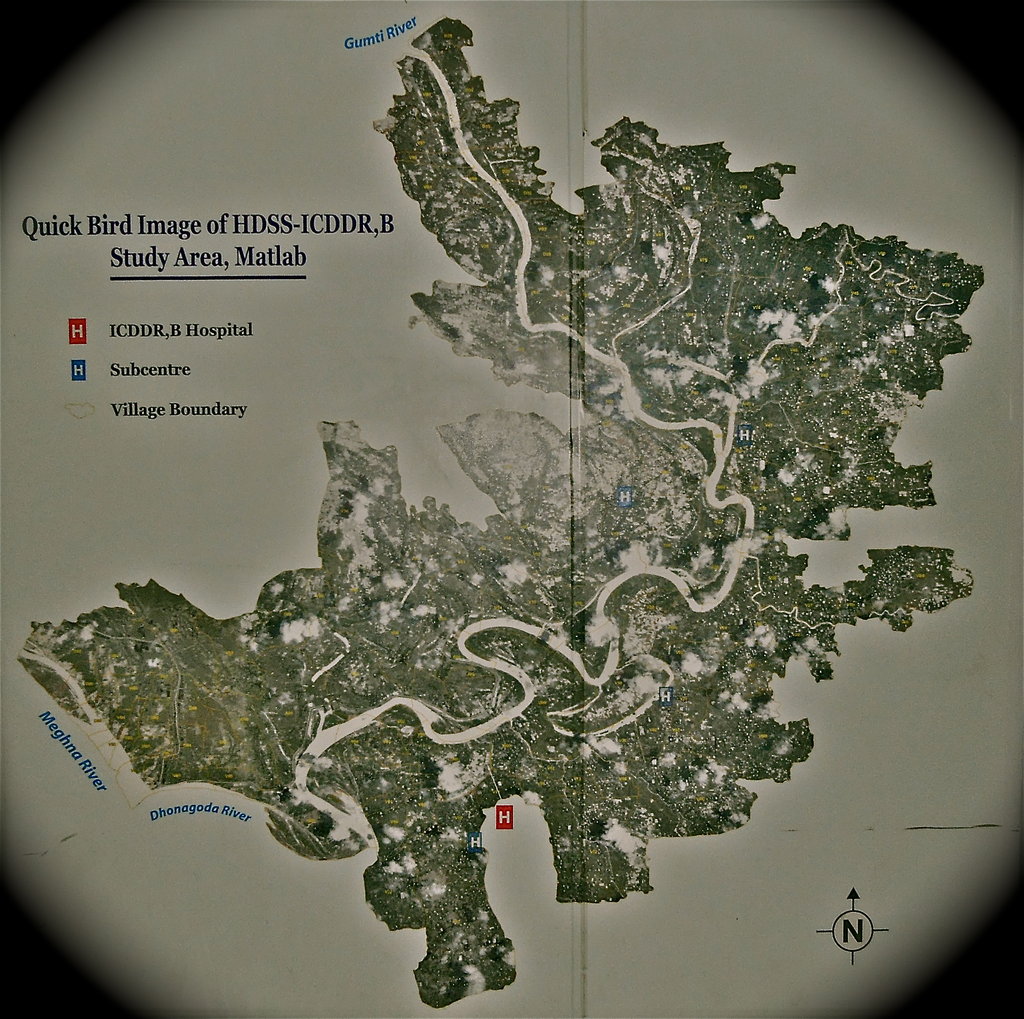
As the summer of 2013 approaches, the Village Zero Project is one year past our first phase of data collection in Matlab, Bangladesh. In one year, we have moved from being data analysists to being informed actors. The data collected last year has become compelling visualizations of the progression of cholera in space and time. The visualizations show that the number of cholera cases show clear trends both geospatially and temporally.
Over the course of the last few months, we focused on creating new visualizations to help us understand the areas most affected during each month with greater statistical precision. Our next step was to investigate why we were observing the trends that we observed. By doing extensive research on the causes of endemic cholera, we learned a great deal about the strong link between climate and cholera. We collected climate data, and used this data to understand which factors are strong predictors of disease occurrence.
We are in the process of publishing our findings in a peer-reviewed journal. In addition to writing up our findings, we have also given two presentations of our findings at the Water: Systems, Science and Society Sympossium, and the Education for Public Inquiry and International Citizenship Symposium: Global Health and Security.
Apart from our findings, we also presented briefly about another project currently in progress: an interactive applet that enables data discovery. We are currently in the process of designing the interactive system that would allow the user to find connections between climactic data and disease incidence data. This applet will be posted on our website in the coming months as it is developed.
With so much that has already been achieved in a year in the way of data analysis, we look towards a future of informed action. Now that we have conclusive evidence for the geospatial and temporal trends in endemic cholera, the next step is to increase the scope of Village Zero. We plan on using mHealth (mobile health) to collect realtime data about disease incidence to help create a prediction system for cholera based on all the data analysis we have done this year. This prediction system will eventually allow resources to be diverted to the right place at the right time.
We have gotten through the data analysis phase of the Village Zero project with the support of our donors. The next phase of our project involves implementing an mHealth data collection system, and creating a framework for resource allocation. As we now move into the action phase, we need more support then ever.
Thank you for your support, and help us transform data analysis into informed action!
-The Village Zero Project
Links:
Project reports on GlobalGiving are posted directly to globalgiving.org by Project Leaders as they are completed, generally every 3-4 months. To protect the integrity of these documents, GlobalGiving does not alter them; therefore you may find some language or formatting issues.
If you donate to this project or have donated to this project, you can receive an email when this project posts a report. You can also subscribe for reports without donating.