By Shana Greene | Co-Executive Director/Village Volunteers
Dear Donor,
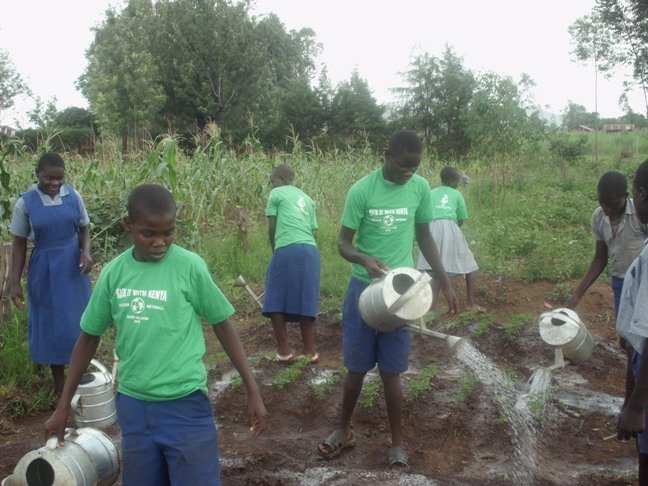
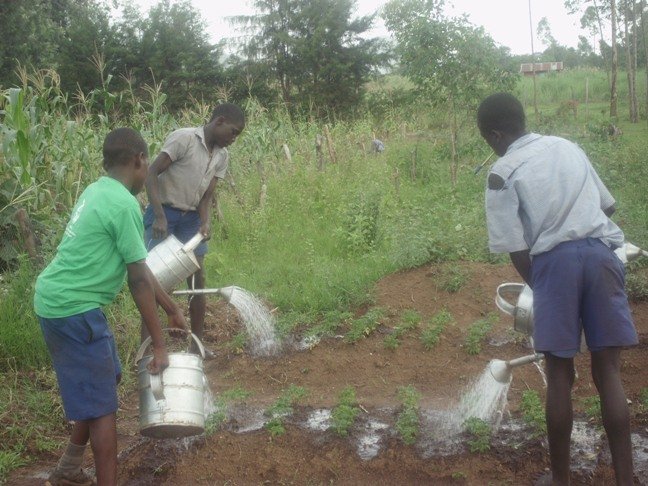
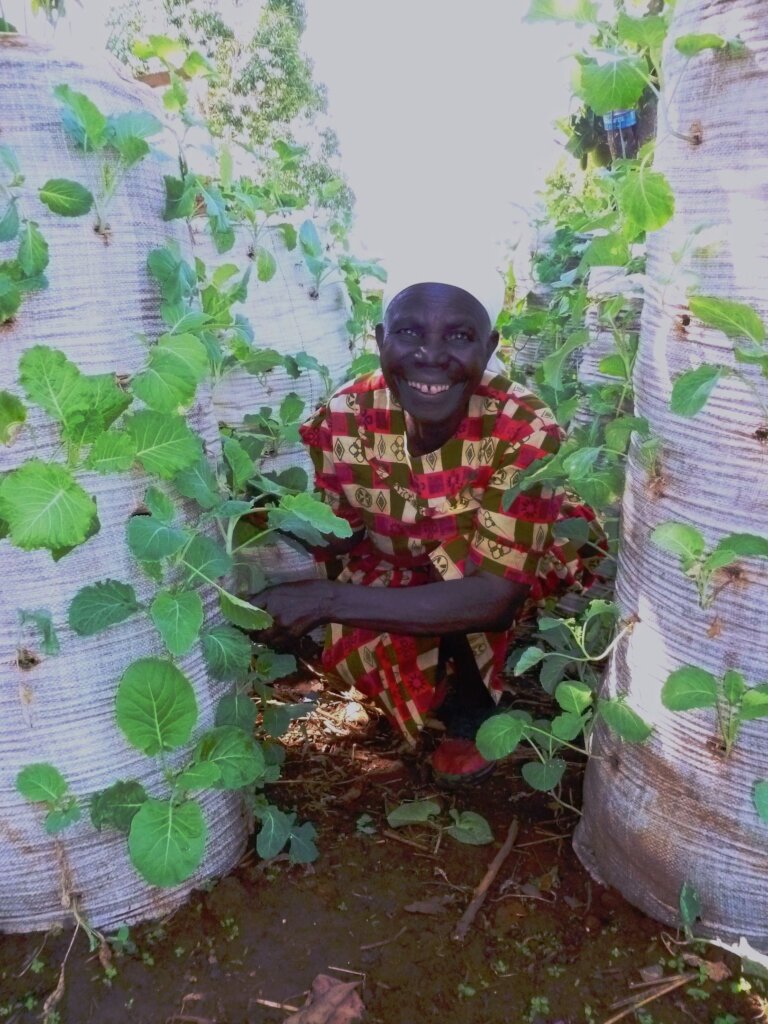
We thank you for hanging in with us in our quest to support sustainable farming in Western Kenya. If you didn't know, Kenya has experienced a terrible drought that killed thousands of livestock and parched the crops and then the farmers had to deal with torrential rain that damaged farmland and roads. As you would expect, it caused great hardship and hunger affecting families who count on farming as their way of life.
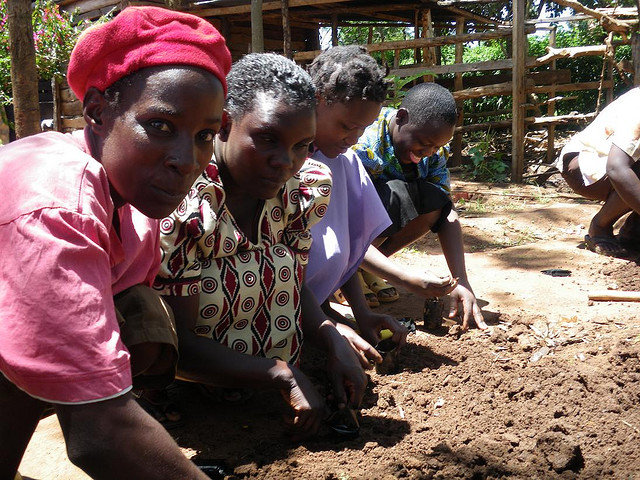
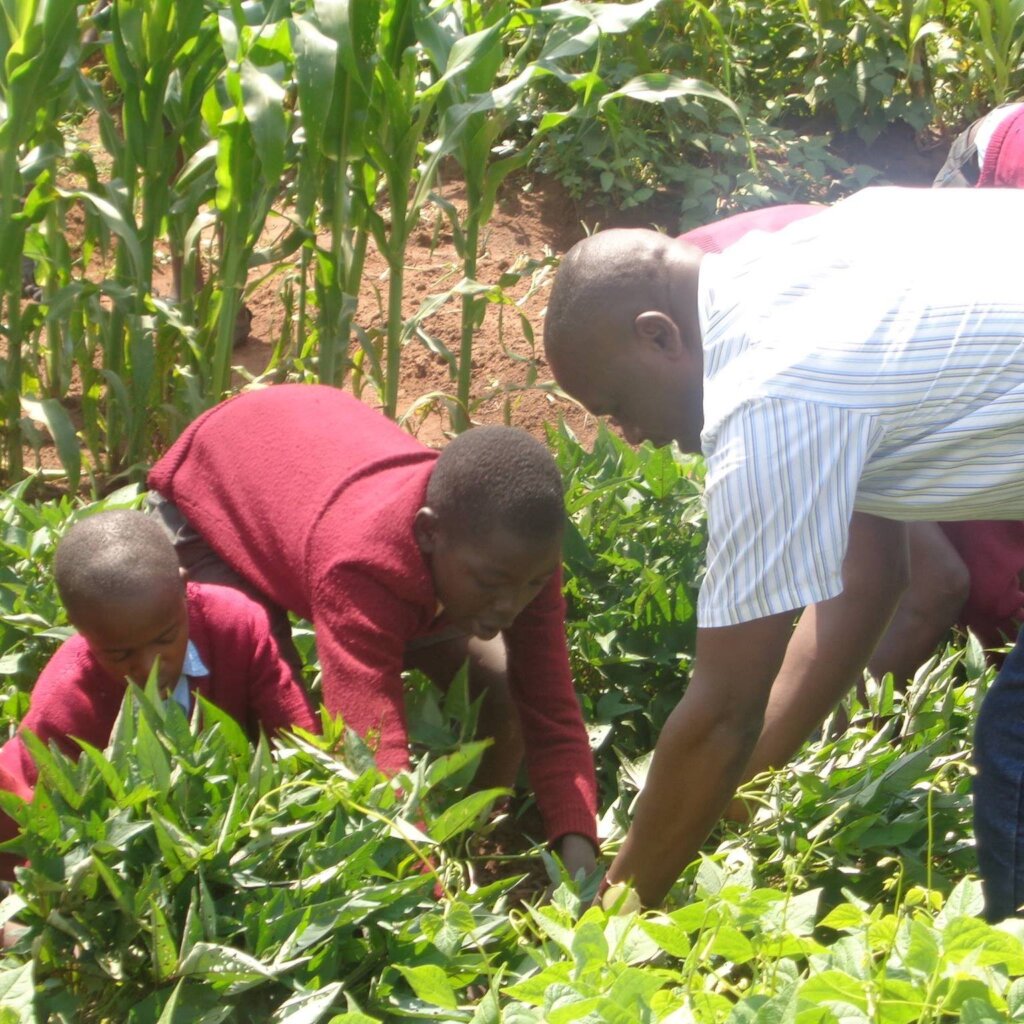
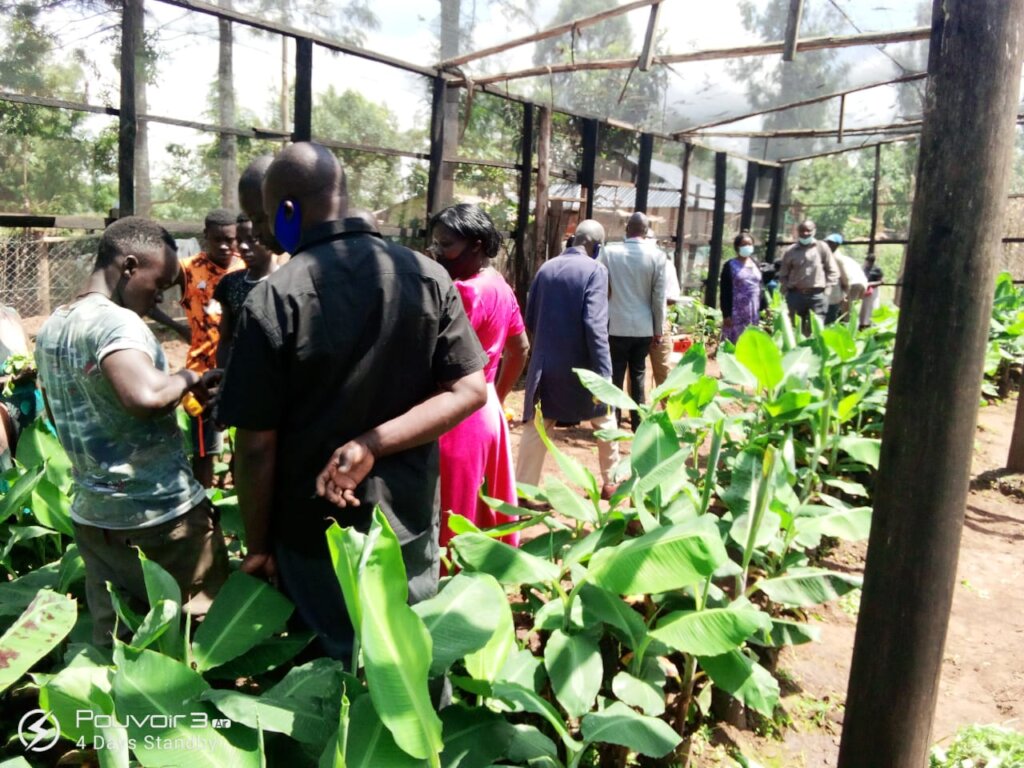
It's difficult to pick one issue that feels more productive when you roll up your sleeves and tackle the aftermath. The farming experts in the area are pitching in to help the widows and families who were dealt a devastating blow.
These are the steps to deal with these weather events once and for all
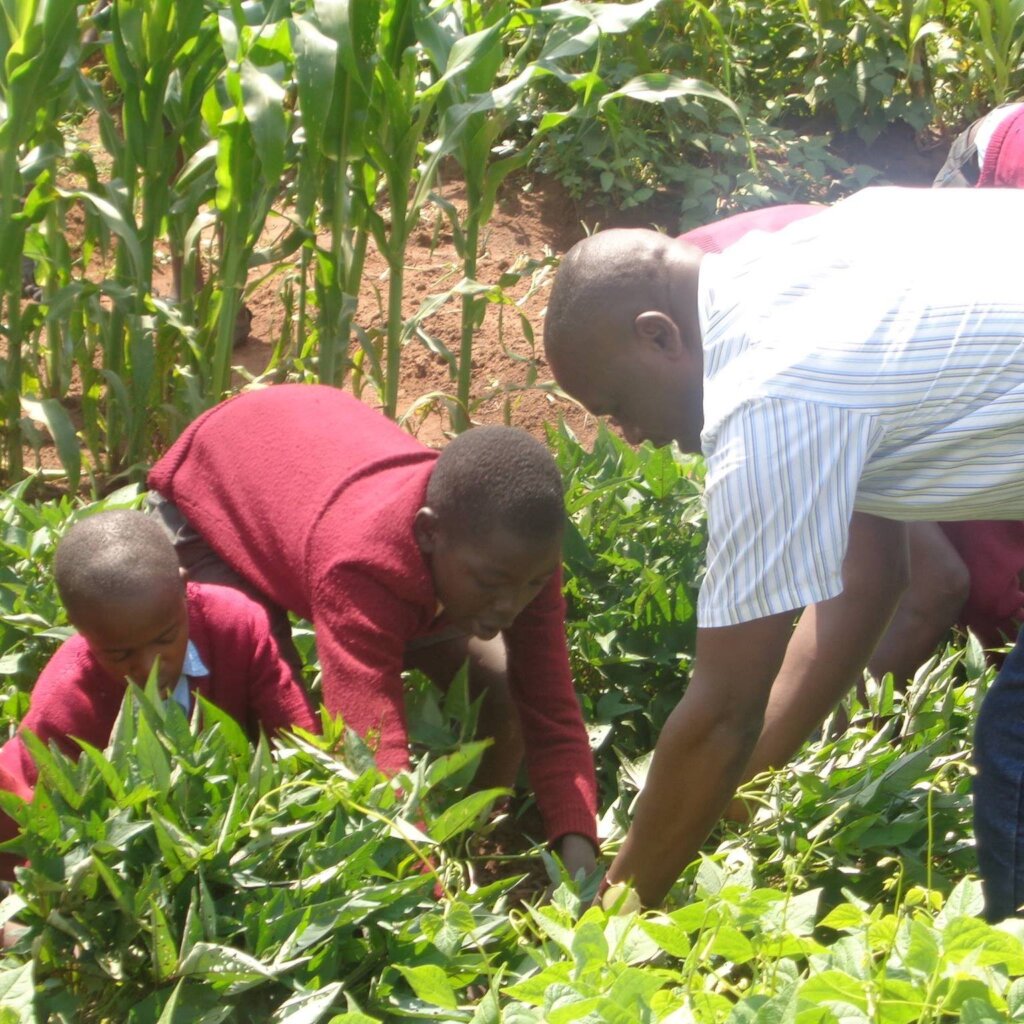
1 Increase soil fertility by alternating livestock and crops. Conventional commercial farming often prioritizes profit, which can unintentionally lead to soil erosion, degraded soil, and increased greenhouse gases. Regenerative farming prioritizes healthy soil and healthy ecosystems as a long-term approach.
2. Farmers can protect their land from floods by planting trees, restoring riparian vegetation, and rethinking crops to lessen flooding impacts on farmlands as well as downstream areas.
3. Assessing land to provide tools to reduce flood risks on farms to provide an adequate drainage system. Such a system involves maintaining watercourses, improving drainage, and removing sediment that can accumulate over time.
4. Regenerative farming practices like no-till farming, cover cropping, composting, and crop rotation can provide healthier and more drought-resistant soil to combat climate events.
Thank you for your assistance. Any donation now will be distributed through Common Groung.
Project reports on GlobalGiving are posted directly to globalgiving.org by Project Leaders as they are completed, generally every 3-4 months. To protect the integrity of these documents, GlobalGiving does not alter them; therefore you may find some language or formatting issues.
If you donate to this project or have donated to this project, you can receive an email when this project posts a report. You can also subscribe for reports without donating.