By Dr. Ashish Satav | President, MAHAN trust
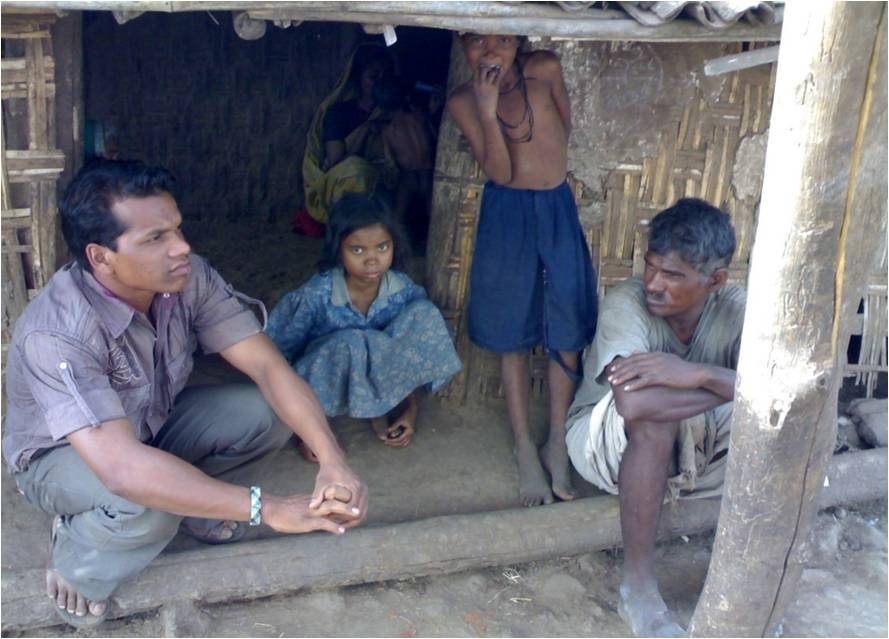
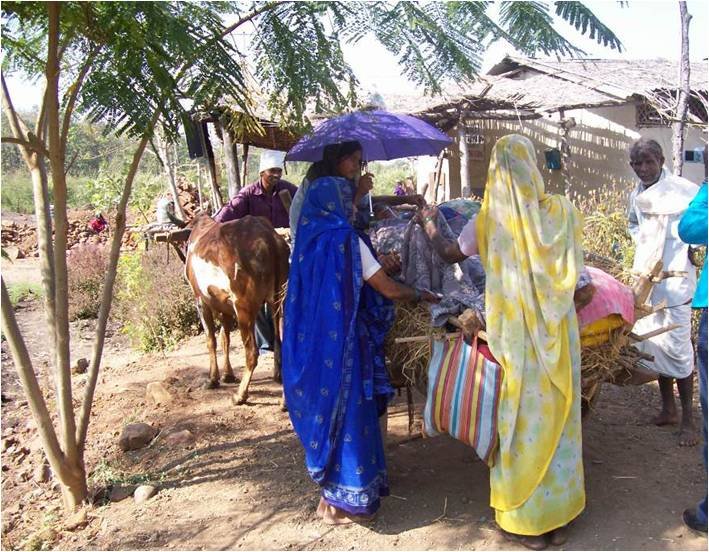
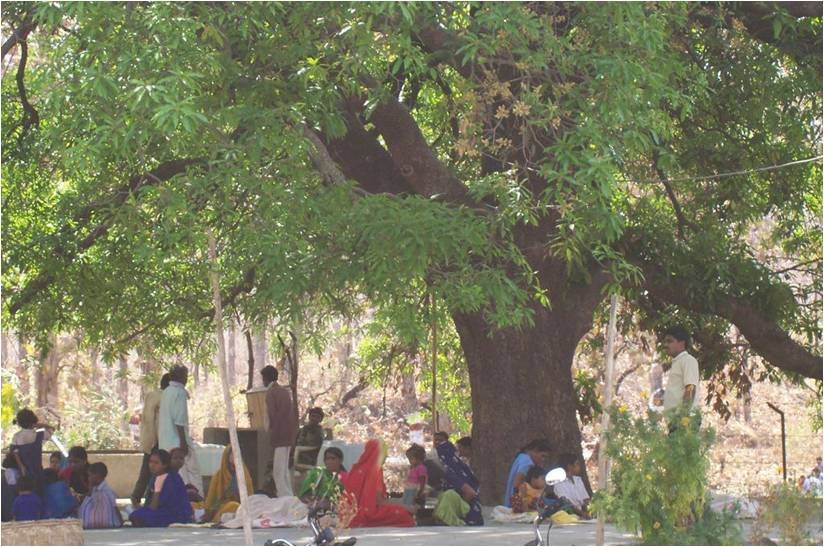
MAHAN (Meditation, AIDS, Health, Addiction, Nutrition) is a non-government organization established in 1998 to improve health care in Melghat region. MAHAN was touched by Gandhian teaching that “youths should go to the villages to serve as real India is in villages”. Melghat is the hilly forest area in the beautiful Satpuda mountain ranges. Population is 300,000 & 75% of them are tribal. Korku is the major tribe of Melghat. Most of the tribal (>90 %) are farmers or laborer, living below poverty line (>80%) & very hard life in huts (>90%) mostly without electricity & illiterate (>50%). Medical facilities are grossly inadequate in Melghat as compared to rest of Maharashtra. Due to lack of proper medical facilities & superstitions, tribals go to traditional faith healers/quacks (pujari & bhumkas) for treatment of illness. Skin is burnt with red hot iron rod for reducing pain known as Damma. This lead to very high under 5 children mortality (>100 per 1000 live births) especially Malnutrition related deaths and very high mortality in age group (16-60 years) & maternal mortality. Moved by such things, we started the project in Melghat in November 1997. MAHAN Trust has dedicated its work to reduce malnutrition and mortality among under-five children, women and economically productive age group through various programs like HBCC, MCPEPAG and SAMMAN. Below is a snapshot of our achievements in these projects aided by our generous donors.
SAMMAN (Community based Management for Severely Malnourished Children)Aim of the Project
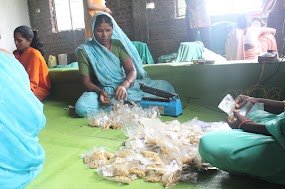
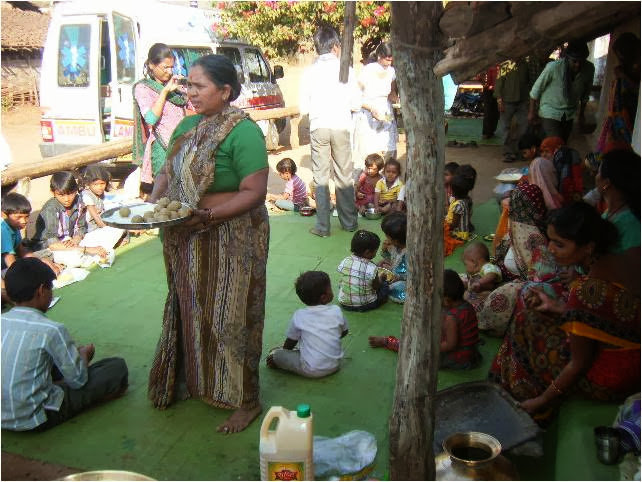
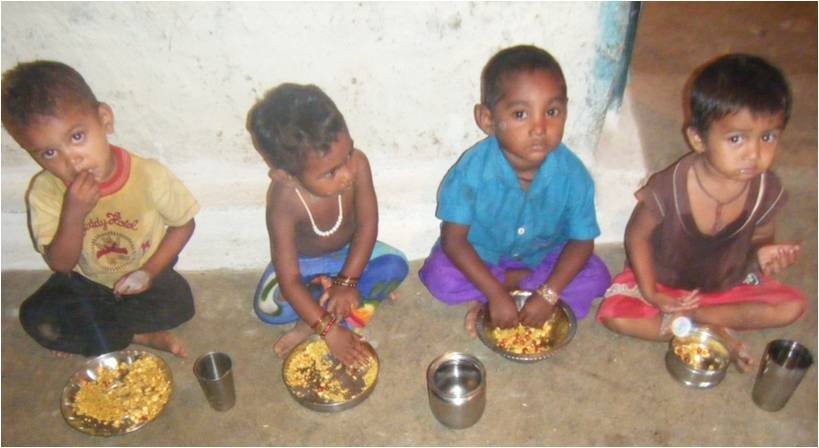
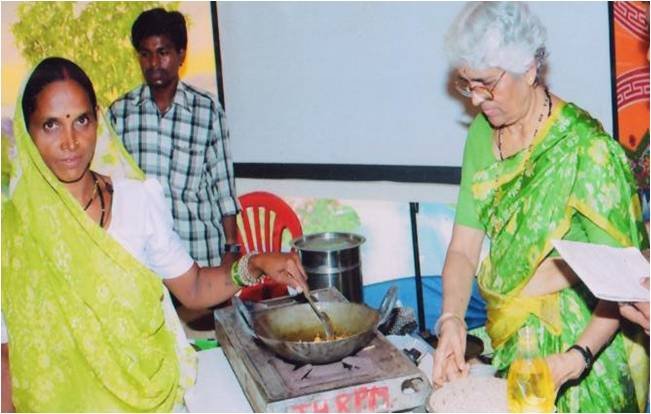
To reduce prevalence and death of severe malnutrition in under 5 children (SMC) (SUW & SAM) using local therapeutic food (LTF) distributed by Village Health Workers (VHWs).
Total under 5 children measured
2745
Total Severe Malnourished Children
11.3%
Total SMCs treated in SAMMAN
252
Case fatality rate (CFR) of Treated SMC 0
Case fatality rate (CFR) of overall SMC 1 (0.28%)
There was not a single death amongst treated SMCs and hence we could achieve WHO target of CFR of <4%.
Success STORY
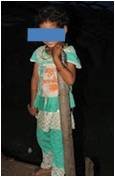
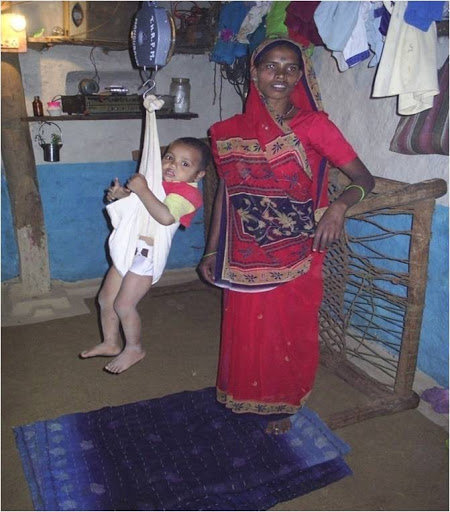
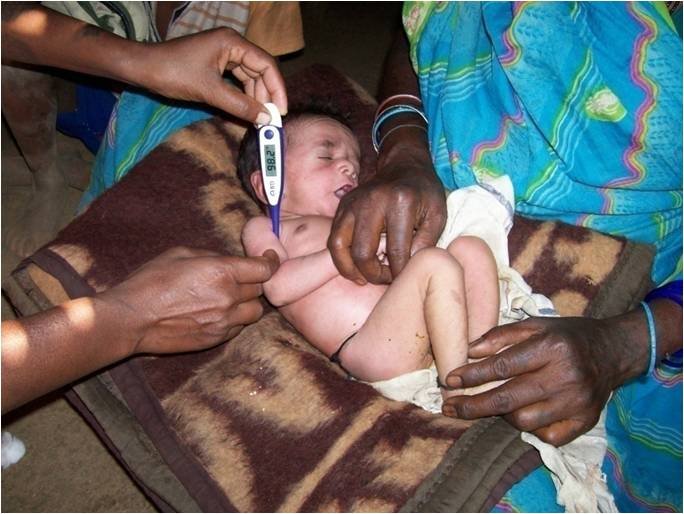
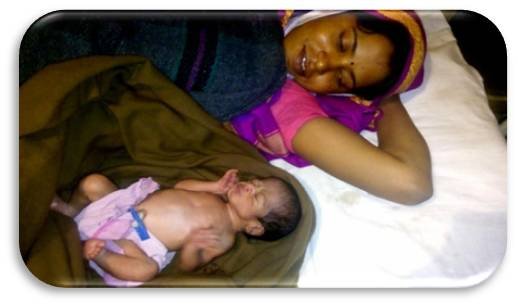
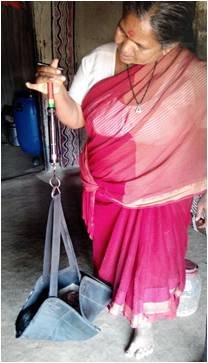
A 4.8 years old kid from Kara village was identified as severely malnourished child. On 29/8/19 the child was recorded to be 11.37 kg and height 105 cm. The grade was SUW+SAM. The child was started on LTF. The anthropometry done on 30/10/19 shows weight 14.85 kg and height 105 cm. the child is recovered from severe malnourishment.
HBCC (HOME-BASED CHILD-CARE Program)
Aim of the Project
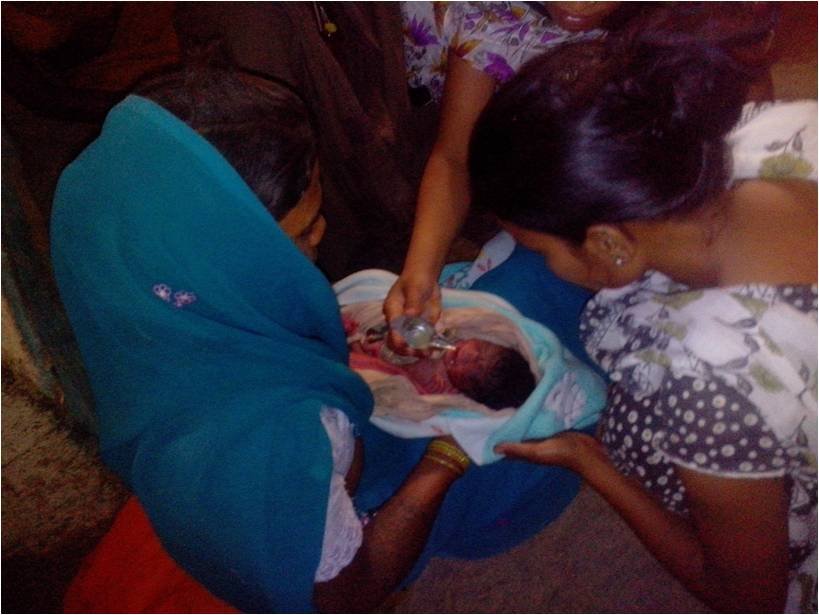
To reduce under 5 children mortality rate and prevalence of malnutrition in 34 Villages.
No. of 0-5 years patients treated by VHWs: -1524
Impact achieved
Under 5 Mortality Rate. 57.80
Success STORY
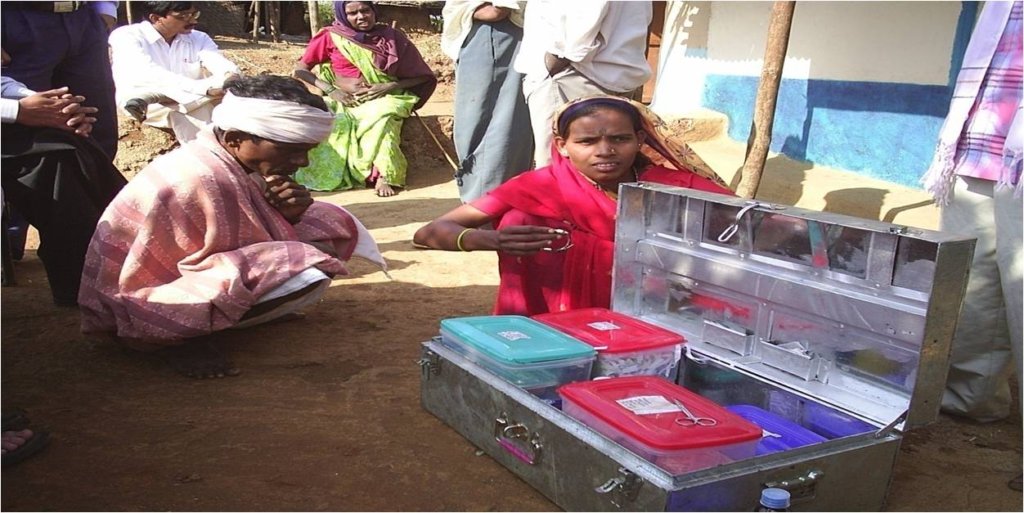
A 35 months old female child from Pankhalya village. She Visited to Arogyadooth to seek treatment for cough and cold. On Examination Arogyadooth found that her respiratory rate was high (50/min) with 1010 F fever. She treated her with Amoxicillin and paracetamol for seven days. Baby got relief from pneumonia within four days and now she is doing well.
MCPEPAG (Mortality control program for economically productive age group, 16-60 years)
Aim of the Project
To reduce number of deaths in 16-60 years age group from 34 villages.
Activities and Impact
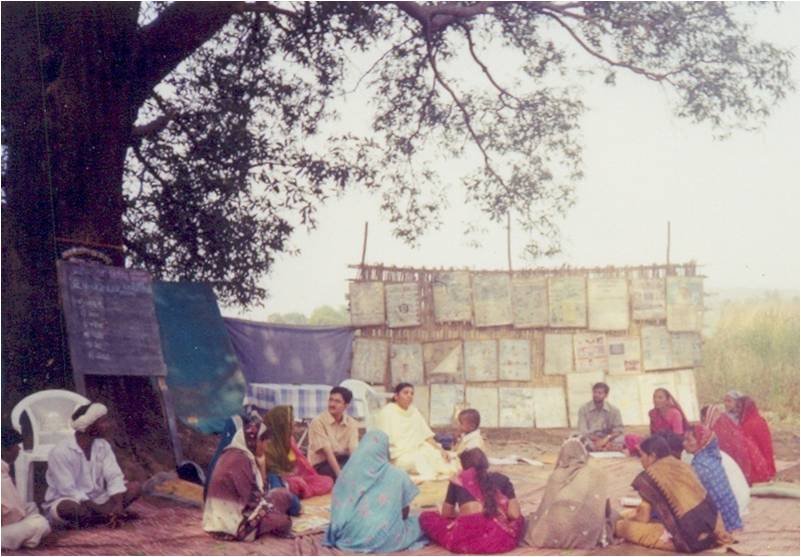
Total Behavior change communication beneficiaries in 34 Villages
6441
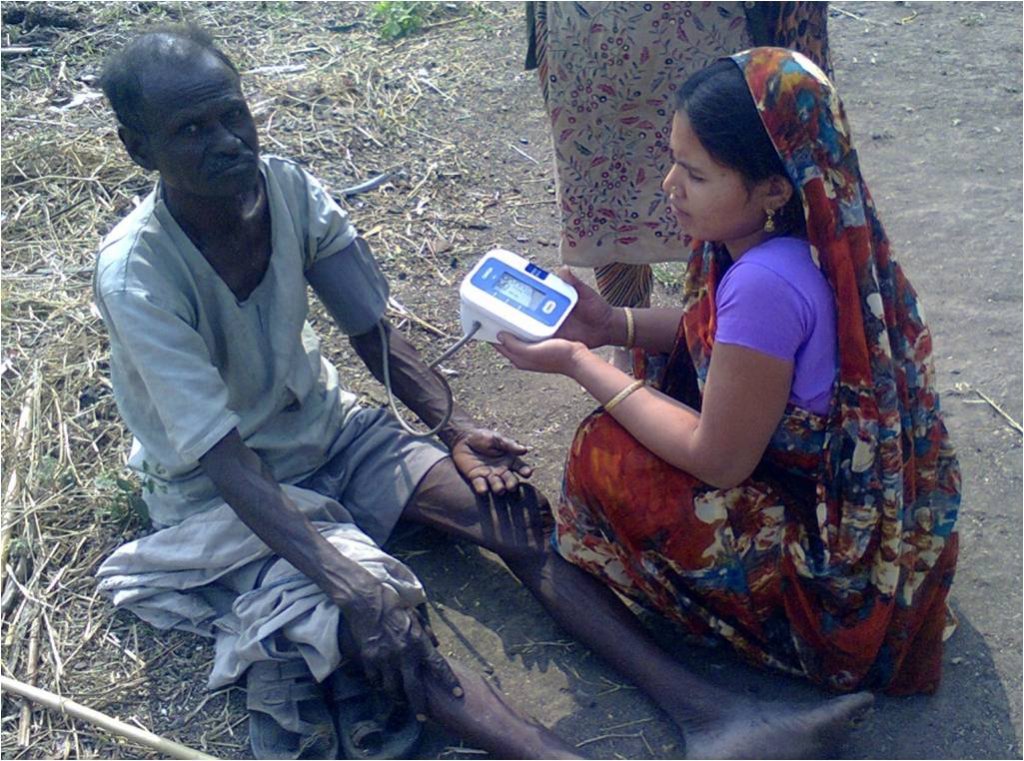
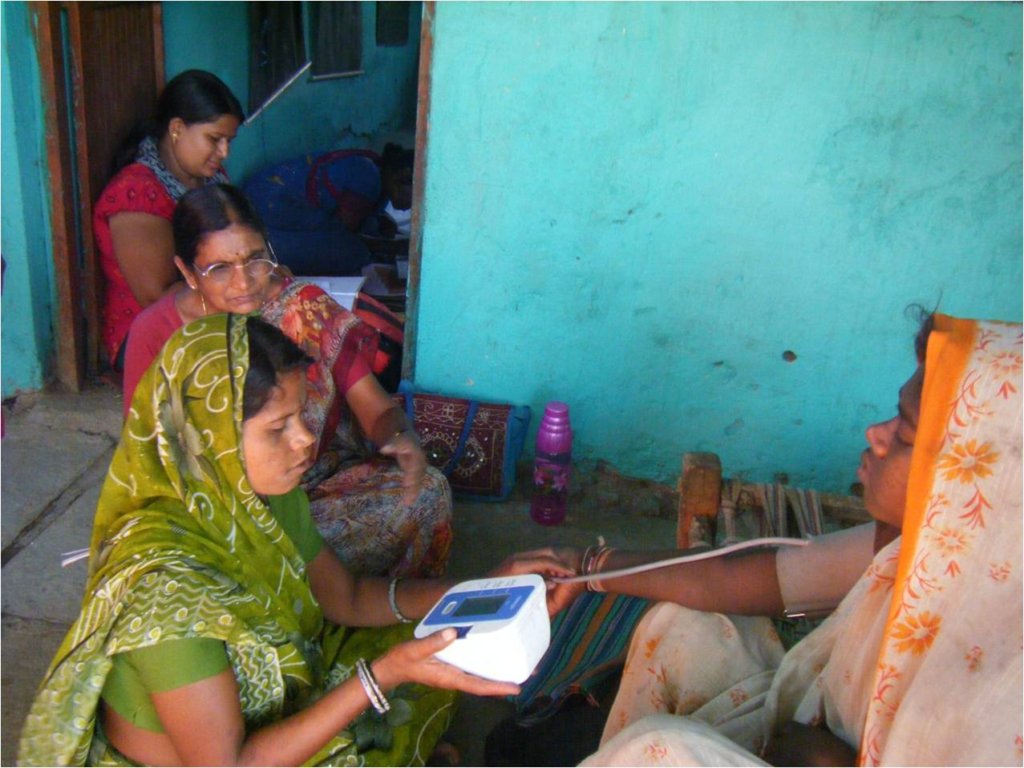
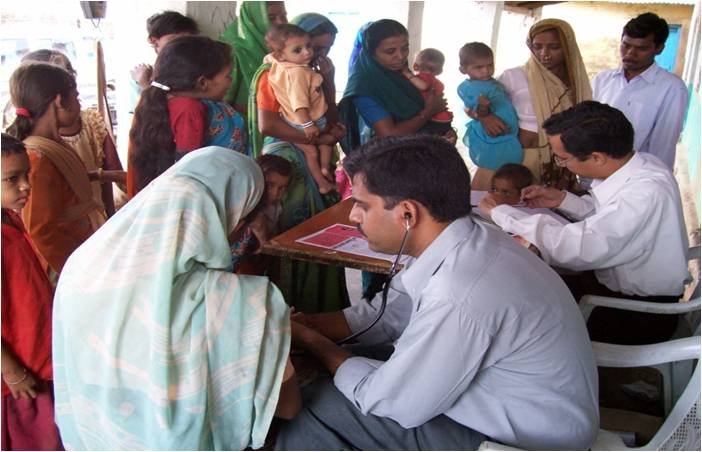
This program involves treatment of patients suffering from hypertension, malaria, diarrhea, asthma and referral of patients of TB, heart diseases, anemia, etc. to hospital.
Intervention Area
Impact achieved
MCPEPAG population
20842
Total number of Patients beneficiaries
1941
Age specific mortality rate per lakh population
211
Prevalence of untreated and uncontrolled hypertension
7.3%
Success story:-
A lady from Borikheda had 5 – 6 episodes of diarrhea with blood in it. VHW from village treated her with ORS, Norfloxacin and Metronidazole for 7 days.
Hospital report:- (OCTOBER to December 26)
1) Hospital care Beneficiaries (OPD) 2491
2) Total Hospital Inpatient Beneficiaries (IPD) 327
3) Critical Care Beneficiaries (ICU) : 76
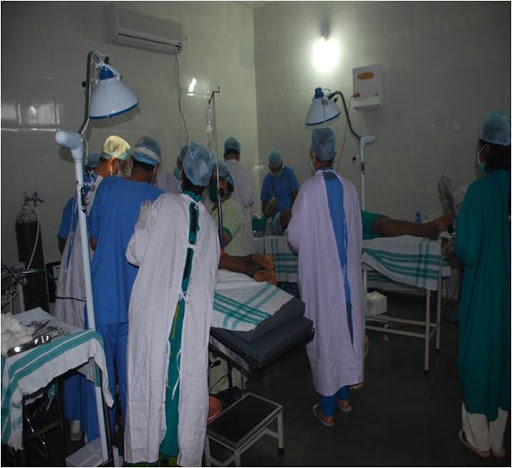
4) Surgery camp : 133
Success story :
This poor 60 years old tribal female patient was suffereing from cancer of breast since many months. Due to poverty she couldnot go to cities for surgery. She was operated free of cost by our expert visiting oncosurgeron and plastic surgeon. She is now improved a lot.
Expenses…..
Expenses(INR)
Hospital care, HBCC, SAMMAN, MCPEPAG: Rs. 39,50,797/-
Links:
By Dr. Ashish Satav | President, MAHAN trust.
By Dr. Ashish Satav | President , MAHAN trust
Project reports on GlobalGiving are posted directly to globalgiving.org by Project Leaders as they are completed, generally every 3-4 months. To protect the integrity of these documents, GlobalGiving does not alter them; therefore you may find some language or formatting issues.
If you donate to this project or have donated to this project, you can receive an email when this project posts a report. You can also subscribe for reports without donating.