By Cesca Eaton | UK Operations Manager, Doctors for Nepal
Namaste,
Lalit is now fully immersed in his postgraduate studies in Cairo, Egypt, thanks to your generous donations. He has settled in extremely well despite finding the language very difficult. Lalit’s native tongue is Nepalese but he has done all his medical studies in Nepal in English. Lalit says: “Now I’m in Cairo I need to understand Arabic. None of the patients or nurses understand English very well. It is hard for me but I’m trying. I have started a residency in Obstetrics and Gynaecology – my passion – any difficulties I have are gone when I’m doing my job, I love it! Thank you to all donors, I am truly grateful for this opportunity to do postgraduate study. I will be a better doctor when I'm back in Nepal “.
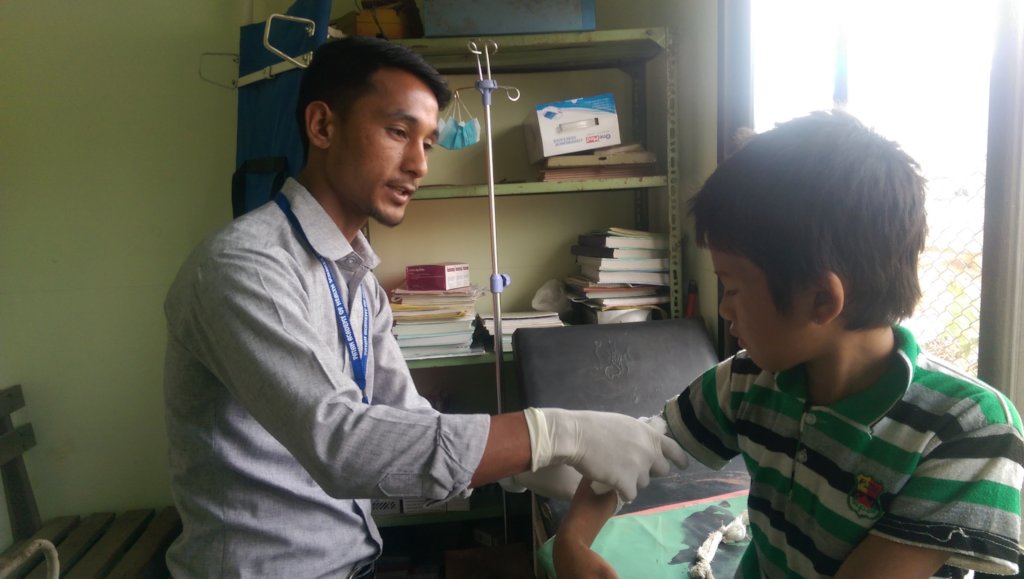
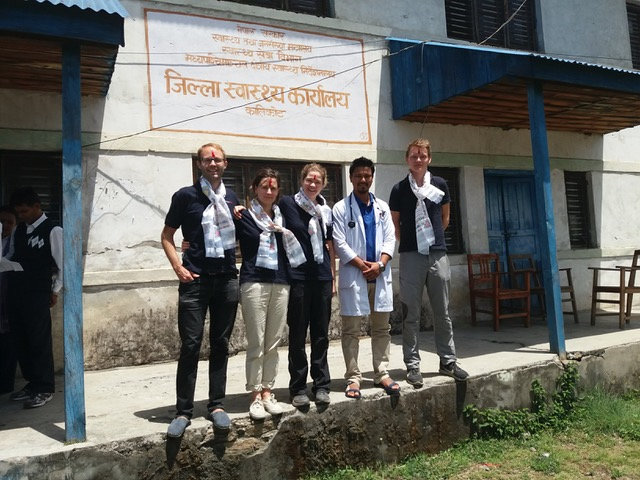
Our other two qualified doctors, Meena and Nahakul, are working hard as doctors in their remote villages in Jumla and Kalicot Districts in Nepal. A group of British medical students have just returned from their medical elective, which we arranged for them at Nahakul’s remote hospital in Manma. All 5 British students were astonished to learn that for two months Nahakul was the only doctor at Manma, despite being only 2 years on from qualification! One of the UK medical students, Steph Mulhern says:
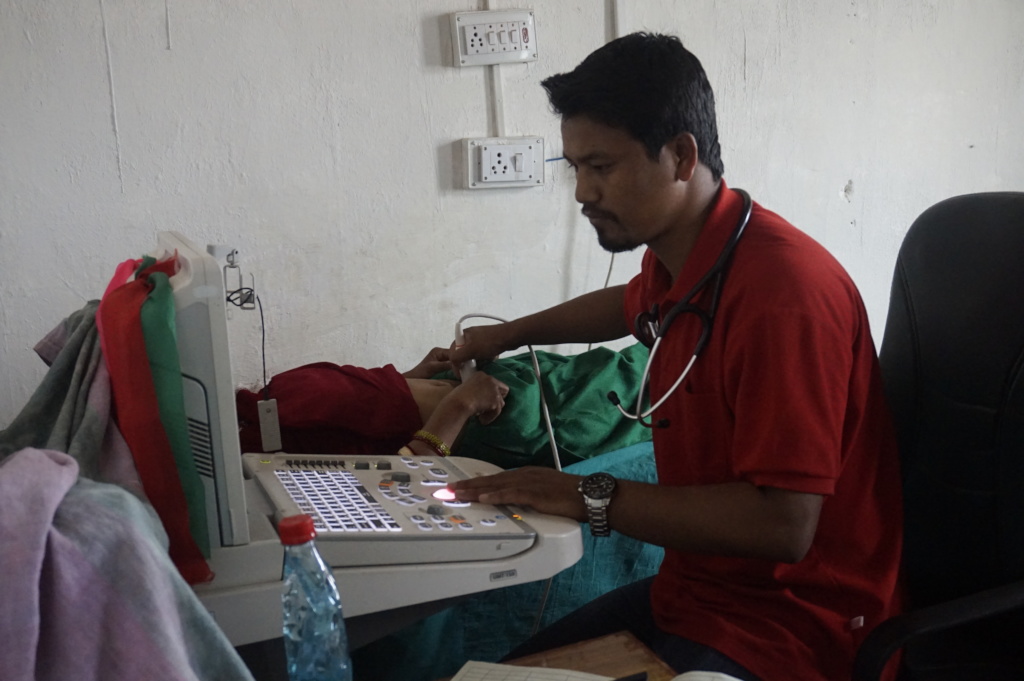
“Here the doctors would deal with everything from obstetrics to paediatrics, geriatrics to orthopaedics. The doctors would send their patients off for the limited tests available, always thinking carefully about the bare minimum the patient needed so the patient would not have to spend any more money than they needed to, a crucial skill when most patients are subsistence farmers. Tests available included some very basic blood tests, an X-ray that made bad quality films, and an ultrasound scanner. Anything else required the patient to be transferred to the nearest big hospital, 5 hours on an incredibly bumpy road in a busy, hot bus. Experiencing health care in rural Nepal was an incredibly interesting experience. In the UK we have a plethora of investigations and seniors and other specialist teams always close by. In Kalikot the doctors had to use clinical judgement in an incredibly impressive way. The doctors were fairly fresh out of medical school but their range of knowledge and skills was extremely impressive. Dr Nahakul was one of the warmest, friendliest, happiest people we have ever met and we thoroughly enjoyed spending time with him.”
Meanwhile, all our 7 Nepali medical students are hard at work with their studies in Kathmandu. Dhanendra, 2nd year student, finished his second residential Health Post placement in Makwanpur district in June. He was tasked with carrying out community-based learning and education at a health-post, where he assessed the overall health services on offer to patients. He collected data regarding the limited facilities available, and also found out more about the day-to-day challenges his patients face. He concluded that the health post was playing a vital role in maintaining the rural community’s health. It’s interesting to note that despite Dhanendra also coming from a rural community, his village is in the far-west of Nepal, he has experienced a big difference in the culture and food habits of the people living in Makwanpur district. He has leant many new communication skills, which have enabled him to communicate better with his patients, but above all he’s gained more experience in being totally self-motivated in a difficult environment.
All our doctors, medical students and nursing students continue to be grateful for your generous support towards our ultimate aim of helping to improve healthcare in rural Nepal. Thank you from them, and all at Doctors for Nepal.
Project reports on GlobalGiving are posted directly to globalgiving.org by Project Leaders as they are completed, generally every 3-4 months. To protect the integrity of these documents, GlobalGiving does not alter them; therefore you may find some language or formatting issues.
If you donate to this project or have donated to this project, you can receive an email when this project posts a report. You can also subscribe for reports without donating.