By Ann Cheeseman | Lynn Sage Breast Cancer Foundation
Behind every breast cancer diagnosis is a team of specialists working to detect, interpret, and guide the next step in care. But across the country, that system is under growing strain.
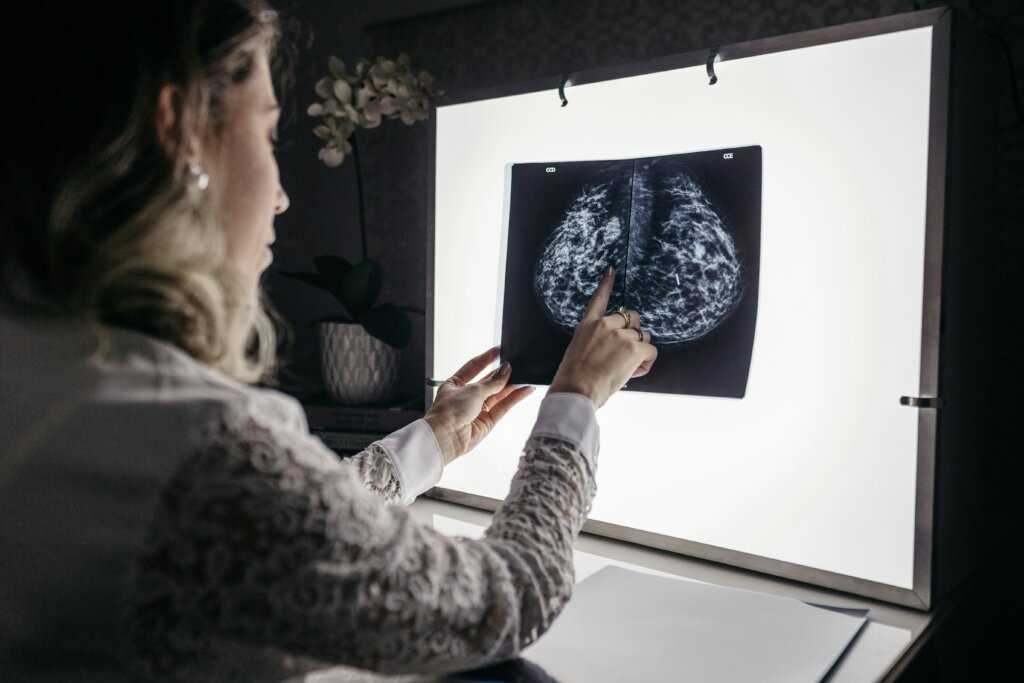
Demand for breast imaging is rising, driven by increased screening, greater awareness, and more advanced technologies. The 2024 US Preventive Services Task Force update to breast cancer screening guidelines—lowering the starting age for biennial mammography from 50 to 40—expanded the U.S. mammography market by roughly 20 million newly eligible women. At the same time, the number of specialists trained to read and interpret those images isn’t keeping pace.
A recent study led by Dr. Sonya Bhole—former Lynn Sage Breast Imaging Fellow, current Board member, and Associate Professor of Radiology and Director and Physician Lead of Ambulatory Breast Imaging at Northwestern University Feinberg School of Medicine—underscores just how urgent this challenge has become. Surveying breast imaging radiologists nationwide, the research found that nearly 80% report being short-staffed, with shortages extending beyond physicians to technologists and support staff.
The impact is far-reaching: longer wait times for screenings and results, increased workload and burnout among providers, and added strain on an already stretched system. For patients, these delays can mean more time waiting for answers and more uncertainty during an already difficult moment. And the consequences of delay are not abstract. Patients diagnosed at earlier stages have a 5-year survival rate of 99%, whereas those diagnosed at later stages have a 5-year survival rate of just 31%.
A Growing Gap in Care
Breast imaging is a highly specialized field that requires additional training beyond medical school and residency. Yet even as demand continues to grow, fewer physicians are choosing to pursue this path. The result is a widening gap between patient need and available specialists.
There are approximately 7,500 breast imaging radiologists in the United States — roughly 4 per 100,000 women ages 40 and older. Fellowship training data points to limited applicant interest in the specialty: in 2025, only 162 of 204 available breast imaging fellowship positions were filled, leaving 42 unfilled. And the burnout picture is striking: 78% of practicing breast radiologists report experiencing burnout, per the Society of Breast Imaging.
As Dr. Bhole’s research highlights, many practices are already operating with too few radiologists and support staff. Increasing patient volumes, combined with the intensity of the work, are contributing to burnout – and burnout carries direct risk for patients. Research has found that burnout and diagnostic errors in radiology are interconnected, with burnout eroding concentration and resilience, and thereby increasing the likelihood of missed or delayed diagnoses. Without meaningful intervention, this gap will only continue to grow.
Strengthening the Future of the Field
Addressing this challenge starts with the pipeline, ensuring more physicians are trained, supported, and empowered to enter and remain in breast imaging.
The Lynn Sage Fellows Program plays a critical role in that effort. By supporting early-career doctors as they pursue specialized training in breast cancer care, the program helps expand the number of physicians equipped to interpret complex imaging, guide diagnoses, and care for patients at pivotal moments. Just as importantly, it provides the mentorship and support needed to sustain long-term careers in a demanding and evolving field.
Investing in What Comes Next
Solving the breast imaging workforce shortage will take time, coordination, and sustained commitment. A 2025 study from the Harvey L. Neiman Health Policy Institute projects the radiologist workforce shortage will persist through at least 2055, driven by rising imaging demand and post-COVID attrition rates that are 50% higher than pre-pandemic levels. But one thing is clear: the future of care depends on the specialists entering—and staying in—the field today.
By investing in these physicians, Lynn Sage is helping strengthen the systems patients rely on, ensuring more timely diagnoses, more accessible care, and a stronger future for breast cancer treatment. Because behind every early detection—and every moment of clarity—is a specialist who made it possible. And thanks to you, more of them are on the way.
Project reports on GlobalGiving are posted directly to globalgiving.org by Project Leaders as they are completed, generally every 3-4 months. To protect the integrity of these documents, GlobalGiving does not alter them; therefore you may find some language or formatting issues.
If you donate to this project or have donated to this project, you can receive an email when this project posts a report. You can also subscribe for reports without donating.



Support this important cause by creating a personalized fundraising page.
Start a Fundraiser