By Kalash Shakya | Programme Coordinator
Women are geared up with new skills
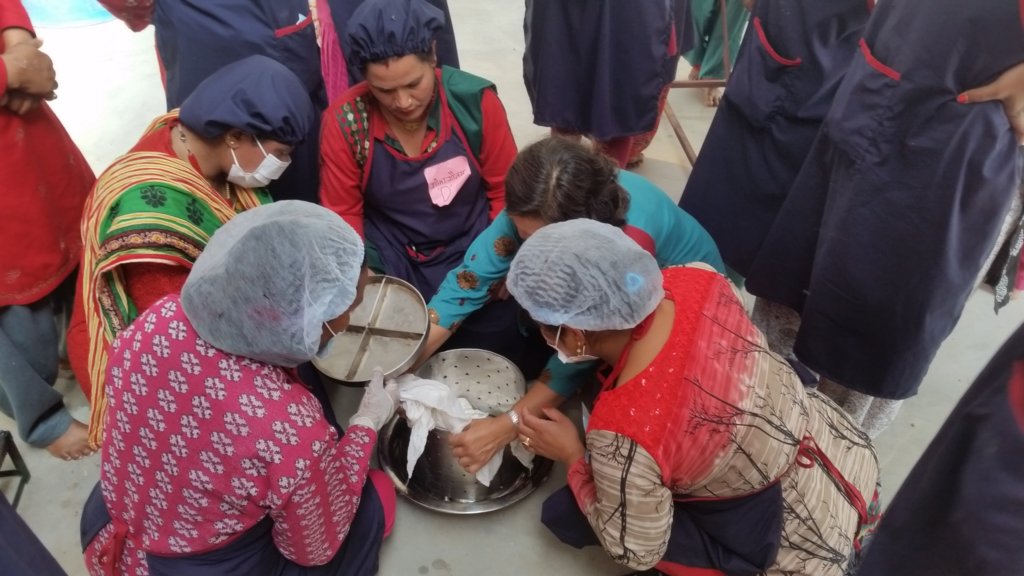
Dwarika hurriedly finishes her household chores and rushes to the Common Facilitation Centre with some cow milk. ‘I am very excited to learn the methods of making various dairy products from milk.” Dwarika sounded excited to learn Khuwa making at SABAH Nepal’s Common Facility Centre. (Khuwa is a type of condensed milk from which various types of sweets and confections are made).
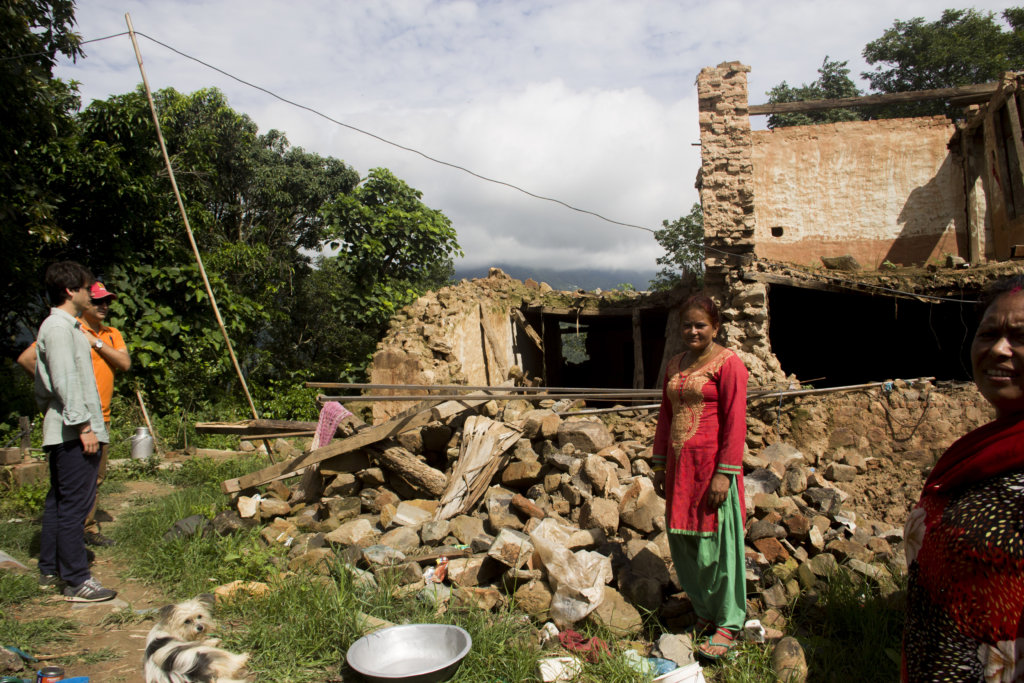
It’s been two years since the April ’15 earthquake and Dwarika continues to live in a makeshift house. The family savings was not enough to repair the house. Dwarika wants to contribute to the family’s income so that she could repair the house. For this she has bought a cow and has started selling milk to the local milk collection centre. “The income from selling cow’s milk only helps me to buy the essentials and pay the school fee of my son, I don’t know when will I be able to rebuild the house. I don’t think government will ever come to helps us”, Dwarika shared her situation.
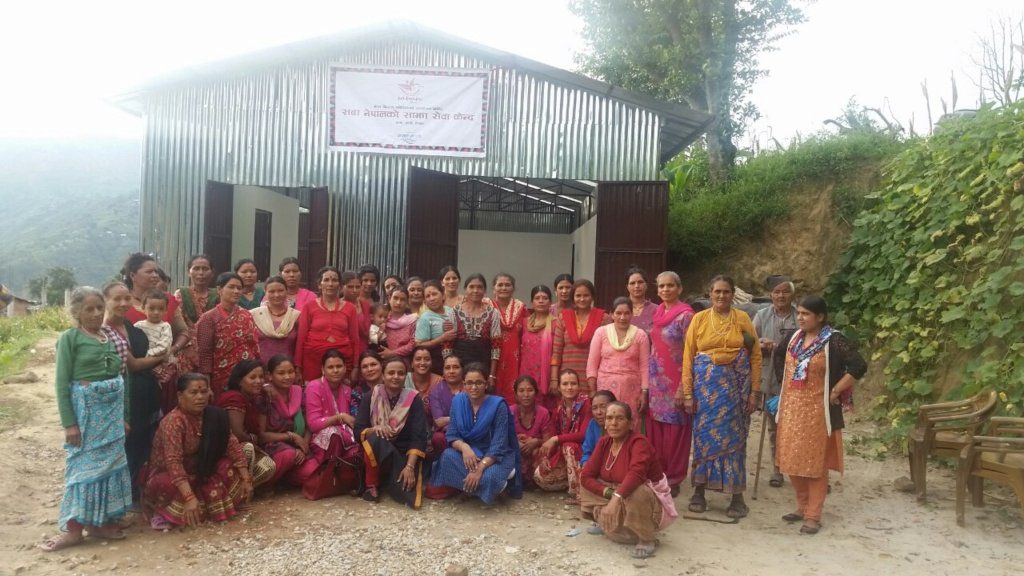
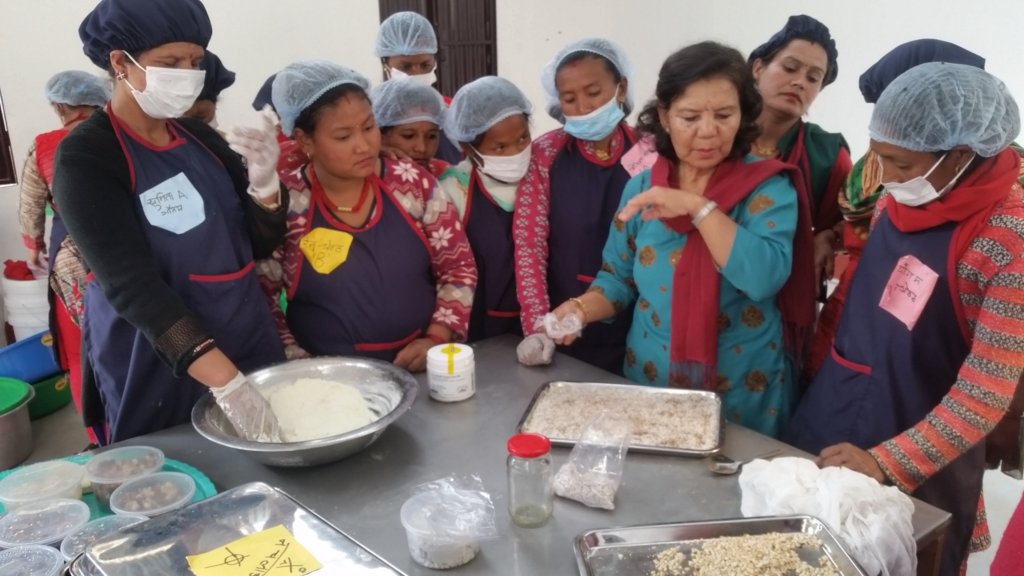
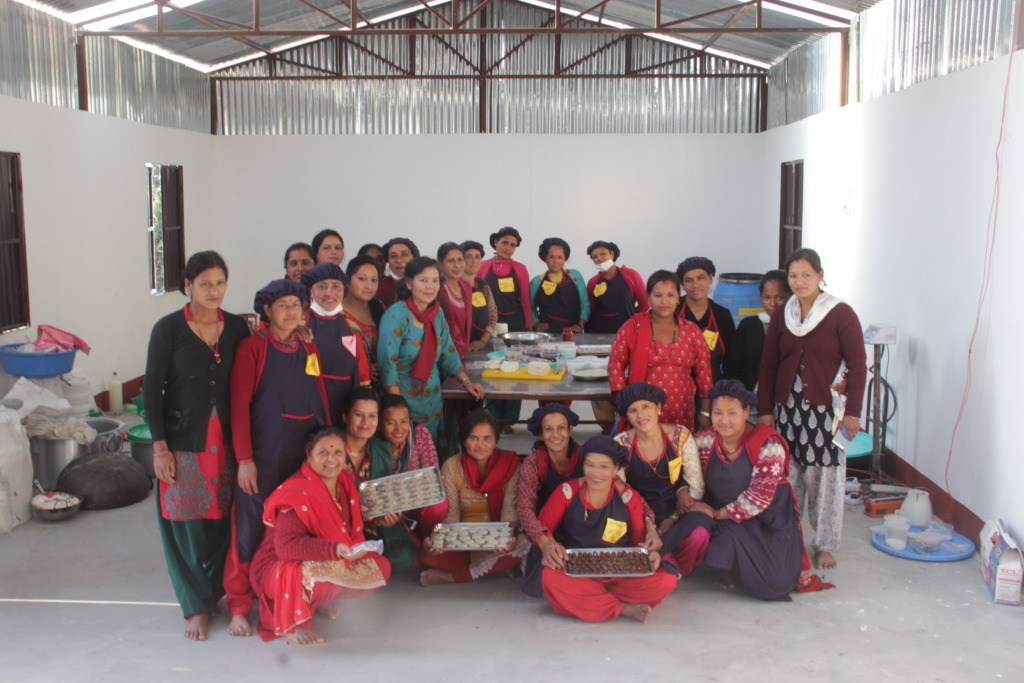
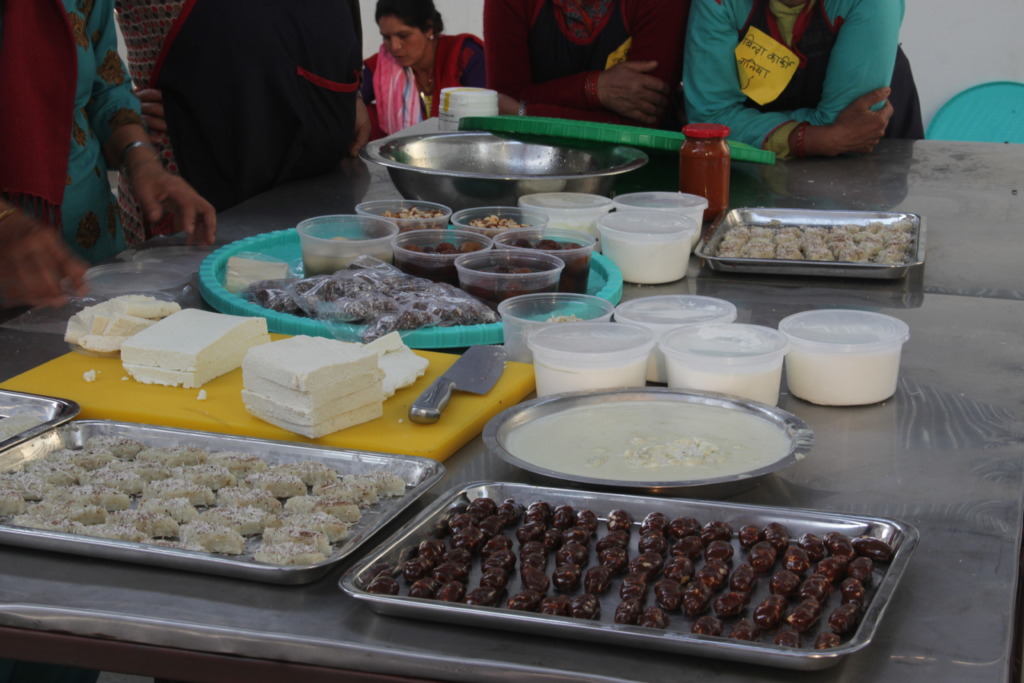
Though the government’s reconstruction effort has been slow, a group of women are quickly acquiring new skills in SABAH Nepal’s Common Facility Centre. A group of 25 women have gathered in Khawa CFC to learn various milk products making methods such as Khuwa (condensed milk), Paneer(acid set farmer’s cheese), Cheese and varieties of sweets made from milk like Pustakari, Rasbari, Lalmohan, Barfi, surbit.
The main objective of the dairy processing training is to provide women the necessary skills so that they can make various products from milk and sell it in the market. This increases their involvement in additional nodes of milk value chain providing them increased income. For instance, by selling Khuwa, there will be a 150 percent increase in their income.
1 kilo Khuwa (can be made from 6 litre of milk) = Rs 490
6 litre Milk = Rs. 300
(The production of Khuwa uses a simple technology. Fuel and other expenses to make a kilo of Khuwa is less than Rs 100 per kilo)
‘We learned to make so many products from milk and it’s not that difficult to make these things. We are more excited to know that by selling products made of milk our profit margin increases upto 50 percent.’ Dwarika one of the participant of the training seemed determined to get into the milk processing business in her free time.
During the second quarter of the project, the training programmes ran full-fledged in both of the community centres. In January, the on-the-job trainings on Lapsi candy making were conducted in both Nala and Khawa CFCs. In the training, 12 women in Khawa and 14 women in Nala were involved. The training was conducted mainly to utilize and revive the learned skills from the Lapsi processing training from the 1st quarter. During the trainings, 1 ton of Lapsi candy were produced. Designated marketing personnel from the community itself were provided with the market linkage support from SABAH which was also a learning experience for them.
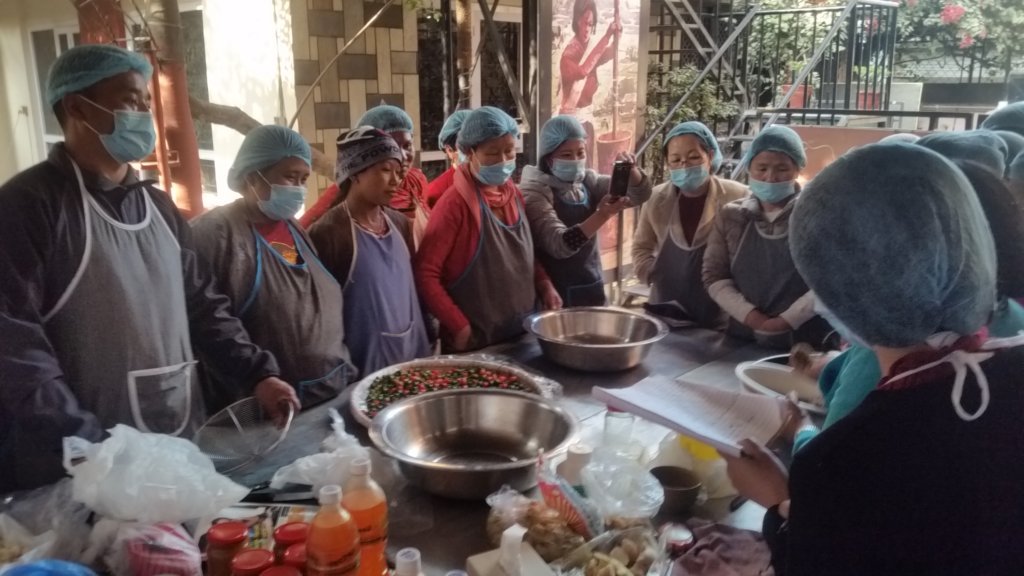
Another set of training related to vegetable processing was conducted in SABAH Nepal’s The Village Café. A total of 19 women from Nala and Khawa participated in the training. In the training, they learned vegetable preservation method through brining, pickle making and vegetable grading. Most of the beneficiaries in both of these places are vegetable farmers. By using the learned skills they can now sell preserved vegetables to institutional buyers such as catering companies, hotels and restaurants as the off seasonal ready-to-cook vegetables. Similarly, by making pickles from the vegetables when the prices fall, they will be able to get higher profit margin.
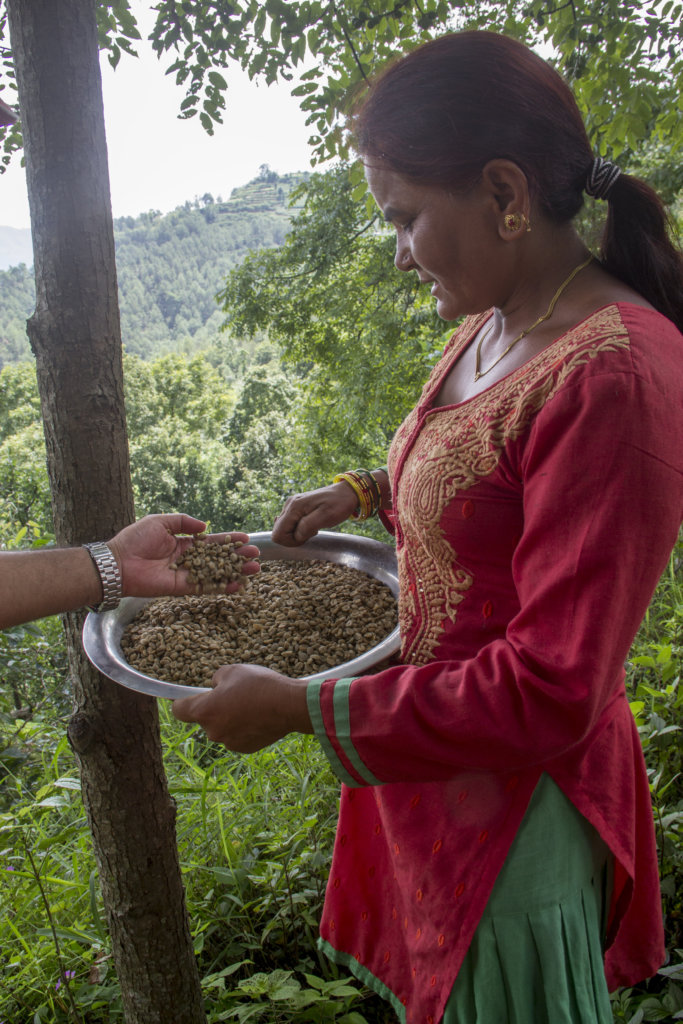
By utilizing various skills they have learned through soft and technical trainings a group of women led by Shila of Nala has already increased her income by selling Lapsi candies. ‘As my house is near a school, I have setup a small kiosk and started selling Lapsi. We are very happy this has increased our income. In the next season, we are planning to make candies in a larger volume and sell it in the nearby town.’ Shila shares her plans.
In the coming days, SABAH Nepal will further help these women from Khawa and Nala to develop a business plan and run a community owned business enterprise. SABAH will also provide support on branding and marketing, based on their requirements.
Project reports on GlobalGiving are posted directly to globalgiving.org by Project Leaders as they are completed, generally every 3-4 months. To protect the integrity of these documents, GlobalGiving does not alter them; therefore you may find some language or formatting issues.
If you donate to this project or have donated to this project, you can receive an email when this project posts a report. You can also subscribe for reports without donating.