By Kalash Shakya | Programme Coordinator
With the acquired new skills, women are now dreaming big
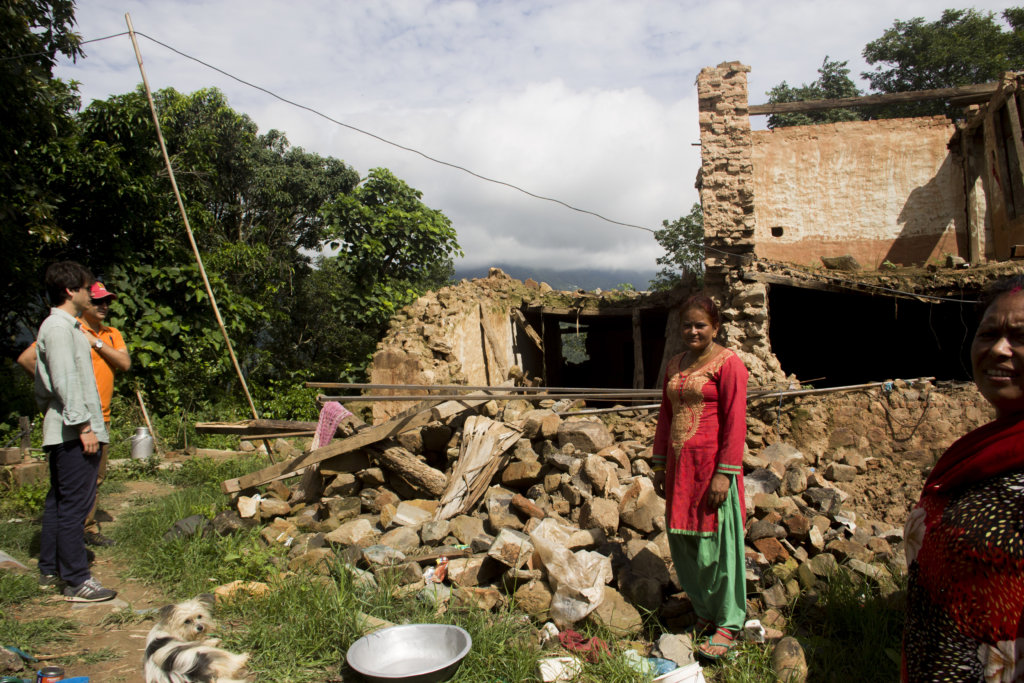
Shila, lives in Nala, of Kavrepalanchok, the most affected district by April ’15 earthquake. Her family consists of a husband and three school going children. The family makes a living by selling vegetables that they grow in their farms. Her house including several others collapsed during the April ’15 earthquake. “After the earthquake, the situation of my village deteriorated. Many people just stopped working. They left the farm barren. The cattle began to die. Women were the worst affected as they had to take care of the children and the family. We didn’t get any support from the government. We lost hope, we didn’t know what to do. Even after more than a year we haven’t been able to completely recover from the trauma of the disaster.” Shila shares the tragedy after earthquake.
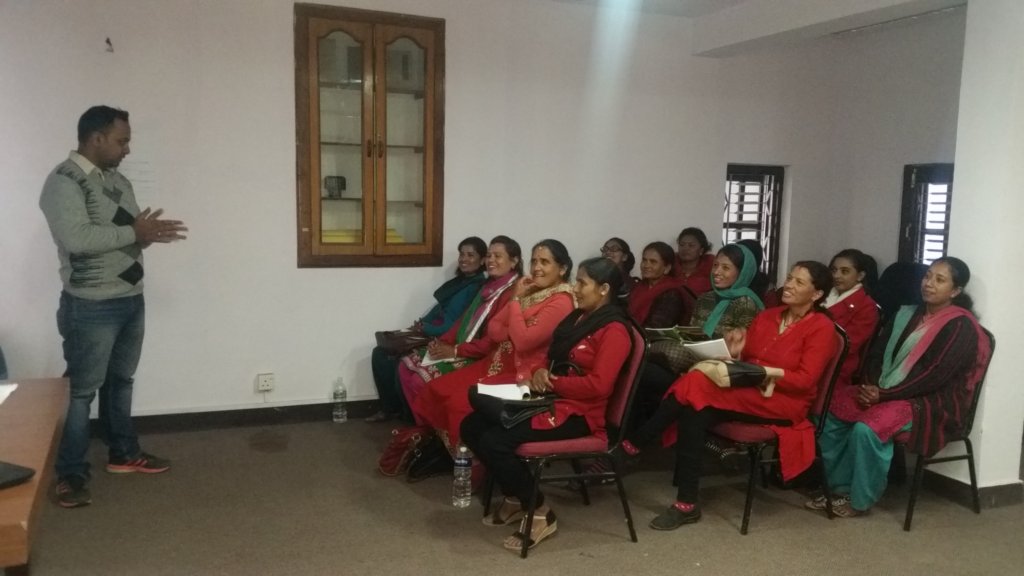
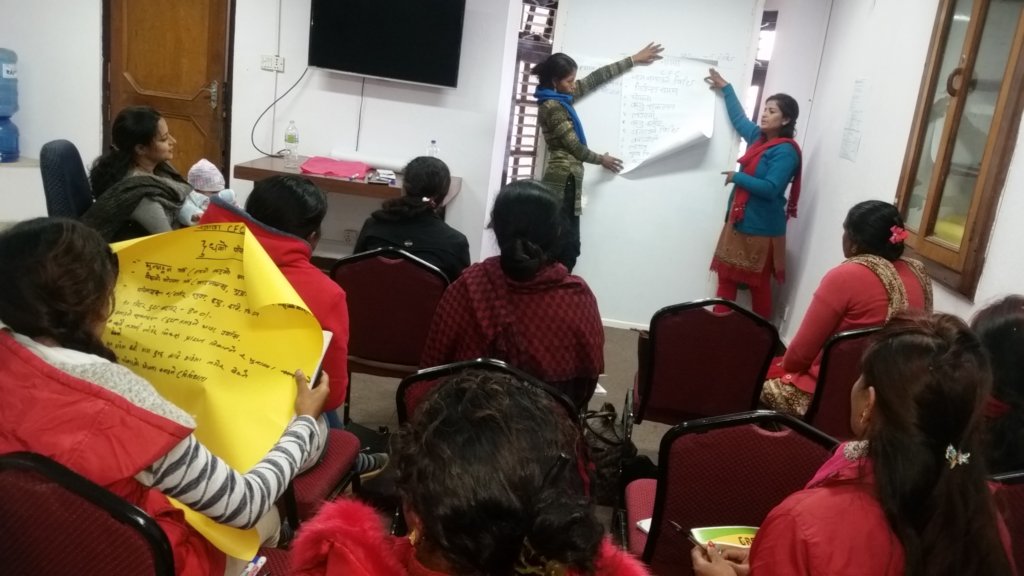
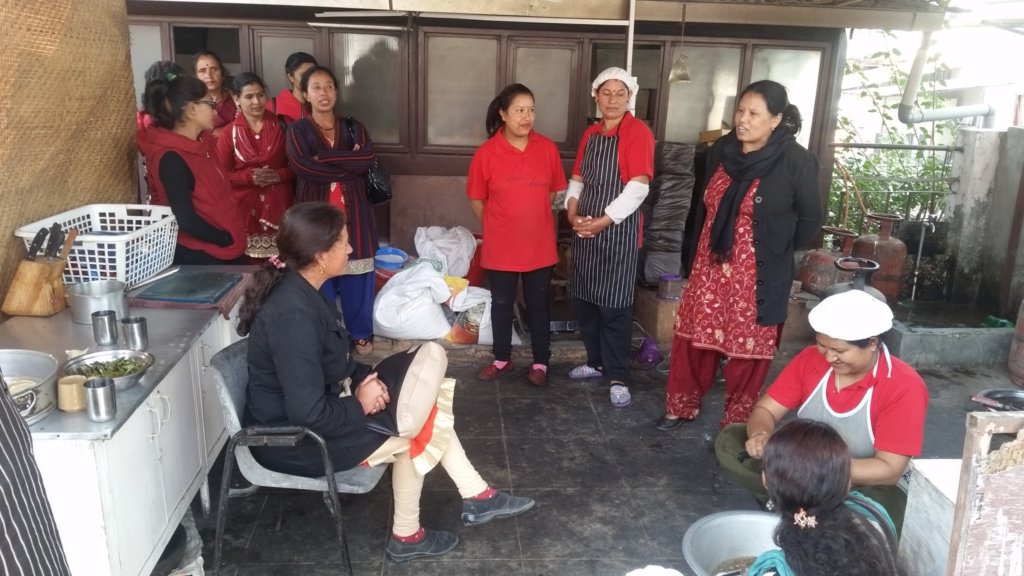
Shila along with other 20 women from Nala is now participating in various skill development trainings provided by SABAH Nepal under the project ‘Livelihood Recovery of 252 women in Nepal’ funded by Global Giving UK through grant received from Big Lottery Fund. A week long Community Enterprise Management training was conducted in November in which Shila participated. The training was conducted at SABAH Trade Facilitation Centre. After the training, they acquired skills on community enterprise management, business plan making, financial record keeping, business management and marketing. “From the training I have gained skills of managing a community based enterprise and how to make business plans, how to keep financial records, how to manage a group and so many other skills that is very necessary to run a community based business. After the training I am very confident that we can run a community enterprise in Nala,” Shova, one of the trainees of the Community Enterprise Management training shares after the training.
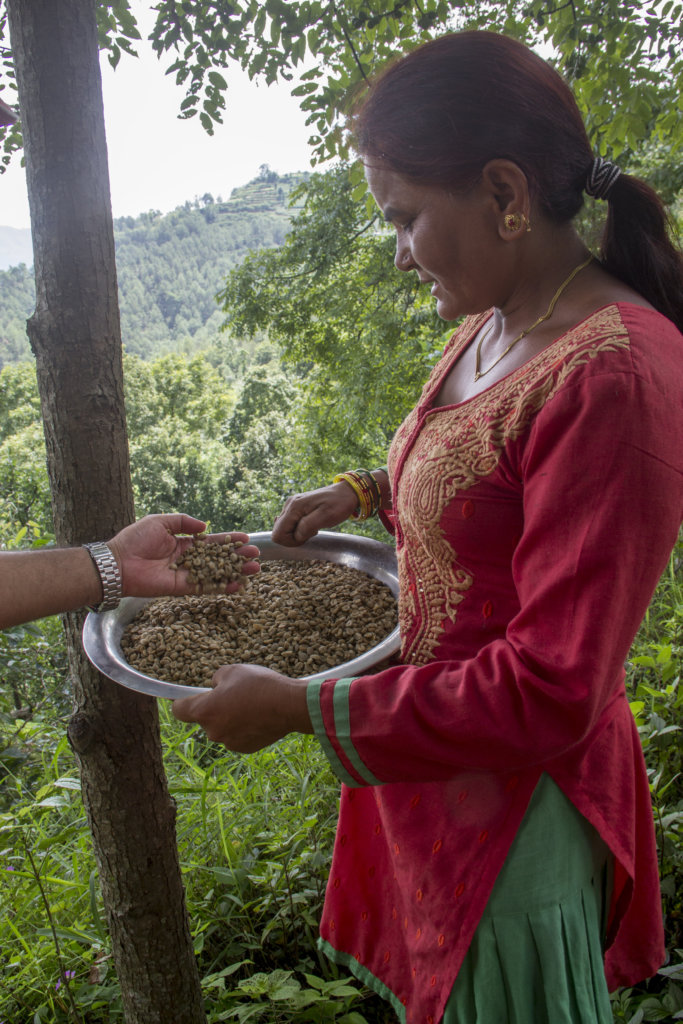
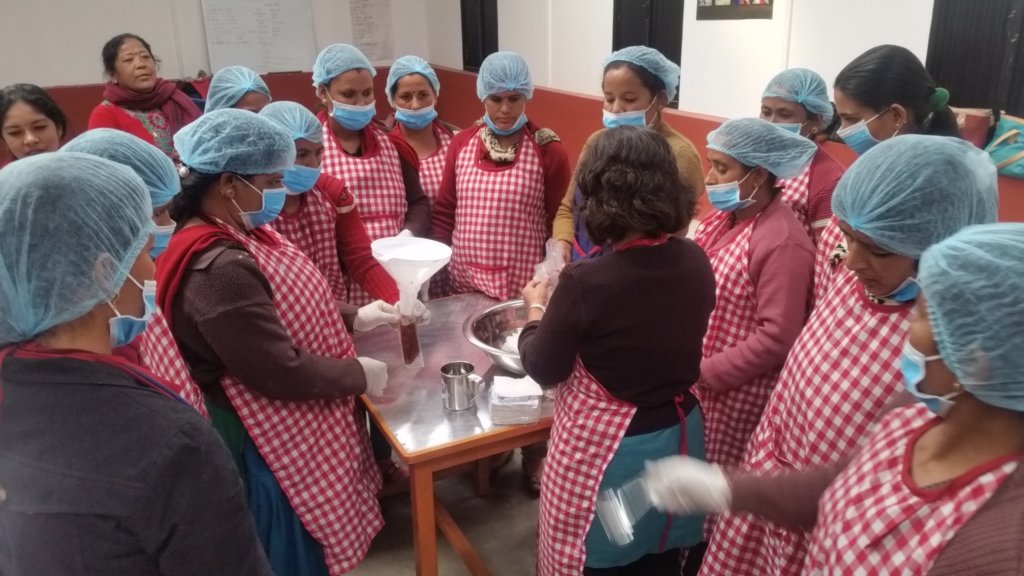
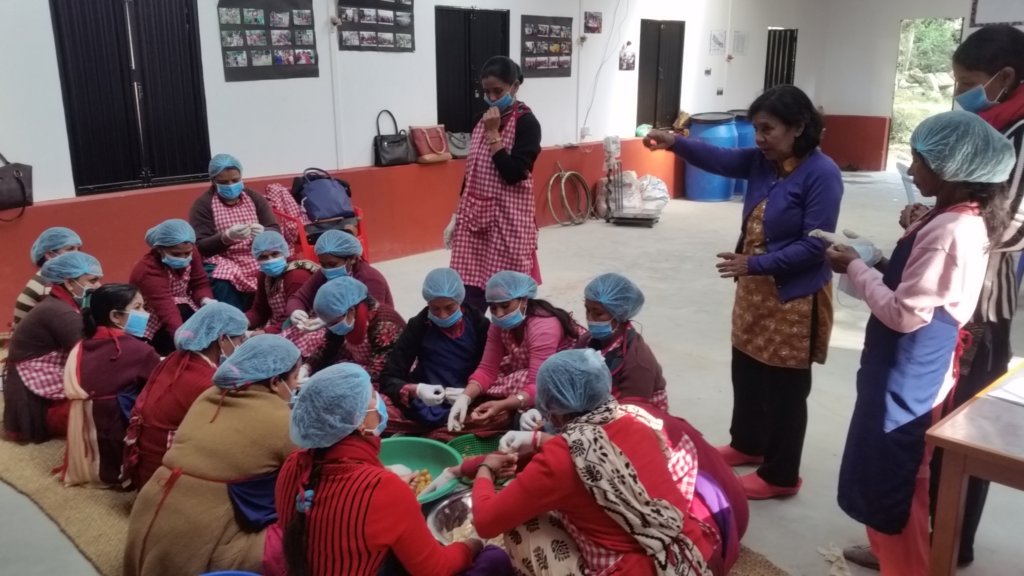
In December, a group of 20 women received seven day long Lapsi processing training. (Lapsi is a sour fruit which is used in the preparation of different types of titaura, candies and fruit leathers by adding various proportions of salt, sugar and spices. The peel is also used as a souring spice in many food items after drying and pulverizing). From the training the women gained knowledge on hygiene, raw material management and Lapsi processing and candy making by a food technician Chandra.
“We should not just depend on the income from selling the vegetables grown in the farm as we only get low price as we don’t have direct access to the market. The middlemen take all the profit. Women do all the hard work and the dealers and middlemen are the ones who get rich. That’s why we have decided to work in a group process various farm products and sell it directly in the market. Now we know that rather than selling the Lapsi from our farm we can make various candies and sell it in the market. This way more women will get work and income will also increase.” Shova, 32, shares her plans after the training. After various rounds of exposure visits, meetings and trainings, the women in Nala and Khawa has shown enthusiasm to work in a community enterprise. “I learned the importance of working in a group and how we can leverage the resources that we have, and after the training we are very confident how we can do it,” Shila shares her confidence.
The earthquake not only destroyed their houses but it also made these communities bereft of space for celebration of festivals. This further exasperated the psychological trauma of the disaster. Some symptoms shown by the women in these communities were lack of enthusiasm, depression, helplessness, worry, decreased self-esteem, loss of pleasure derived from familiar activities, irritability, disbelief, impaired decision making ability, impaired work performance etc.
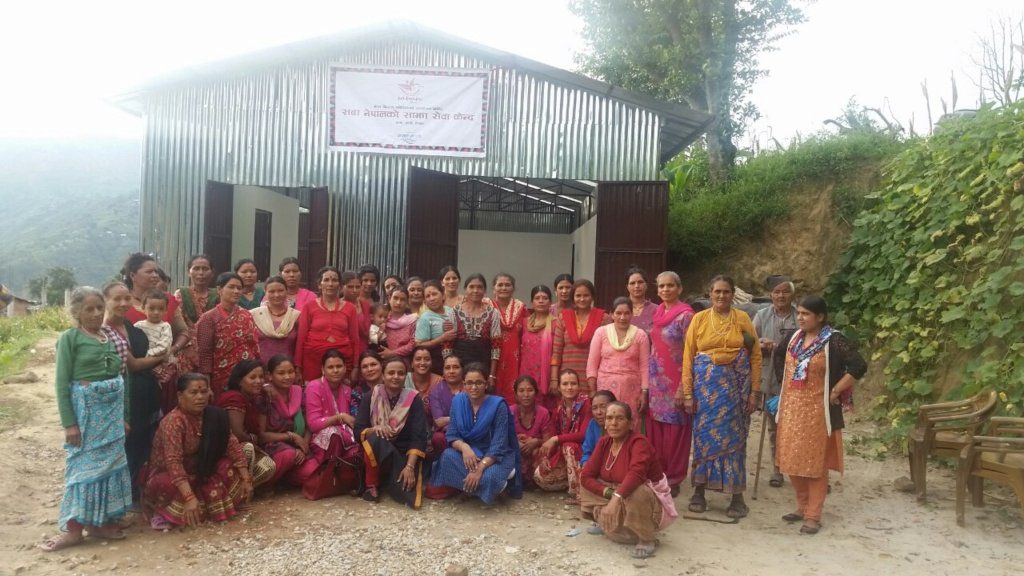
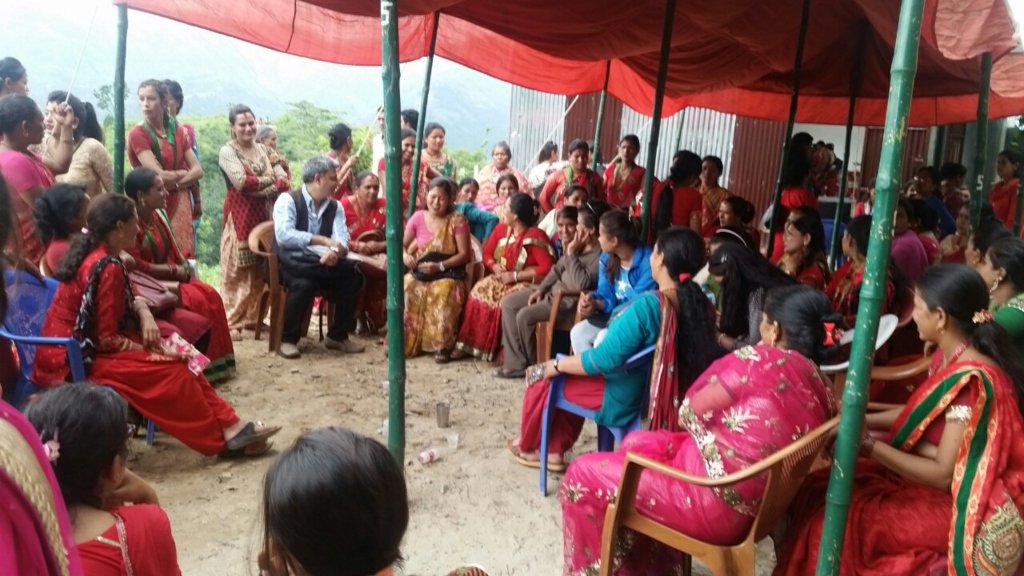
But the situation has gradually changed after the construction of the Community center and the the trainings conducted. This year’s Teej festival (a festival celebrating womanhood) was celebrated at the Khawa community centre in conjunction with the inauguration of the centre The celebration and the support they are getting through trainings and exposure and community meetings have built back the confidence they had lost after the earthquake.
In the coming days, SABAH through this project, plans to further train women and strengthen local community centre, and facilitate market access of the products they make. This will improve economic situation and increase resilience of the community. During the first quarter of the project SABAH carried out some preliminary assessment in Khawa for possible intervention which shows that the women are interested to take various kinds of food processing training and produce various products by setting up a community enterprise. In the coming days, SABAH will guide value chain activities designed to strengthen farm-to-market links, encourage investment, improve access inputs.
Project reports on GlobalGiving are posted directly to globalgiving.org by Project Leaders as they are completed, generally every 3-4 months. To protect the integrity of these documents, GlobalGiving does not alter them; therefore you may find some language or formatting issues.
If you donate to this project or have donated to this project, you can receive an email when this project posts a report. You can also subscribe for reports without donating.