By Pushker Kadel | Director, Language Development Centre Nepal
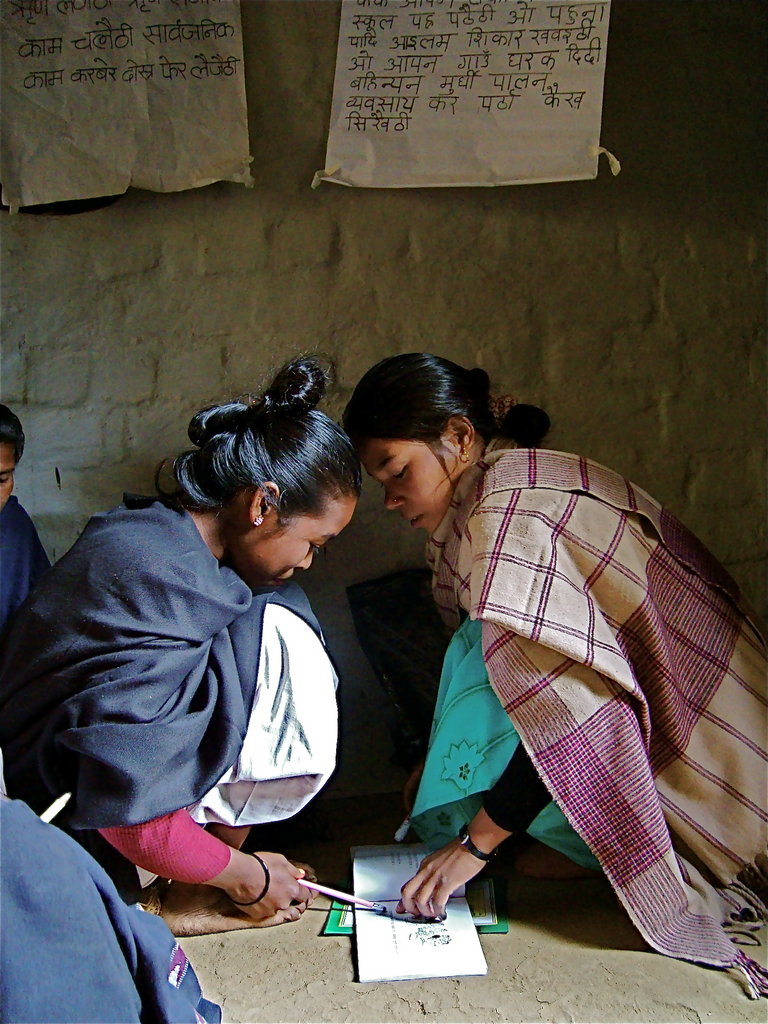
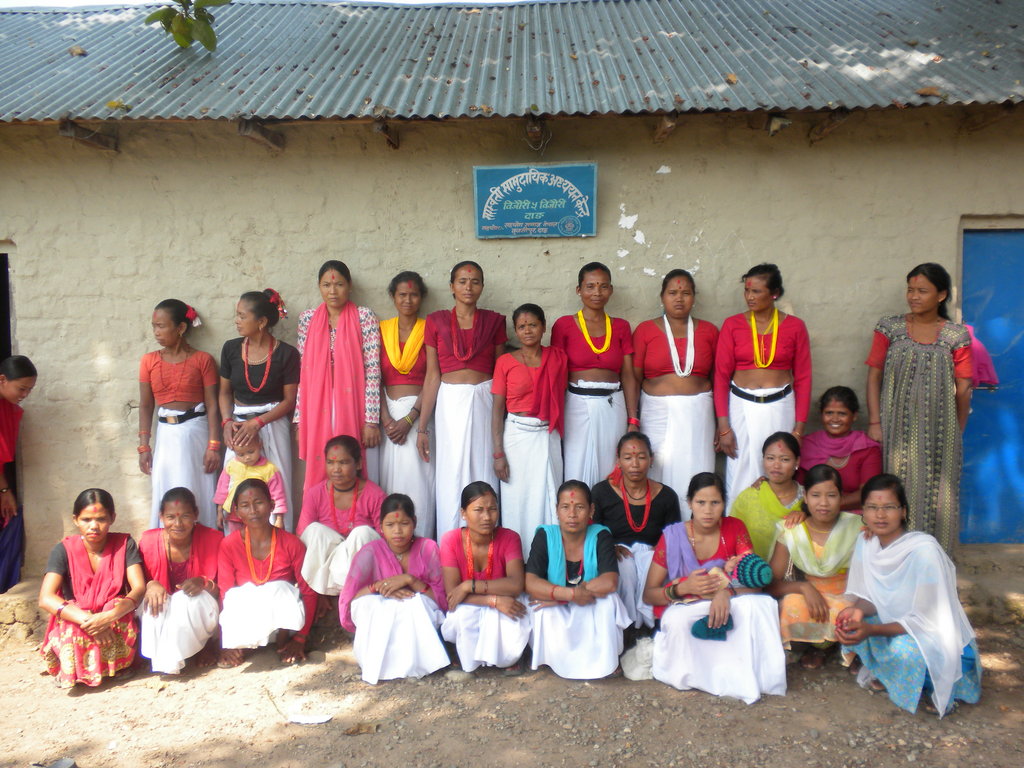
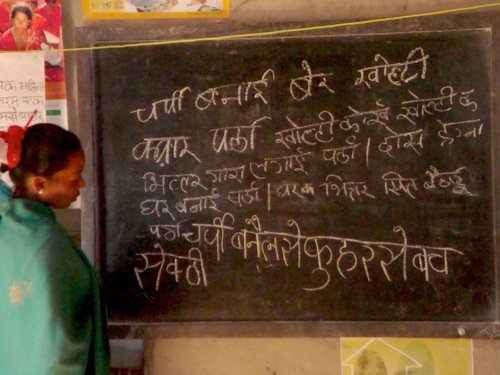
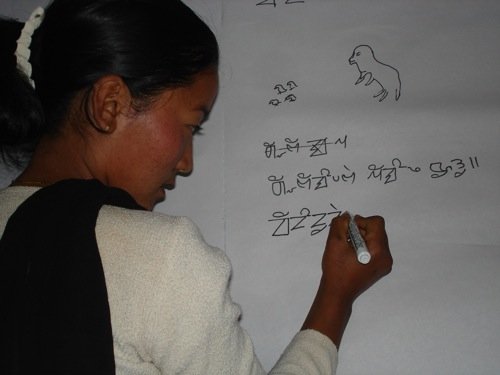
I am delighted to share our project activities report in Limbu communities, local community [Government] schools and Community Learning Centre [CLC] to promote Bi/Multilingual Education [Bi/MLE]. Our support is helping to use Limbu language as an Instruction language in basic education [Formal and Non-Formal/Literacy]. Local partner's [Yakthung Academy Nepal] member had one-to-one meeting with School Head Teachers, local community's leaders and Indigenous Knowledge [IK] holders to know their perceptions about language, education and development issue in their schools and communities.
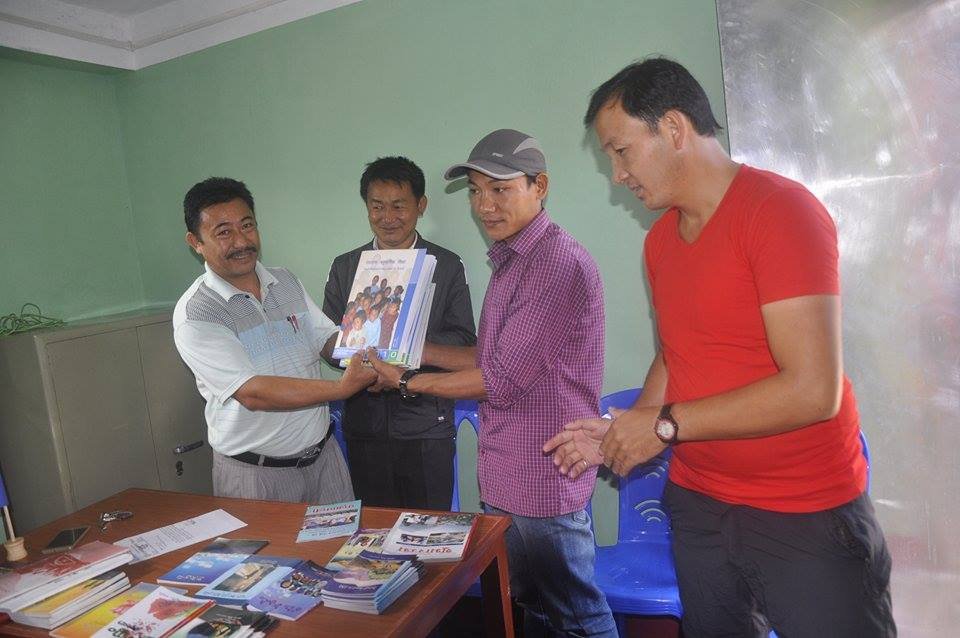
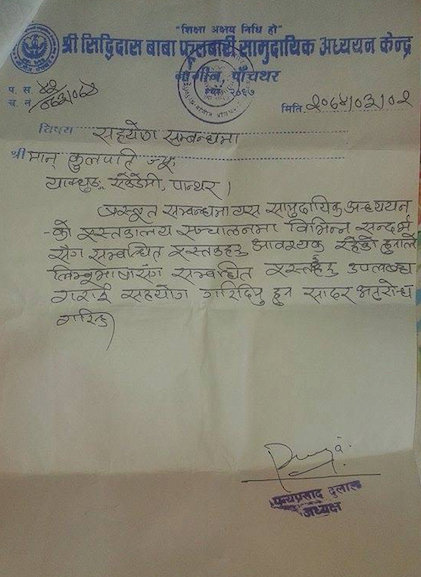
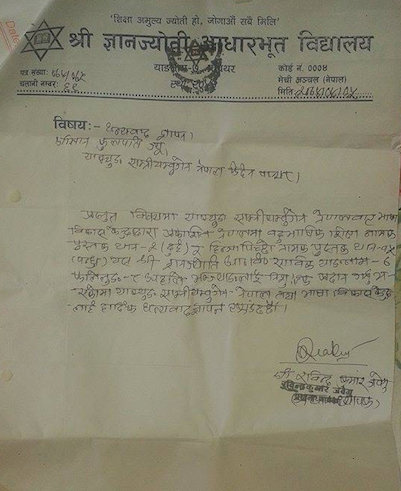
During our visit we provided some books and MLE reference manual to eleven schools and one CLC for their library. Fiftteen trilingual [Limbu-Nepali-English] books and 2 MLE reference manual was handover to each school and CLC. School head teacher was requesting us to provide training to their teachers to introduce MLE is their schools. IK holders was asking us to help to collect and edit local literature for school program. One head teacher from Gyan Jyoti Basic School said, "I would like to introduce MLE in our school but due to lack of training it is not possible its effective implementation. How would your organisation develop partnership with us?" This is very challenging statement for us because we do not have enough funding to provide regular support to them as per their request.
We found that all local stakeholders are anticipating for our support to implement effective and successful MLE program in their respective schools and communities. "Stakeholders especially parents and teachers have to be literate and convinced about the benefit of Bi/Multilingual Education for its effective implementation with best policy and plan." [P. Kadel, 2017]
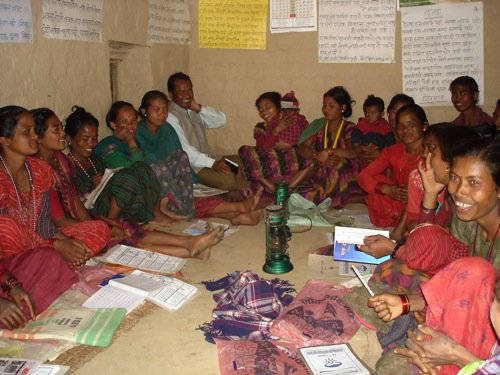
We have to literate our parents especially mothers in Limbu language to promote language, education and development activties in Limbu communities. Because if parents are illiterate they will not able to support their children's education.
We are trying to support the local communities to literate them about the five key benefits of Bi/MLE. 1) Family benefits, 2) Educational benefits, 3) Career benefits, 4) Cultural benefits and 5) Additional language benefits. But our support is not enough to convince them about Bi/MLE.
I would like to contribute to implement effective and successful Bi/Multilingual Education in Nepal with your great cooperation through the Language Development Centre Nepal.
We are grateful for your support. Thank you.
Pushker Kadel, LDC-Nepal Director
Project reports on GlobalGiving are posted directly to globalgiving.org by Project Leaders as they are completed, generally every 3-4 months. To protect the integrity of these documents, GlobalGiving does not alter them; therefore you may find some language or formatting issues.
If you donate to this project or have donated to this project, you can receive an email when this project posts a report. You can also subscribe for reports without donating.