By Samir Lakhani, Jessica Vaughn | Founder, Communications Director
For those of us who have never lived without soap, we thought it might be useful to paint a picture of daily life for Cambodian communities that lack access to such an important resource.
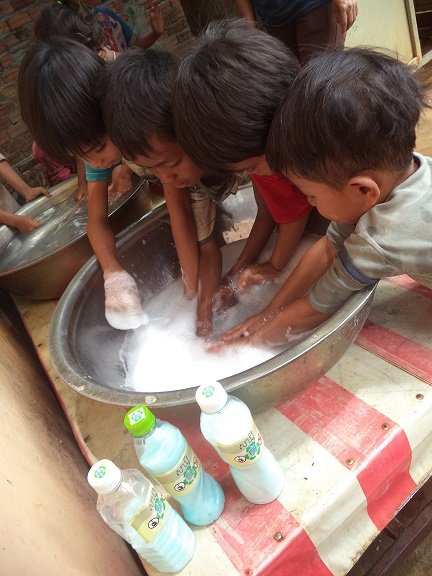
Imagine that you’re a Cambodian village woman living with no toilet and no privacy. When you need to relieve yourself, you find a bush behind your home, near the water well and vegetable patch. Your neighbors pass by and pretend not to see you. Quickly, you pull up your Sampot dress and dash back into your home to finish cooking dinner for the children, which requires handling raw poultry with soiled hands. Your sick infant cries. He’s suffering from fever and diarrhea. His loose stool gets on your skin and clothing each time you pick him up and try to comfort him, as there are no diapers in your village. He needs to see a doctor, but getting there requires hitchhiking the entire 200km journey. You remember a story about a village woman being picked up on the national highway never to return. You don’t know if the hospital would even admit your child, because there are too many patients with the same problem. The risk is too great. You won’t make the trip. You decide instead to give him a bath to clean his bottom. Perhaps it will sooth his nerves. As the bath runs, you pour in some laundry detergent, the only soap available in your remote Cambodian village.
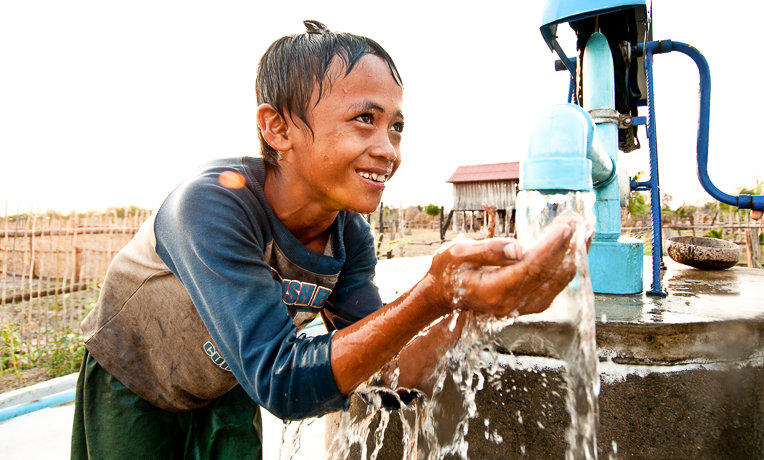
It may seem surreal, but scenes like these are common across the outskirts of Cambodia. Today, 75% of rural Cambodians lack access to soap for handwashing, which is one of the most important steps anyone can take to stay free of illness. This is a nation where something as simple as a bar of soap is seen as more of a luxury item than a basic human resource. In turn, many Cambodian children get sick with diseases like diarrhea and pneumonia because their households lack this basic hygiene tool.
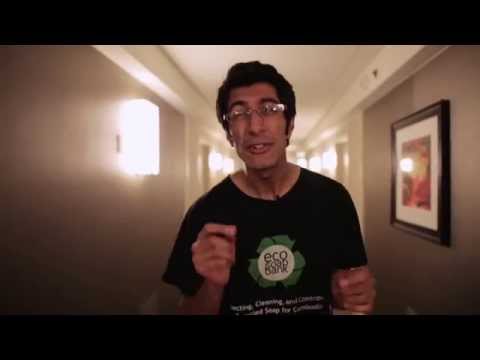
The Eco-Soap Bank was born of the outrage our founder, Samir Lakhani, felt when he witnessed situations like the one above play out in rural parts of Northern Cambodia. Samir knew there must be a way to get soap into rural communities. Its not as though there isn’t a single bar of soap in all of Cambodia — just step into any of the country’s hotels and you’ll see that soap is plentiful. Samir was struck by the injustice of it all. How can Cambodian hotels serve the needs of two million tourists each year — who discard tens of thousands of pounds of gently used soap — when the rest of the country so desperately needs it?
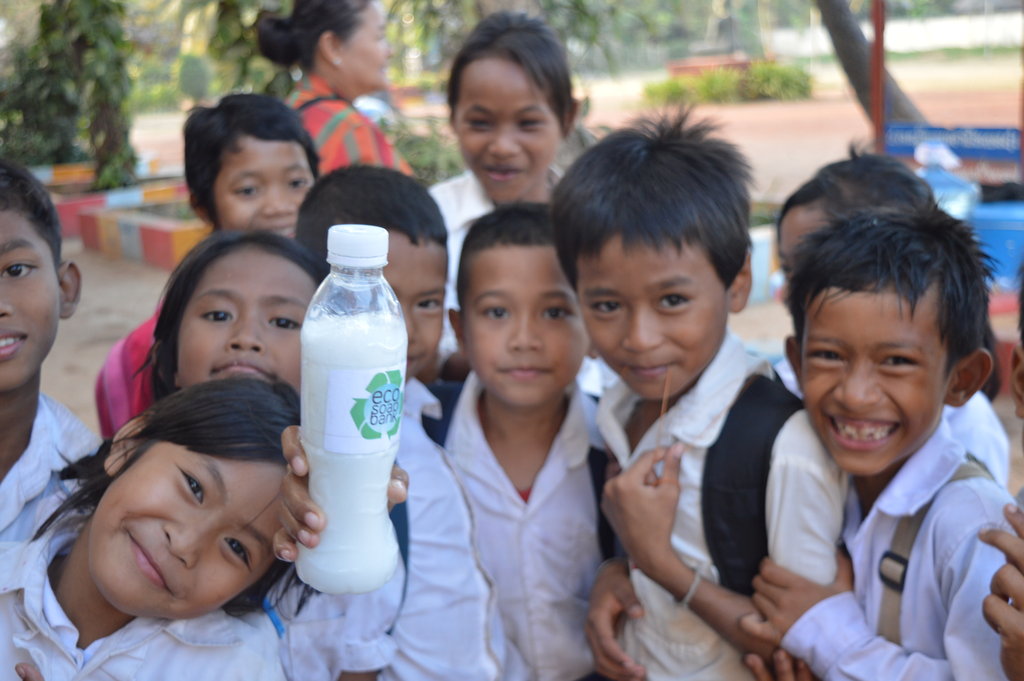
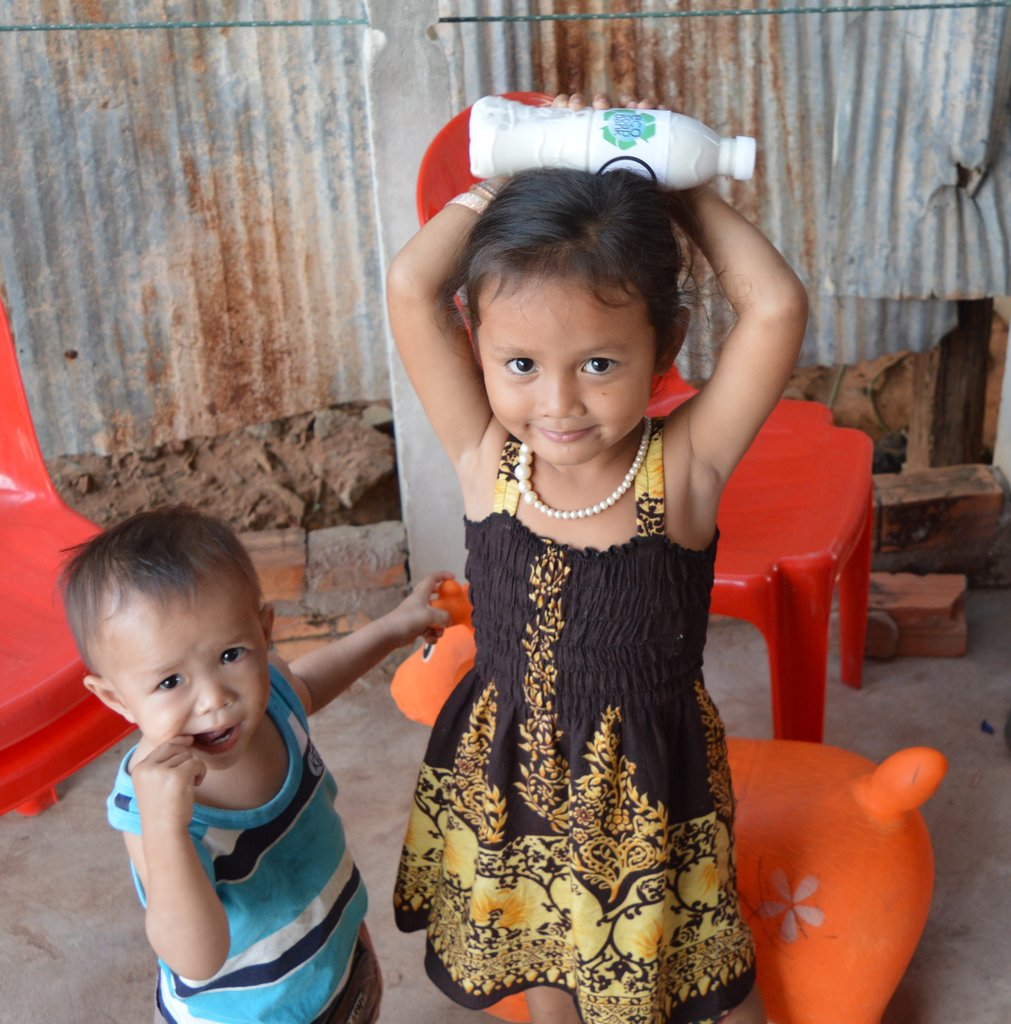
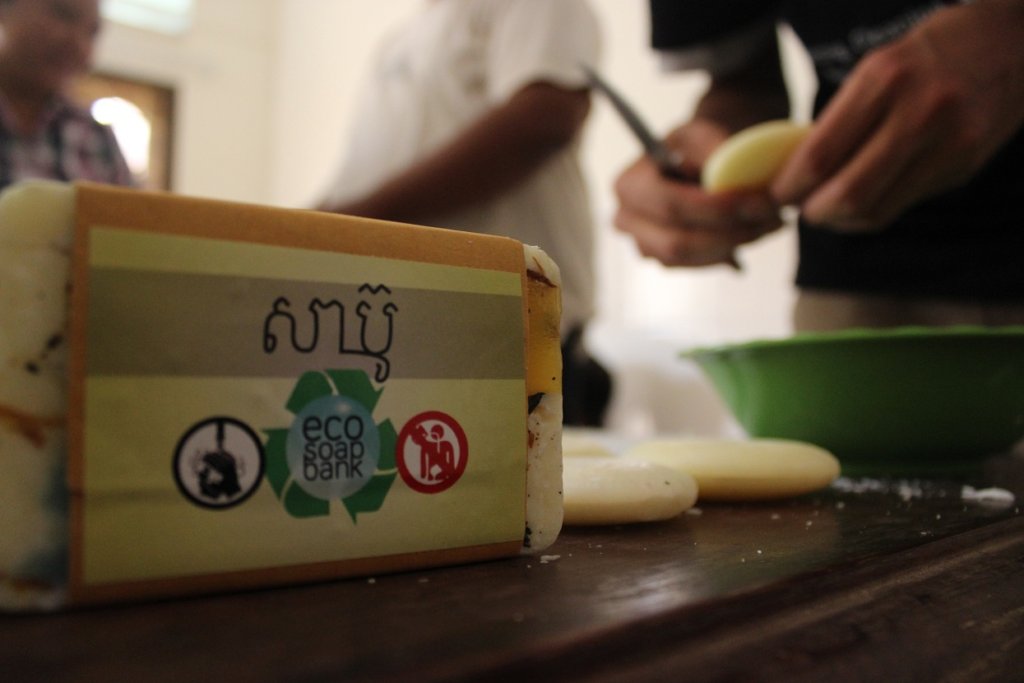
Seeking to remedy this injustice, the Eco-Soap Bank was founded based on the idea that good health starts with proper hygiene. In order to fulfill this mission, we came up with the plan to save soap from hotels, sanitize and recycle it, and then distribute the lifesaving product to Cambodians who either lack access or simply can't afford it.
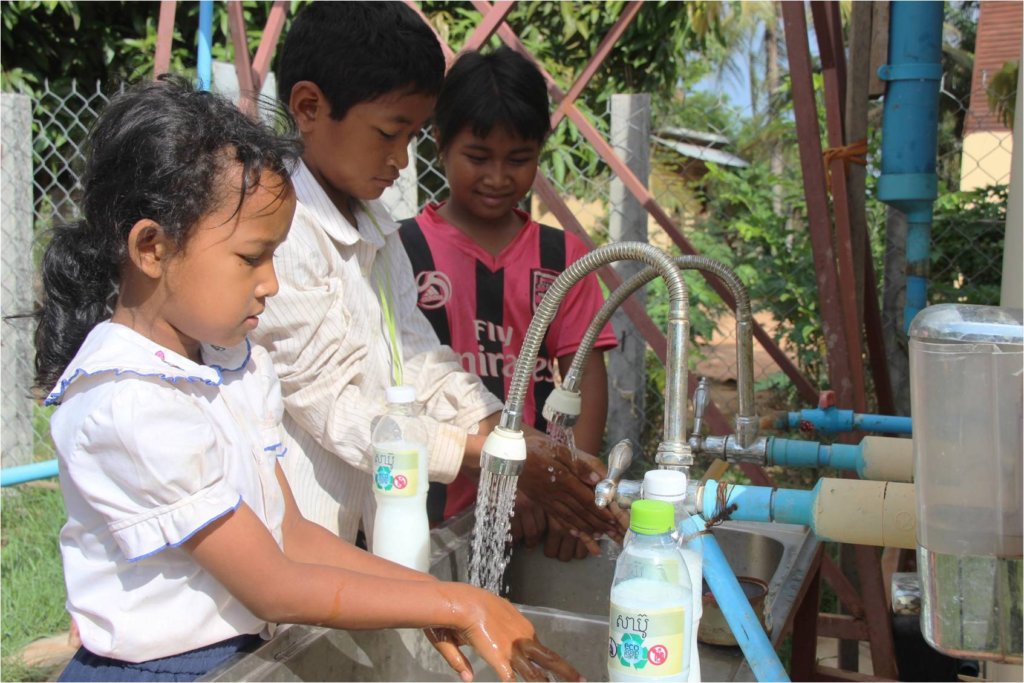
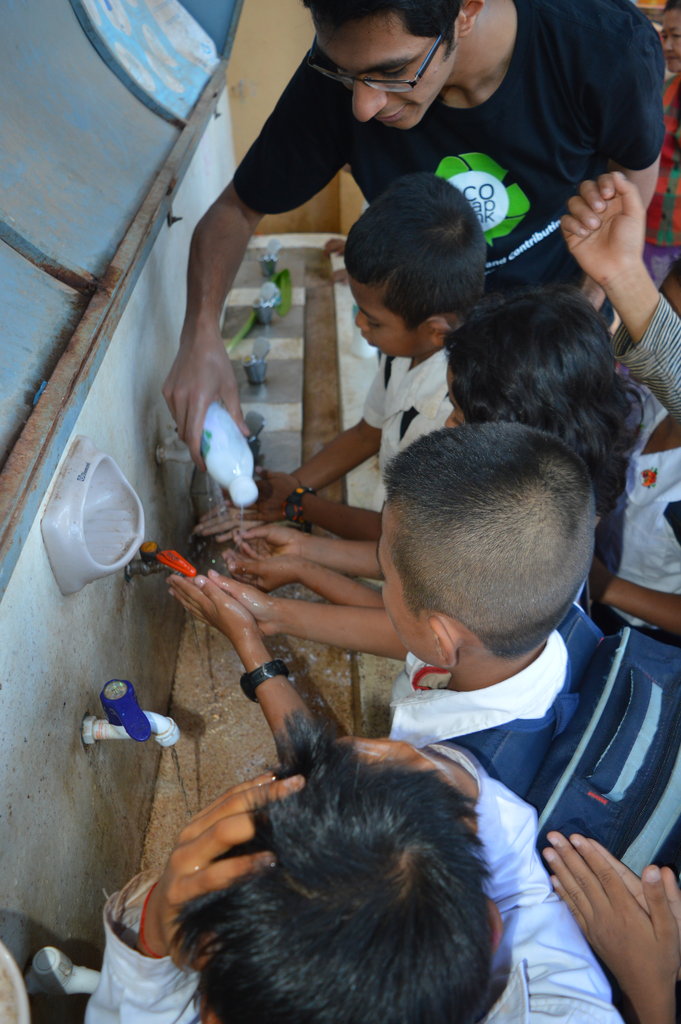
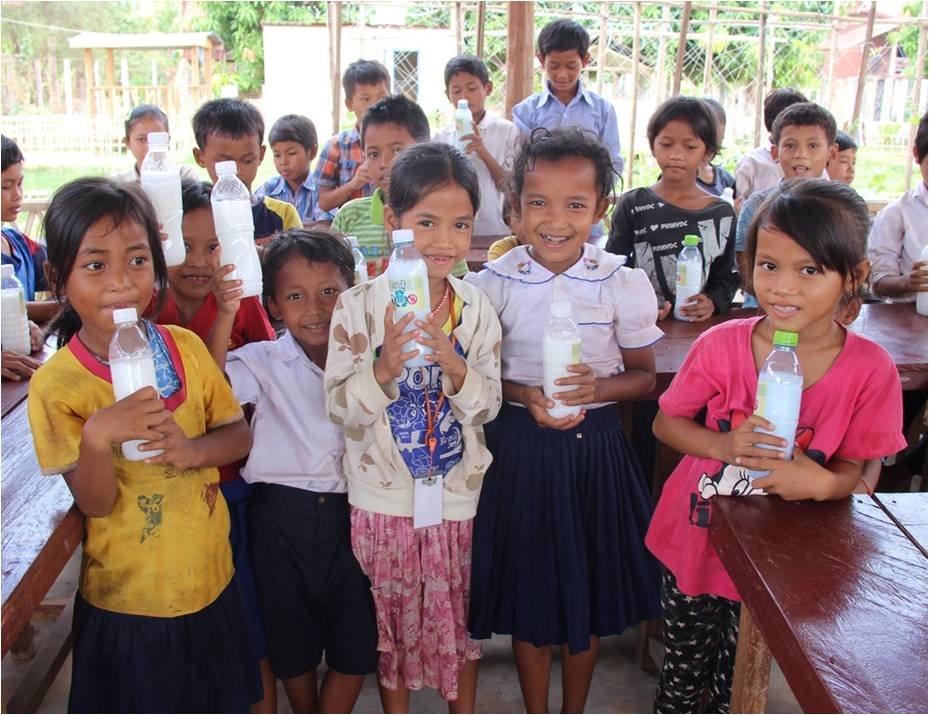
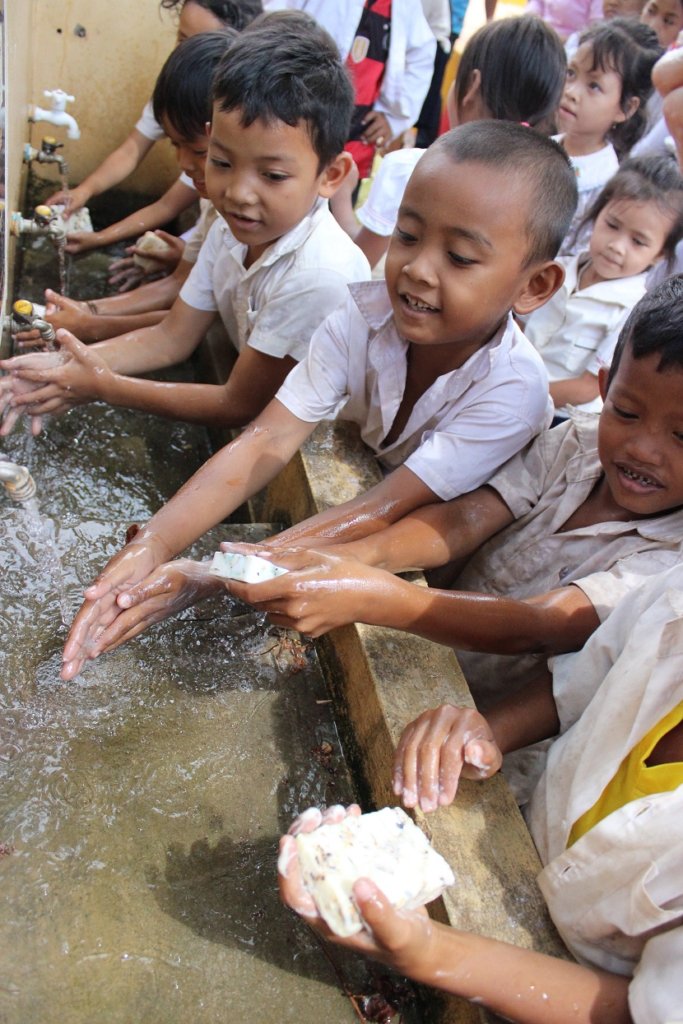
With the help of NGO and hospital partners, The Eco-Soap Bank has been making strides against preventable illness at home and in schools. Last year we delivered hygiene education to 55,000 children, and just this month, we expanded our operations, opening up two new soap banks in Phnom Penh and Sihanoukville, in partnership with Sealed Air's Soap for Hope program.
The Eco-Soap Bank envisions a Cambodia — and a world — where no child suffers because there isn't any soap available. There’s still a lot of work to be done, but at least the journey has begun.
Links:
Project reports on GlobalGiving are posted directly to globalgiving.org by Project Leaders as they are completed, generally every 3-4 months. To protect the integrity of these documents, GlobalGiving does not alter them; therefore you may find some language or formatting issues.
If you donate to this project or have donated to this project, you can receive an email when this project posts a report. You can also subscribe for reports without donating.