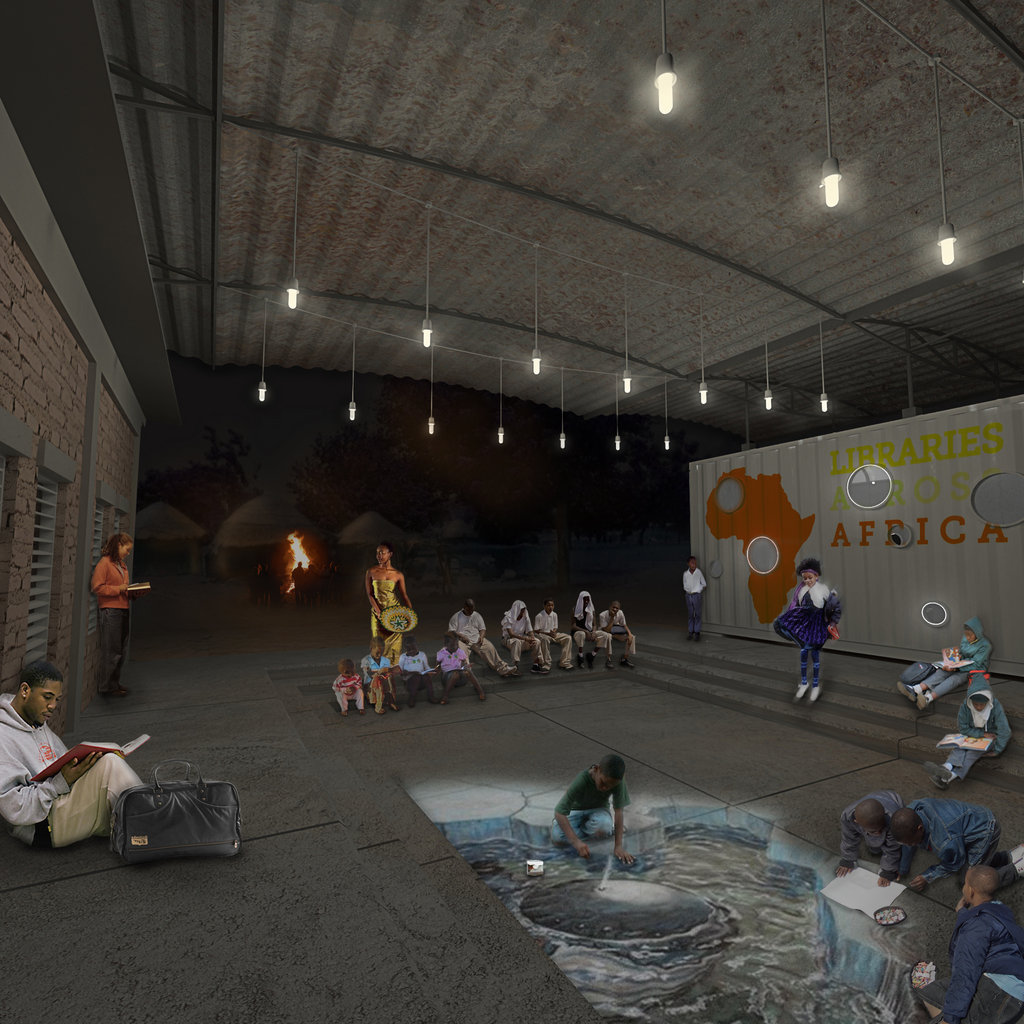
Frequently Asked Questions
Over the last few weeks many of the friends of LAA have submitted interesting and provocative questions that will undoubtedly influence the way we precede over the next several months. Here is a brief set of issues that have been raised and our current thinking. PLEASE feel free to COMMENT on individual questions and offer new ones that you feel are important to consider as we move forward.
1) Q: Doesn’t the Gates Foundation have a project of improving and building libraries all across the third world by giving them Internet, etc.?
A: The Gates Foundation puts a lot of money into education in the developing world and does fund a variety of projects related to libraries. One notable example is the Access to Learning Award, which recognizes the innovative efforts of public libraries or similar organizations outside the United States to connect people to information through free access to computers and the Internet. Undoubtedly, the Gates Foundation (and other major philanthropists in the US and abroad) will be approached for large-scale support. But we are a ways from that point. Our first objective is to understand the issues surrounding this problem as best we can in the next 6 months, travel to a pilot site, and do a preliminary design for a library there. That will be used to get mid-level funding to build and study a pilot library. THEN, when we feel we have track record, we'll engage larger agents to fund the next 10 or 100 or 1000 libraries.
2) Q: Is it a given that new libraries equates with new buildings? Would it be more efficient to take existing structures and turn them into libraries?
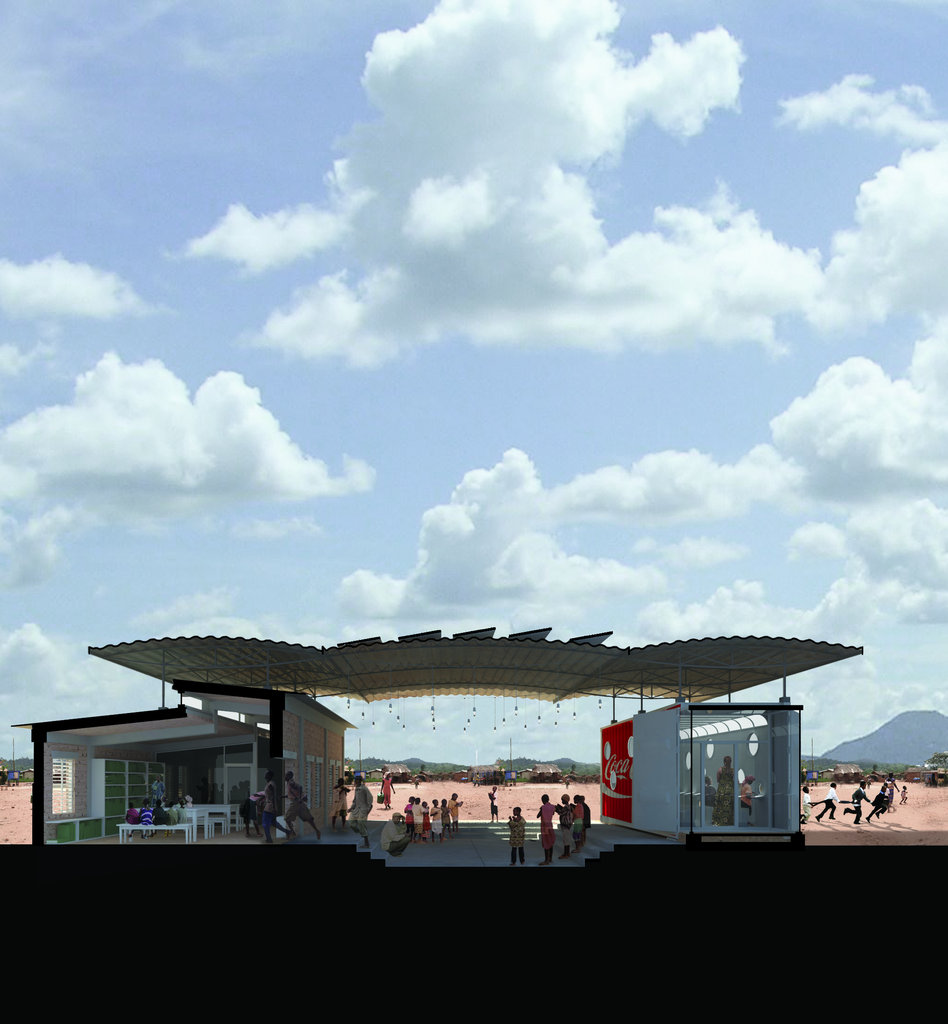
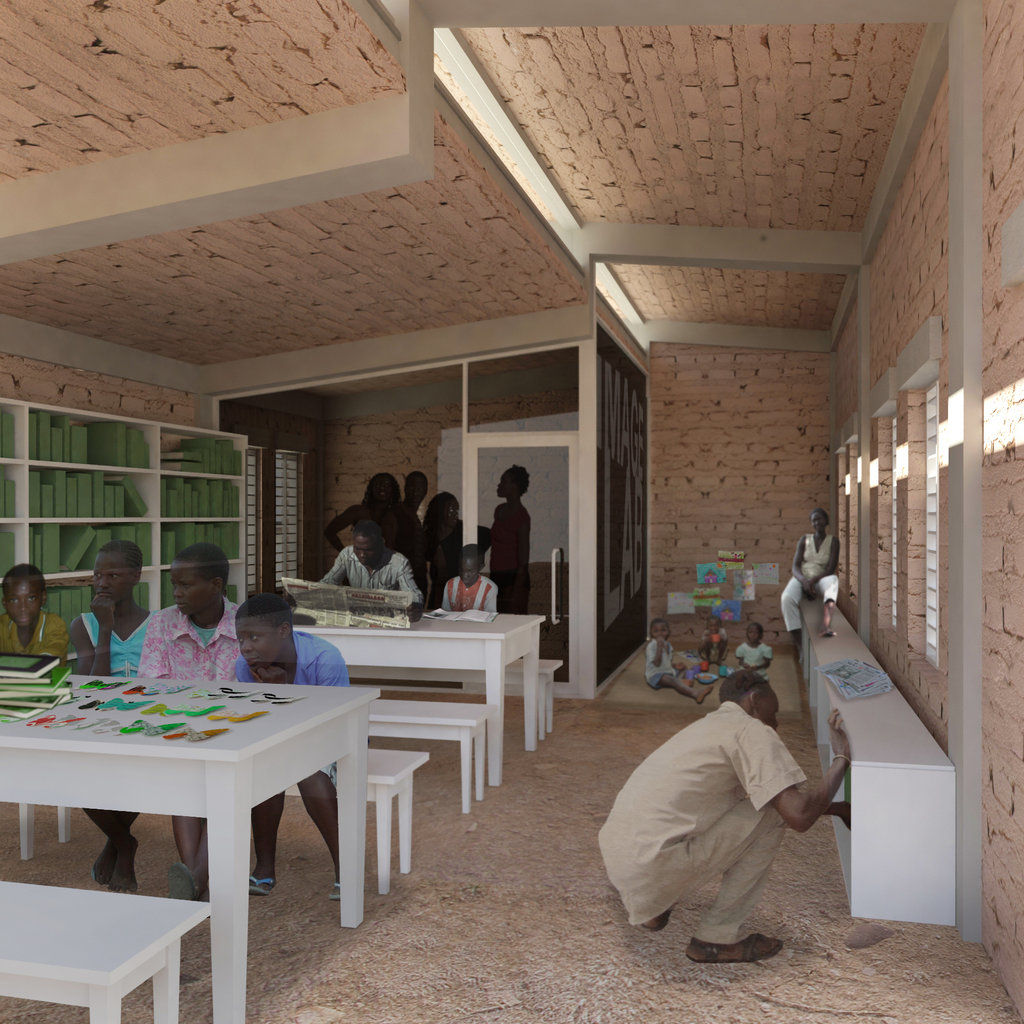
A: We are advocates for libraries as neutral spaces in the urban environment for information access as well as gathering for collaboration and deserving of their own space. Also, we envision the next library will be more laboratory and factory like, which will require a new type of programming. Regardless, physicality is an extremely important aspect of this project and finding a appropriate solution will be studied in great detail.
3) Q: What does a library mean these days anyways? Is it a place with books on stacks or place with satellite communication capability?
A: Even in our era of rapid change, it is important to take a broad historical look at this question. Libraries are repositories of society’s collective memory. In Mesopotamia that was done on clay tablets, in Pergamum that was animal hide, now it is silicon chips and fiber optic cables. The growing parallel universe of the World Wide Web is a mind-bending revolution, but it is premature and unnecessary to drop the term “library” just because the medium of communicating information is once again changing. Plus, when you say library everyone understands what you are talking about. The mental image of a library is also practically incorruptible from a moral standpoint, which is helpful.
4) Q: Libraries can't be a bad idea but I worry that what will be done will either be a missed opportunity or will be more than is necessary in an attempt to just build something.
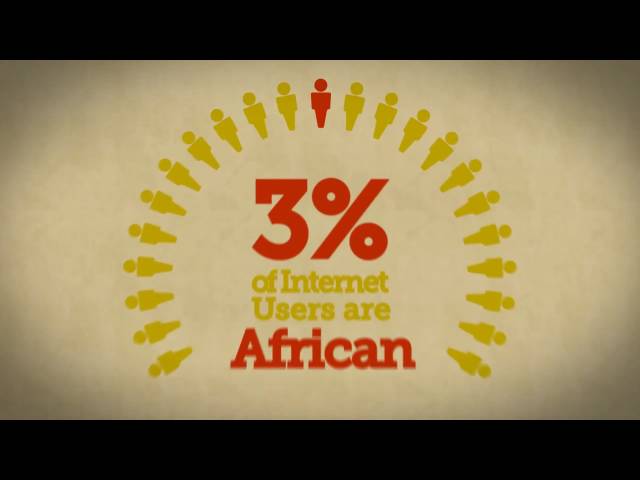
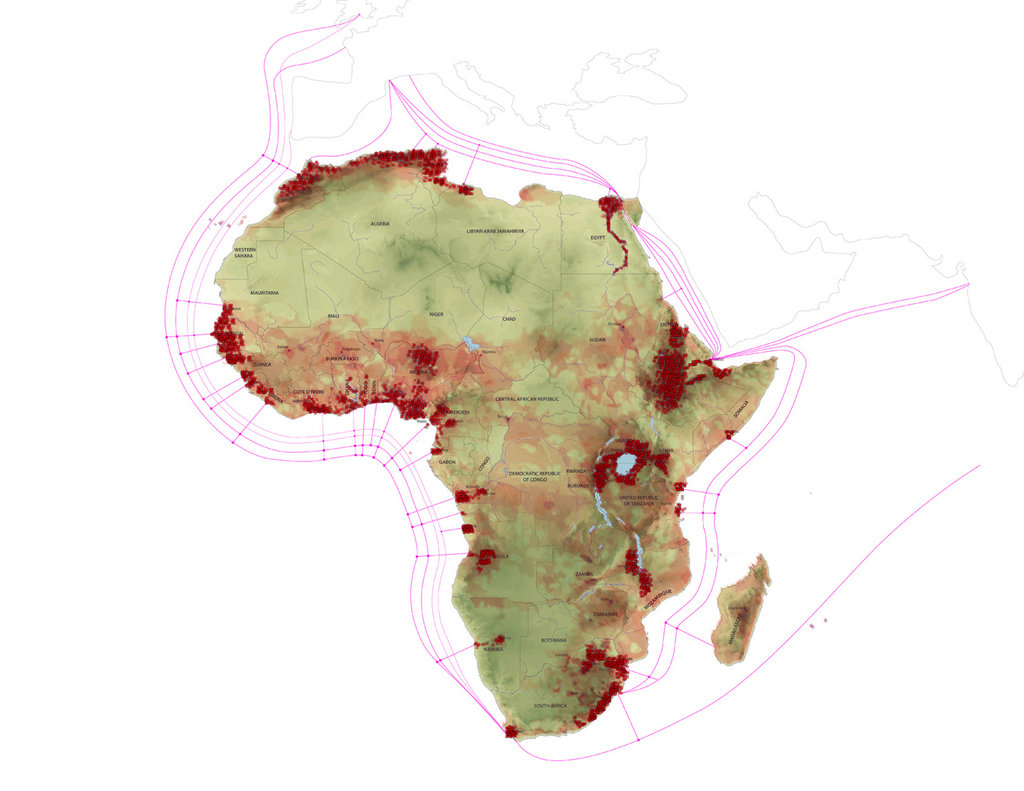
A: This is a legitimate and reasonable concern. It is important to understand that buildings are the way to solve problems - especially bad buildings, which cause lots of problems themselves. The founders of LAA did not set out just wanting to build something and arriving at the library; it was more of a process of discovery. A formative experience was participation in the Evoke social networking community, whose aim was collaborative problem solving for the infrastructural challenges of Africa. The most significant hurdle faced by this community was lack of African participants. There is a wealth of information out there that is not sufficiently penetrating that continent or, equally important, there is not a sufficient amount of information COMING OUT of Africa. This proposal is simply aimed at bridging that gap.
5) Q: Does it make sense to even imagine, build, and stock something over there from someone over here?
A: Is this good, old-fashion cultural imperialism? This gets into notions of demand. The goal of LAA is not to impose itself, but rather respond to a demand that is being clearly expressed. We don’t feel improved accessibility to information is inherently corrupt. The responsibility of this project is to proceed in a way that acknowledges (and indeed thrives on) the unique cultural traditions of individuals and communities.
Furthermore, global information sharing is going to happen and, for that matter, is already happening. Bucky Fuller used to say that we are the architects of the future, not its prisoners. This project’s ambition is to identify the best possible future and work towards achieving it one step at a time.
![Share on Twitter]()
![Share on Facebook]()