By Carmen Perez | President & CEO
This reporting period marks continued growth and deepened resolve in the evolution of the Latinx Police Accountability Network (LPAN). While national conversations on policing and racial justice still largely overlook Latinx communities, particularly those of Mexican origin, our work remains rooted in advancing visibility, truth, and accountability.
Since our last report, we have continued critical conversations about the urgent need for this project. While our application for the JW Innovation Grant was denied, we are undeterred. The denial only underscores the very inequities LPAN seeks to address. We know that Latino communities cannot be confined to a single narrative in this country, especially as we move toward becoming the majority population. This project is about building a national narrative that affirms our dignity, our complexity, and our right to justice.
As LPAN has developed, it has become increasingly clear that policing and racial justice continue to be underexplored issues within the Latinx community. However, our ongoing engagement with the community we serve has revealed a profound opportunity to connect the dots between ICE enforcement, border militarization, and local police violence. These systems are deeply intertwined, and understanding them together is key to achieving justice for our people.
This recognition is leading LPAN to evolve into a broader binational effort that not only addresses domestic racialized policing but also examines the transnational systems of surveillance and criminalization that affect our communities on both sides of the border.
In recent months, the work of this project has been temporarily slowed due to The Gathering for Justice’s urgent need to respond to immediate community crises. Our team has pivoted to meet those needs through Know Your Rights workshops, civil disobedience trainings, and organizing support for communities under attack.
While this pivot was necessary, it has only reinforced why LPAN remains essential. The demand for data, truth-telling, and advocacy that centers Latinx experiences with state-sanctioned violence has never been greater. The work must continue, and this moment of crisis has clarified the path forward.
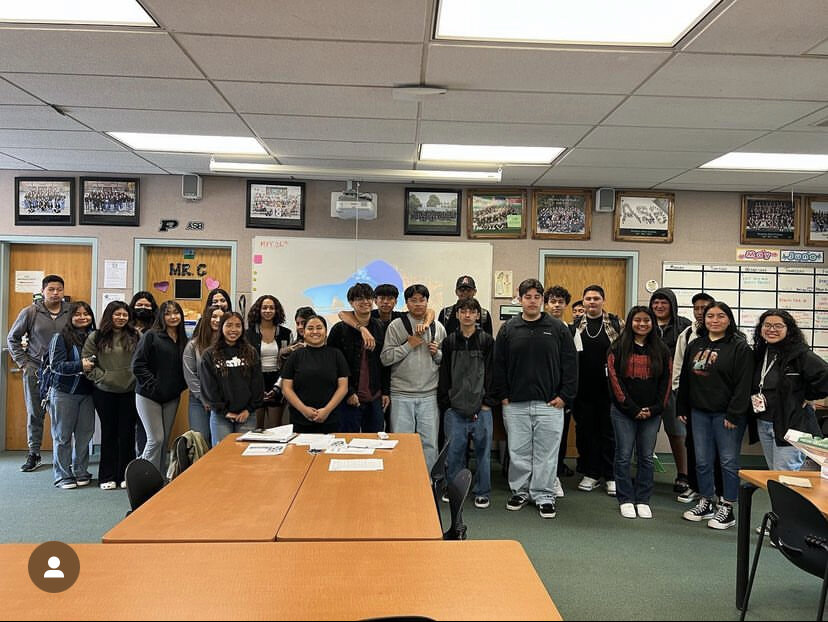
This quarter, LPAN participated in a powerful delegation to Mexico, engaging with elected officials and community organizations on the importance of collecting data on Latine people. These conversations reinforced how deeply connected our struggles are across borders and highlighted the urgent need for transnational strategies to document and address state-sanctioned violence.
We are preparing to return to Mexico in September for another delegation, continuing to strengthen relationships with leaders, researchers, and advocates who share our vision for truth, accountability, and justice.
A major step forward this quarter was the launch of our research on state-sanctioned violence against Latinos in the United States. This work seeks to fill a critical gap by documenting realities our communities face but that are too often rendered invisible. But this work needs to be funded and so we are using the resources we have but it’s not enough.
This project has always been about more than data, it is about dignity and truth. Every conversation, delegation, and act of storytelling reaffirms why LPAN exists. Our communities deserve to be seen, counted, and protected. Our stories deserve to be told. And the truth deserves to be heard, across borders, systems, and generations.
Project reports on GlobalGiving are posted directly to globalgiving.org by Project Leaders as they are completed, generally every 3-4 months. To protect the integrity of these documents, GlobalGiving does not alter them; therefore you may find some language or formatting issues.
If you donate to this project or have donated to this project, you can receive an email when this project posts a report. You can also subscribe for reports without donating.