By Peter Harrison | External Communications Coordinator
Summary
Last Mile Health (LMH) has leveraged its experience gained in piloting a professionalized community health worker project in Konobo district to directly respond to Ebola on the community and facility levels in Rivercess and Grand Gedeh counties, also providing support to the Ministry of Health to galvanize an effective national response.
LMH recognizes that an effective Ebola response must be followed by comprehensive health system strengthening work, ensuring that Liberians swiftly gain greater access to health services and are protected from future outbreaks.
The Community Level
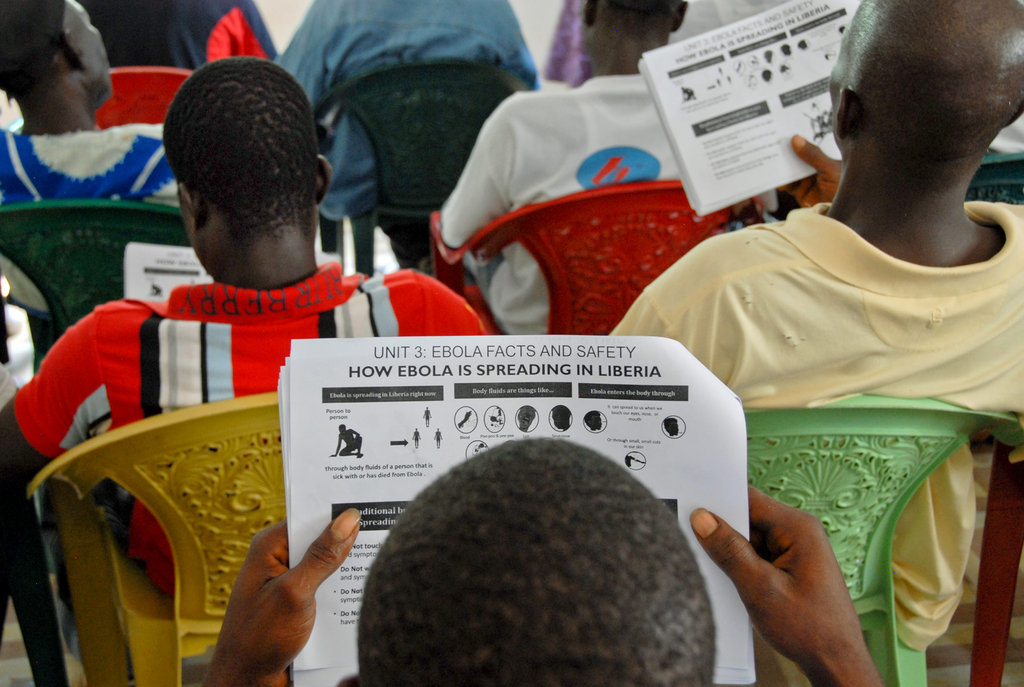
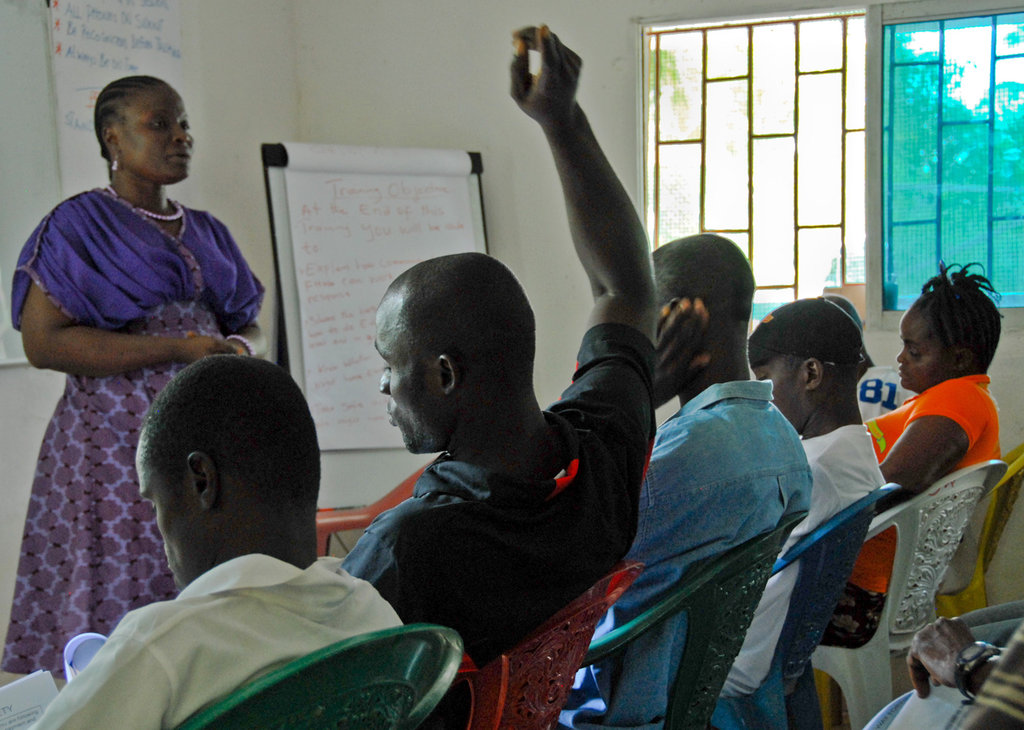
Last Mile Health has trained 801 health workers and promoters to respond to Ebola in Rivercess County, focusing its Ebola response efforts at the community level, in recognition of its importance in swiftly identifying cases, transferring patients to care, and preventing infection spread.
The majority (573) of those trained are Community Health Committee (CHC) members. CHC members are chosen based on their position of influence in communities, and include town chiefs, elders, religious leaders, and leaders of women and youth groups. CHC members are trained to communicate Ebola awareness and prevention messages to community members, as well as to establish procedures that would facilitate a safe response, should a suspected case emerge. As Liberia shifts from urgent Ebola response to health systems strengthening, CHCs will act as additional support and accountability mechanisms for community health workers.
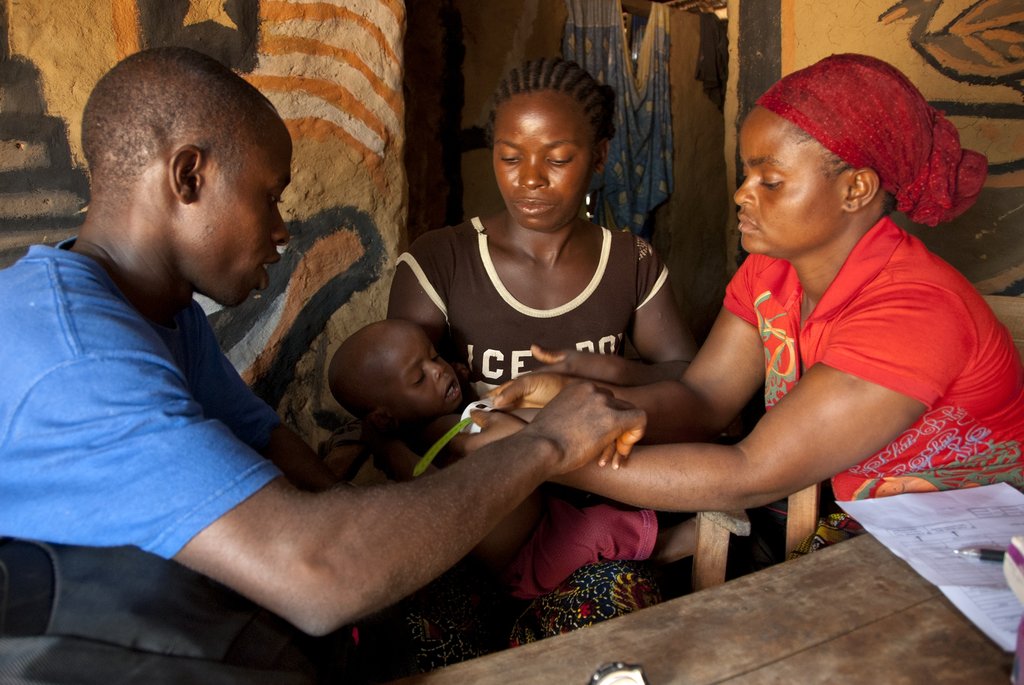
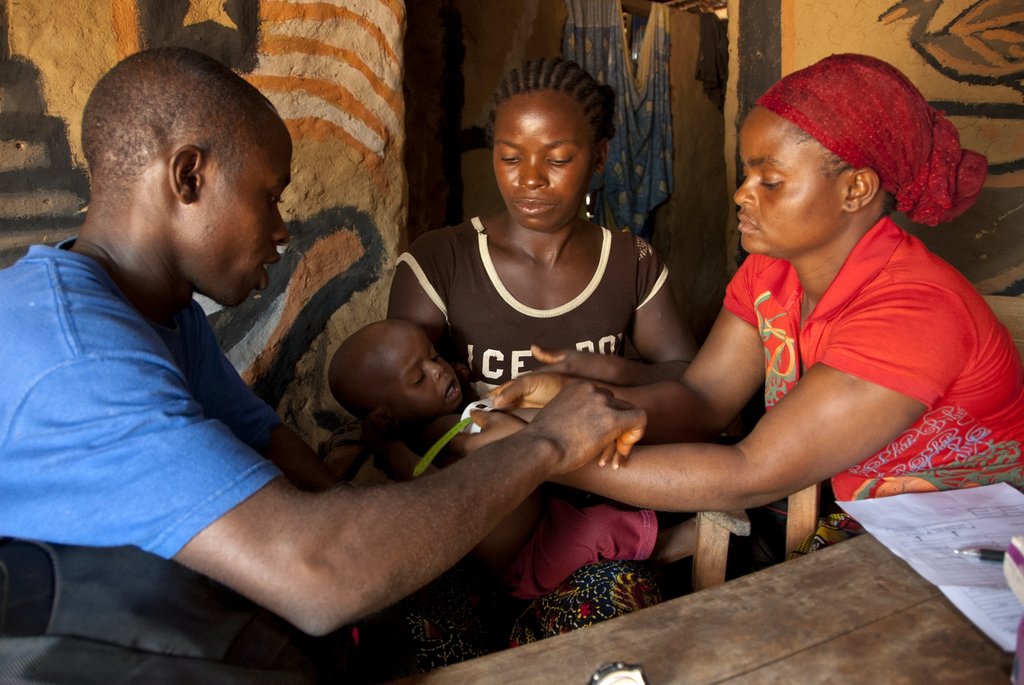
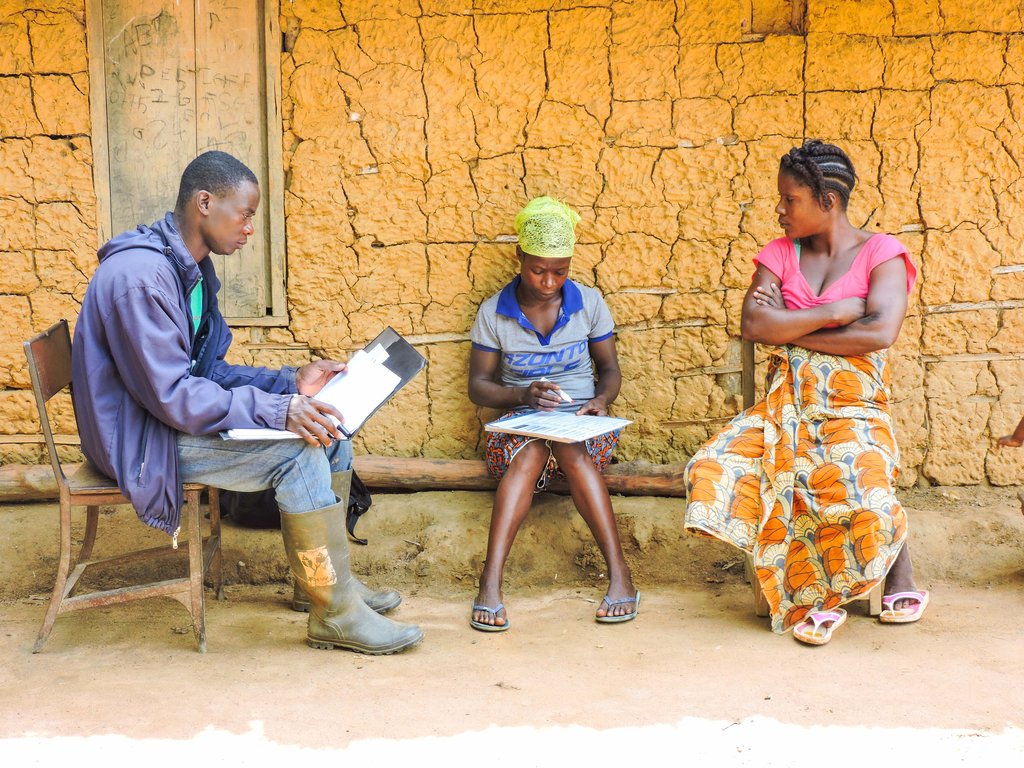
The second largest group (113) trained are general Community Health Volunteers (gCHVs). Prior to the Ebola outbreak, these workers had received some basic healthcare training, and were supplying some medicines to their communities, to varying degrees, on a voluntary basis. Last Mile Health trained these gCHVs to conduct Ebola awareness training, contact tracing, and screening for symptoms as part of active case finding, providing a monthly incentive of $60 for the completion of this work.
It is expected that some of these gCHVs will be recruited by LMH to provide ongoing provision of primary health care to their communities. Over the coming eighteen months, LMH will recruit community members across Rivercess to become professionalized community health workers, absorbing those gCHVs that meet basic recruitment criteria. Trainings will be delivered that equip them to provide life-saving interventions that focus on combating the greatest threats to the lives of rural Liberians, and they will be supported by a network of supervisors who meet with them weekly, providing drug re-stocks, ongoing coaching, collecting data, and delivering their monthly incentive.
The Facility Level
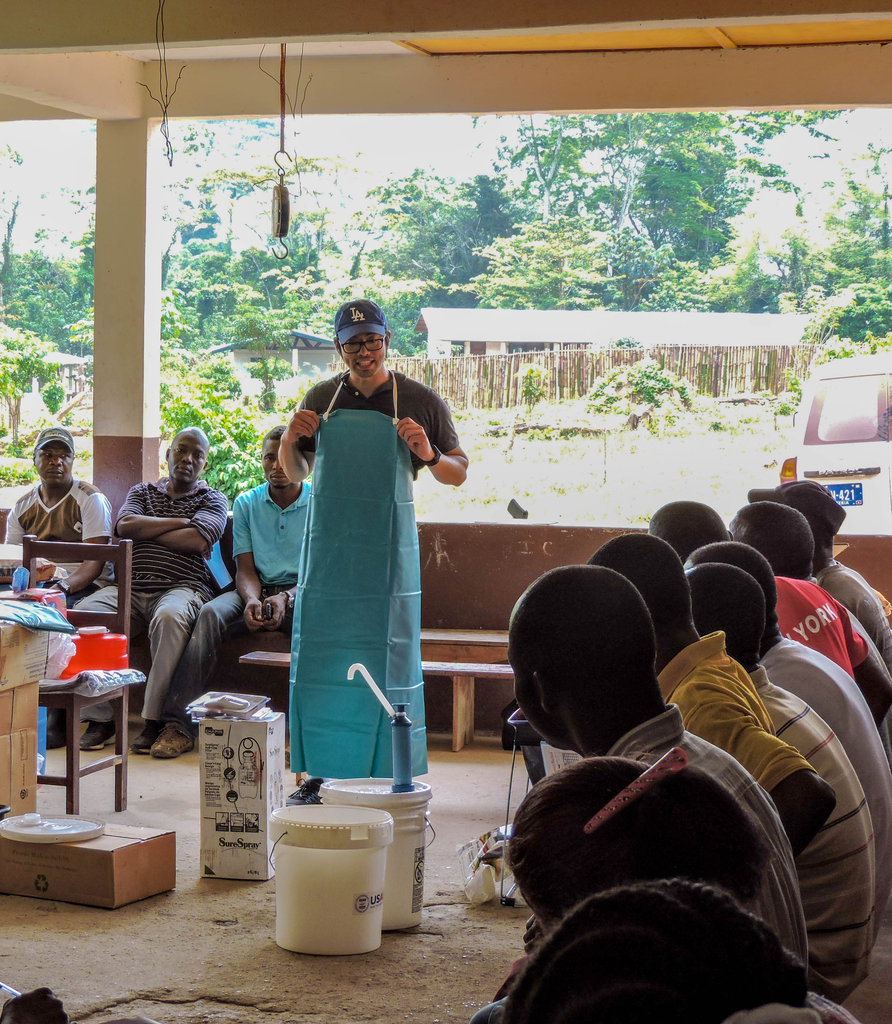
Across the nineteen facilities in Rivercess, Last Mile Health has established infection prevention and control (IPC) procedures, to equip facilities to safely receive suspected Ebola patients. These trainings have been succeeded by monitoring and enhanced supervision (MESH), to troubleshoot problems, and ensure that standards are being maintained.
Dr. Ami Waters, LMH’s IPC coordinator in Rivercess, reported that facility staff had been afraid to come to work because of the real risks of becoming infected. She says after having received training on IPC standards, they feel confident returning to work to care for patients. In total, 222 facility-based staff have been trained.
Last Mile Health has distributed facility IPC kits across Rivercess, delivering trainings to staff on how to best use these. The contents of each kit includes personal protective equipment for the protection of health workers, temporary fencing that can be used to triage patients, and equipment to ensure safe waste management.
The National Level
At the national level, Last Mile Health has provided immediate support during the Ebola crisis, and has also been working with the Ministry of Health and two other partners to develop the Health Workforce Plan, setting the agenda for health system strengthening.
For the duration of the crisis, LMH seconded a full-time technical advisor to the national Incident Management System (IMS), who has helped to coordinate response at the national level over the past year. IPC standards developed by LMH’s medical team have been adopted by organizations responding to Ebola across the country.
As Liberia transitions out of response mode, it is hoped that the Health Workforce Plan will set the agenda for the establishment of an accessible and high quality health system across Liberia, over the next ten years. This plan is based on the training of thousands of professionalized community health workers, nationwide. Pending the receipt of funding approval, LMH is currently navigating the role it will play in the implementation of this plan.
Links:
Project reports on GlobalGiving are posted directly to globalgiving.org by Project Leaders as they are completed, generally every 3-4 months. To protect the integrity of these documents, GlobalGiving does not alter them; therefore you may find some language or formatting issues.
If you donate to this project or have donated to this project, you can receive an email when this project posts a report. You can also subscribe for reports without donating.