By Meggan Ireland | Grants Manager
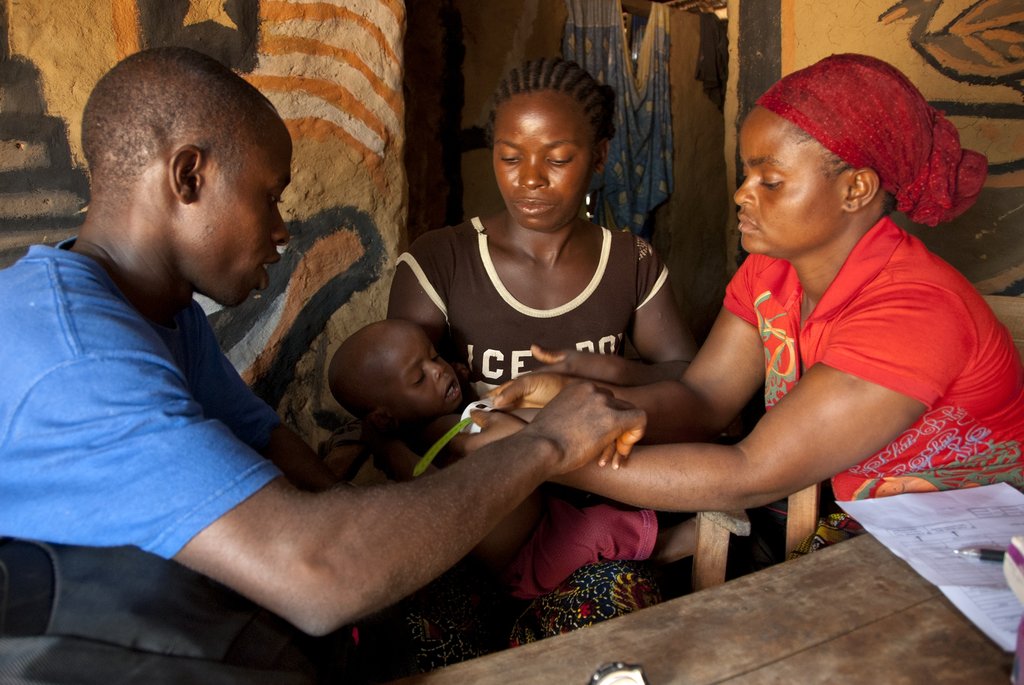
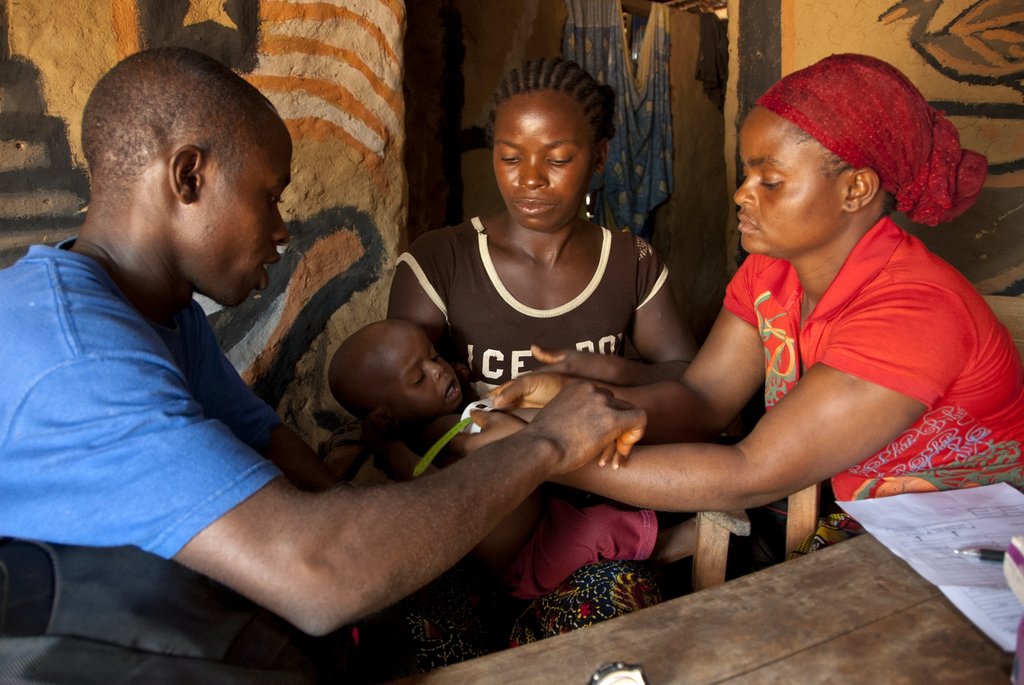
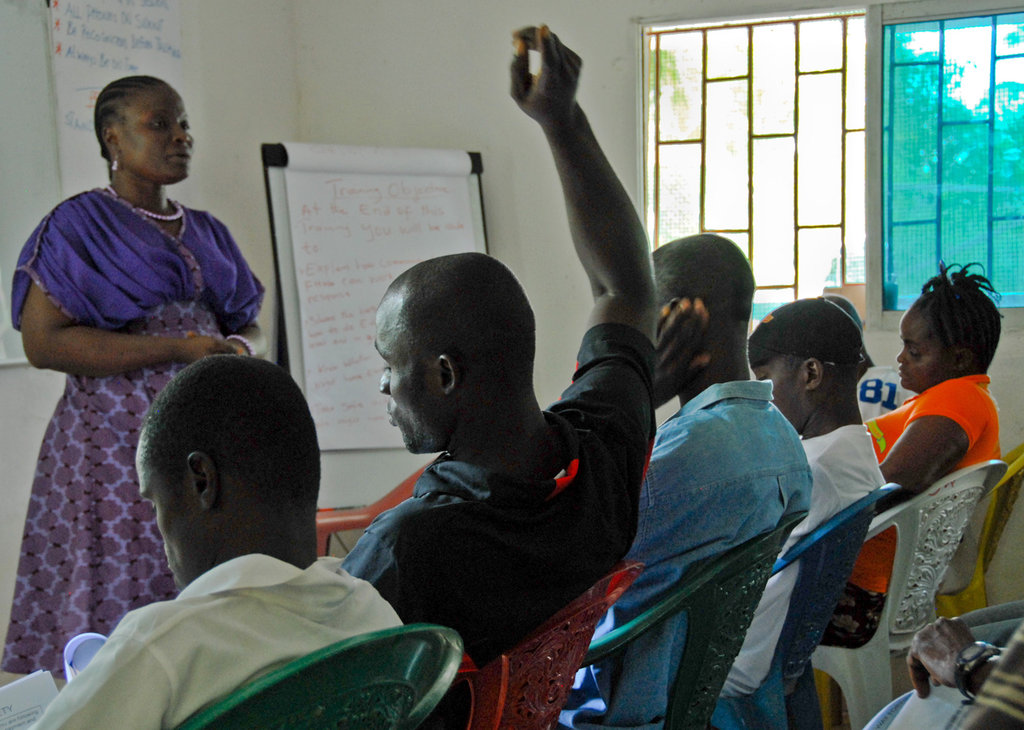
As the restoration of health services across Liberia continues, Last Mile Health remains committed to improving access to essential, quality healthcare for children and adults living in the most remote parts of the country. In Rivercess County, a total of 226 Community Health Workers (CHWs) have been recruited and trained over the last three months, expanding the provision of primary health care to almost 250 remote communities. They join 57 existing CHWs in Grand Gedeh County in ensuring that people do not forget about the threat of Ebola and continue to take precautions and recognize the danger signs associated with this highly infectious disease.
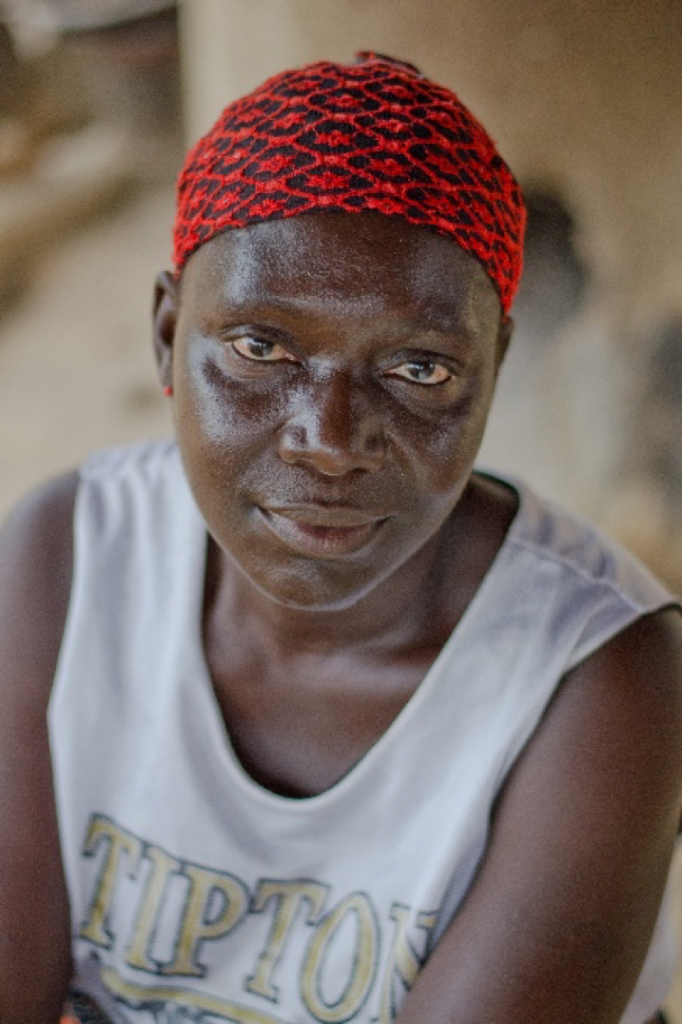
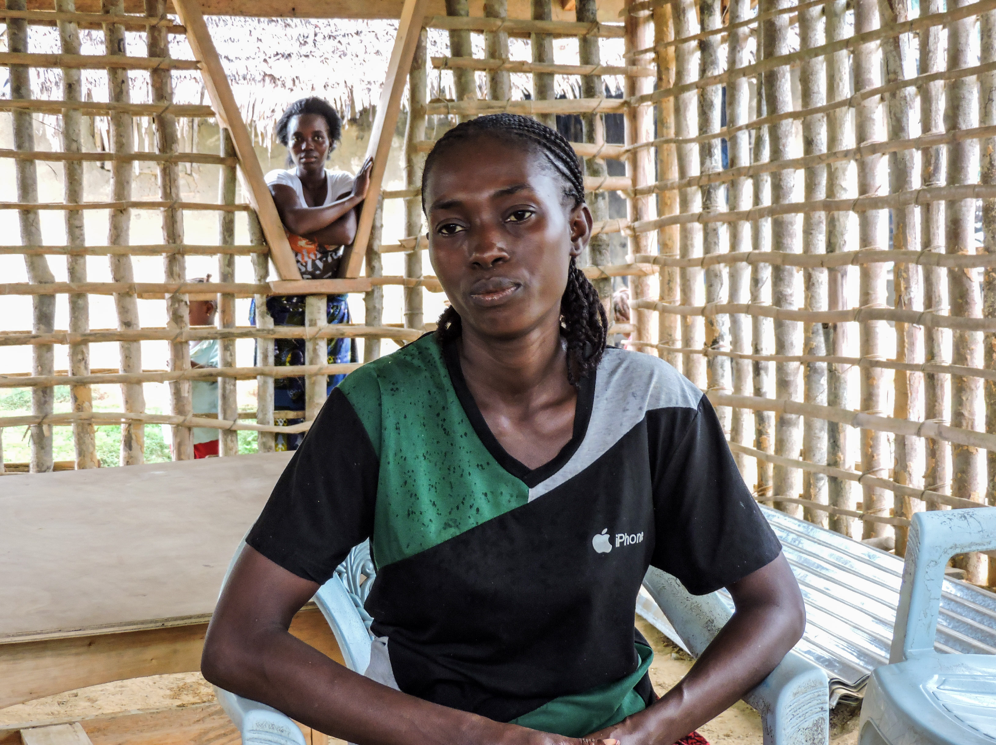
Reflecting on the weeks before her training in Ebola response, CHW Musu from Nimba Junction explains just how crucial a role this was and continues to be.
According to Musu, it was common belief in her village that Ebola was not real. Furthermore, people were horrified by the prospect that they would be cremated rather than buried by their families in the traditional way if they should contact the virus. It was a harrowing time and people were afraid.
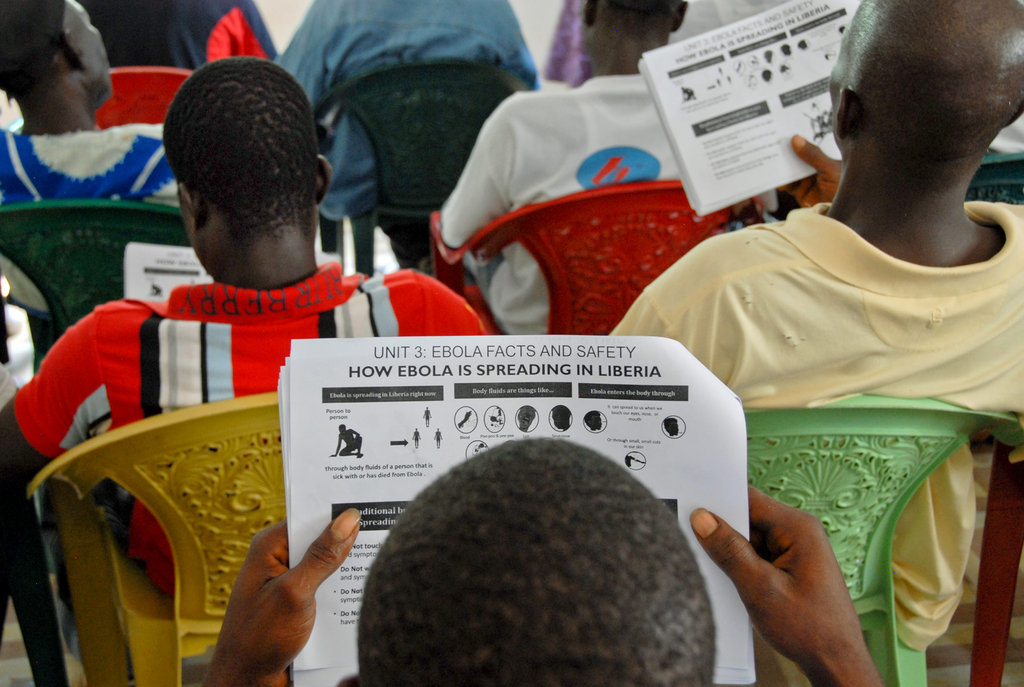
As a general Community Health Volunteer (gCHV) and member of the Community Health Committee (CHC), Musu was summoned to the nearby town of Bodowhea to attend Last Mile Health’s Ebola response training. There, she learnt about the clinical nature of the virus and was given the knowledge and tools she needed to prevent its spread and, if required, contain an outbreak in her community. This included relevant talking points for community education on the cause of Ebola and training on simple but effective infection prevention and control protocols.
Musu held a respected role as a gCHV, through which she was able to convince those in her community that the threat from Ebola is real. Just as she had learned, Musu went from house-to-house educating her neighbors on the importance of raising the alarm if anyone became seriously ill or showed signs of the virus. She showed them how to adapt plastic buckets to make hand-washing stations and succeeded in making this a routine practice.
Today, Musu is no longer a gCHV. Having been selected by her local CHC to undergo a rigorous interview, literacy testing and training process, Musu joined Last Mile Health’s first cohort of CHWs in Rivercess County last year. With the ongoing support that she receives, she has been able to reinforce her knowledge and skills, and continue to build the trust of her community. Even though Ebola has gone from Liberia, Musu’s neighbors know that it is real and are mindful that it could return at any time.
This is the message that new CHWs in Rivercess have been taught and are carrying to each and every remote village in the county. In addition to knowing how to identify, isolate, and refer Ebola cases, they are able to establish the foundation for continued service provision through community mapping and household registration. In this way, they are helping to fulfill Last Mile Health’s vision to see a health work for everyone, everywhere.
Links:
By Peter Harrison | Partnerships & Communications Associate
By Peter Harrison | External Communications Coordinator
Project reports on GlobalGiving are posted directly to globalgiving.org by Project Leaders as they are completed, generally every 3-4 months. To protect the integrity of these documents, GlobalGiving does not alter them; therefore you may find some language or formatting issues.
If you donate to this project or have donated to this project, you can receive an email when this project posts a report. You can also subscribe for reports without donating.