By Christina Tony | Project Leader
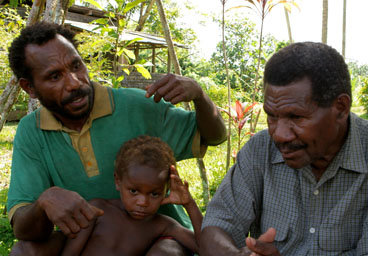
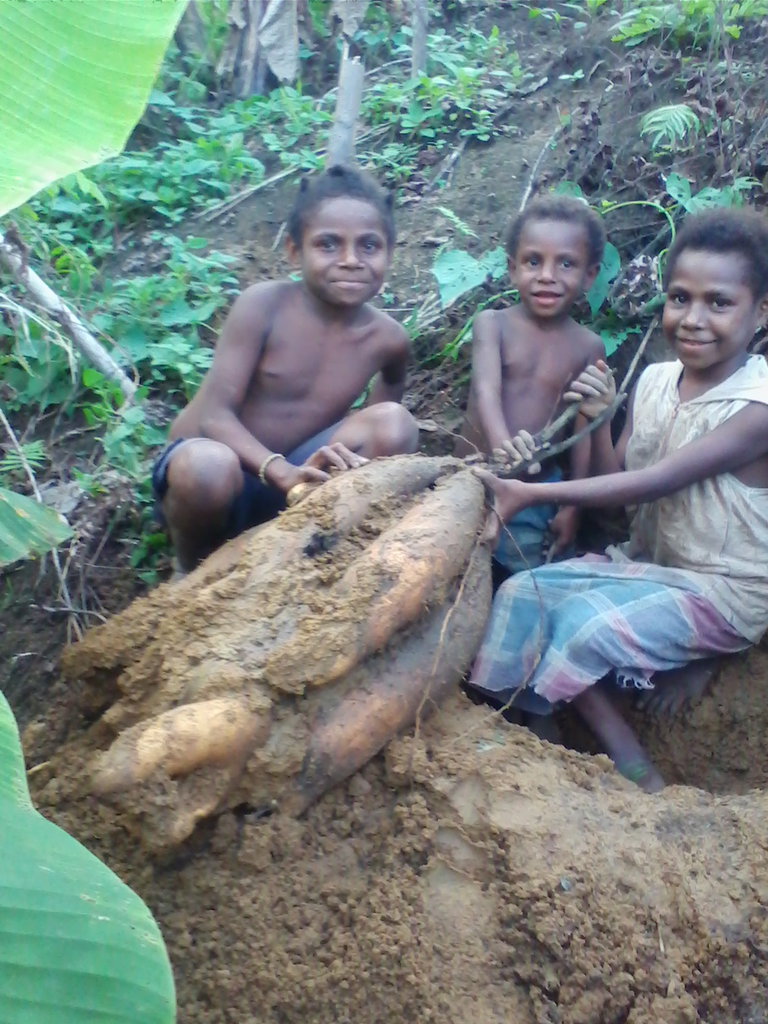
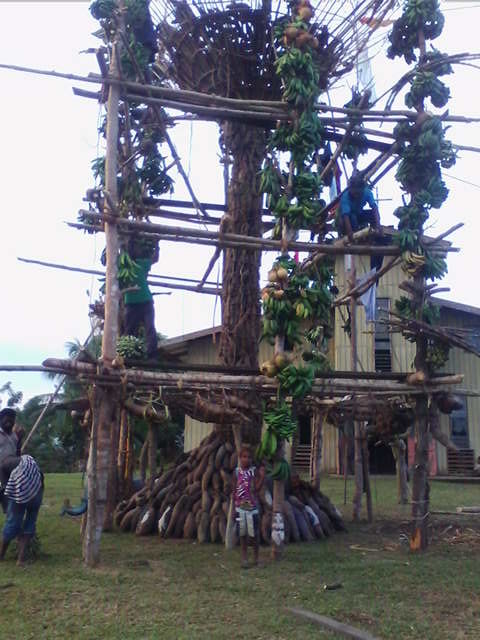
Tangu community is located in the Awar Local Level Government of Bogia District. This community is renowned for its Yam or Watur Culture, gigantic Watur towers and the rich lifestyle associated with it.
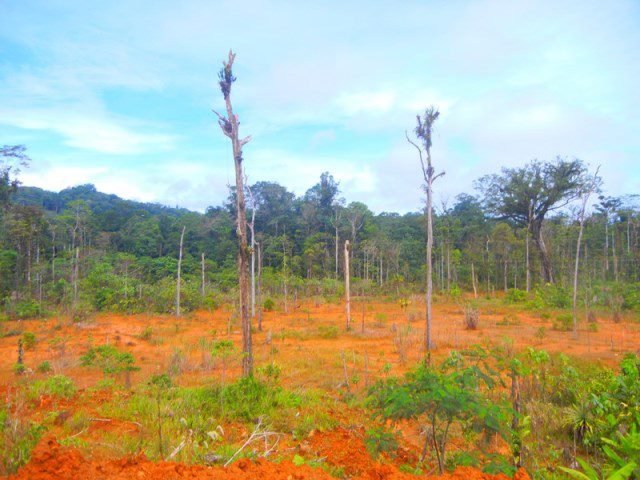
Earlier this year, the abundant life of the Tangu people was threatened when they learnt of some secretive coal prospecting activities on their land. Young men from the community unceremoniously came across a couple of geologist who trespassed on their land to collect coal samples.
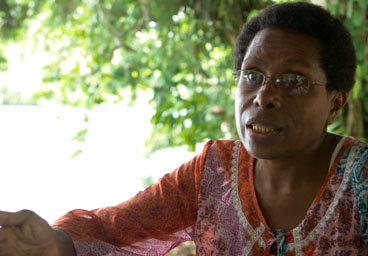
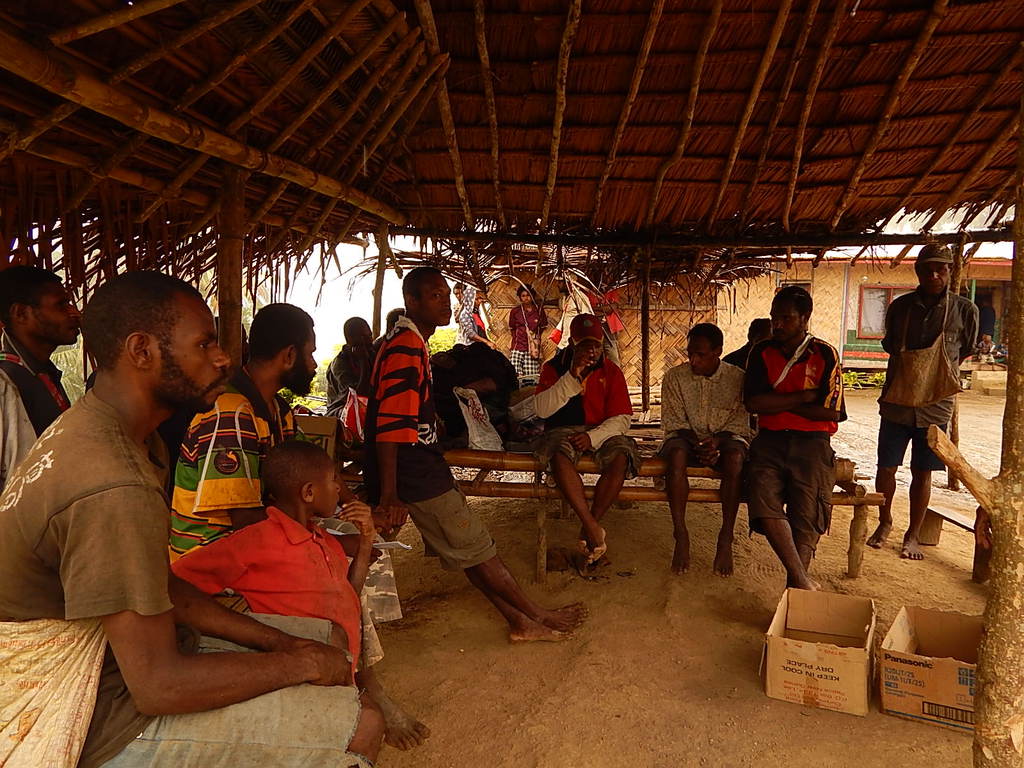
Interest from the whole community to learn more about this threat reached Bismark Ramu Group so a team of community facilitators held information sharing sessions with different groups in Tangu during BRG’s 3rd Patrol of 2014. Mark, Bailal and Stella were able to share updated information relating to land grabbing and mining, including videos to school-aged children and the whole community. Immediately afterwards, the Tangu community made an informed unanimous call to stop further talks about coal mining on their land when government officials and representatives from Pacific Mining Partners, a mining company, visited Amuk village to rally for coal mining.
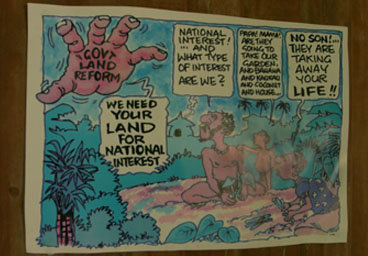
However, the Tangu people’s fight to protect their land and lifestyle did not end there. Two months ago, Papua New Guinea’s Minerals Resources Authority announced its intention to research into developing a coal mining policy for the country. On top of that the Department of Mineral Policy & Geohazards Management has been working on changes to the Mining Act. One of the changes that would endanger the lives of millions of Papua New Guineans who knowingly or unknowingly live literally on top of mineral deposits like the Tangu people is the Involuntary Resettlement Policy or IRP. The scope of application of this policy in the draft that is being circulated for feedback among closed groups, states that IRP “is to be applied in all instances of land acquisition and resultant involuntary resettlement (displacement) for mineral sector projects in Papua New Guinea. It applies to both physical and economic displacement. The IRP is therefore expected to apply to all projects that must acquire land held under either customary title or freehold title, which combined, constitutes the majority of land in Papua New Guinea (PNG). After the IRP has been enacted, should mineral sector projects encounter discrepancies related to involuntary resettlement between national law and the IRP, the IRP shall apply.”
Having this information at hand Stella, Bailal and Harry returned to Tangu as part of the final patrol for the year. This time the people of Tangu took on a different approach to ensure their message was clear to the government of PNG and other potential coal mining investors which was well captured by Kandawa in the Little Green Palai blog:
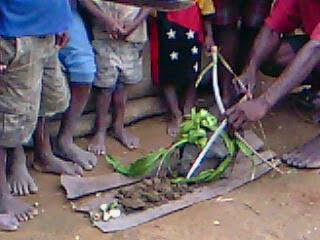
Tanget leaves tied at the top and set on a block of coal then a bow and arrow placed over it and set
on the land indicates a taboo; a no no for coal mining on their land.
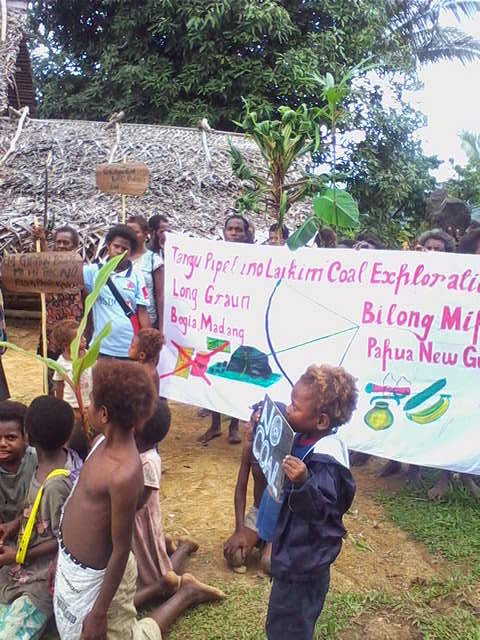
This was a sign by the people of Andimarup village in the Tangu area of Bogia two weeks ago. Witnessed by more than 100 school children, their teachers and parents, the leaders flew a banner carrying the same message saying there will be no coal exploration on their land.
They said, "we have cocoa and lots of yams. We do not need a destructive coal mining project on our land. Our land is for growing our food!"
Three months ago in a neighboring village their young men chased some scientists out of their forests for not seeking their permission and informing them of their purpose of visit. It was only after the scientists returned with the Bogia police that the villagers learnt their reason was to collect geological samples including coal.
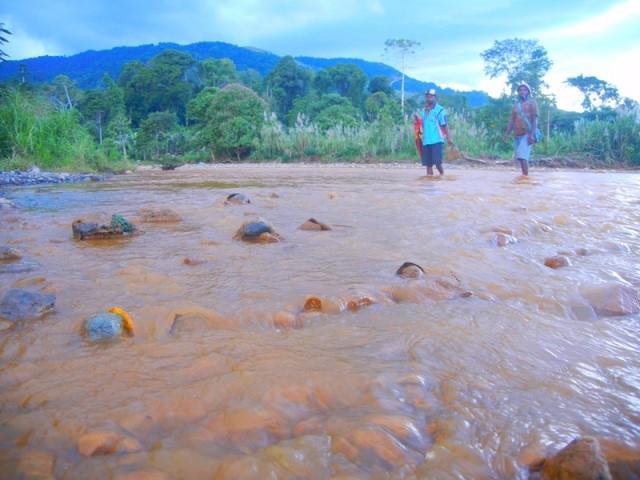
In the Biam village alluvial mining is fast becoming their way of life and the finds are used to barter for chicken, rice and other necessities in their village. They have taught themselves on how to extract and trade gold locally and hope that this practice will not be disrupted by large scale mining.
There is word already of gold mining in the nearby Niapak Mine and Madang government officers have been out to talk with landowners.
Coal mining is a new thing and brings a lot of questions about their land. Already some papers including Incorporated Land Group (ILG) forms have been issued for them to sign.
In traditional PNG villages various plants are used to indicate taboo but the common ones across all cultures are the tanget and the gorgor.
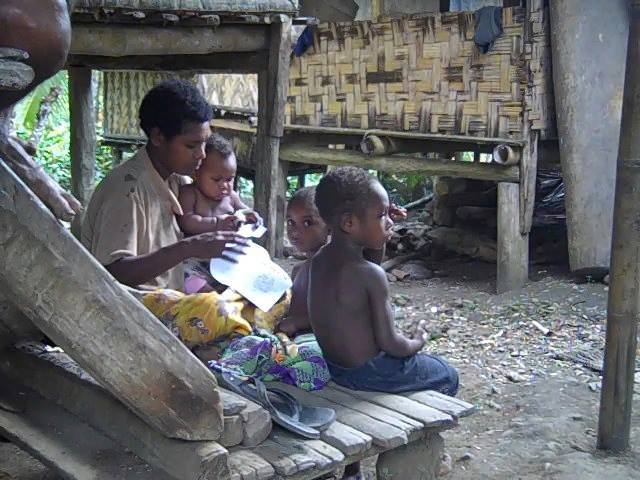
The people of Tangu are farmers. Each family makes many large gardens and at harvest time a huge thanksgiving ceremony is held to celebrate the abundance. Yam is their main crop for kastom ceremonies. Their children learn their ways through their yam culture.
The people of Andimarup demand that their taboo sign is respected and no word of coal exploration or mining on their land should be discussed anywhere without their consent.
http://littlegreenpalai.blogspot.com.au/2014/12/tanget-means-no-coal-exploration.html
Project reports on GlobalGiving are posted directly to globalgiving.org by Project Leaders as they are completed, generally every 3-4 months. To protect the integrity of these documents, GlobalGiving does not alter them; therefore you may find some language or formatting issues.
If you donate to this project or have donated to this project, you can receive an email when this project posts a report. You can also subscribe for reports without donating.