Project Report
| Oct 26, 2020
Feeding Families during Covid19
By Enoch Asiimwe | Project Manager
LAHU maintained supporting the vulnerable households with food supplies as a response to food insecurity brought about by Covid 19 pandemic.
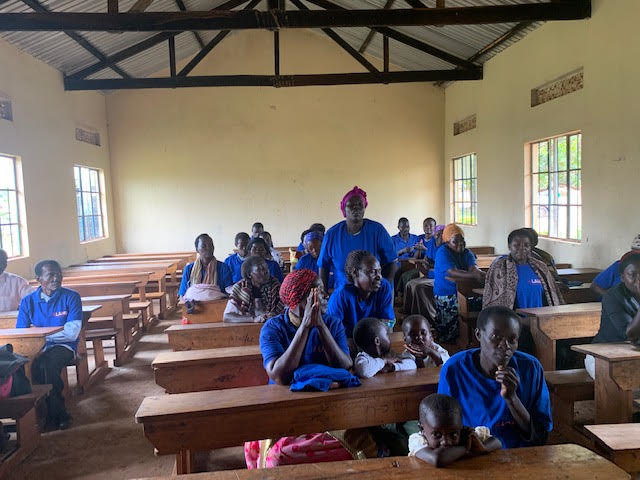
Many families have been affected and there is much panic mostly in vulnerable households. In the Mwererwe community, we grow food which parents share for consumption and any surplus if any is taken to the markets and the sales supplement the ongoing farm activities.
However, in Gangu Community, they have no land for growing food at the time being, therefore the food grown in Mwererwe is ahared among the two communties supporting 15 families during the pendamic.
Through the pandemic, we managed to plant; Irish Potatoes, beans, cabbage, yams, sweet potatoes and we are hoping to harvest every 2 weeks if the weather stays the course.
The families in Mwerwerwe are excited about the project as it grows and gets to a more sustainable stage.
Attachments:
![Share on Twitter]()
![Share on Facebook]()
Jun 27, 2020
June 2020 UPDATE ON THE FARM AND FOOD DISTRIBUTION
By Enoch Asiimwe | Uganda Project Manager
![]()
SUMMARY OF PROGRESS ON THE FARM AND FOOD DISTRIBUTION SINCE EMERGENCE OF COVID 19 PANDEMIC
Farming
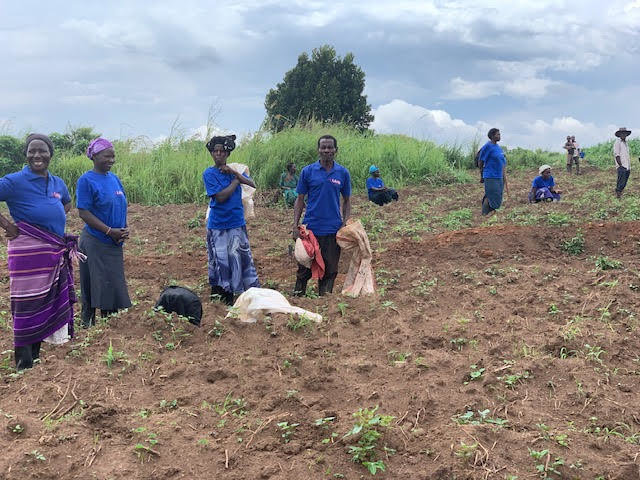
Since March 2020, the farming continued despite the Covid-19 pandemic. The 33 parents converge thrice a week to work together on the farm. Since March 2020, they have grown three types of crops and vegetables.
- Yams. The already existing garden of yams was weeded and pruned for better growing. Even though the yams are not ready for consumption now, in the next two months they were harvested for consumption.
- Beans. Parents grew beans on one acreage of land and they have harvested 150 Kgs which they shared among themselves. This increased food/source in the beneficiary households
- Irish potatoes. Parents grew Irish potatoes on one acreage of land, they will be ready for harvest at the end of the month of July.
- Vegetables include; Sukuma, dodo, Nakati and bugga. They have prepared a garden to plant cabbage.
Summary of food distribution to the beneficiaries.
- Mwererwe Community (40 parents) each received in six separate distributions: 1.5 kg of posho, wheat, rice, beans and sugar, plus 1 kg soap
- Gangu Community (10 parents) each received in three separate distributions: 2 kg of posho, wheat, rice, beans and sugar, plus 1 kg of soap
Challenges faced
- The COVID 19 has disrupted all the programs and there has been limited project monitoring by the LAHU team, though some monitoring has occurred.
- Some parents come from a far distance and this limits their participation in farming program.
- The room identified for a Library at Gangu may need more resources to make it feasible for a library which may call for the community or school contribution.
- Limited transport affected effective distribution of food to the beneficiaries because during lock down, no vehicles were authored. LAHU hired motorcycles but it was not as effective as using a car.
- Excessive water affected crops on the farm especially beans.
Lessons
- During the lockdown we have learnt that it’s possible to work from home even though there is no physical contact with the farmers.
- Organizations need to set up disaster preparedness programs to respond to any eventuality in case of future calamity.
- We need to conduct a workshop with our partners and share LAHU values, norms and principles to avoid backlashes which may affect partnership relationships.
- The farming practice will create sustainability for the lunch program with the honesty commitment by the parents.
![]()
![Share on Twitter]()
![Share on Facebook]()
Feb 28, 2020
February 2020 Report
By Amy Noelle | Director of Operations
![Irish Potatoes]()
Irish Potatoes
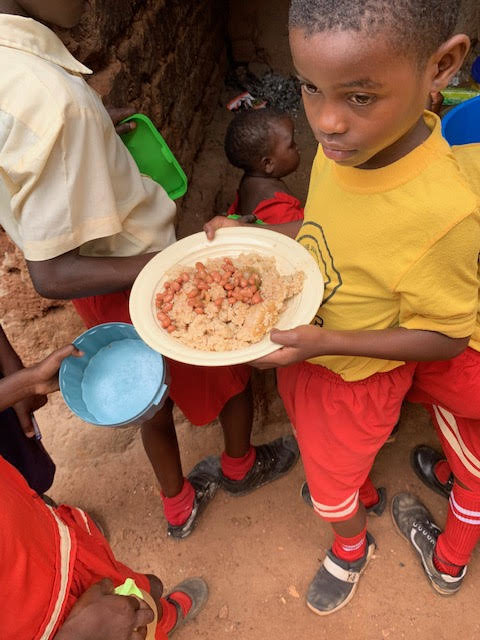
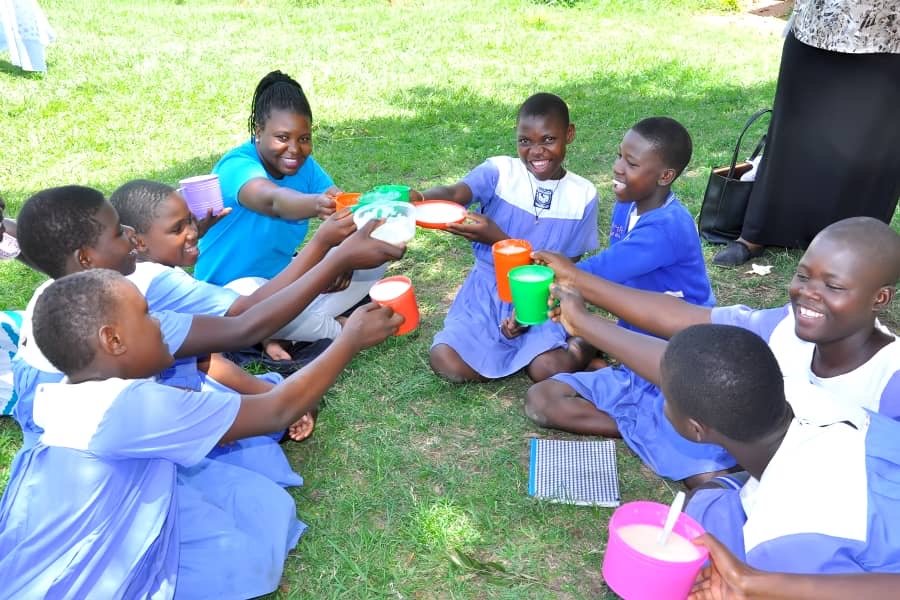
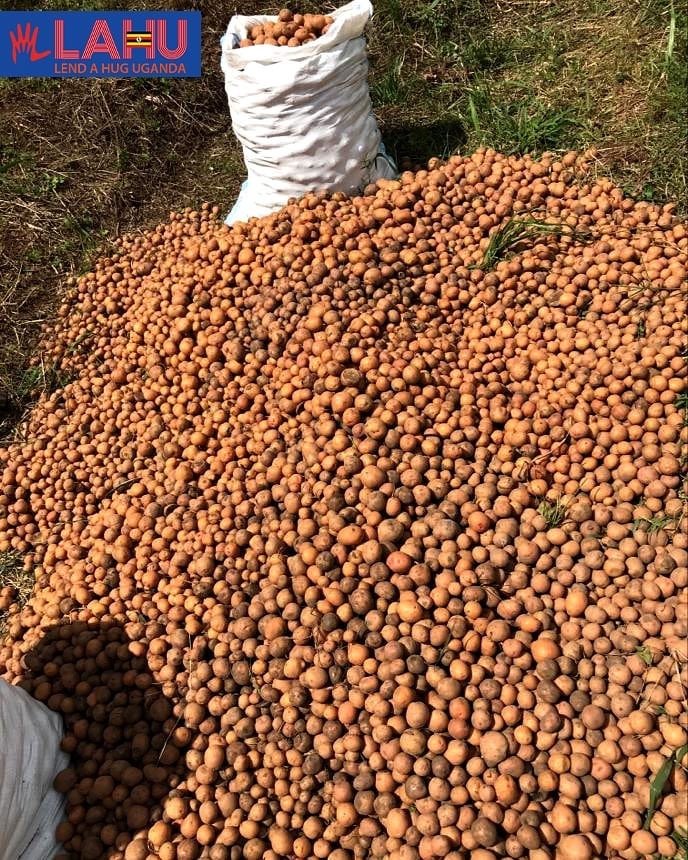
Since the start of our campaign in December 2019, the LAHU team completed our irrigation project, bringing water to the community farm in advance of the dry season that usually begins in January. We then had a great harvest of Irish potatoes in February. Some sacs will be reserved for future planting and the rest were distributed to our two schools to supplement the lunches, along with other purchased ingredients.
The team on the ground learned many lessons along the way and we are excited to put that knowledge to good use as we continue planting past our pilot season. Next in our plan is to build a small greenhouse that will aid in the growth of seedlings before transferring to be planted in the earth. This will allow for a wider range of crops to be grown.
Thank you for helping us get to where we are now!
![Share on Twitter]()
![Share on Facebook]()