By Rachel R Bernu | Managing Director
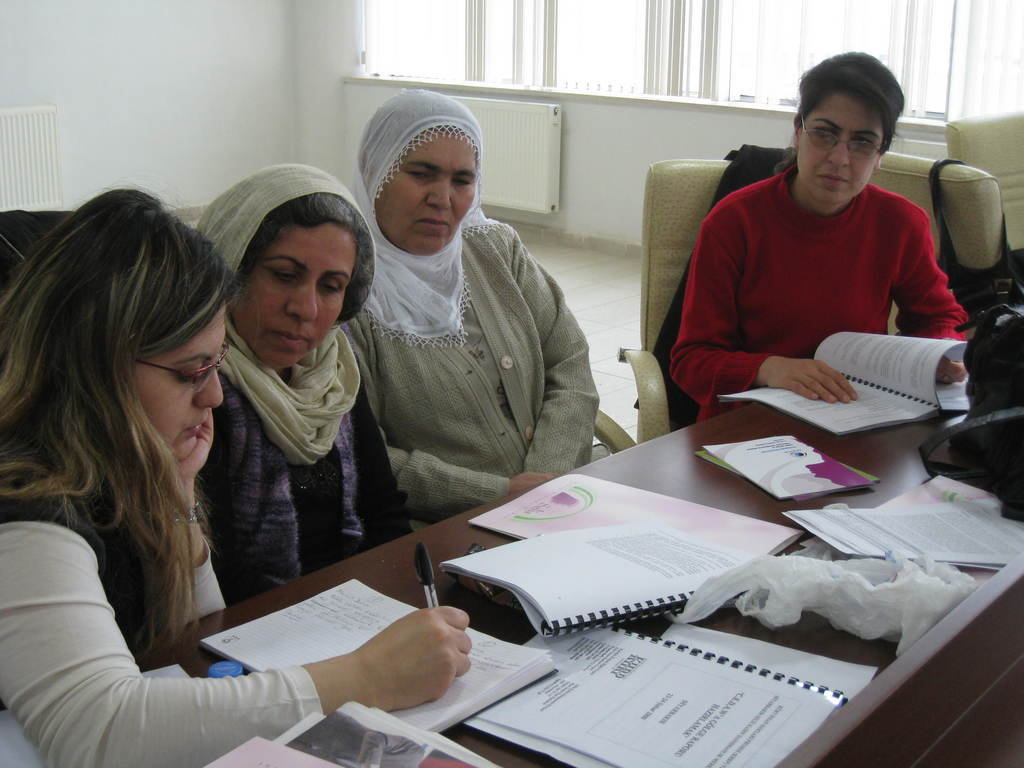
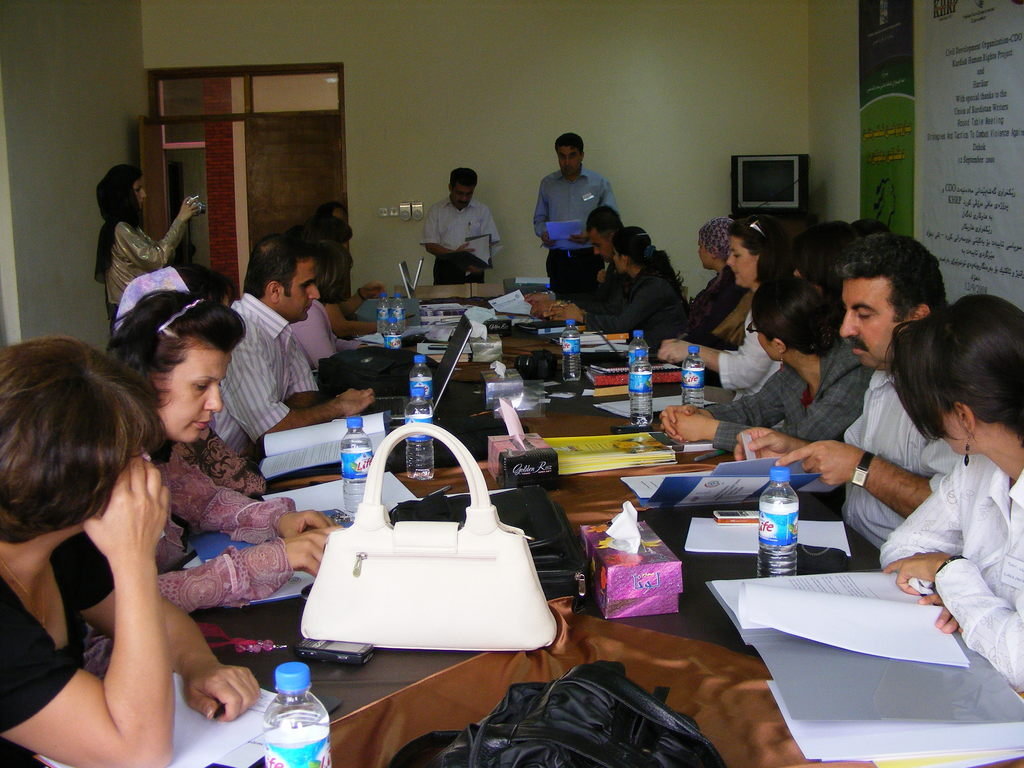
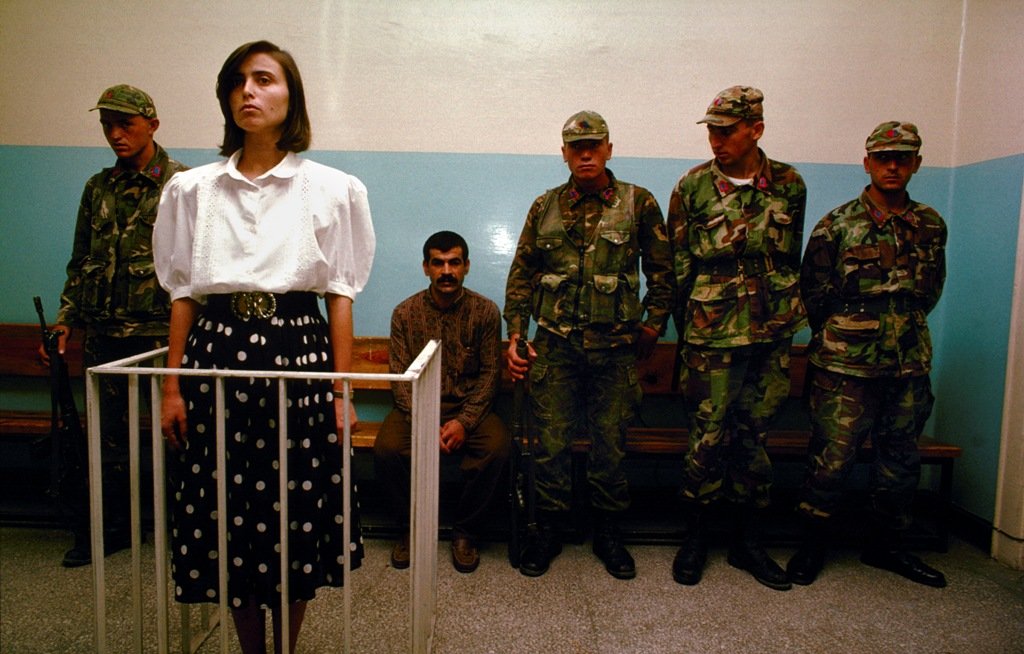
Over the course of the last 3 months, Access to Justice for Women in the Kurdish Regions has focused on highlighting barriers to justice for the women it serves. On 20 May 2011, the UN Committee on Economic, Social and Cultural Rights adopted concluding observations following its review of Turkey's initial report on the implementation of the rights enshrined in the International Covenant on Economic, Social and Cultural Rights. In advance of this review, KHRP had raised a number of concerns about Turkey’s compliance with its obligations under the Covenant by submitting a list of issues which are attached, and highlighted the significant barriers to education and employment that impeded women from enjoying their full economic rights. KHRP welcomed the expressed concerns and the below recommendations/ requests by the Committee: 'The Committee recalls article 3 of the Covenant as well as it general comment No. 16 on the equal rights of men and women to the enjoyment of all economic, social and cultural rights, and calls on the State party to: (a) raise public awareness about gender equality and adopt the necessary measures, legislative or otherwise, with a view to changing prejudices and perception about gender roles; (b) expand the supply of day-care services; (c) adopt the quota system in various areas to accelerate women’s representation in political life and in the labour market; (d) monitor, in collaboration with civil society organizations, the impacts of all measures taken on the enjoyment of economic, social and cultural rights of women by collecting specific data on the results of all its programmes and measures to promote gender equality. The Committee requests the State party to include in its next periodic report information on the impact of measures taken to enhance women’s representation in the formal economy and on the outcomes of the monitoring and evaluation of the Gender Equality Plan. The Committee requests the State party to include in its next periodic report information on the incidence of sexual harassment in the workplace as well as statistical data on cases of sexual harassment brought to the criminal and the labour courts, including information on indictments and sentences in this regard. ' KHRP also attended the Committee’s review of Turkey’s report which took place in Geneva on 3 and 4 May 2011 and met with Gabriela Guzman,a representative of the Special Rapporteur on Violence against Women, Its Causes and Consequences, who noted that we and our partners should feel encouraged to make more submissions about trends in violence against women in the Kurdish regions, as she felt that there was a dearth of reporting on this geographical area. KHRP discussed the type of information the Rapporteur would find useful and is currently working with its partners to prepare new submissions. In June, the Project participated in Panel discussion at the British Film Institute discussing the film Son of Babylon. This film touched on the specific difficulties women face in conflict areas. Because many of the women we work for lack formal education, they find it particularly difficult to engage with the formal sector when looking for family members from whom they've been separated over conflict and often find that because they may not speak the language of the state, their requests are ignored. There was an interesting discussion about the gendered barriers for poor women in Iraq, many of whom are unable to find their missing loved ones. Finally, the project has been in close contact with its partners in Syria as the situation there deteriorates. Women in Syria are both direct victims of state violence, ill treatment and torture, extrajudicial detention and imprisonment without access to lawyers and family, and also indirect victims of violence perpetrated against male family members. Women are unable to make contact with and even locate their husbands, sons, fathers and brothers, for fear of reprisal against the family and because the legal system treats their concerns as invalid. Unfortunately, as unrest continues to spread, the Project anticipates more harrowing stories to come.
Links:
Project reports on GlobalGiving are posted directly to globalgiving.org by Project Leaders as they are completed, generally every 3-4 months. To protect the integrity of these documents, GlobalGiving does not alter them; therefore you may find some language or formatting issues.
If you donate to this project or have donated to this project, you can receive an email when this project posts a report. You can also subscribe for reports without donating.