In 2010, the project has continued to work to enable women in the Kurdish regions to access the justice that they are so often denied, using our holistic, multi-dimensional approach to promote empowerment, equality and awareness of the particular barriers that women face. This has been achieved through a combination of building knowledge and skills among human rights advocates and women's groups in Turkey, strategic litigation & advocacy helping people understand and use the international human rights mechanisms that exist for their protection, and finally by continuing to shine a light on the abuse and problems that women face so that there is greater awareness of their situation.
In January, a KHRP representative travelled to Geneva to participate in the events surrounding the meeting of the 45th session of the Convention on the Elimination of All Forms of Discrimination against Women (CEDAW) Committee. In the Kurdish regions, as elsewhere, it is so often the case that existing or new legal provisions safeguarding women’s rights are effectively rendered impotent as there are rarely sufficient measures put in place to ensure that the legislation is implemented. Accordingly, the committee focused on the need to ensure that positive formal institutional provisions (ie. progressive legal reforms) are complemented by appropriate measures to ensure substantive implementation in practise.
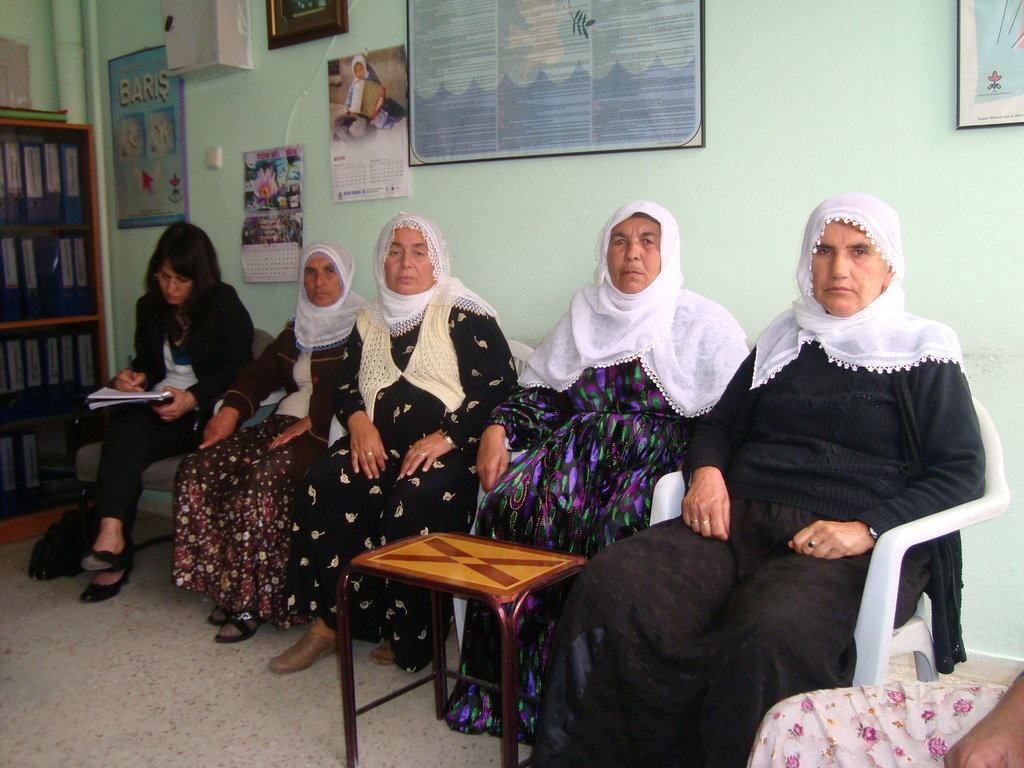
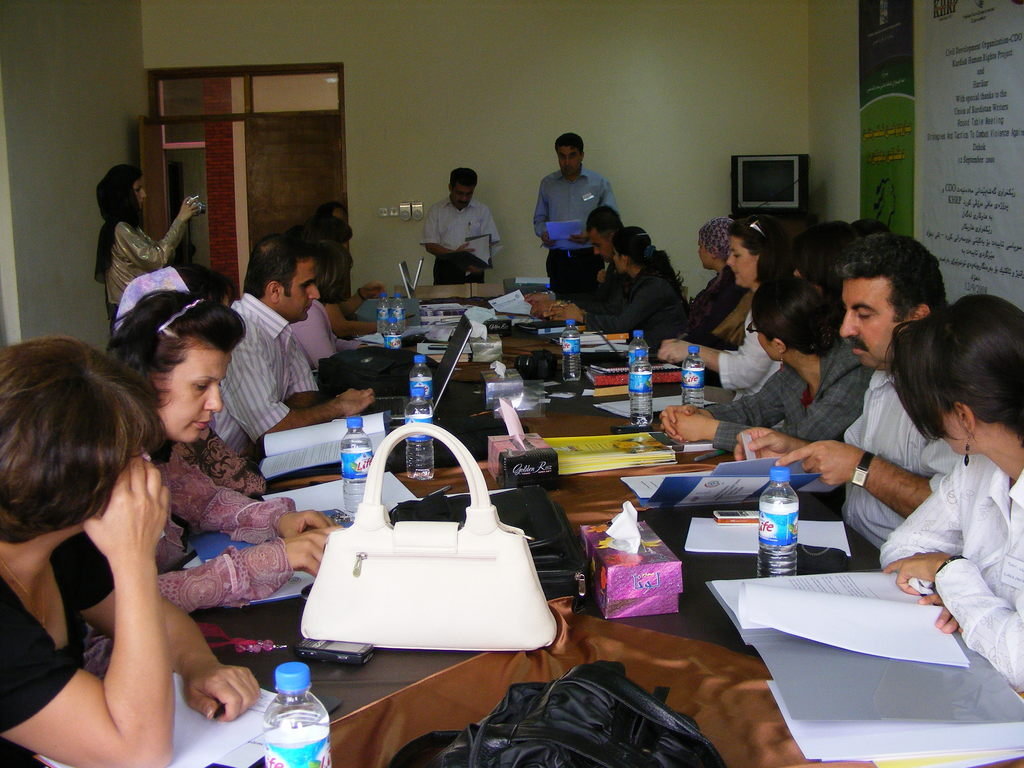
In February, the project held a UK-based event designed to increase the capacity and encourage the spread of international women’s rights activism and advocacy. This took the form of a London workshop, introduced by Claire Short MP, entitled ‘Capacity Building: The Convention on the Elimination of All Forms of Discrimination against Women (CEDAW). KHRP will also convene in-country and cross-border roundtable meetings and trainings in conjunction with local partner NGOs and regional women’s rights organisations working with Kurdish communities. This will give them a valuable forum in which to share their experiences and ideas for tackling violence and other forms of human rights abuse and build tactics to break down cultural taboos surrounding this sensitive subject.
Women throughout Turkey, and Kurds in particular, continue to face a variety of barriers that effectively exclude them from full participation in social, political and economic life. Kurdish women experience substantial disadvantages, such as in their access to equal employment opportunities and in properly accessing state health and judicial provisions. Moreover, the government continues to fall short of the mark in tackling the gender-based violence that remains so pervasive throughout Turkey. The project took the opportunity on International Women’s Day on the 8th March, to call for greater efforts to secure the equal rights and opportunities of women in the Kurdish regions to education, employment and political representation. We also participated in discussions hosted by both the UN and the UK’s Foreign and Commonwealth Office (FCO), contributing to the FCO’s ‘Women’s Working Group in Iraq’ and to the discussions that centred around the 54th session of the UN Commission on the Status of Women (CSW). The session focused on a 15-year assessment of the implementation of the Beijing Platform for Action as well as the outcomes of the 23rd special session of the General Assembly. As part of proceedings, KHRP submitted a report to the CSW in which we detailed our major concerns in relation to the situation of women in Turkey. These ‘shadow’ reports enable another side of the story to be told and give women a chance to voice their experience without fear of reprisal.
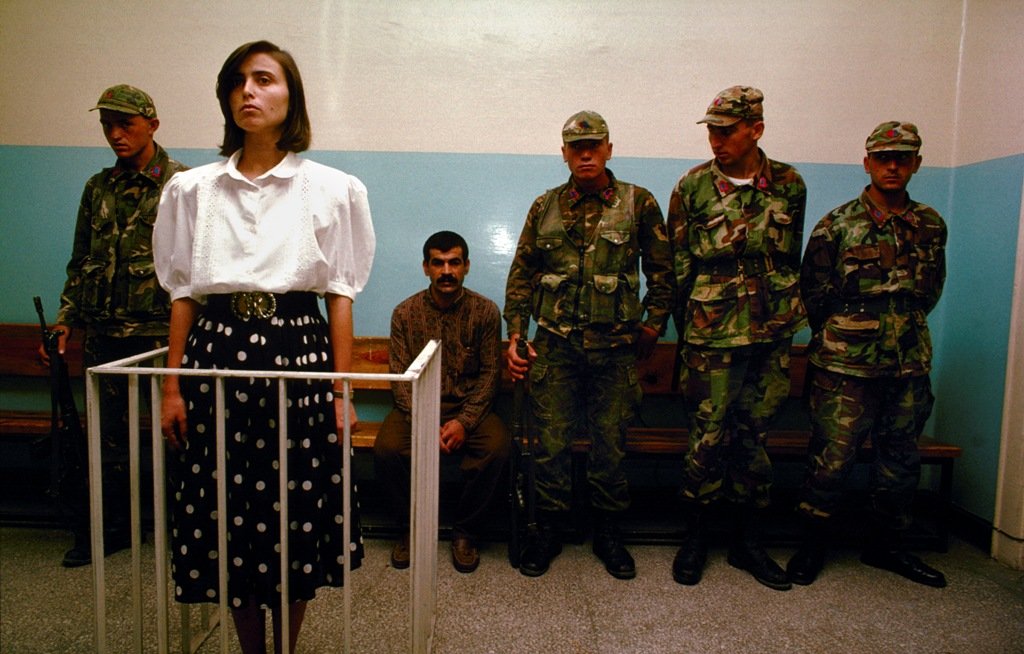
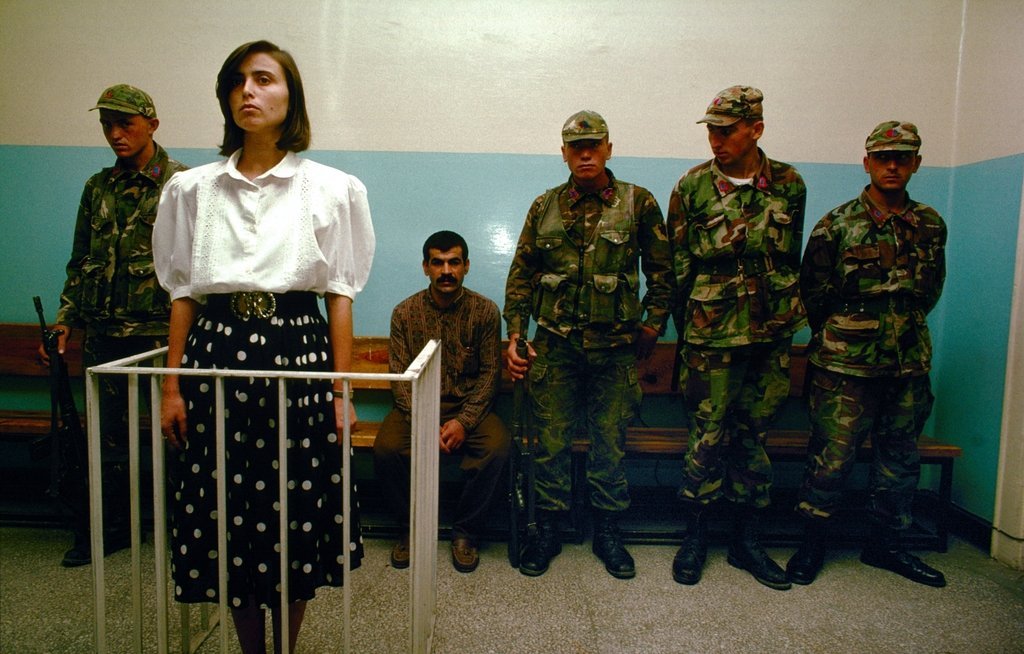
A significant portion of this submission was dedicated to the barriers faced by women, especially Kurdish women, in gaining effective access to state judicial functions. It was noted here that this is particularly the case in situations of domestic violence, a problem of alarming prevalence in contemporary Turkey. This issue was detailed in depth by KHRP with the publication of The Trial of Kerem Çakan: The Turkish Judiciary and Honour Killings, which presented the findings and wider investigations of a KHRP trial observation mission that took place in 2009. The case involved the murder of a young pregnant woman by her spouse in an attack that bore all the hallmarks of a so-called ‘honour killing’. However, the jury neglected to consider the crime as such, and both the police and judiciary neglected further avenues of investigation that may have indicted the murder in this way. The findings of the delegation reflect a wider systemic failure on the part of the Turkish state to uphold commitments to regional and international human rights law concerned with gender-based discrimination and violence in particular. Furthermore it suggested that the state has failed to ensure women’s access to its protective and judicial powers in opposing widespread gender-based violence and honour killings.
Finally, KHRP worked further to enable women to access justice through our strategic litigation programme, working on cases at the European Court of Human Rights to ensure that individuals gain justice when the domestic legal system has failed them.
Attachments:
![Share on Twitter]()
![Share on Facebook]()