By Chiara Trotto | Kubunina Team Member
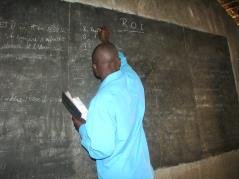
After the working session during the mission of Chiara Trotto all the sites re-started the activities with a stronger motivation and a new spirit of self-organization. The fact of having a better knowledge of how to plant, when to plant and what to plant in order to maximize their income, motivated the parents’ committees and helped them to have a broader view of their work.
Moreover, thanks to the specific market analysis, each site could better plan the garden activities and these already gave good results on the committee’s income.
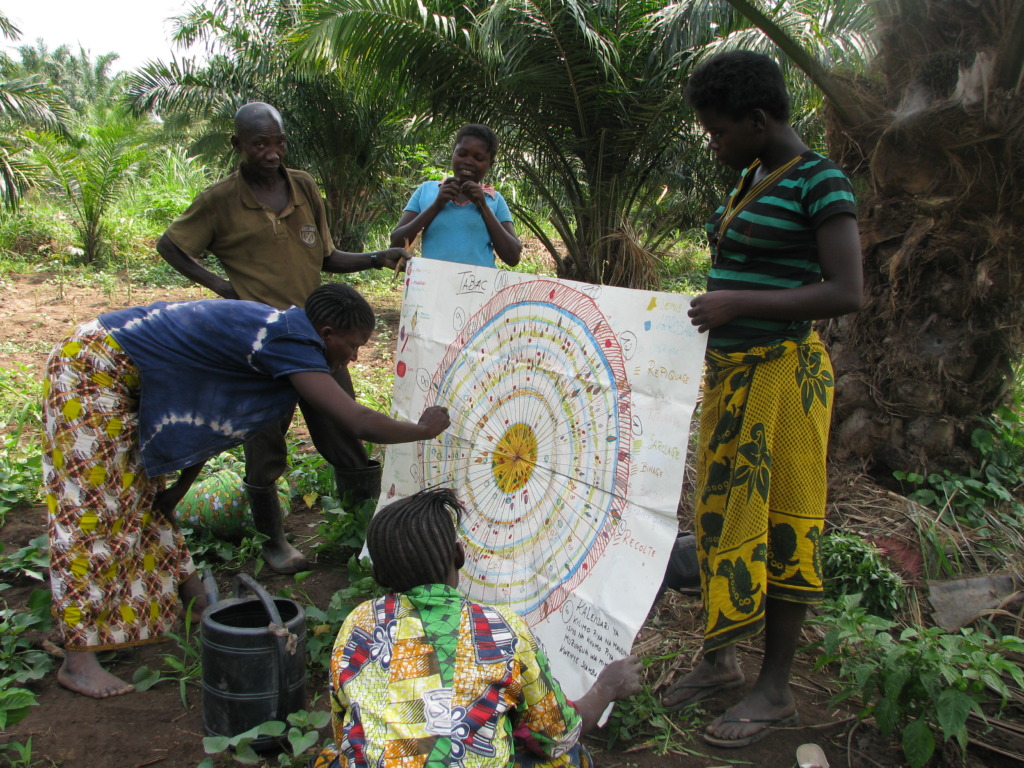
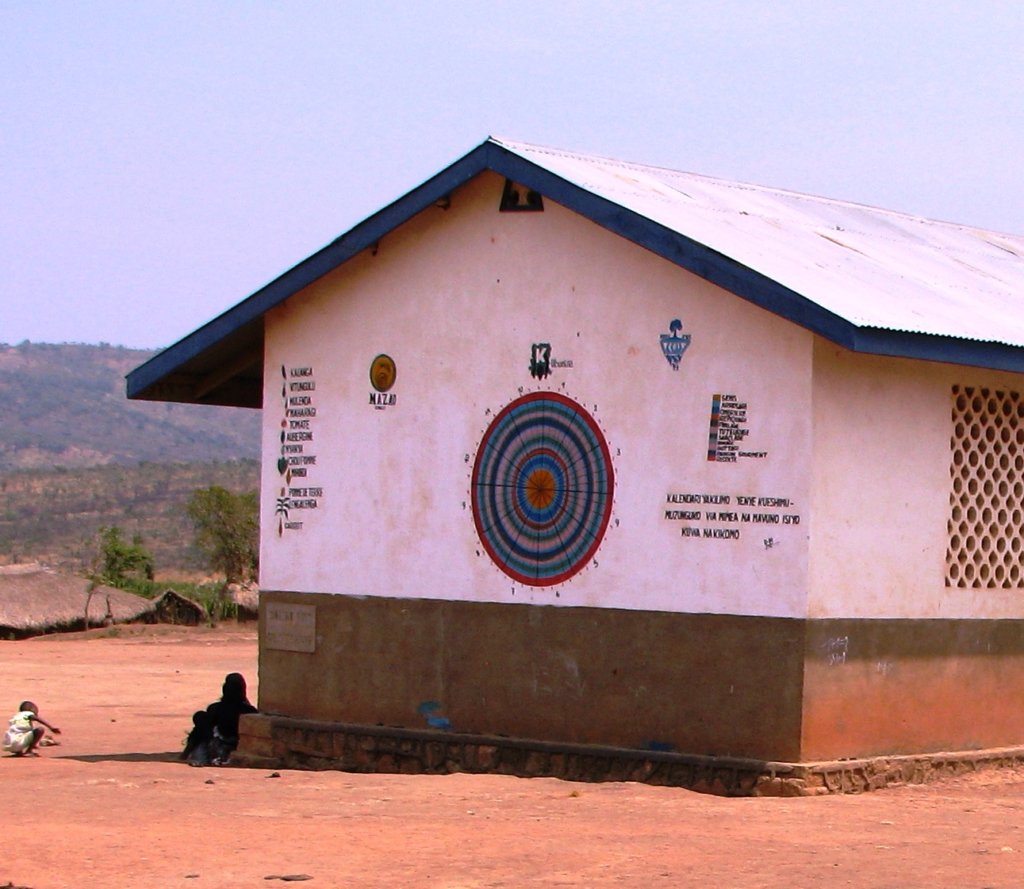
The constant monitoring made by Mazao is also supporting the groups to plan their activities with large advance and to organize the harvest in order to get as much benefit as possible. A circular calendar was drawn in all Kubunina sites with the specific yearly planning of every farming activity the parents have to do in the year. After the participatory creation of the calendar, for a better understands of it, regularly refreshing sessions have been organized by the local team together with the parents directly in the field.
The common discussion about the activity plan made lots of good ideas came out.
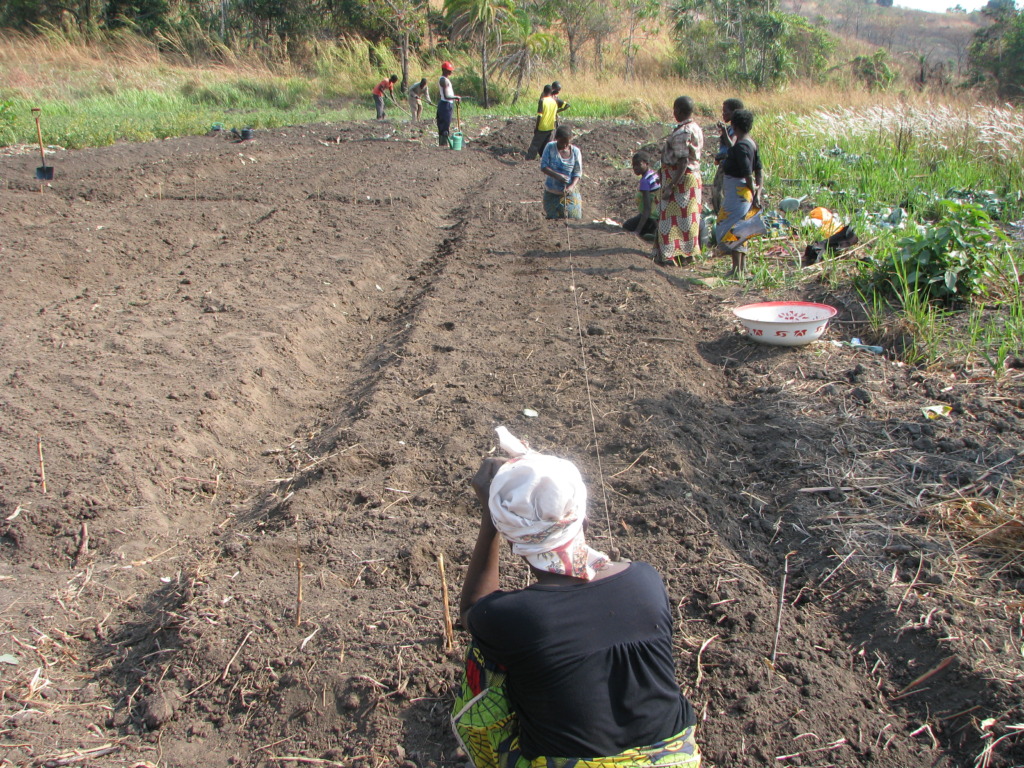
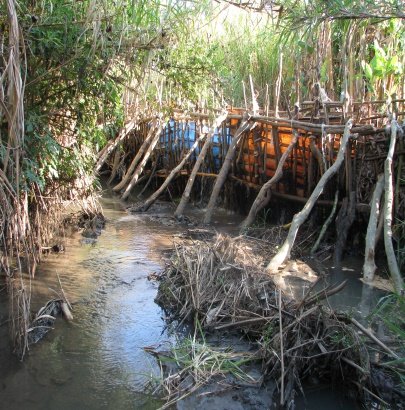
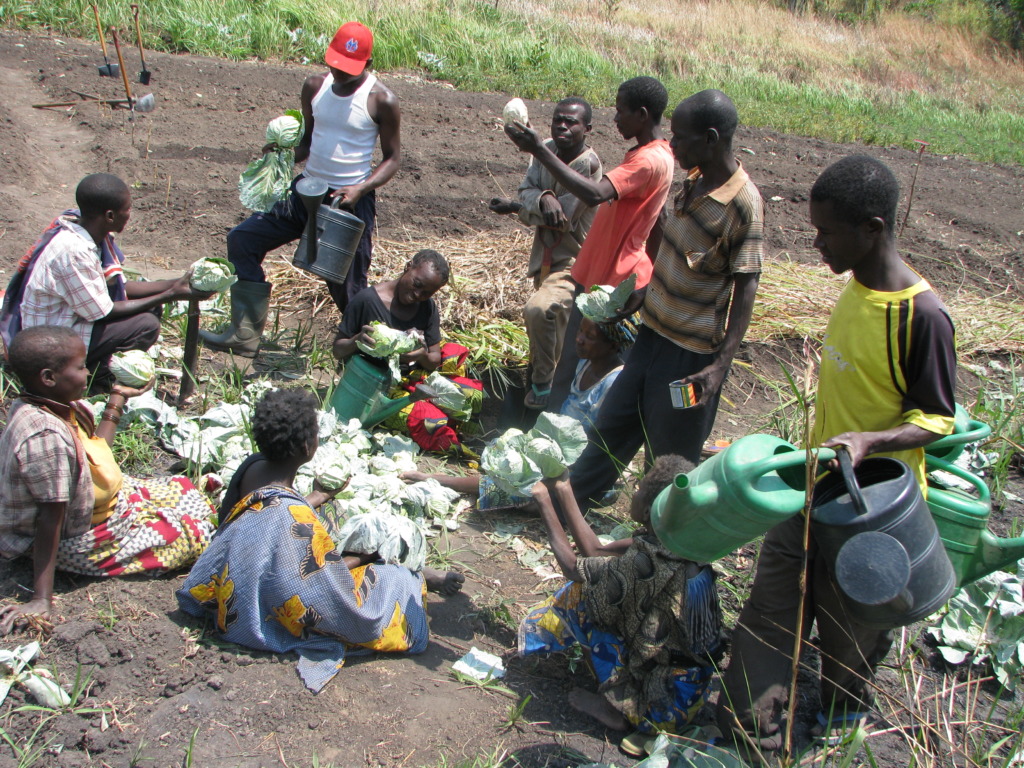
In one site for example, parents committee realized they had to increase the cultivate surface after all the calculation done during the working session, so they decided to work one piece of land more per person and in one month they already have the first leaves of amaranth to sell. At the same time they understood that water was the key of their development because they were too slow in the watering and so they lost precious time to do something else. So they dig a canalization starting from the river and they built a dam to control the water. This simple solution gave them the possibility to improve their income of the 25% in the last 3 months. They also decided to expand their filed to other culture, like corn and sweet potatoes (very rentable in the village).
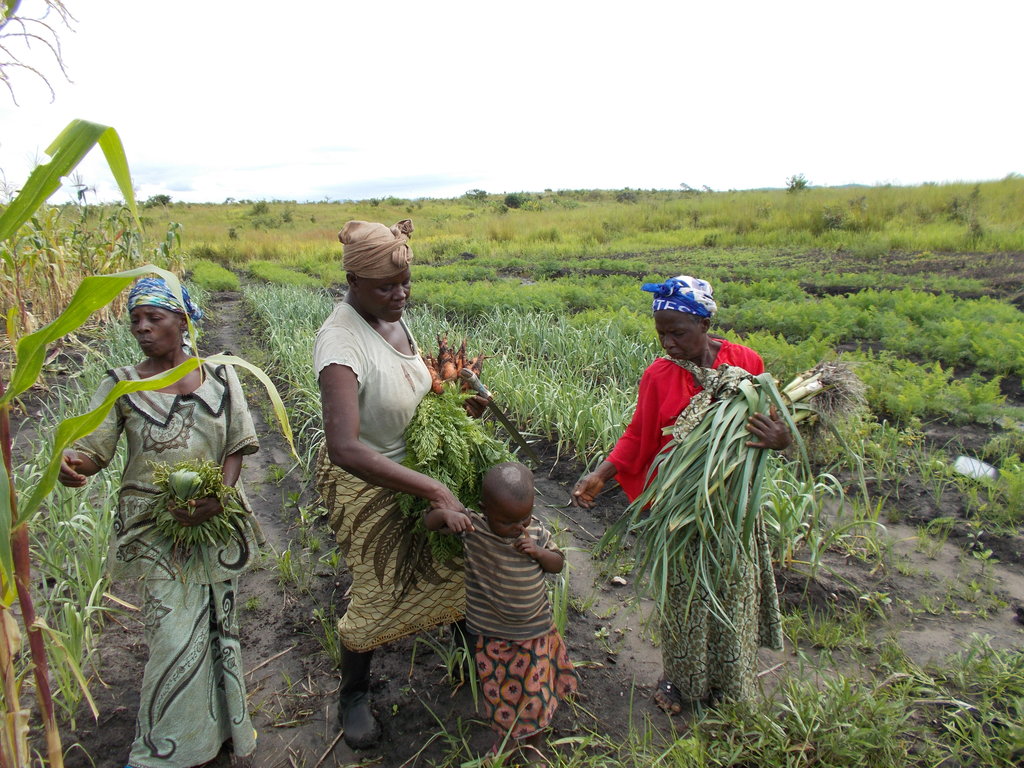
In another site the committee realized that farming potatoes could be the solution of all their economic problems, so they managed to calculate how much surface they had to farm, how many times per year and how much seeds they had to buy to start the production.
So they decided to dedicate bigger efforts to grow especially potatoes for the selling beside carrots, eggplants, tomatoes and celery for their own consumption because in this isolated village is very hard to find different vegetables except for leaves; that means that parents started to have a better and diversify diet starting from Kubunina project and they would like to succeed in diversify vegetables for the market and vegetables for their families.
Beside the economic and technical advises tackled during the training course, another very important moment for the committees has been the creation of an Internal Common Rules list that should help the parents to better work together in the committees and regulate the behavior of the group.
This document has been creating with a participatory approach and will be use as well in next years to give continuity to the Kubunina’s committees; because parents could change every year but the general structure and rules will remain and should assure the sustainability of the activities.
In the last three months, Mazao’s staff went regularly to Kubunina sites to check how the community organization was going on thanks to the Common Rules list done together. They verified that generally the committees have a clearer hierarchy buy also less inactive parents, so a more efficient group.
The local monitoring of Mazao ONGD is very useful in order to accompany the groups of local committee of parents in following the rules they decided for themselves. Parents are not used to be in an institutionalized structure so they need lots of support to understand how to behave and react to every situation. Culturally Congolese population is quite individualist, so every community project and community intent is hard to put in practice.
Very often little personal problems risk to affect the whole work of the group, that’s why a neutral facilitator and monitor is so needed in this delicate process towards sustainability.
The way is still long because the culture of waiting the external help and outside solutions is really deeply rooted in Congo; so, the only way is to keep on working on sustainability and always create new activities to encourage the self-management and self-community organization even if this process still need to be accompanied by an external facilitator.
Links:
Project reports on GlobalGiving are posted directly to globalgiving.org by Project Leaders as they are completed, generally every 3-4 months. To protect the integrity of these documents, GlobalGiving does not alter them; therefore you may find some language or formatting issues.
If you donate to this project or have donated to this project, you can receive an email when this project posts a report. You can also subscribe for reports without donating.