By Atsuko Hattori and Yoshitaka Okada | Secretary General and Board Representative
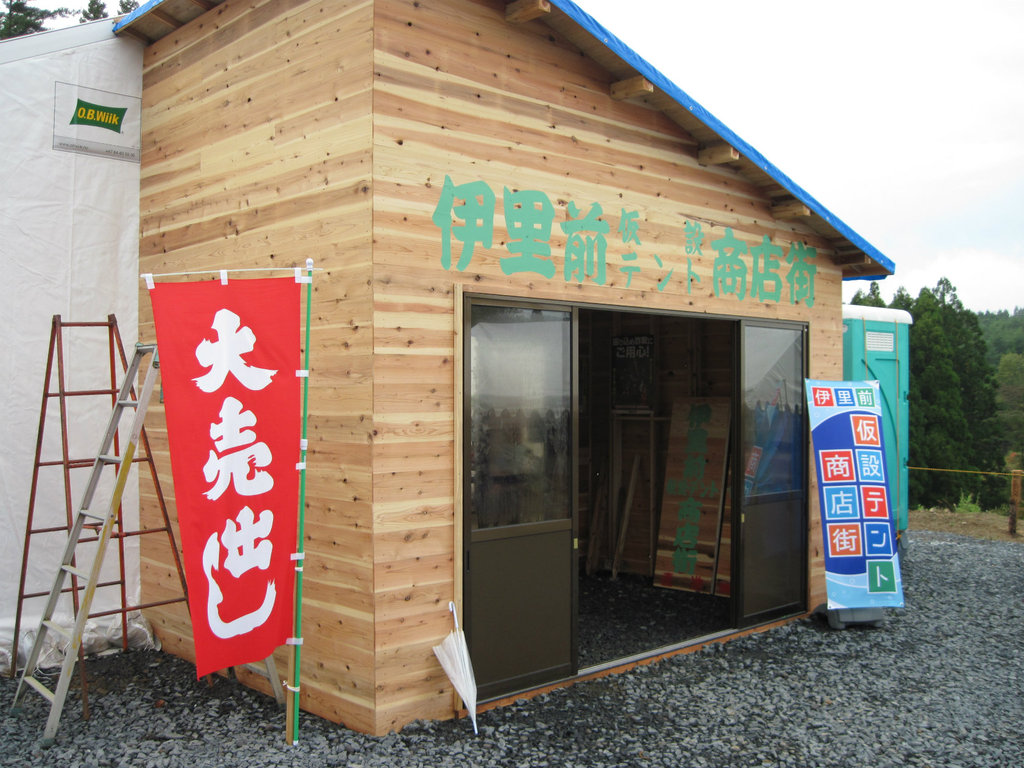
From the beginning of 2016 New Year, shop owners at the Isatomae Fukko Shopping Arcade (IFSA) have been very busy preparing for their third move to another temporary shop. In order to raise the land level of the area where the main shop will be constructed, they have to move again to another temporary shop. This is their third time to move, including the initial GlobalGiving-supported tent shop.
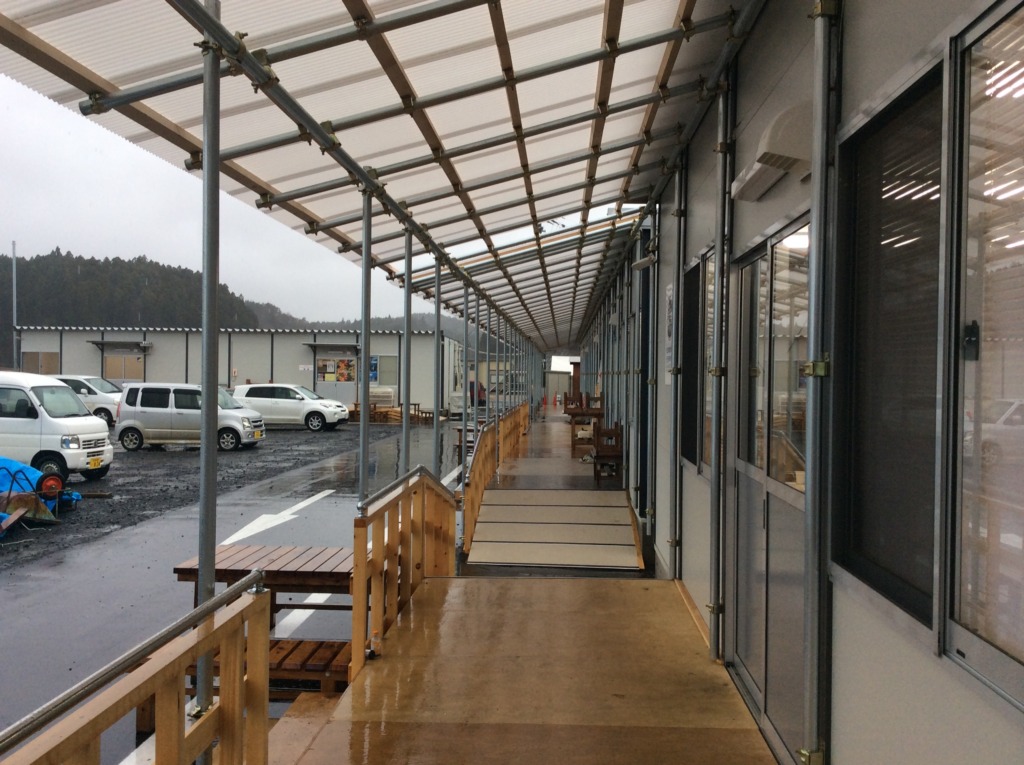
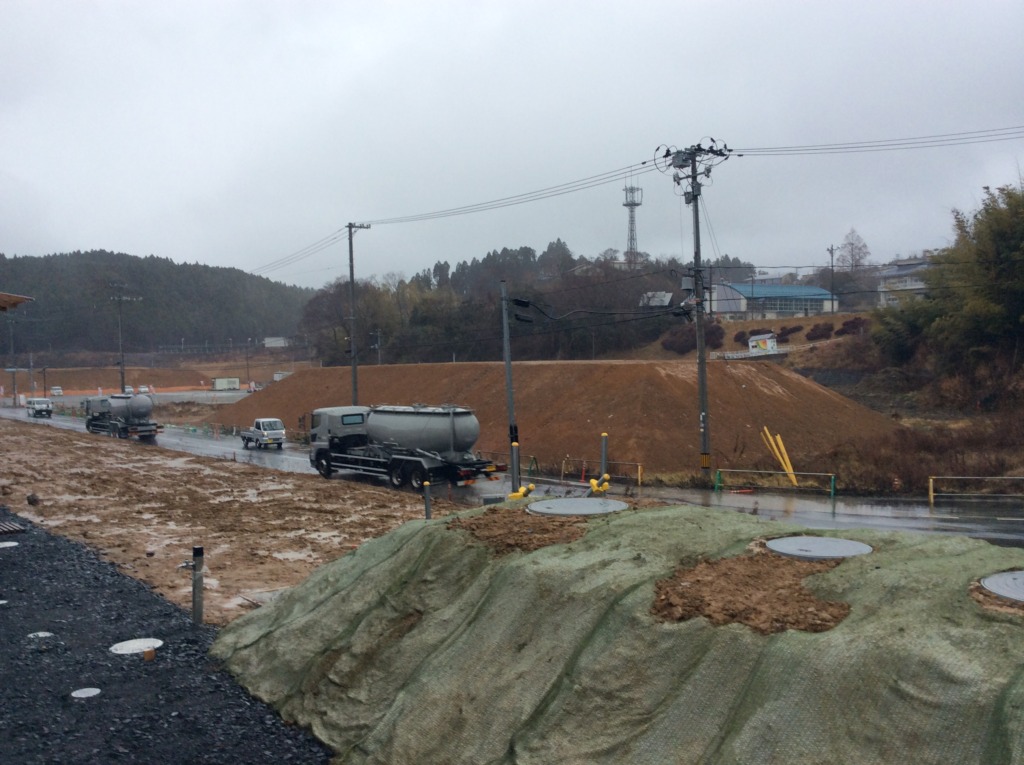
At present, their schedule is to remain there for one year and nine months, though this schedule works for them is naturally uncertain in the disaster-stricken area. The temporary shop stands alone in an elevated land, facing the Pacific Ocean, nothing to prevent ocean winds and views. The entrance to the building is on the ocean side. It may sound nice for outside visitors, but for many of those who experienced the disaster, the view simply reminds them of the terrible experiences of the disaster. Many local people complain that they do not feel easy to visit the newly established shop. To make the situation worse, this building stands along a national road still situated at the unraised level, and it is rather difficult for drivers to recognize the existence of the building. But when a small bridge over a corner of ocean, which has been remaining destroyed, will be reconstructed for bypassing town traffic, drivers will rather easily recognize the existence of this temporary shop. But there is also uncertainty whether this bridge will be completed in time before the final move to the main shop. Shop owners are now waiting for an official opening of the temporary shop scheduled on February 7, 2016, worrying whether local people will come back to the shop or whether the bridge will be completed rather quickly.
Torment between hope and anxiety is much worse when shop owners talk about the main shop. What is unusually nice is that the main shop will be designed by Mr. Sumi who just won a competition over the design of the national athletic field for the 2020 Tokyo Olympics and Paralympics. He is a well-known architect using woods and green, which raises local people’s expectation for the use of local lumbers. However, they have to raise a question about the cost, 3/4 of which will be subsidized by the government, while 1/4 will be financed by the local shop owners. Shop owners have to invest a certain amount and still have to pay for a monthly rent of a shop space with a ten-year land lease. If the number of shops declines, their financial burden increases. At an event, shops can make extra sales, but their business basically remains catering for the needs of the local. The size of their business is small. To aggravate shop owners’ worries, since most of local people own cars, local people have a tendency to go shopping within a 30 to 40 kilometer range to big shopping malls, including Kesennuma City. With the completion of the Reconstruction Highway, people will easily stretch their range of shopping, meaning that IFSA have to make constant efforts to attract customers.
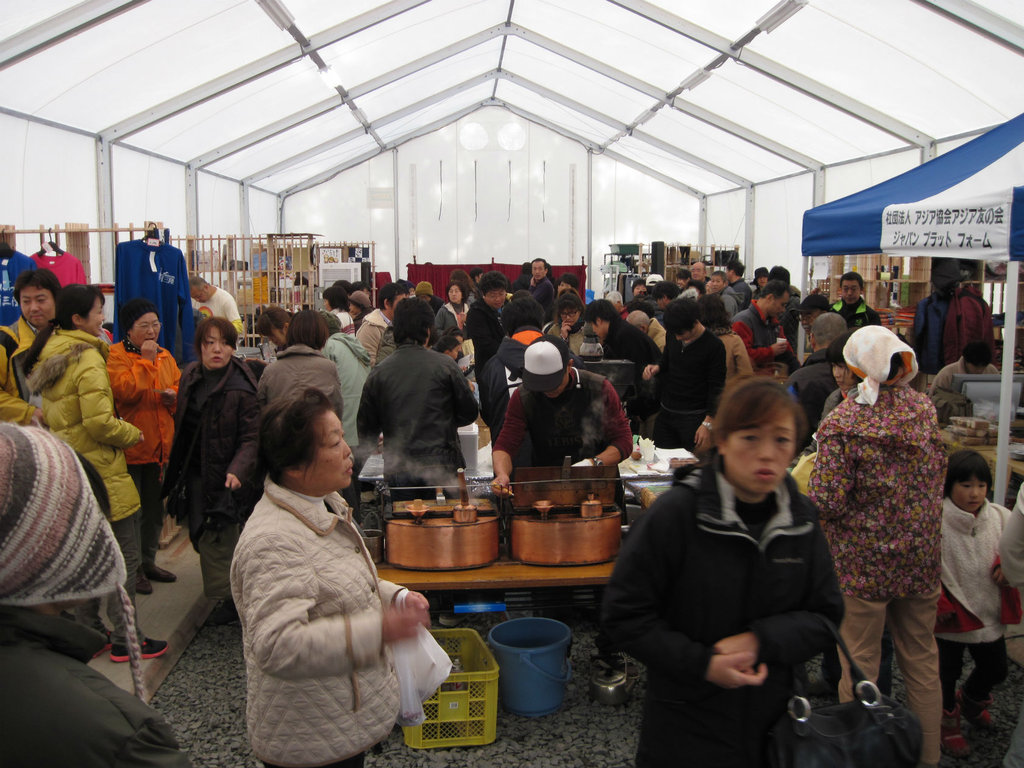
Nationally-appointed and –paid consultants are helping to plan redevelopment facilities. Presently, they are proposing to bring a large-sized nationally-known convenience store in the main shop. Their expectation is that the convenience store increases visitors to the shop. However, there is one example of failure. One town, as a way of reactivating local economy, brought a convenience store before the disaster only to force local shops closed within ten years and keep only the convenience store alive. To prevent such occurrence, shop owners are now frequently engaging in discussions whether they can develop their original goods or organize events to stimulate shop’s development. For example, in December, they decided to appeal that abalone used in the Abalone Festival in Kesennuma came from Isatomae. Since fishermen can catch abalone only four or five times a year under a conservation program, they decided to appeal that Isatomae is the place in this area where abalone is caught and attract people who could not enjoy abalone at the Kesennuma Festival to come to Isatomae. They also delivered fliers to neighboring cities. Consequently, they found people from neighboring cities to come to buy abalone at the IFSA.
These struggles of IFSA shops may suggest that they are now shifting their management activities from survival to sustainability. Now, five years have passed. Mr. Yamauchi, who was formerly the Head of IFSA and is now providing detailed information to the DSIA, recognized that five years have passed. His 91 year old father due to his old age moved to Sendai, because of the lack of space in the temporary housing in Isatomae and the existence of large hospitals. Now, after five years, he expressed his wish to come back to Isatomae. He is preparing to build a house, instead of keeping his shop in the main shopping arcade, partly to accommodate his business office in his house as well as his family living together including his father. To complete his plan, it will still take a few more years to offer a comfortable living back in Isatomae to his father. Redevelopment involves time-consuming struggles, involving unusual worries and often unexpected outcome.
Links:
Project reports on GlobalGiving are posted directly to globalgiving.org by Project Leaders as they are completed, generally every 3-4 months. To protect the integrity of these documents, GlobalGiving does not alter them; therefore you may find some language or formatting issues.
If you donate to this project or have donated to this project, you can receive an email when this project posts a report. You can also subscribe for reports without donating.