By Yoshitaka Okada | Professor Emeritus, Sophia University; DSIA
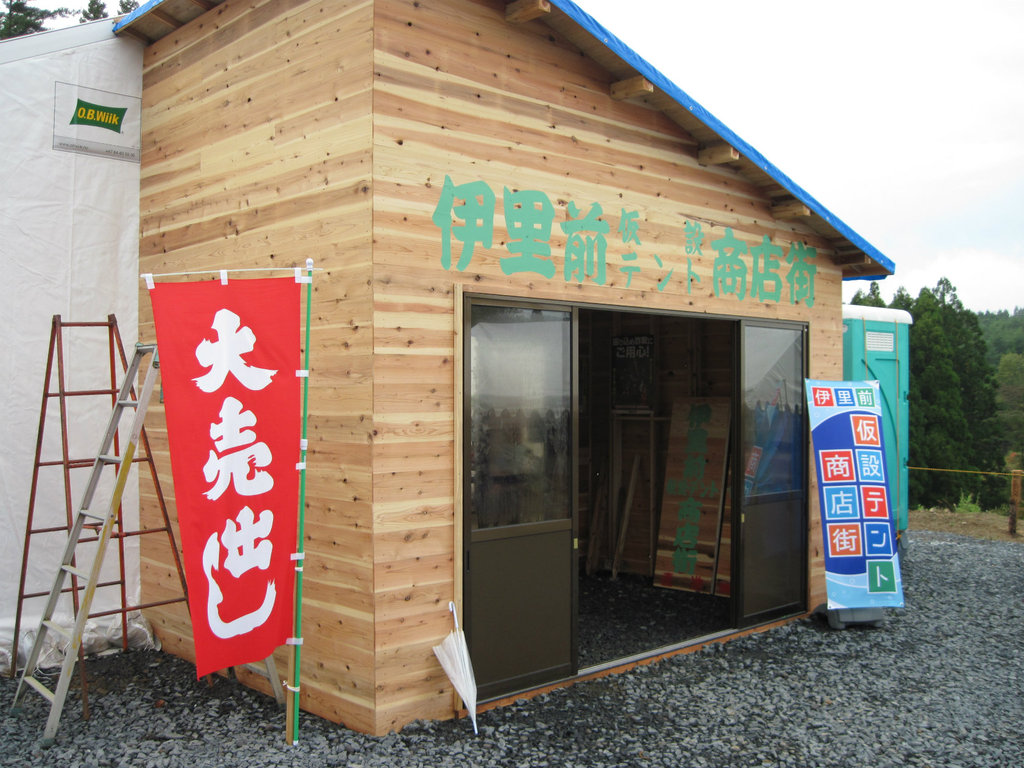
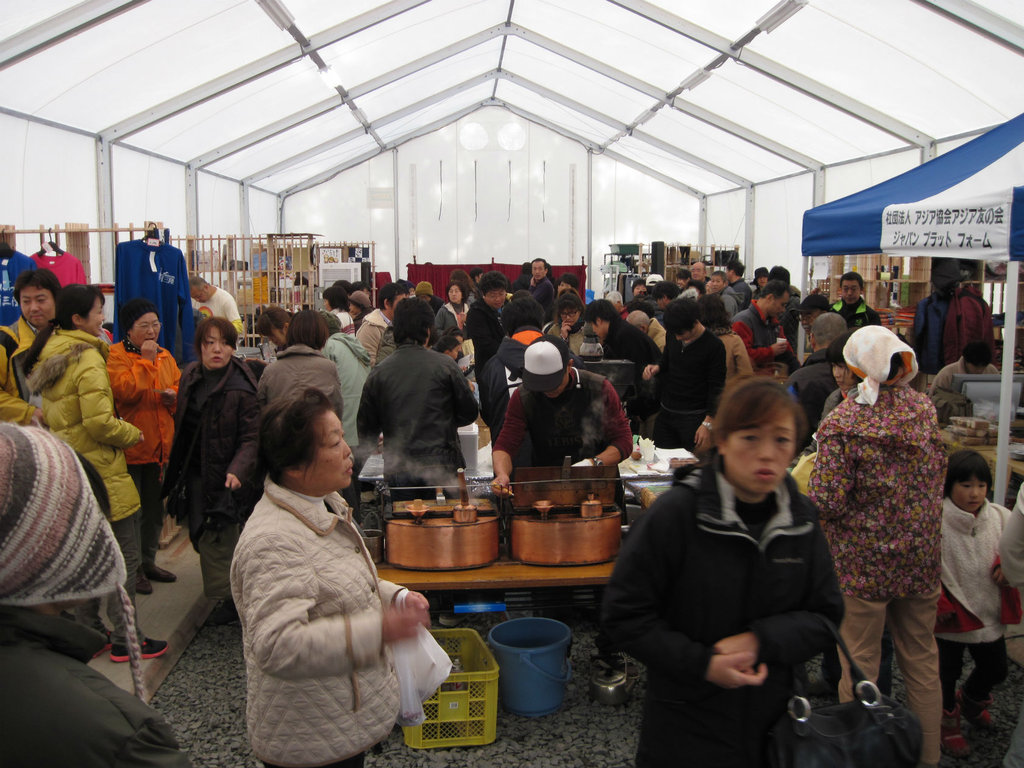
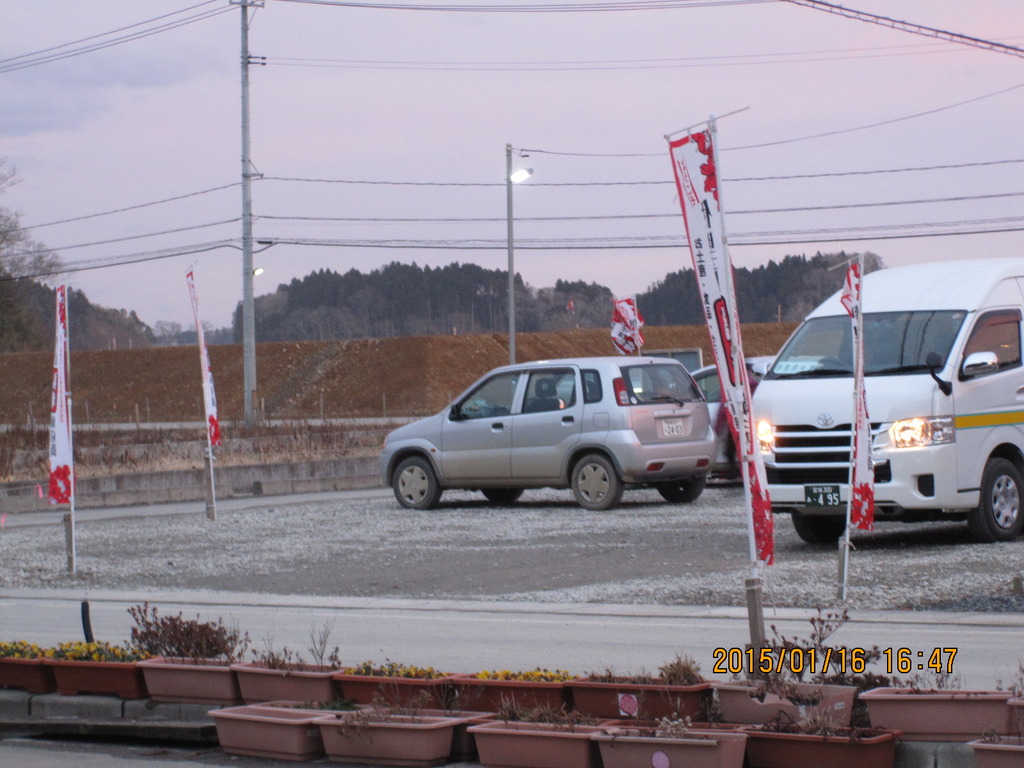
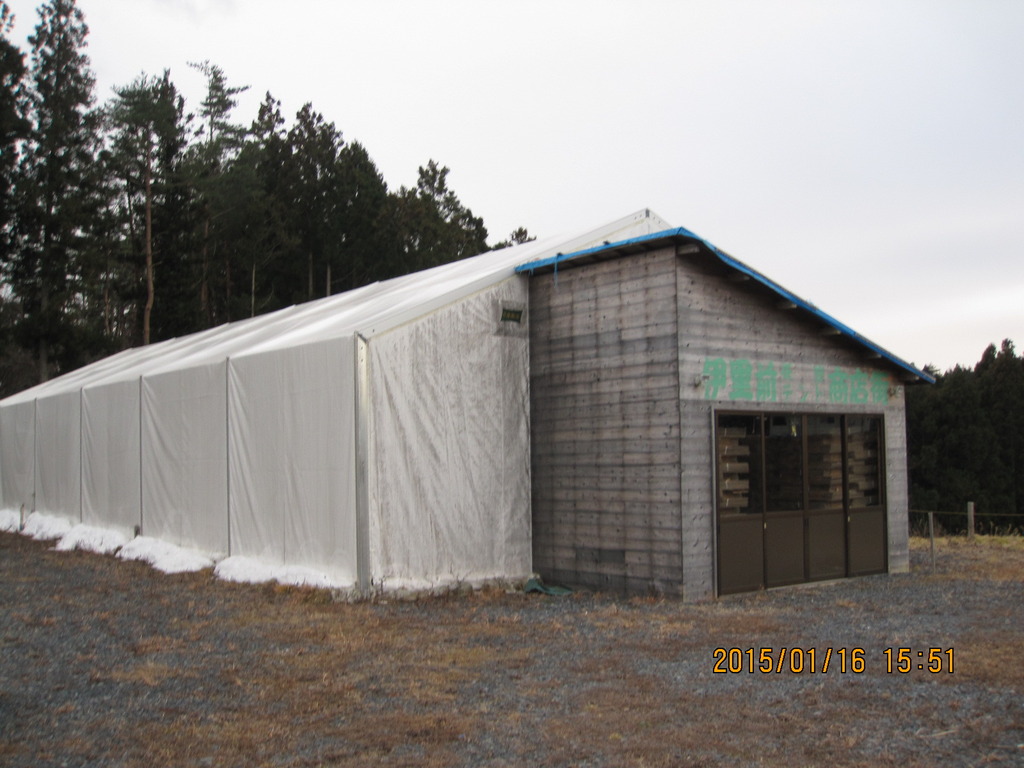
A big advancement in reconstructing the Isatomae Fukko Shopping Arcade (IFSA) will take place this coming April. The land lifting of three meters for a temporary location of the arcade has been completed, and IFSA is informed that a move will take place in April this year. Presently, processed is a legal procedure of leasing the land from the Organization for Small & Medium Enterprises and Regional Innovation Japan (SME Japan) to the Minami-sanriku-cho Government. When all legal documentation is completed, the SME Japan will build a new temporary shop arcade, and start dismantling the present one to be reused as a part of the full arcade, scheduled to be completed in December 2017. Still three more years are in need before the complete reconstruction. This arrangement, however, makes it possible for shops to continue operating their businesses without closing shops. News that they will be moving very soon to a new temporary location and that they do not have to close their shops are big relief for them. It is a big celebration to reach a little bit closer to the end of the reconstruction tunnel.
This means that the IFSA will not use the temporary shop tent which the DSIA helped to establish in 2011. Now, the tent is officially donated to the IFSA by a local NGO which operated the tent, and then the IFSA donated it to the owner of the land which was leased to the IFSA for free. This very much ended the involvement of the DSIA over the issue of the tent. However, it does not mean that DSIA’s support roles to the IFSA will end. A new stage even for the DSIA’s support started.
So far, so good. But this advancement came with new headaches and uncertainties. All discussions that the IFSA made for establishing their own Arcade Corporation, independent from Shizukawa, was turned down by the Central Government. They made a rule that only one development corporation will be established in each township or city. This decision made some of IFSA’s past discussions meaningless, though some plans are still effective to be implemented. The corporation will be established in June this year. But new information generated an enormous headache for some present shop owners at the IFSA. They were informed to pay 1,500 yen per one square meter for their shops. But they are now informed to make an initial investment by 500,000 yen for shops using below 50 square meters and 10,000 yen for every additional one square meter. Most likely, an additional capital investment will be required sometime at the end of this year. For some shop owners, this amount itself may be too high, needless to say about an additional payment at the end of this year. To make the situation worse, they are also informed to pay for a guarantee fee for construction, which is worth about a 10 month-rental-fee based on a shop size. Some of shop owners started thinking about withdrawing from the shop construction plan.
Additional concern came from their research on diverse success cases of town rebuilding, all over Japan. What they found was that there has never been any shop area where people do not live. The disaster-stricken Tohoku area is the first to be experimented in that way, since a residential area has to be built on the mountain side. This means that residents in Isatomae may not come to shop for their daily needs at the IFSA, since diverse shops are already operating in several locations, much closer to their residential area. The key success factor identified in the cases is restaurants and food they sell inside a new arcade. Thus, food-related business may prosper, but shops dealing with daily living goods may not have any good prospect, despite heavy investment they have to make. Some owners even studied what are employment opportunities if they move to Sendai, the closest big city. They are finding that anybody above age 50 may find a job only in a construction-related business, which is physically severe with very low payment, making not possible to keep a family living in Sendai. Some shop owners are seeing quite a gloomy prospect in the future.
One solution now they are approaching is to talk to diverse organizations, including the Minami-sanriku-cho government, to invest a small amount, so that the IFSA can ease the amount of needed investment to be made by shop owners. They are hoping to succeed in achieving the solution. Another solution is to continuously attract tourists, so that shops can rely less on residents whose population is declining. This means that they need to continue developing events and are even thinking about developing a system of selling local products through a direct order system.
DSIA happened to be contacted by a labor union of one company which is interested in developing programs to support the disaster-stricken Tohoku area. The IFSA is really pleased to hear this news, and provided diverse ideas to inform to the labor union, hoping the union will choose one of the proposals they made during the DSIA’s present visit. As the stage of reconstruction advances, the DSIA is also shifting to new ways of supporting Tohoku redevelopment.
Links:
Project reports on GlobalGiving are posted directly to globalgiving.org by Project Leaders as they are completed, generally every 3-4 months. To protect the integrity of these documents, GlobalGiving does not alter them; therefore you may find some language or formatting issues.
If you donate to this project or have donated to this project, you can receive an email when this project posts a report. You can also subscribe for reports without donating.