By Mwamini Mussa | Project Leader
INTRODUCTION
Direct Relief Tanzania (DRT) continues to implement its child trafficking prevention project with the aim of protecting vulnerable children from exploitation and creating safer communities where children can grow, learn, and develop without the threat of trafficking. The project responds to the growing concern of child trafficking in Tanzania, particularly among children from poor and underserved communities who are at increased risk due to poverty, limited livelihood opportunities, and lack of awareness about trafficking practices.
According to the United States Department of State (USDOS, 2015), Tanzania is identified as a source, transit route, and destination country for trafficking activities, with children representing a significant proportion of trafficking victims. The International Organization for Migration (IOM) further indicates that approximately 97% of trafficking cases in Tanzania are internal, involving the movement and exploitation of children within the country. Many children are trafficked from vulnerable communities and exploited in domestic work, mining activities, and commercial sexual exploitation, particularly in urban centres such as Dar es Salaam and Dodoma.
DRT recognizes that child trafficking is not only a law enforcement issue but also a social and economic challenge. Many families living in poverty face difficulties in meeting basic needs, making some parents vulnerable to deceptive promises from traffickers who offer employment or better opportunities for their children. Through this project, DRT is addressing both the immediate challenge of limited awareness and the underlying economic vulnerabilities that expose children to trafficking risks.
AWARENESS TRAINING CONDUCTED IN KONGWA DISTRICT
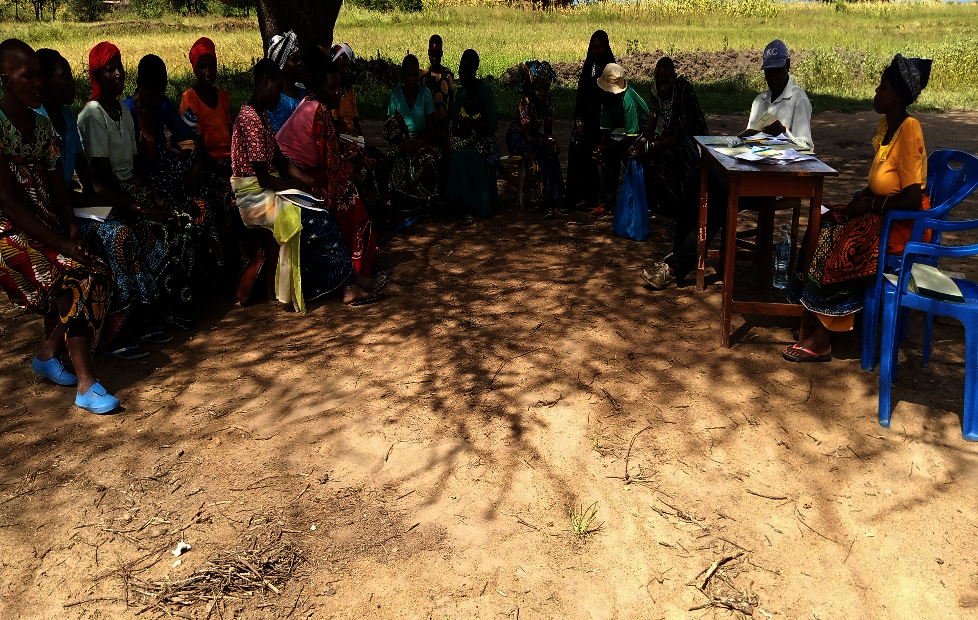
During the reporting period of the last months, Direct Relief Tanzania conducted community awareness training sessions in Kongwa District aimed at educating parents and members of the general public about child trafficking, its causes, warning signs, and prevention strategies.
A total of 80 parents and community members participated in the awareness sessions. The training created an important platform for communities to discuss the realities of child trafficking and understand how traffickers operate. Participants were equipped with knowledge on the common tactics used by traffickers, enabling them to better protect children within their families and communities.
The sessions focused on helping parents understand that traffickers often target families experiencing economic hardship by presenting false opportunities such as employment, education, or financial support for children. Community members learned that traffickers may use deception, manipulation, false promises, and sometimes trusted relationships to gain access to vulnerable children.
Participants were also educated on the importance of monitoring children’s movements, questioning suspicious offers involving children, reporting cases of suspected trafficking to relevant authorities, and working collectively as a community to prevent child exploitation.
The awareness sessions encouraged parents to become active child protection advocates. Many participants shared their experiences and concerns regarding risks faced by children in their communities, demonstrating the importance of continued community engagement and education.
COMMUNITY IMPACT AND PROGRESS
The awareness training has contributed to increased knowledge among parents and community members regarding child trafficking prevention. Participants gained a better understanding of how poverty, lack of information, and social vulnerability can increase children’s exposure to exploitation.
By reaching parents directly, DRT has strengthened the first line of protection for children—their families and communities. Parents are now better prepared to identify risky situations, challenge misleading information from potential traffickers, and make informed decisions concerning their children’s safety.
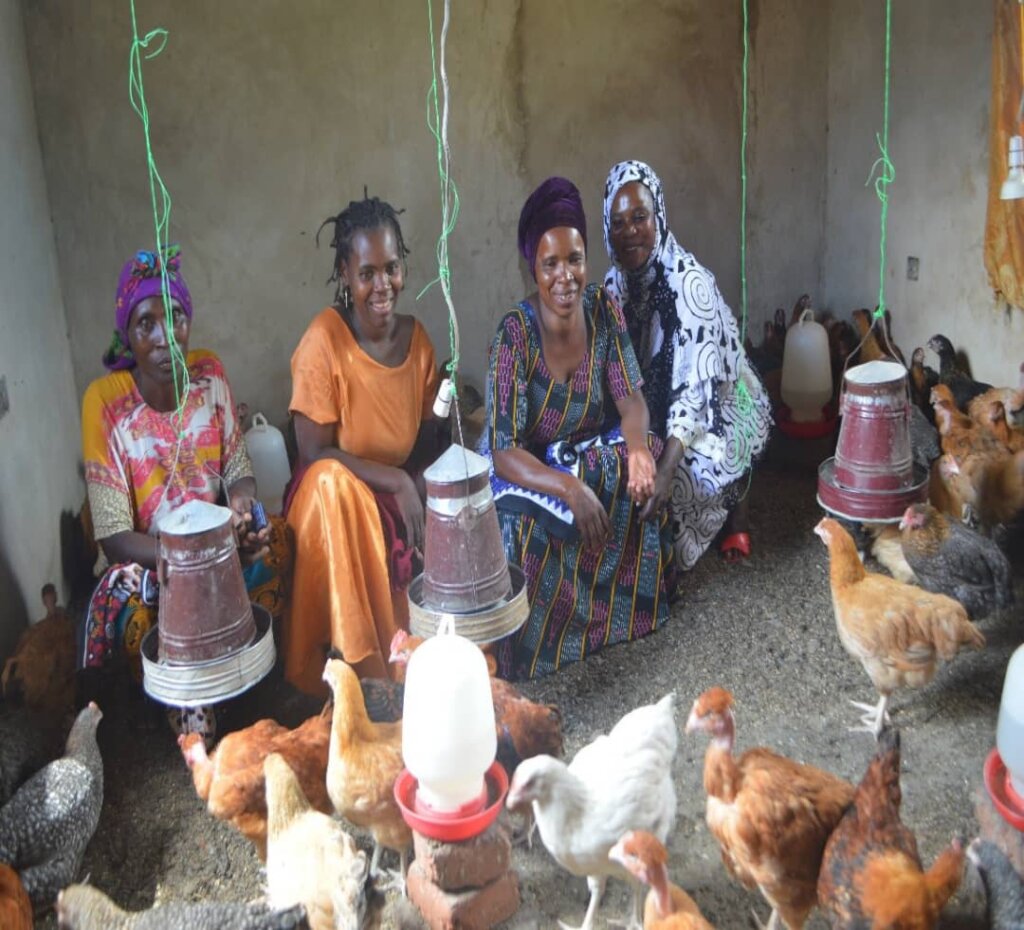
However, DRT recognizes that awareness creation must be combined with economic empowerment to achieve sustainable prevention. Many trafficking risks originate from financial difficulties faced by families. Therefore, the project will continue supporting vulnerable families through skills training and start-up materials in high-demand trades. This intervention aims to enable 100 poor children’s families to improve their livelihoods and reduce their vulnerability to trafficking networks.
In addition, DRT plans to expand awareness activities to reach 200 parents, 50 law enforcement officers, and members of the wider community. Strengthening collaboration between families, communities, government authorities, and law enforcement agencies will create a stronger protection system for children.
APPEAL FOR CONTINUED SUPPORT
Child trafficking remains a serious threat to the safety, dignity, and future of thousands of children. The progress achieved through this project demonstrates that when communities are informed and empowered, they can become powerful defenders of children’s rights.
Direct Relief Tanzania appeals to generous supporters, donors, and partners to continue supporting this important initiative. Your contribution will help us reach more vulnerable communities, train more parents, strengthen child protection systems, and provide livelihood opportunities for families at risk of trafficking.
Together, we can prevent children from being exploited, protect their dreams, and create communities where every child has the opportunity to grow up safely and reach their full potential. Continued support will allow this project to expand its impact and bring lasting change to children and families who need it most.
By Samia Mussa | Project Officer
By Samia Mussa | Project Officer
Project reports on GlobalGiving are posted directly to globalgiving.org by Project Leaders as they are completed, generally every 3-4 months. To protect the integrity of these documents, GlobalGiving does not alter them; therefore you may find some language or formatting issues.
If you donate to this project or have donated to this project, you can receive an email when this project posts a report. You can also subscribe for reports without donating.



Support this important cause by creating a personalized fundraising page.
Start a Fundraiser