![]()
CICO UGANDA REPORT FOR FOOD RELIEF SECOND PHASE
Introduction and the background
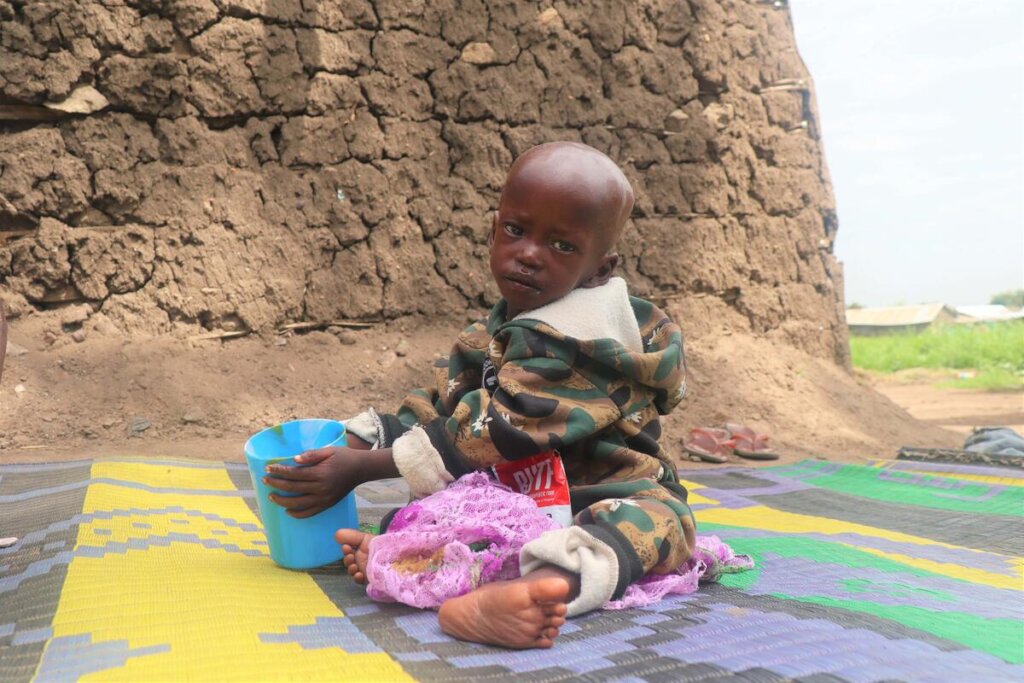
This project is a response to the food crisis in Northern and Eastern Uganda. Its primary objective is to ensure that the availability of adequate food supply among program participants and families affected by the ongoing food crisis in the regions for at least 2 months.
This report gives an account of the activities done in the relief program conducted in Cico Uganda, for the project Participants in January 2023.
Activities conducted
This report highlights activities done during the phase two food distribution, monitoring and evaluation of phase one food distribution, sensitization of beneficiaries and caregivers, impact Assessment of household after phase 1 food distribution, procurement process, beneficiary mobilization, verification criteria used, achievement, challenges and the lessons learnt in the process of the distribution.
Inception meetings
This however was done during Phase 1 Food tribution and the committee was able to continue with the activities of the phase 1 food distribution, impact assessement of the food distribution of phase 1, monitoring on the utilization of food distributed.
The steering committee supported the process of food relief distribution phase 2 by overseeing day-to-day operations and making sure that the implementation conforms to the project guidelines during the life of the project.
Assessment of the impact of phase 1 food distribution
This assessment was done and came in handy just one month from the time phase one food was given out. The food supported caregivers depending on the household number. Those with large families of 7-10 members used food for one month. The second phase food distribution supported the families up to March 2023. This saved a situation of hunger as rains began to fall till green vegetables sprouted.
The families were in dire need of food and did not have the finances to meet these needs given the high prevailing prices in the market by the time of the assessment. This enabled the committee to establish five basic food desires of the families given the season of the year i.e. Posho, Beans, Rice, Salt and cooking oil. The committee was able to establish that the distribution of food was enabled most households to thrive through the difficult season of food scarcity and at least most households were able to have food.
Sensitization of the beneficiaries
The participants and the care givers were mobilized for a sensitization meeting that was held in project premises. The purpose of these meetings was to sensitize participants on the intended phase 2 food relief supports for the caregivers and participants hit by hunger. This was done by the senior pastor, Project staff, Project Director, overseer and other project leaders present. All participants and the caregivers were invited for this meeting where the conditions for the food relief support were shared. The meeting also helped to discuss expectations and some proposals for the future activities.
The steering committee members which were already selected had the opportunity to have conversation with business owners in order to gain insight into the market situation with the intent of establishing the prevailing prices. The main goal and objective of a market survey was to collect data on pricing trends, and business experiences.
Based on the fact that during the first phase of distribution this was already done and the contract was already awarded to service providers who signed a contract to supply food for phase one and phase two, the process of market survey, bid advertisement, selection and evaluation of bids,Award of contracts and signing of the MOUs was already done in the first phase, the steering committee held a meeting with the service providers to inform them on the need to supply food for phase 2 food distribution the Project Director, the Chairperson Board of Directors' Committee, chairperson Procurement committee, and Overseer met the successful companies (Akibui Farmers LTD and Teso Crop care services LTD) and informed them to supply food items for phase 2 distribution.
Procurement of the food.
Cico Uganda issued an LPO (Local purchase order) to both Akibui Farmers Limited and Teso crop care services LTD describing the food types and quantities required. The companies also issued invoices describing quantity, quality, price per kilogram or unit, and the complete cost to be charged. The food was delivered to Cico Uganda prior to the distribution date. The BoD verifiers checked on the quantities and the suitability of the food for consumption before distribution.
1. Posho flour Kilograms 17,640
2. Rice kilograms 5,460
3. Beans kilograms 9,660
4. Cooking oil Litres 1,260
5. Salt Sachets 2,100
Distribution of the food
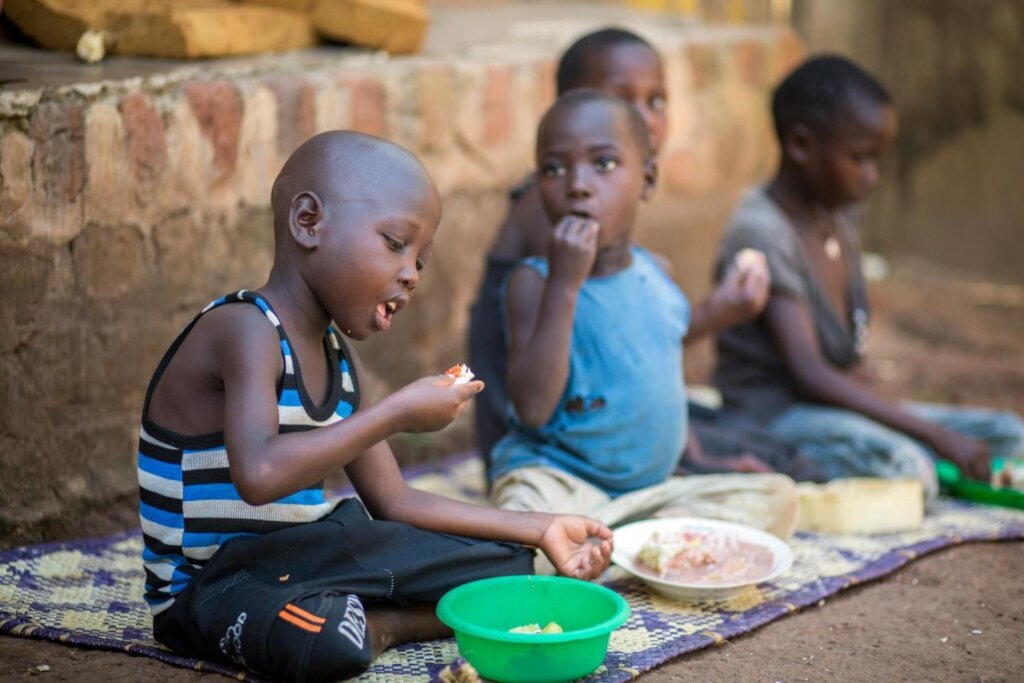
The food items were procured and transported to the church premises by the suppliers where Participants and the caregivers had gathered for the distribution exercise. Each participant in the beneficiary list got 42 kilograms of Posho flour, 23 kilograms of beans, 13 kg of rice, 3 litres of cooking oil and 5 sachets of salt. This exercise was done by the staff of Cico Uganda with the help of the team of project volunteers. The food items during the distribution process were confirmed with a signature/ thumbprint mark of receipt by the participant or caregiver.
Monitoring and support visits
The monitoring is an ongoing process which will continuously be conducted by Cico Uganda staff, BoD members, Overseer and Local Community leaders shall equally be part of the monitoring team. This will help generate information on the progress of the program. The monitoring will be based on the logical framework and monitoring indicator framework.
Challenges
- Too much pressure and need from the nearby non-participants/Communities for the food.
- Over dependence syndrome by most of the care givers who want to rely heavily on donations which is not sustainable rather embrace the minimum resources to better their livelihoods.
- Negative attitudes and mindset towards work and development.
- Poverty and laziness among caregivers and community members who heavily rely on hand to mouth for survival.
Lessons Learned
- The continued demand for food by the nearby communities indicates that there is still a need for more food in most of the communities.
- Reducing dependency. Support to caregivers with farm inputs (relevant seeds) to boost agriculture resulting to food security in order to minimize the reoccurrences of the same in future.
- Continuous sensitization of caregivers and communities on development mindset to better their attitudes towards work and development.
- Continuous engagements of the community on the need to maximally utilize the available resources for production rather than relying on donations which may not be so sustainable so as to reduce the over dependence burden.
Conclusion:
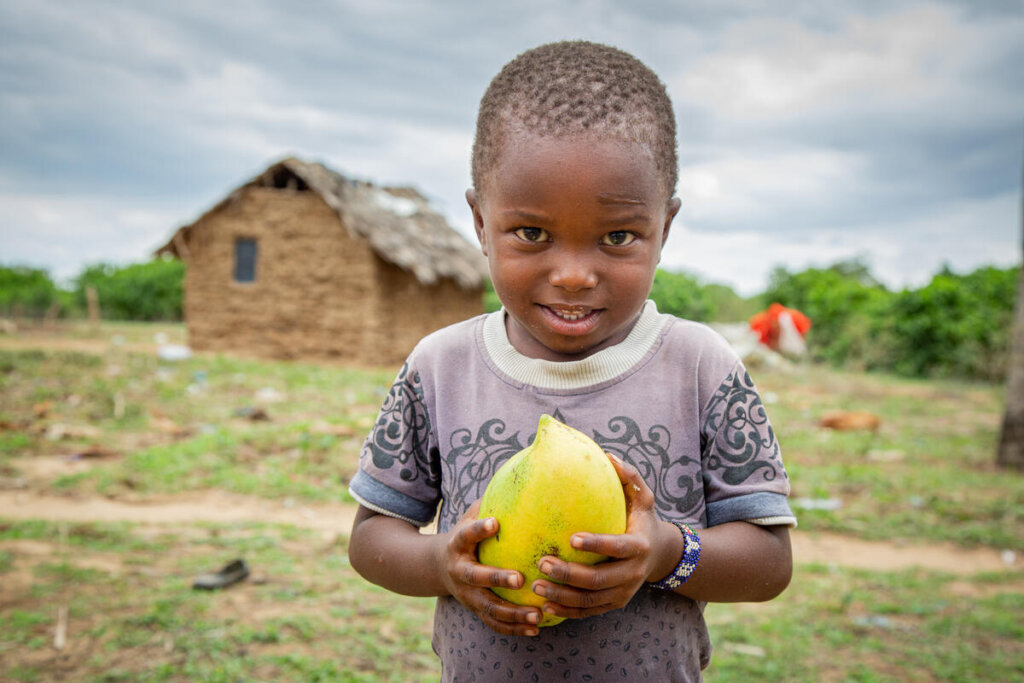
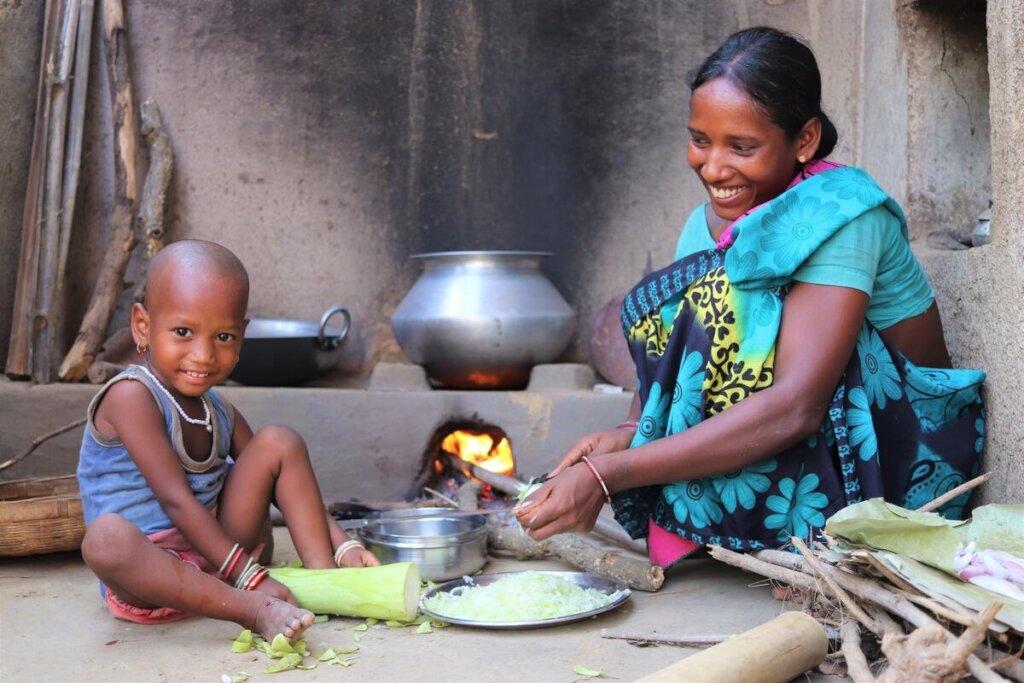
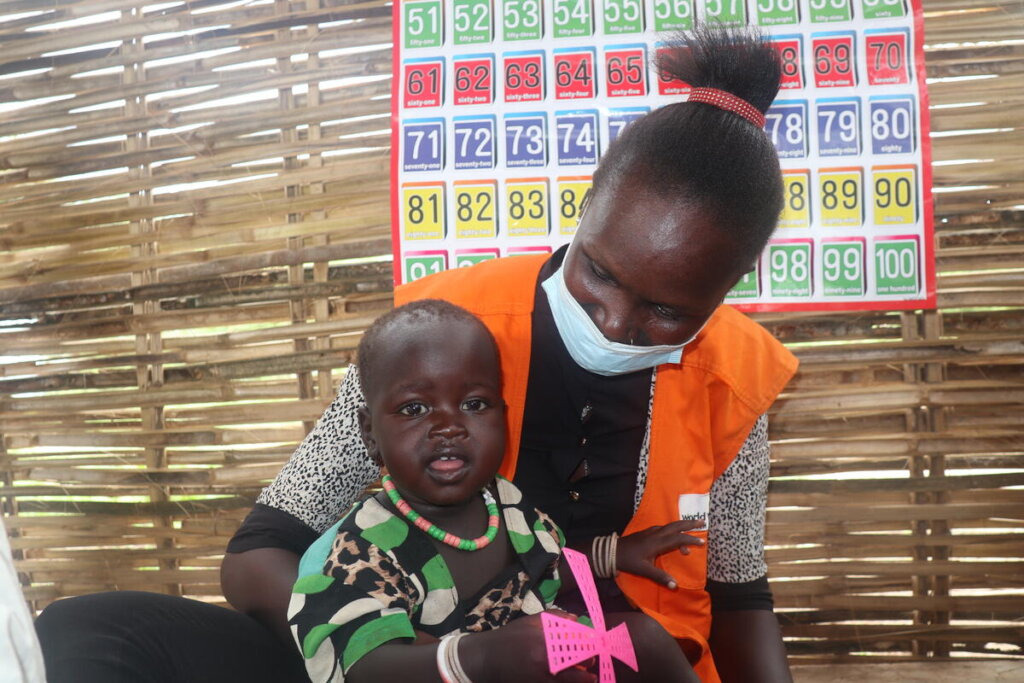
Relief assistance has supported caregivers to improve livelihood participants nutritionespecially children and save them from hunger. The school age going children can now attend school freely when they had a meal for supper and also at lunch time when they come back home.
Links:
Attachments:
![Share on Twitter]()
![Share on Facebook]()