By Anisur Rahman | Project Coordinator
Reporting Period: May 2025 – August 2025
Organization: Green Fund Initiative (GFI), New York, USA
Local Partner in Bangladesh: Bangladesh Biodiversity Conservation and Social Services Centre (BCSSC)
Project Overview
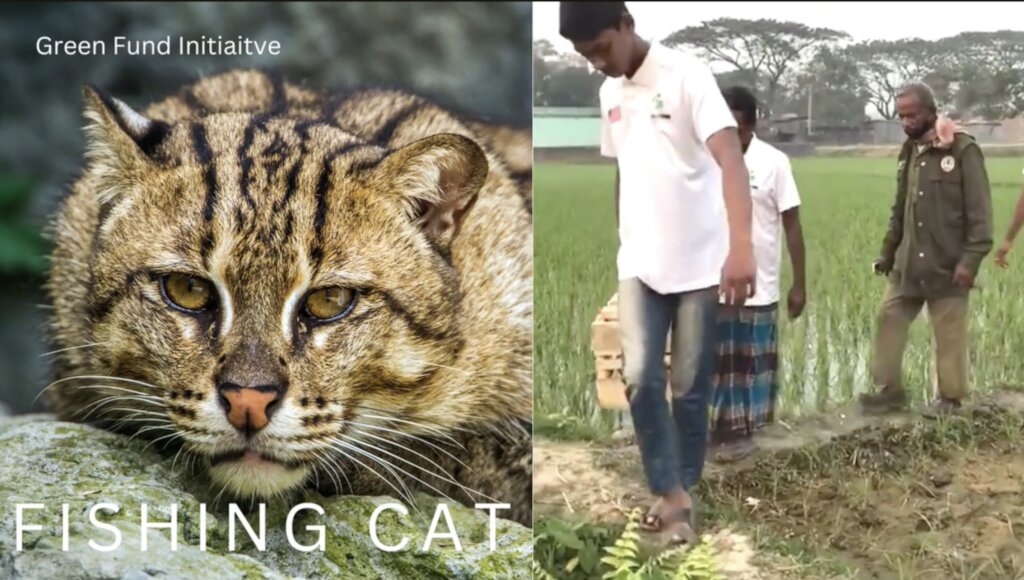
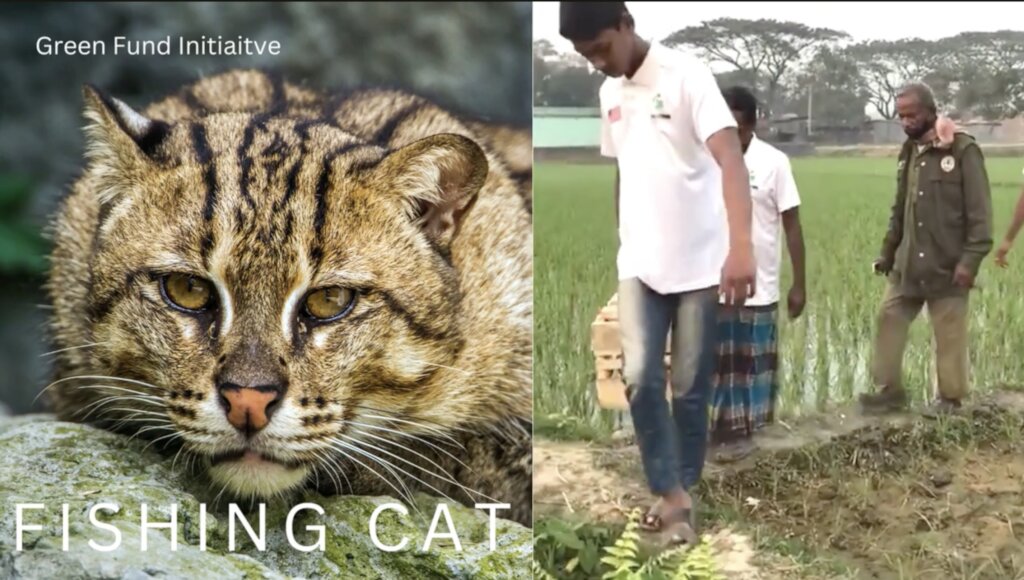
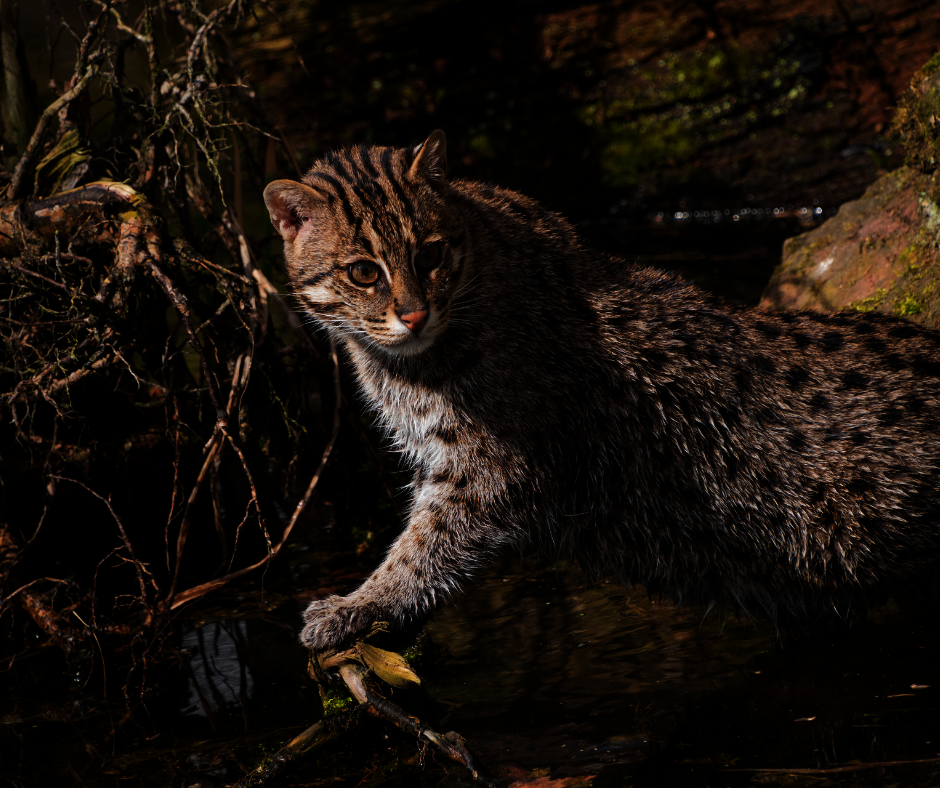
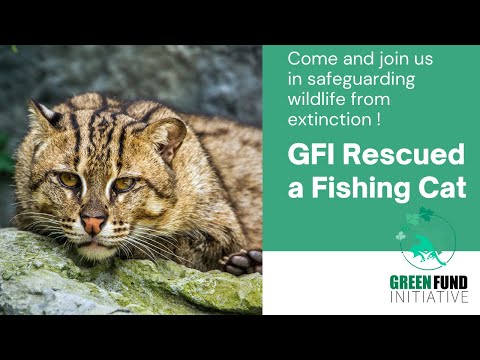
The "Join the Fight to Save the Fishing Cat" initiative, led by the Green Fund Initiative (GFI) in collaboration with BCSSC, is dedicated to conserving the endangered Fishing Cat (Prionailurus viverrinus) in Bangladesh. The project seeks to address threats such as wetland habitat loss, poaching, and human-wildlife conflict through awareness, monitoring, and partnership with local communities and government institutions.
Achievements During the Reporting Period (May – August 2025)1. Awareness and Community Engagement
Volunteer-Led Campaigns: Despite the absence of project funding, GFI and BCSSC mobilized local volunteers to conduct 4 awareness campaigns across the project area.
Community Outreach:
60 households reached through door-to-door visits and interactive discussions.
3 small group meetings organized with community members, including farmers and youth, focusing on reducing human-wildlife conflict.
25 schoolchildren engaged in an informal awareness session highlighting the importance of Fishing Cats and wetland ecosystems.
Volunteer Contribution: A total of 120 volunteer hours were dedicated to community education activities during this reporting period.
2. Rescue and Habitat Monitoring
Habitat Observations: Volunteer teams conducted 8 informal habitat monitoring visits in wetland areas of the project site. Evidence of Fishing Cat presence (tracks and scat) was documented in 3 sites, confirming continued occupancy of the species.
Rescue Operations: No new rescues occurred during this period; however, the community remains alert and ready to report sightings or incidents.
3. Partnership and Advocacy
Government Engagement: Maintained dialogue with the Bangladesh Forest Department. Preliminary discussions were held regarding potential collaboration on habitat protection and stricter enforcement against poaching.
Local Partnerships: Strengthened collaboration with village-level community leaders, who expressed willingness to support conservation activities if funding is secured.
Challenges Faced
Funding Limitations: No external funding was secured during this reporting period, which restricted formal research, habitat restoration, and broader conservation programming.
Sustained Human-Wildlife Conflict: Reports of Fishing Cats preying on domestic poultry continue to cause tension. Limited resources prevent implementation of practical conflict-mitigation measures (e.g., livestock enclosures, compensation schemes).
Conclusion
Although constrained by a lack of funding, the project achieved tangible, community-level results during May–August 2025. With 4 awareness campaigns, 60 households engaged, 25 schoolchildren educated, and 120 volunteer hours contributed, GFI and BCSSC demonstrated that conservation progress is possible even with minimal resources.
Looking forward, the project aims to secure financial support to:
Expand community outreach to at least 300 households annually,
Conduct systematic scientific research on Fishing Cat populations, and
Implement conflict-mitigation measures to reduce threats to both Fishing Cats and local livelihoods.
These grassroots successes underscore the project’s potential for scaling up and ensuring the long-term survival of Fishing Cats in Bangladesh.
Links:
Project reports on GlobalGiving are posted directly to globalgiving.org by Project Leaders as they are completed, generally every 3-4 months. To protect the integrity of these documents, GlobalGiving does not alter them; therefore you may find some language or formatting issues.
If you donate to this project or have donated to this project, you can receive an email when this project posts a report. You can also subscribe for reports without donating.



Support this important cause by creating a personalized fundraising page.
Start a Fundraiser