Project Report
| Dec 28, 2024
Progress Report - Fishing Cat Conservation
![]()
Project Overview:
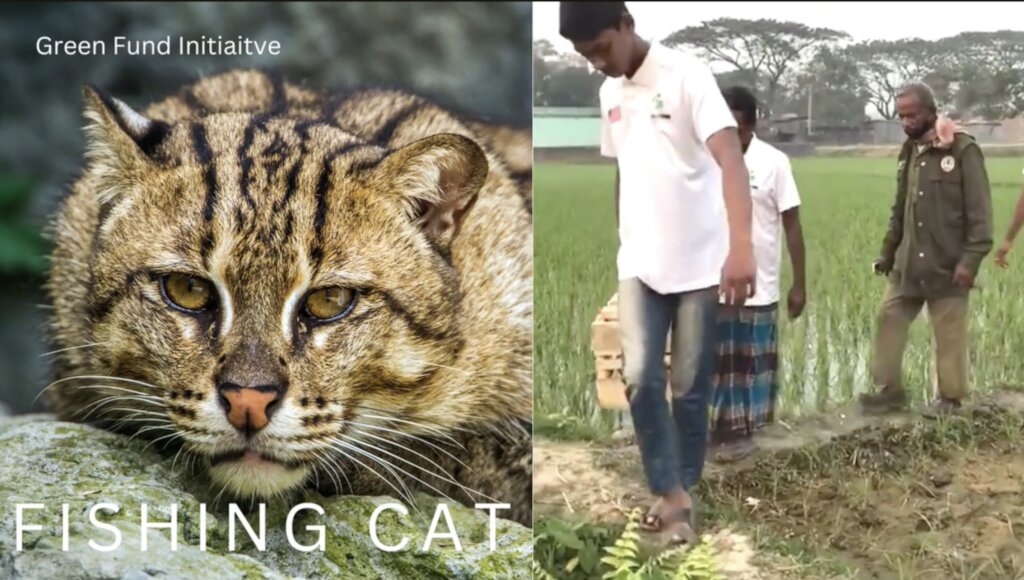
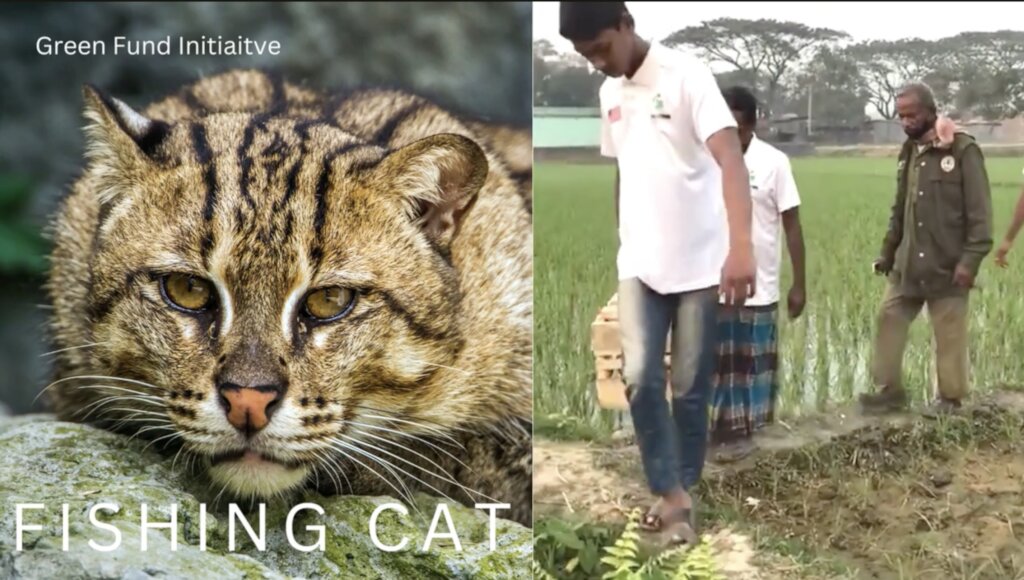
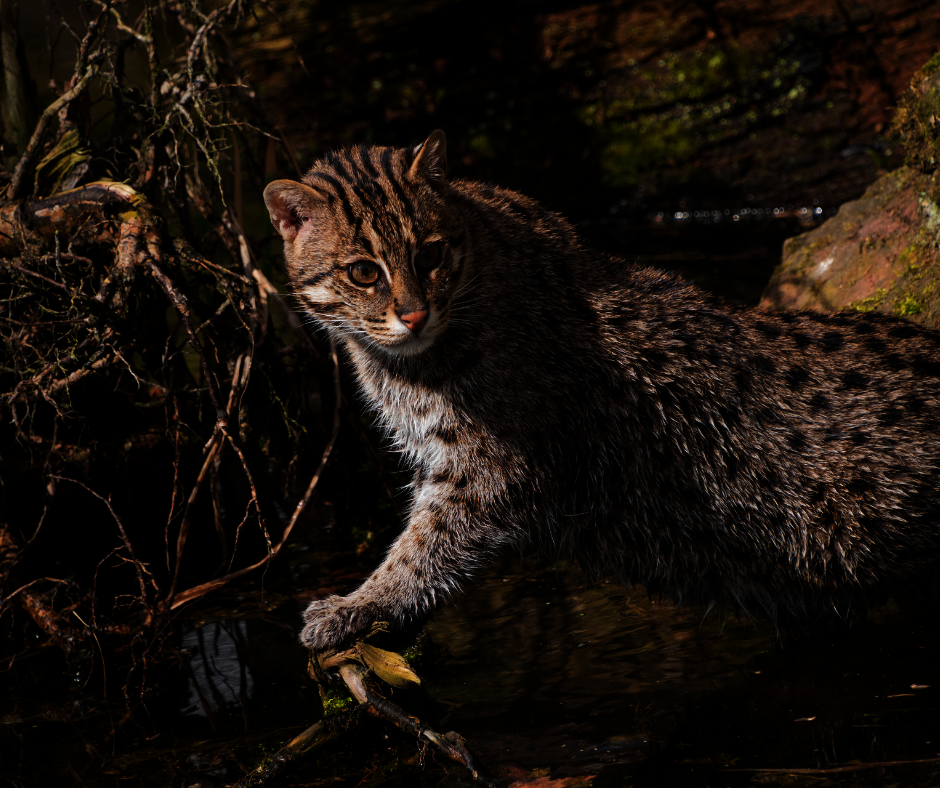
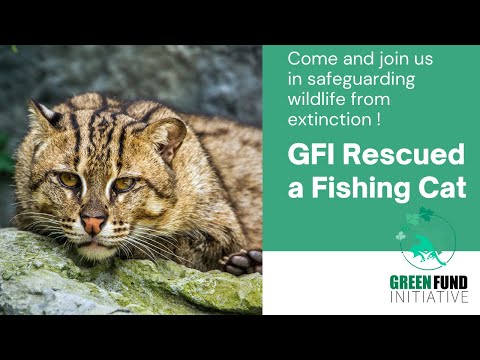
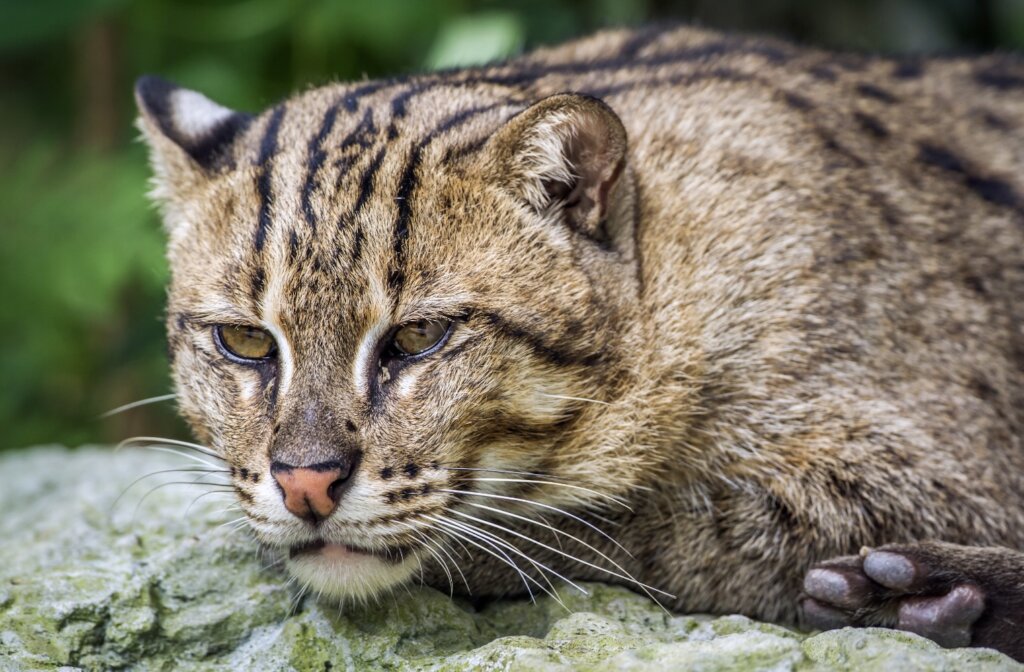
The Green Fund Initiative (GFI) continues its ongoing efforts to protect and conserve the critically endangered fishing cat (Prionailurus viverrinus), listed as "Vulnerable" on the IUCN Red List. The project focuses on rescuing fishing cats from human-wildlife conflict situations, providing medical treatment, rehabilitating rescued individuals, and raising community awareness to ensure the long-term protection of this unique species. In Bangladesh, where the fishing cat faces severe threats due to habitat loss, illegal trade, and poaching, GFI is working closely with local communities and stakeholders to foster effective conservation measures.
Key Achievements:
- Rescue and Rehabilitation of Fishing Cats:
- Adult Fishing Cat Rescue: One adult fishing cat was successfully rescued after being captured by locals. The animal was promptly provided with first aid and successfully released back into its natural habitat. This marked a positive step toward addressing the human-wildlife conflict in the region.
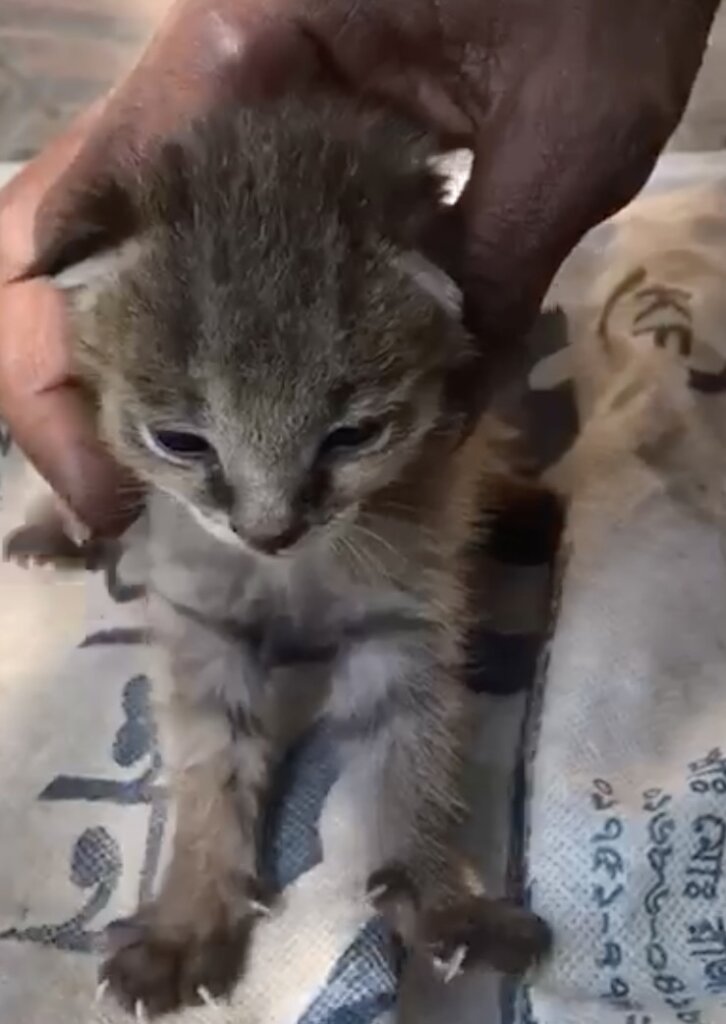
- Baby Fishing Cat Rescue: GFI responded to another distress call regarding baby fishing cats captured by locals. Unfortunately, among the four baby cats, three had already succumbed to mistreatment and poor conditions at the hands of the locals.
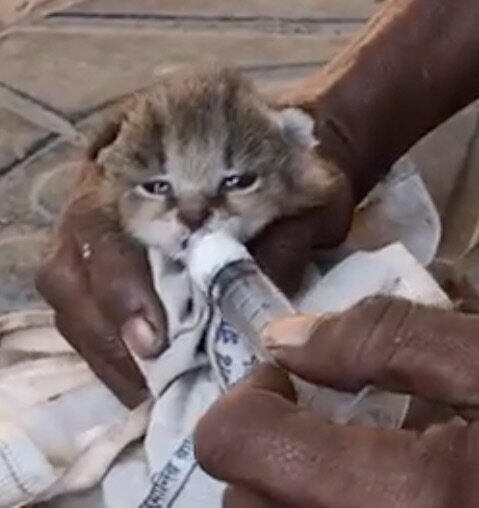
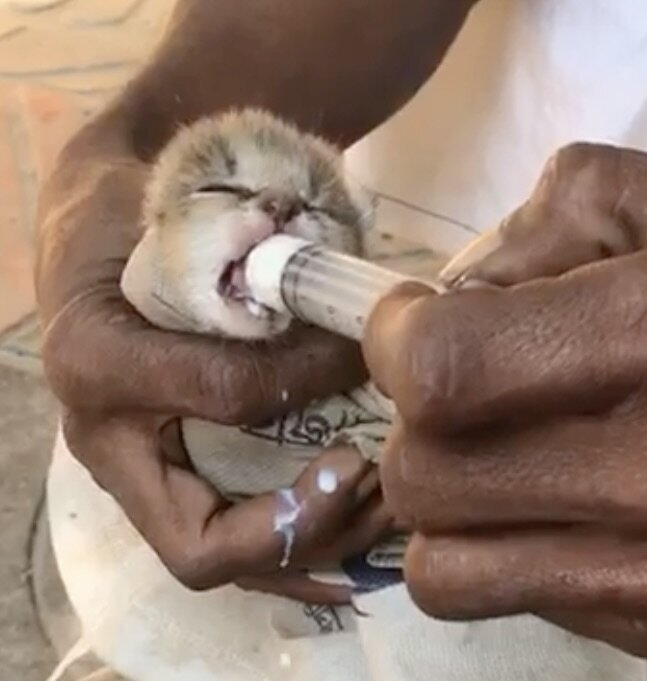
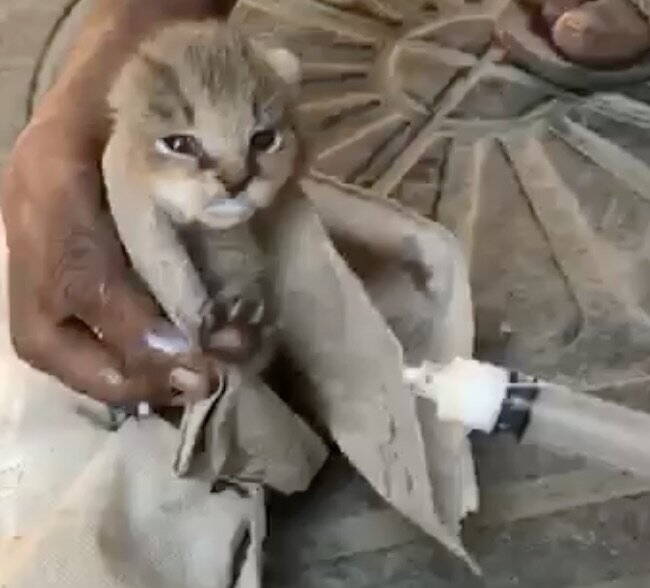
- Survival of One Baby Fishing Cat: Out of the four, one baby fishing cat survived and was brought under GFI's care. It received immediate medical treatment and is currently under the care of our dedicated volunteers. Although we do not yet have a formal care center, our volunteers are doing their best to provide for the rescued cat's needs, ensuring it receives the attention and rehabilitation required to increase its chances of survival.
- Volunteer Care Efforts:
- As we do not yet have a dedicated care facility for rescued wildlife, our volunteers have stepped up to provide essential care to the surviving baby fishing cat. They are working tirelessly to offer appropriate medical treatment, ensure proper nutrition, and monitor the cat’s recovery.
- The volunteers' efforts are invaluable, though we acknowledge the need for a more structured care center to improve the long-term success of such rescue operations.
Challenges:
- Human-Wildlife Conflict: The ongoing conflict between humans and fishing cats remains a critical challenge. Locals, often unaware of the species' endangered status, continue to capture and harm fishing cats, either for protection of property or due to mistaken beliefs about their behavior. This results in significant loss of life, particularly for the younger, more vulnerable cats.
- Lack of Formal Care Center: While our volunteers are doing an excellent job, the absence of a formal rehabilitation center limits the scope and efficiency of the treatment we can offer rescued cats, especially those requiring long-term care. This remains a gap in our operations that we aim to address in future phases of the project.
Ongoing and Future Plans:
- Continued Rescue Operations:
- GFI will continue to monitor areas where fishing cats are at risk of capture and mistreatment, and will extend efforts to rescue additional individuals when necessary.
- We will also explore ways to increase awareness among local communities about the significance of preserving fishing cats and their role in the ecosystem.
- Community Engagement and Awareness:
- Building on our current efforts, GFI will expand community engagement activities to raise awareness about the fishing cat's vulnerable status. This will include educational workshops, community meetings, and the formation of local committees to address wildlife conservation issues.
- Through collaboration with local stakeholders, we aim to reduce human-wildlife conflict by promoting coexistence strategies.
- Capacity Building and Stakeholder Engagement:
- In partnership with local authorities and conservation groups, we will continue to build capacity among community members, ensuring they understand the ecological importance of fishing cats and are equipped with tools to protect them.
- A monitoring and evaluation system will be implemented to track progress and improve the effectiveness of rescue, rehabilitation, and conservation measures.
Conclusion:
The Green Fund Initiative has made significant strides in rescuing and providing care for fishing cats, particularly in addressing the immediate threats posed by human-wildlife conflict. Despite the tragic loss of three baby fishing cats, the survival and ongoing care of the remaining rescued individual offers hope for the species' recovery. We remain committed to expanding our rescue efforts, strengthening community engagement, and building the necessary infrastructure to support these vital conservation actions.
We thank all our partners, volunteers, and stakeholders for their continued support in this critical mission to safeguard the future of the fishing cat in Bangladesh and beyond.
![One of the rescued babies]()
One of the rescued babies
![GFI volunteer taking care of the baby]()
GFI volunteer taking care of the baby
![GFI volunteer taking care of the baby]()
GFI volunteer taking care of the baby
![GFI volunteer taking care of the baby]()
GFI volunteer taking care of the baby
![Share on Twitter]()
![Share on Facebook]()