By Mediana Jacqueline | Program Manager
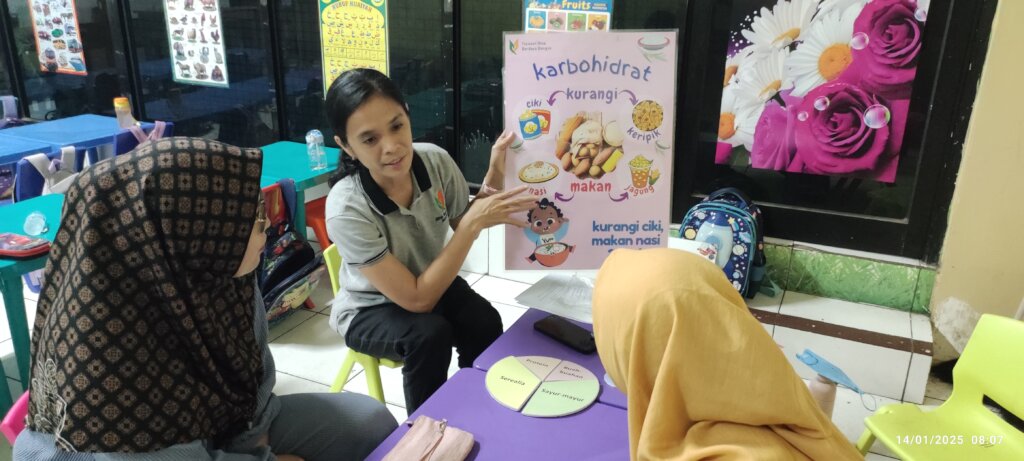
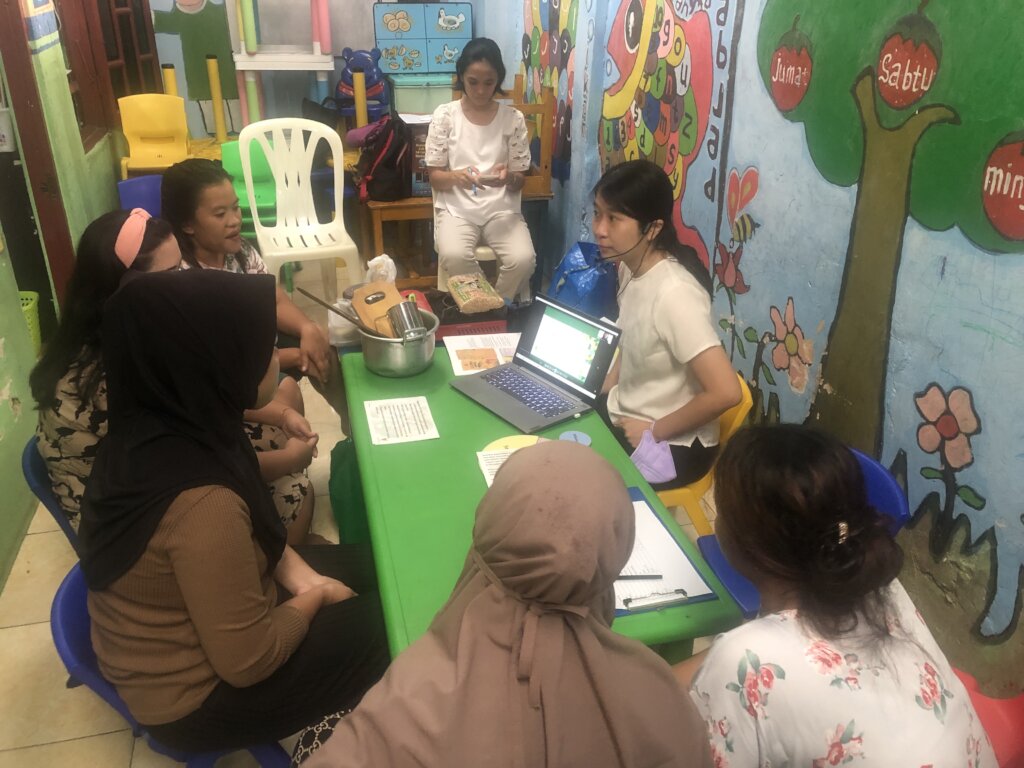
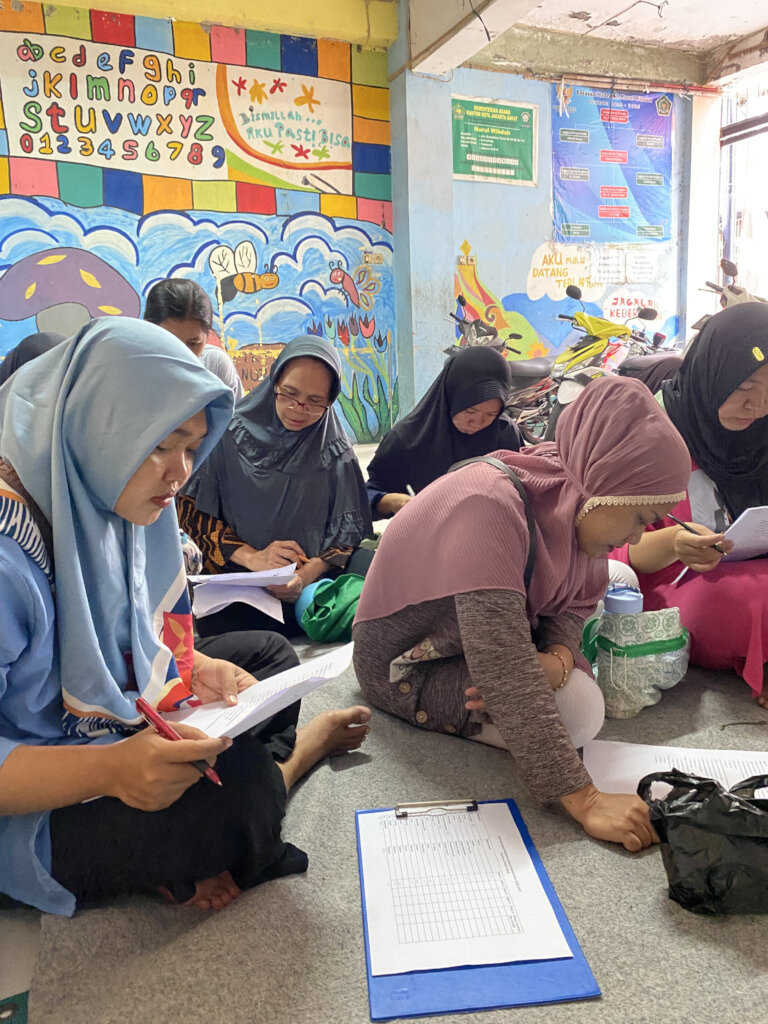
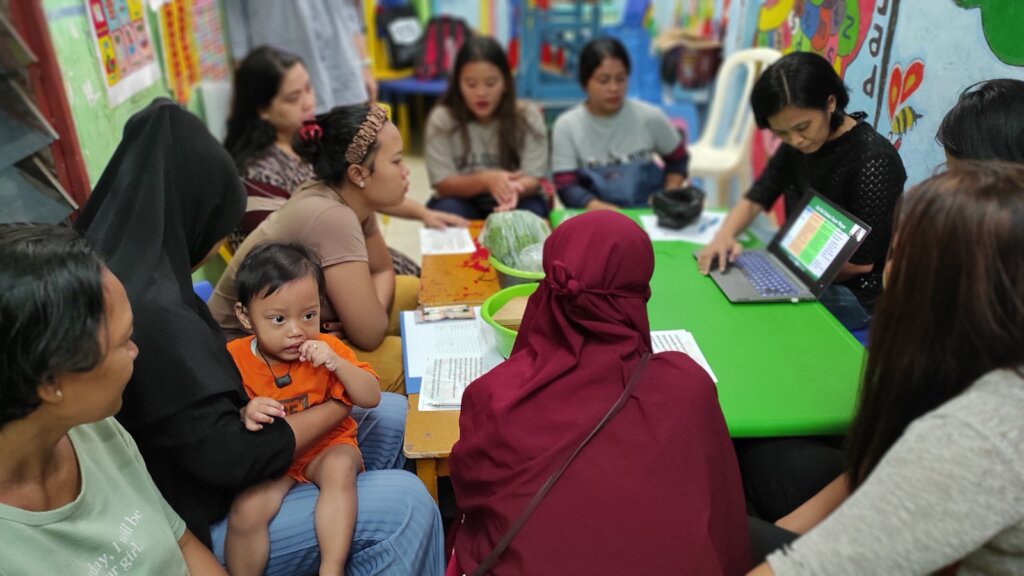
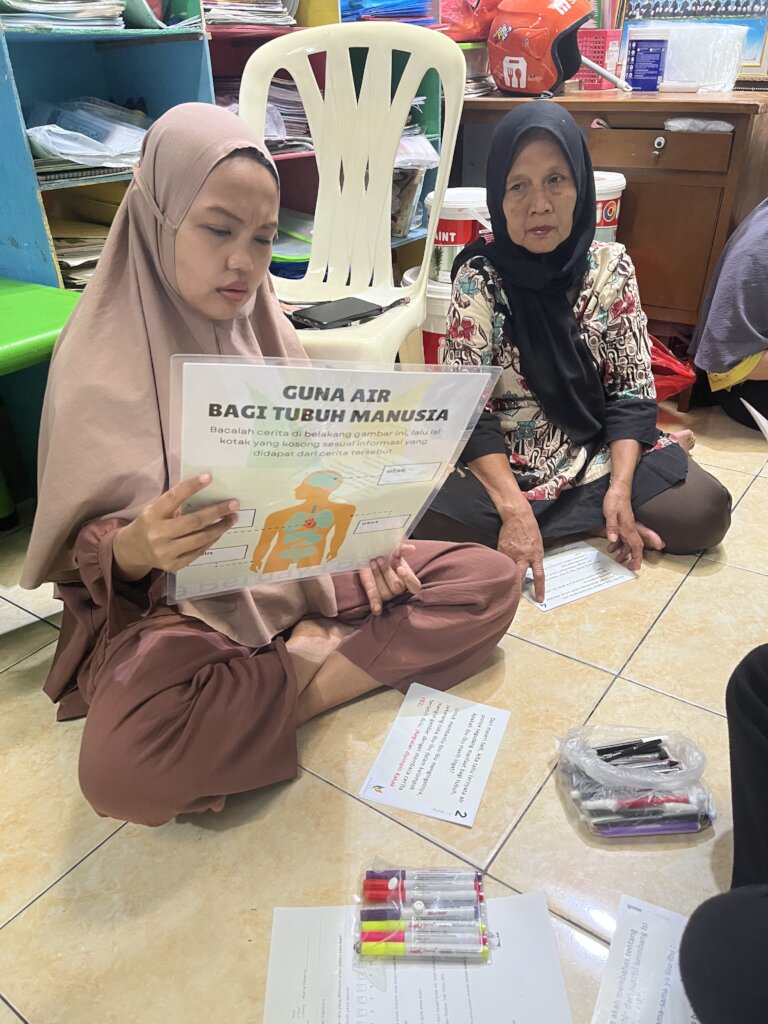
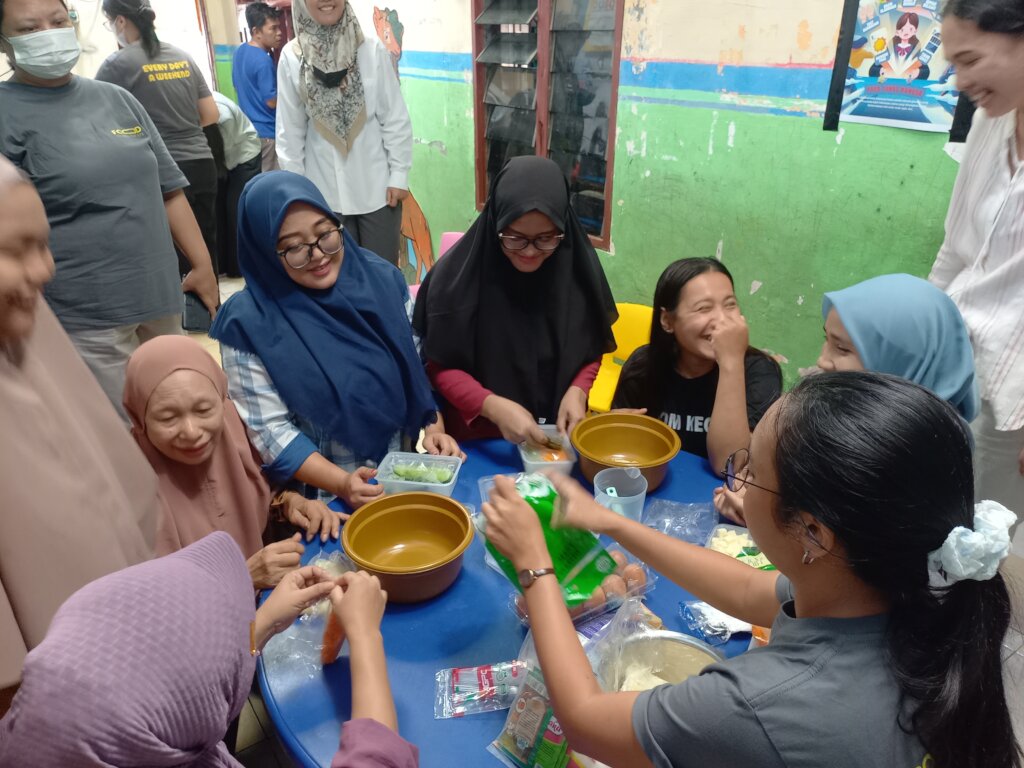
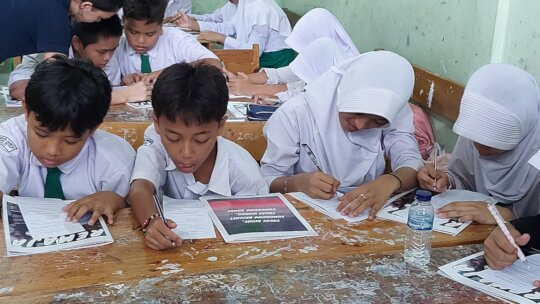
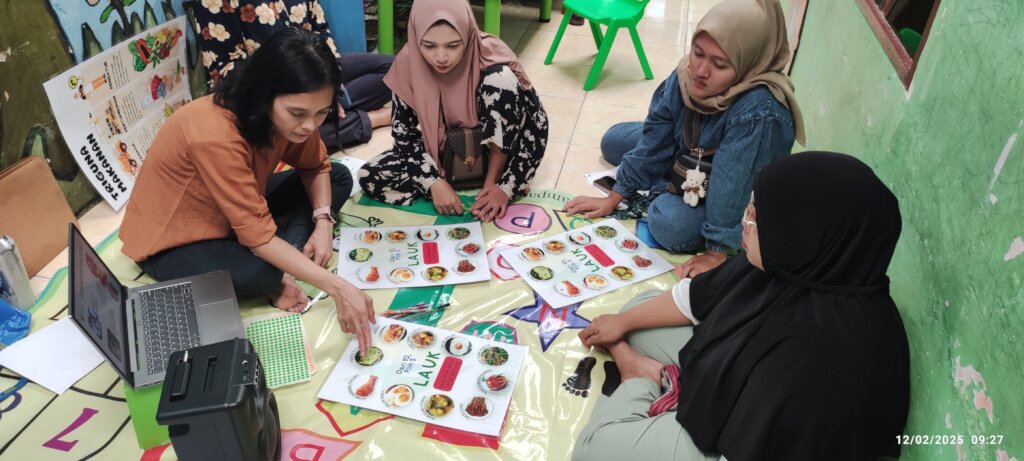
In 2025, the second semester of the Nutrition Course was held at Tunas Bangsa Early Childhood Education Center. The course sought to deepen participants’ understanding of nutrition principles, promote healthy eating habits, and highlight the family’s role in supporting children’s growth and development.
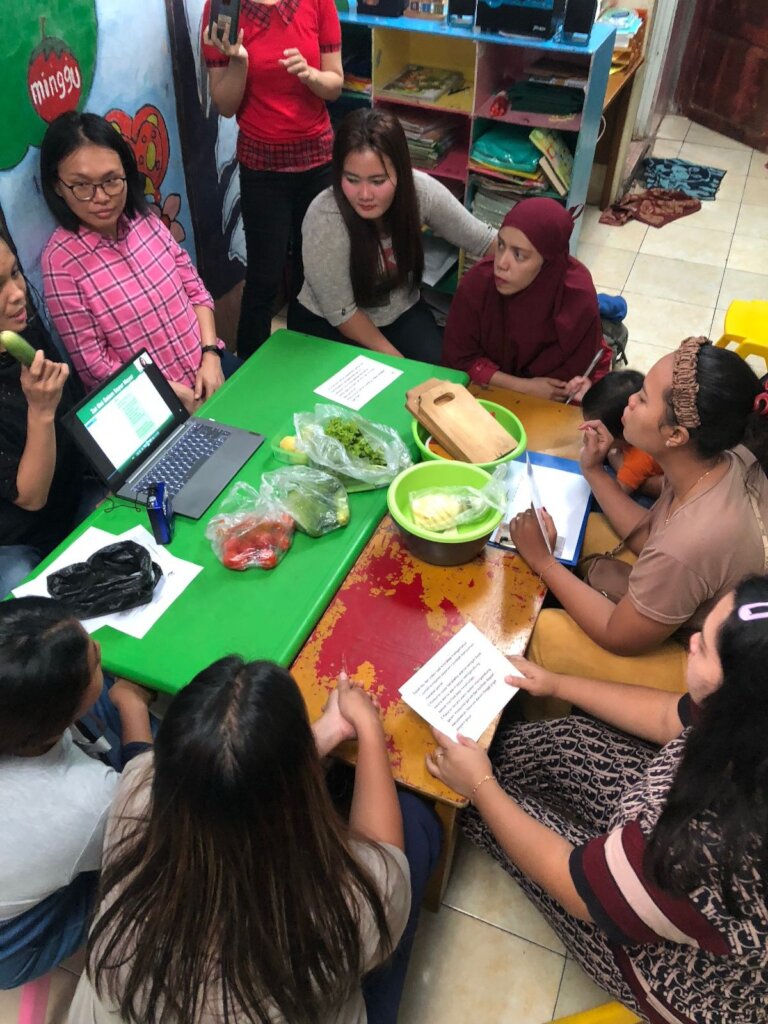
Participants were most engaged with material that cloesly tied to their daily experiences - such as the impact of excessive sugar consumption on diabetes and excessive salt on high blood pressure. They practiced evaluating the nutritional content of commonly used food items. They were surprised that sweet soy sauce contains more salt than oyster sauce. This hands-on approach made nutrition issues relevant and easier to understand.
Program results showed tangible changes: Of the 31 participants, over 60% demonstrated a proficient understanding of a balanced diet and its importance for children’s growth and development, in accordance with the Ministry of Health’s “My Plate” concept.
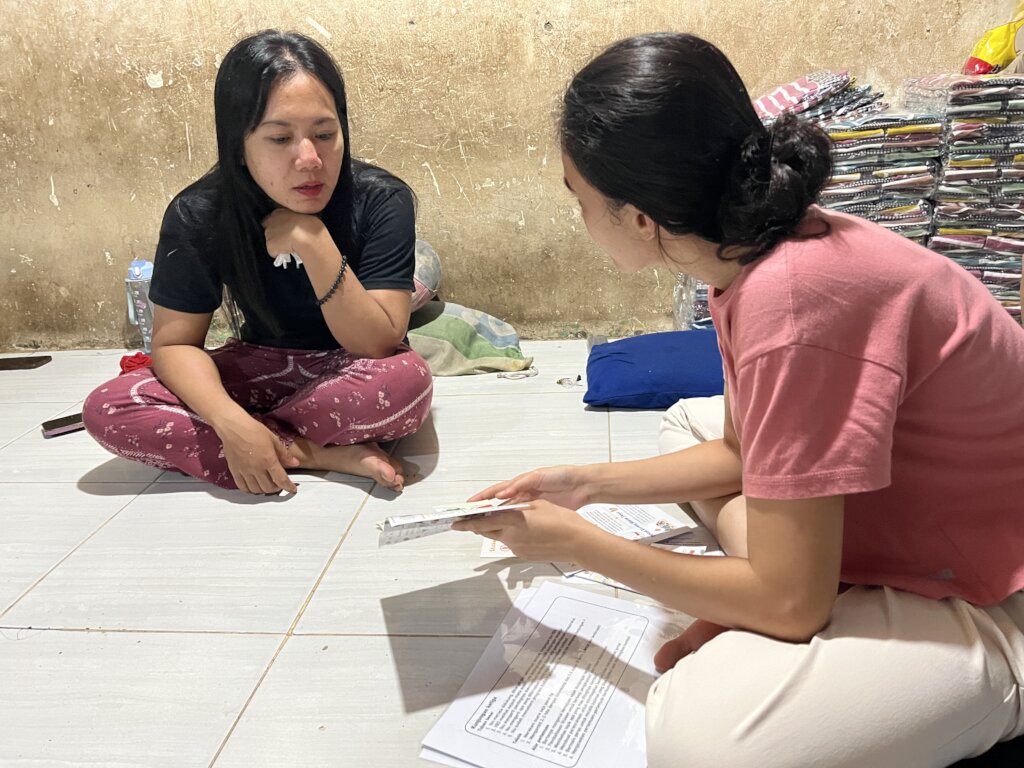
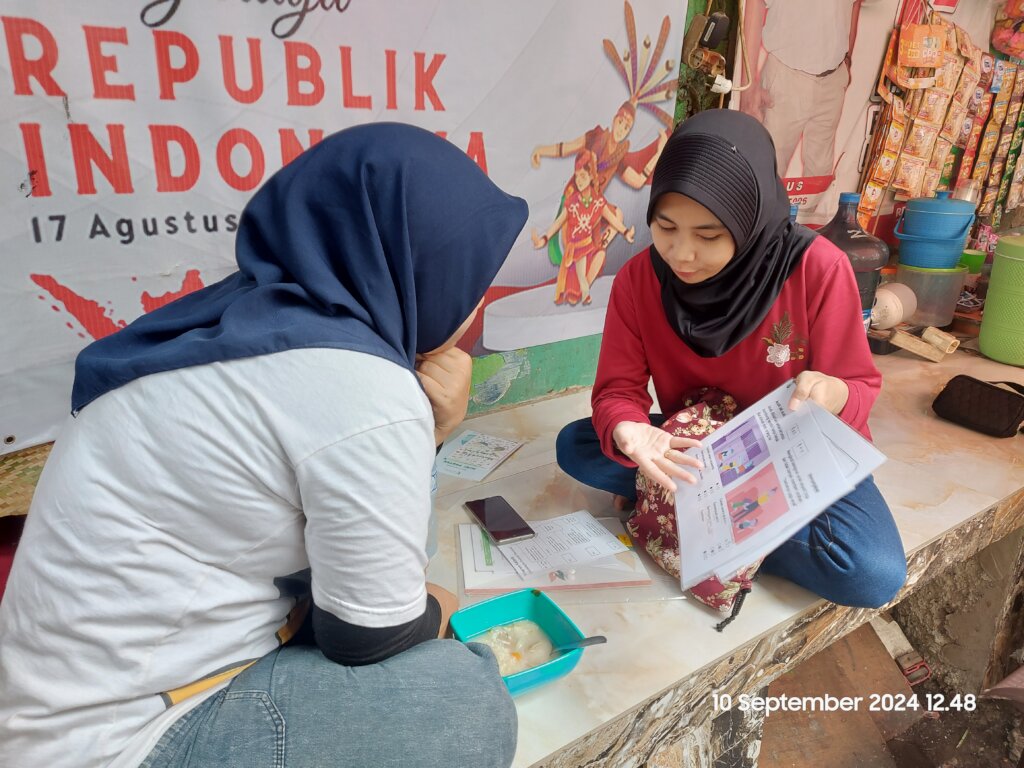
For those course participants who also participated in the home mentoring program, there was a measured reduction in screen time, decreased consumption of instant noodles, and the emergence of vegetable-eating habits—all progress in the right direction although not yet to the level of recommended amounts.
Program Sustainability
Although the the Healthy Family program and home mentoring achieved positive results, the sustainability of the program is uncertain. From the beginning, we at Bina Berdaya Bangsa took steps to try to position the early childhood education (“PAUD”) institutions to eventually fully own and continue the program. So far, this goal has not been met as the schools are still at the stage of expecting Bina Berdaya Bangsa to serve as both the driving force and the implementer of the program. This is primarily due to the schools’ time constraints and other competing priorities.
The fact that schools are currently not moving in the direction of owning the Nutrition Program is the main reason we have decided not to continue this program in 2026. We believe that empowerment stemming from within the local institution or community should be our primary focus in future program development and implementation.
Nevertheless, these findings serve as an important reflection for us as a foundation. The sustainability of programs require a clarity or roles and strategic investment in the readiness of local institution.
Project reports on GlobalGiving are posted directly to globalgiving.org by Project Leaders as they are completed, generally every 3-4 months. To protect the integrity of these documents, GlobalGiving does not alter them; therefore you may find some language or formatting issues.
If you donate to this project or have donated to this project, you can receive an email when this project posts a report. You can also subscribe for reports without donating.