By Rana Abulanwaar | External relations and international grants manage
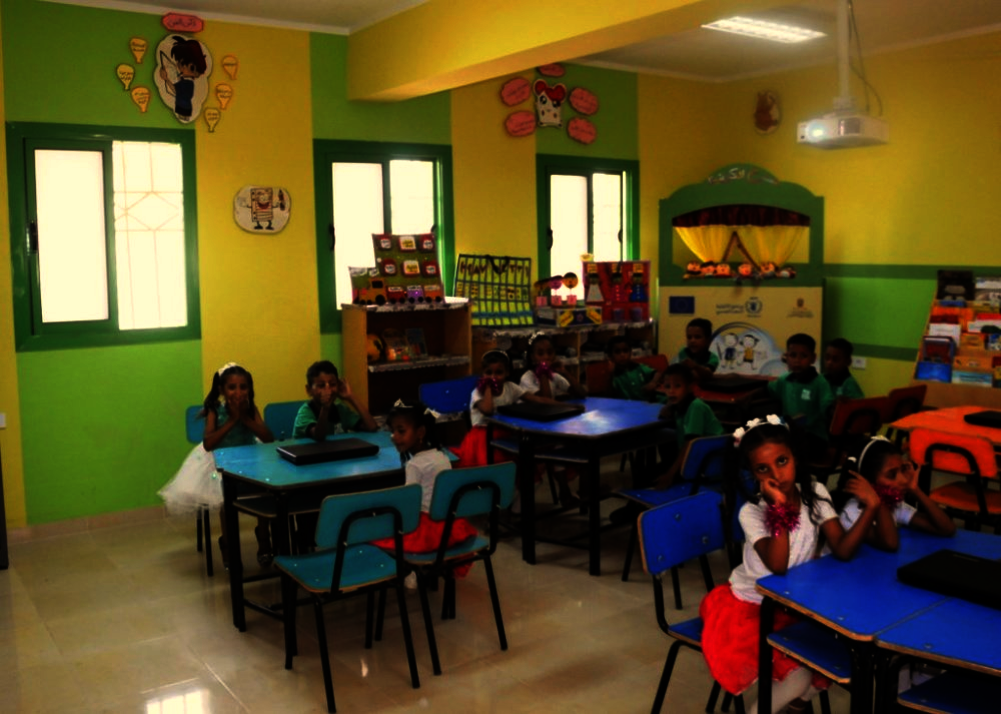
In Egypt, despite the availability of the free of charge education, many children face barriers to accessing or completing their schooling due to economic and social challenges. About 6.2% of children aged 6–14 are out of school, with girls being the most affected. This deepens poverty and hinders community development. Misr El-Kheir Foundation’s Community Schools project addresses this issue by establishing and managing over 1,080 schools across 11 governorates, providing quality education to more than 35,000 children, 60% of whom are girls.
The "It all starts with education" project creates jobs for over 1,700 facilitators and staff and promotes inclusive learning environments that support all children, including those with disabilities. Using modern teaching methods, flexible schedules, and strong community involvement, the schools meet the needs of children and their families. By fostering education and community engagement, the project helps break the cycle of poverty and builds a brighter future for children and their communities.
Challenges:
Project directly addresses the obstacles preventing children in underserved areas from accessing quality education:
· Lack of Nearby Schools: In many remote villages, there are no schools nearby. Children are forced to walk long, often unsafe distances, leading many to abandon their education altogether.
· Economic Struggles: Families facing poverty often rely on their children to work and contribute financially, making regular school attendance difficult.
· Overcrowded Classrooms: Where schools exist, limited infrastructure results in overcrowded classrooms, reducing the quality of education and individual attention for students.
· Barriers for Girls: Societal norms, early marriage, and safety concerns create additional challenges for girls, making it harder for them to access and complete their education.
· High Dropout Rates: Poor resources and inadequate support systems lead to high
· dropout rates, leaving many children without the tools they need to succeed.
Solution :
The Project provides a practical and community-focused solution to the educational barriers faced by marginalized children in underserved areas. Schools are built within walking distance of villages, eliminating the challenge of unsafe or lengthy commutes that often force children to drop out. The program actively involves the community, engaging parents, local leaders, and associations to ensure that schools are sustainable and aligned with the needs of the area.
To support children who may have fallen behind, the schools adopt a flexible and inclusive curriculum. This curriculum integrates life skills, active learning, and extracurricular activities, creating a more engaging environment for students. Facilitators, who are essential to the program's success, undergo thorough training to deliver high-quality education and foster a supportive atmosphere.
Recognizing the unique challenges of rural life, the schools operate on schedules that allow children to balance their education with household responsibilities, such as assisting during agricultural seasons. The program also prioritizes gender equity, ensuring that girls are equally supported and encouraged to stay in school. By combining accessibility, innovative teaching, and strong community partnerships, the Community Schools Project empowers children with education and offers them a pathway to a brighter future
Project has brought significant, tangible changes to underserved communities, addressing educational inequalities and fostering long-term development. Its impact is visible both immediately and over the years, as it continues to transform the lives of children and their communities.
Short-Term Impact:
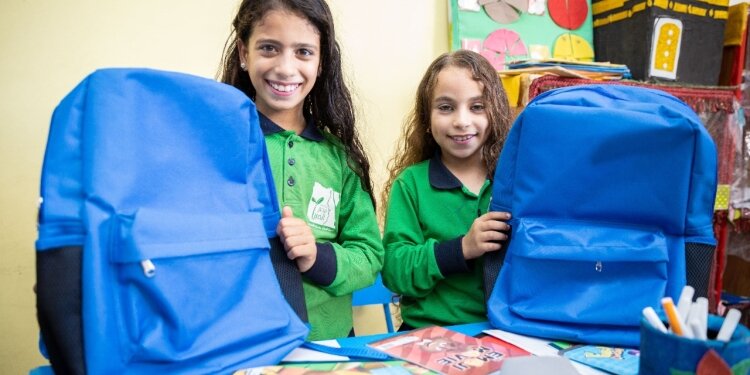
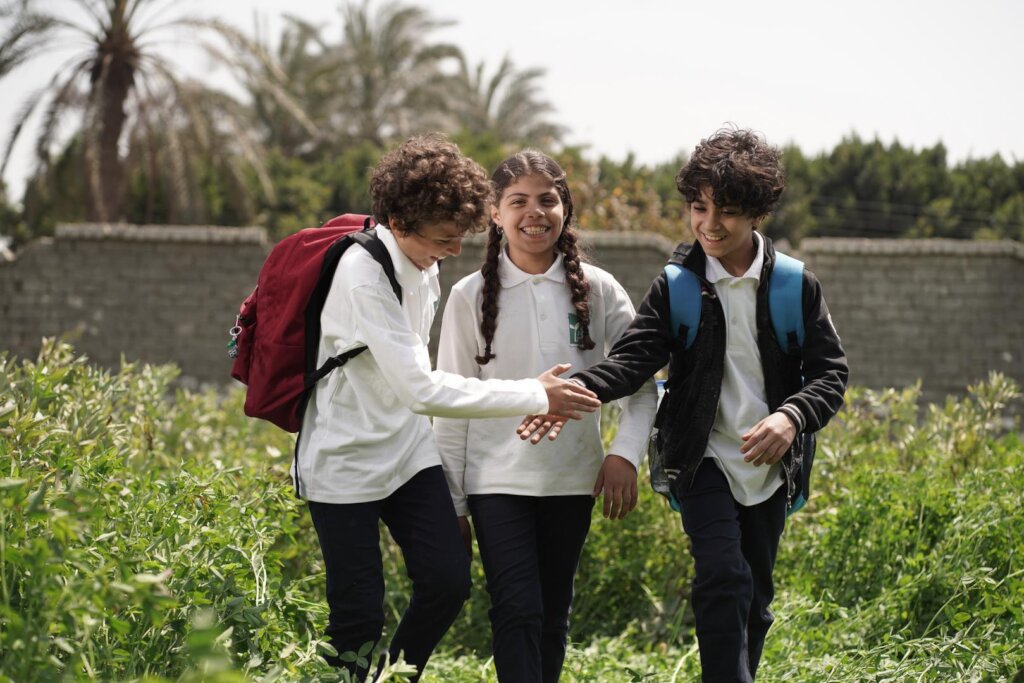
· Increased Access to Education: Over 35,000 children, including 60% girls, now have access to quality education in 1,080 community schools across 11 governorates. These schools provide safe and welcoming environments for children who would otherwise be left behind.
· Empowering Girls: By addressing cultural barriers and safety concerns, the project has significantly improved girls' access to education, with more than half of the students being girls.
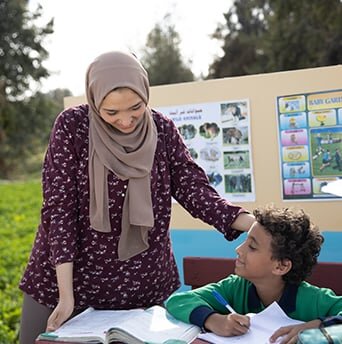
· Skilled Facilitators: The project has trained over 1,700 facilitators from the local communities, equipping them with the skills to deliver effective, student-centered education and ensuring that children receive the personalized support they need.
Long-Term Impact:
· Breaking the Cycle of Poverty: The education provided equips children with literacy, numeracy, and essential life skills, empowering them to build better futures for themselves and contribute positively to their families and communities.
· Reducing Dropout Rates and Supporting Continuity: With flexible schedules and community-driven approaches, the project has successfully reduced dropout rates and reintegrated many children into the education system.
· Strengthening Community Ownership: The project has fostered a sense of ownership within the communities, where parents, local leaders, and civil society actively support and sustain the schools. This collaboration builds resilience and ensures the schools continue to benefit future generations.
Success Story
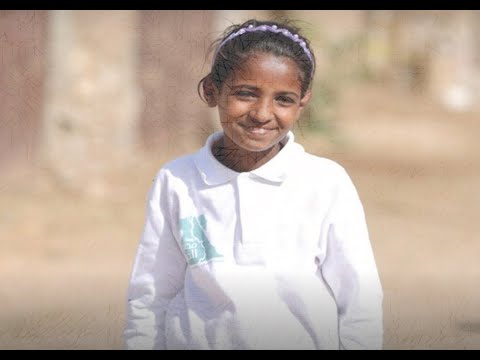
Aya A.L.: Inspiring a Generation Aya A.L., a young girl from Upper Egypt, grew up in a household where girls' education was not a priority. Through the support of the Misr El-Kheir Community School, Aya accessed free, quality education that transformed her life. Her academic excellence led her to achieve third place in the Arab Reading Challenge competition, a remarkable milestone that earned her recognition within and beyond her community.
Today, Aya stands as a beacon of hope and a role model, inspiring other girls to pursue education and defy limitations. Her journey highlights the transformative potential of the Community Schools Project, demonstrating how targeted interventions can unlock individual potential and drive social change
By Hala El Shahed | Manager of International Grants
Project reports on GlobalGiving are posted directly to globalgiving.org by Project Leaders as they are completed, generally every 3-4 months. To protect the integrity of these documents, GlobalGiving does not alter them; therefore you may find some language or formatting issues.
If you donate to this project or have donated to this project, you can receive an email when this project posts a report. You can also subscribe for reports without donating.



Support this important cause by creating a personalized fundraising page.
Start a Fundraiser