By Yamini Cinamon Nair, Alex Raca and Alex Vassilev | Rwampara Farm Institute Project Workers 2017
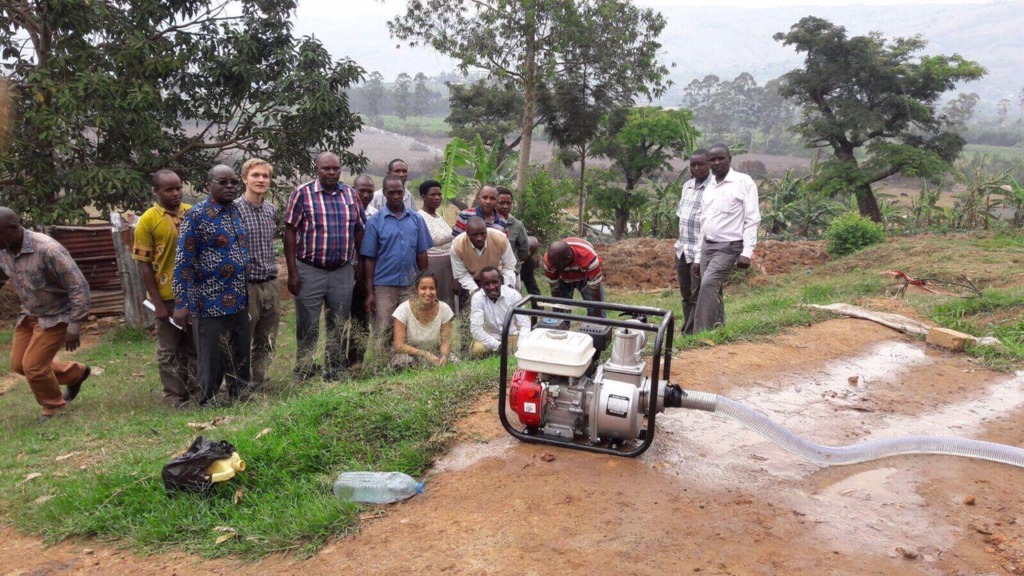
Teddy, a teacher at Rwampara Farm Institute in Uganda, sent us an update this week on their new irrigation system and we wanted to pass on the news. Rwampara is the first Farm Institue we have partnered with and it faced serious issues relating to soil erosion and low crop yields. Working with the school, we determined that their irrigation methods were exacerbating the problems and we together we investigated how this could be improved. We invested in the installation of an industrial sprinkler irrigation system, one of the very first in the area. This was one of six projects supported by the Innovation Fund and enabled by your generous donations.
Students completing the National Certificate of Agriculture (NCA) learn how to cultivate crops and maintain livestock. As part of the course, each student is responsible for four metres squared of land. Before the sprinkler, students used jerry-cans to water their crops. This irrigation technique, commonly known as flood irrigation, resulted in many problems: inefficient use of scarce water resources; waterlogged soil; and spread of waterborne illnesses to name just a few. Critically, students wasted time watering the land instead of being in class. Many of the stakeholders we interviewed said the problems were exacerbated by climate change, mentioning noticeable changes in the productivity of the land, pointing out its dryness and reporting that they were struggling to irrigate it efficiently. Flood irrigation requires a lot of time and water - resources that were in short supply in the school. Something had to change.
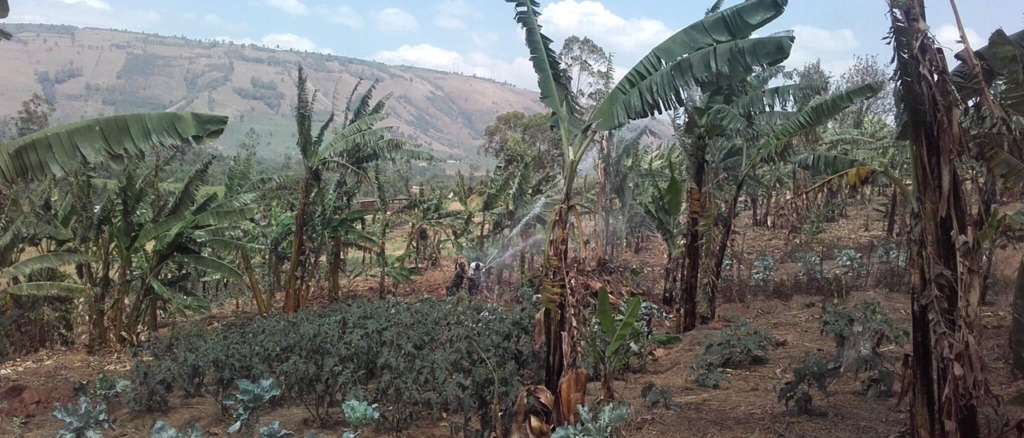
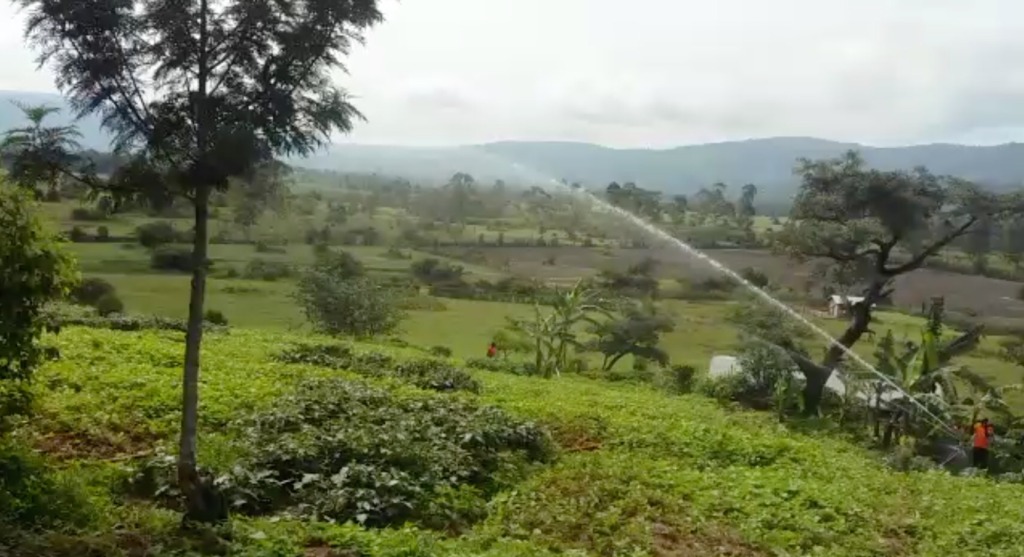
We invested your donations in a 28-metre radius sprinkler, which could irrigate several thousand meters square of land in one go. The sprinkler now irrigates crops, such as bananas, cabbages, eggplants and coffee, without the need for cumbersome, manual work. Students have more time for study, and the soil has become more productive, resulting in higher yield. The school is now able to sell surplus crops and earn an additional revenue which they hope to invest in getting internet access. This is something the Principal Mugisha has always dreamed of doing, but could not afford. Your donation continues to open up new possibilities and opportunities for the school community.
Rwampara has embraced the sprinkler. Staff and students are proud to own and use a technology that they have learnt about in theory but, until now, not had the opportunity to use in practice. It has become a source of prestige and a symbol of the school embracing modern farming technologies. We hope the success of the project will give other farmers and farm institutes in the region the confidence to invest in more productive agricultural technology and will inspire a new generation of farmers.
We would like to thank you for making this all of this possible. We could not have done it otherwise.
By Claire Fyson | East Africa Programmes Manager
Project reports on GlobalGiving are posted directly to globalgiving.org by Project Leaders as they are completed, generally every 3-4 months. To protect the integrity of these documents, GlobalGiving does not alter them; therefore you may find some language or formatting issues.
If you donate to this project or have donated to this project, you can receive an email when this project posts a report. You can also subscribe for reports without donating.