Project Report
| Oct 27, 2009
October 23rd
By Amy McCulla | Technical Officer
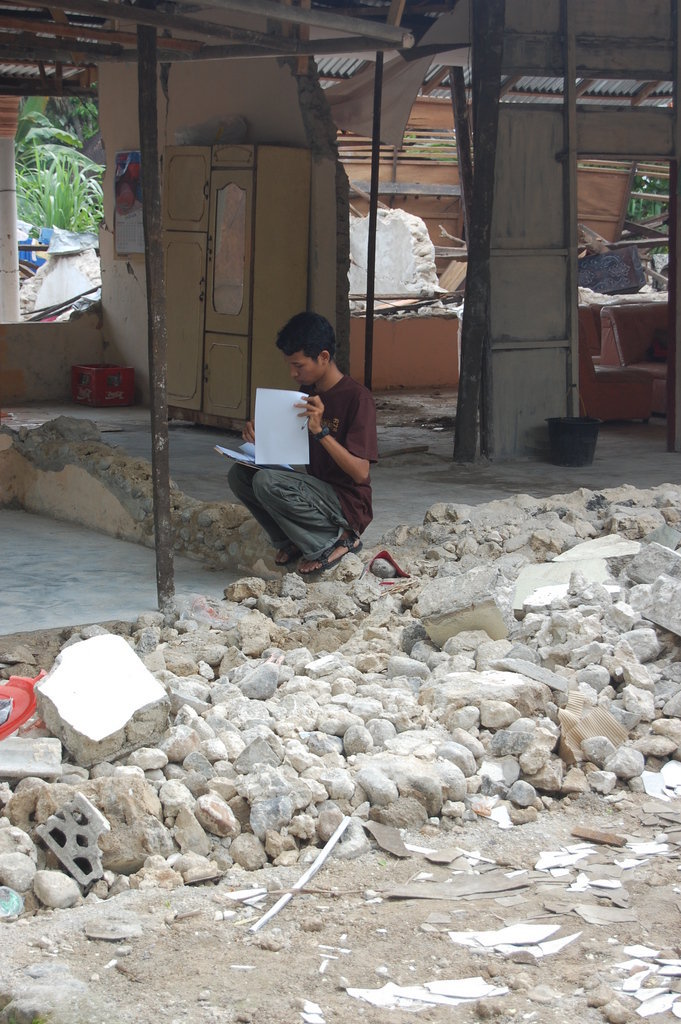
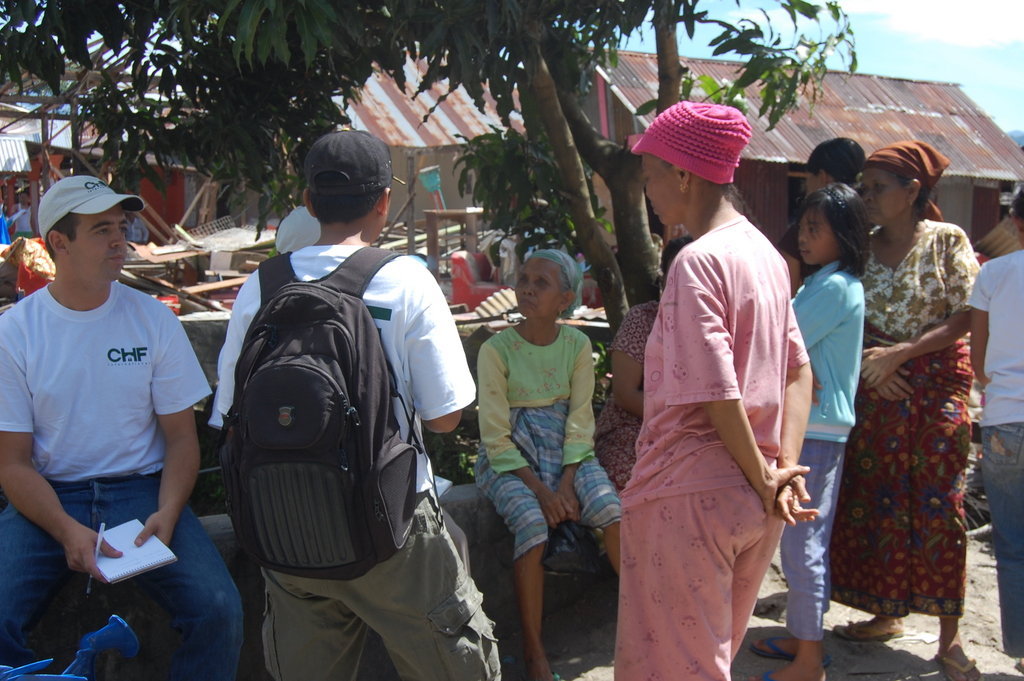
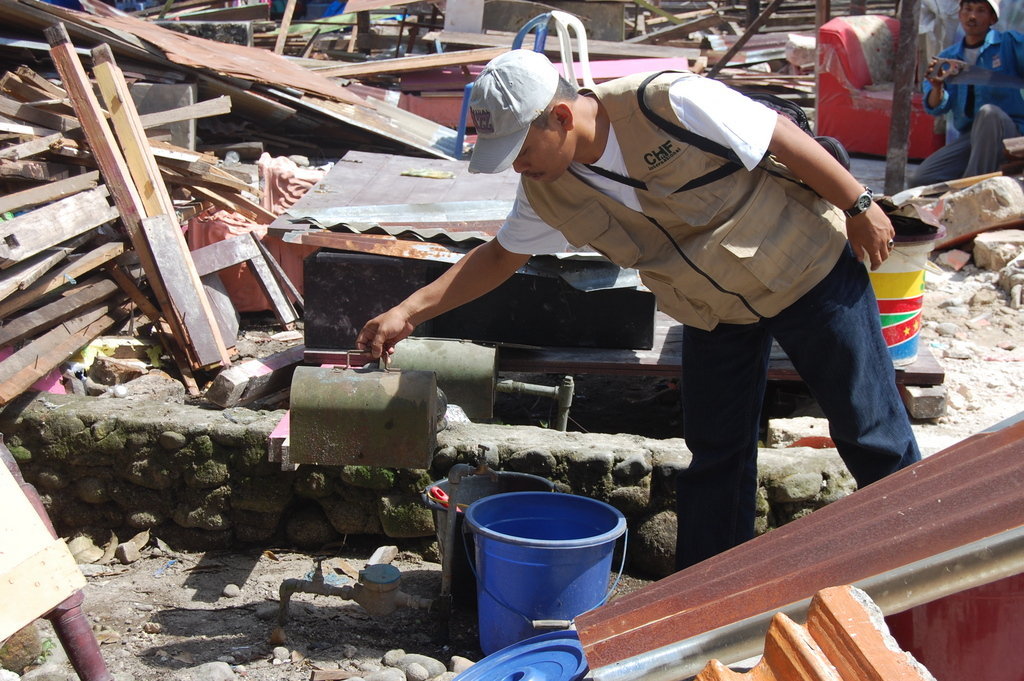
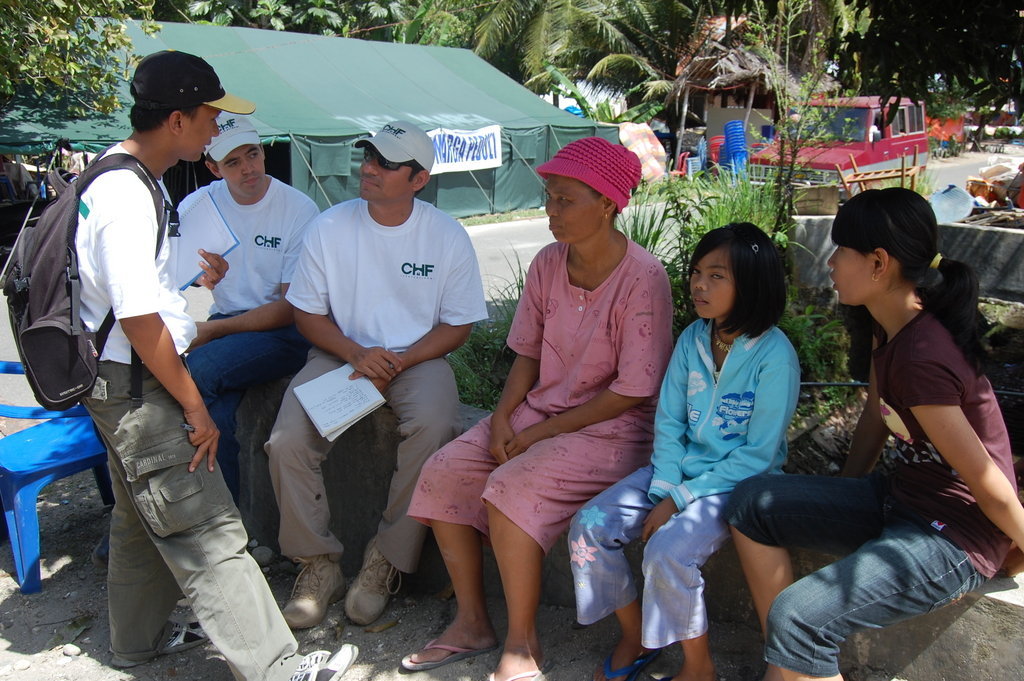
Yesterday we went to the field to discuss our temporary shelter design with community members. We conducted a few focus groups and asked them to draw their ideal floor plan in the wet mud. The ground became a drawing board and discussion piece for the participants, who told us exactly how they arrange their houses. We soon realized the significance of this arrangement.
The ethnic group living here in West Sumatra province is called Minang, and today we attended a presentation on their culture. The presentation, given by an expert on traditional architecture, explained the structure of the “big house,” the matriarchal home in traditional Minang culture. The Big House structure was built from wood and thatch, and the floor plan and column layout of the building all had spiritual significance. The direction of the house always pointed to the mountains, the spiritual home of traditional Minang. What we saw presented looked very familiar from our community discussions the day before. While the Minang culture has certainly changed and modernized, aspects of the old endure even through natural disasters such as an earthquake.
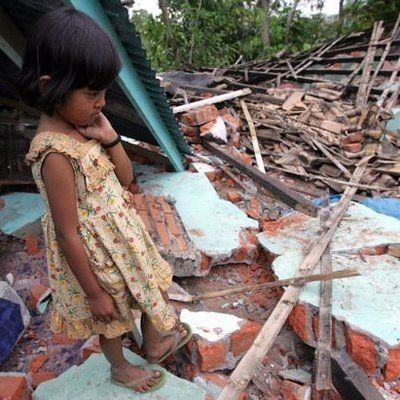
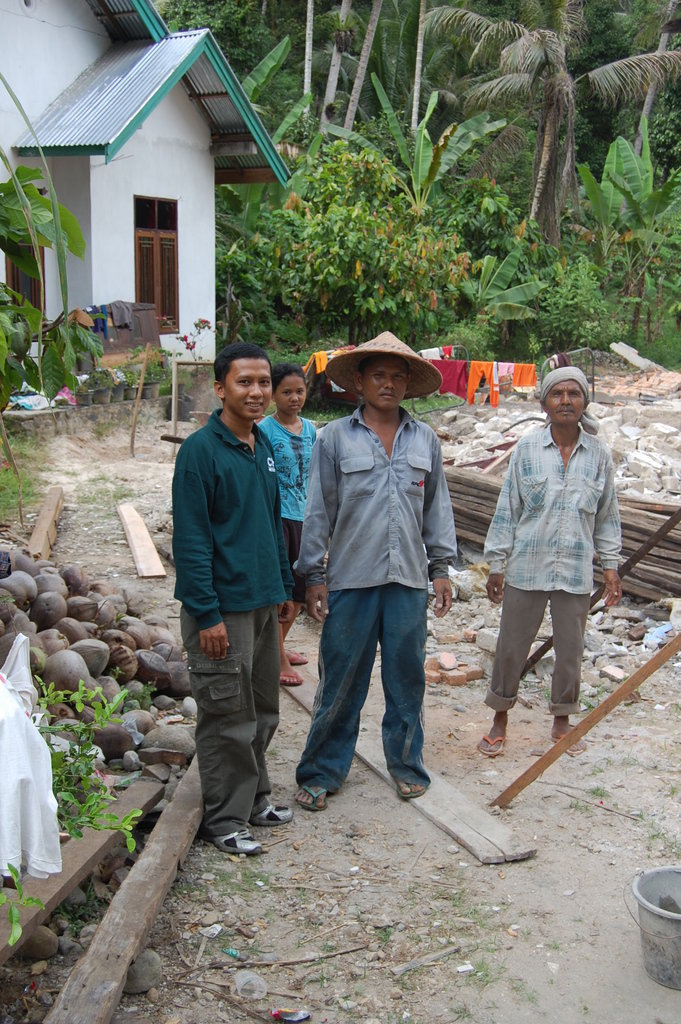
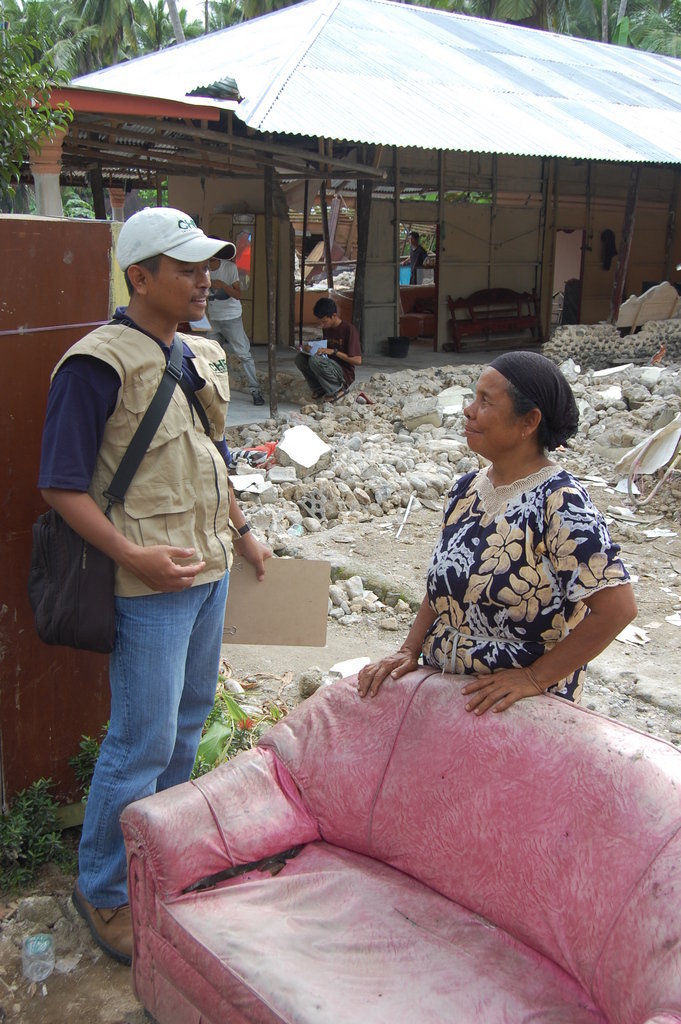
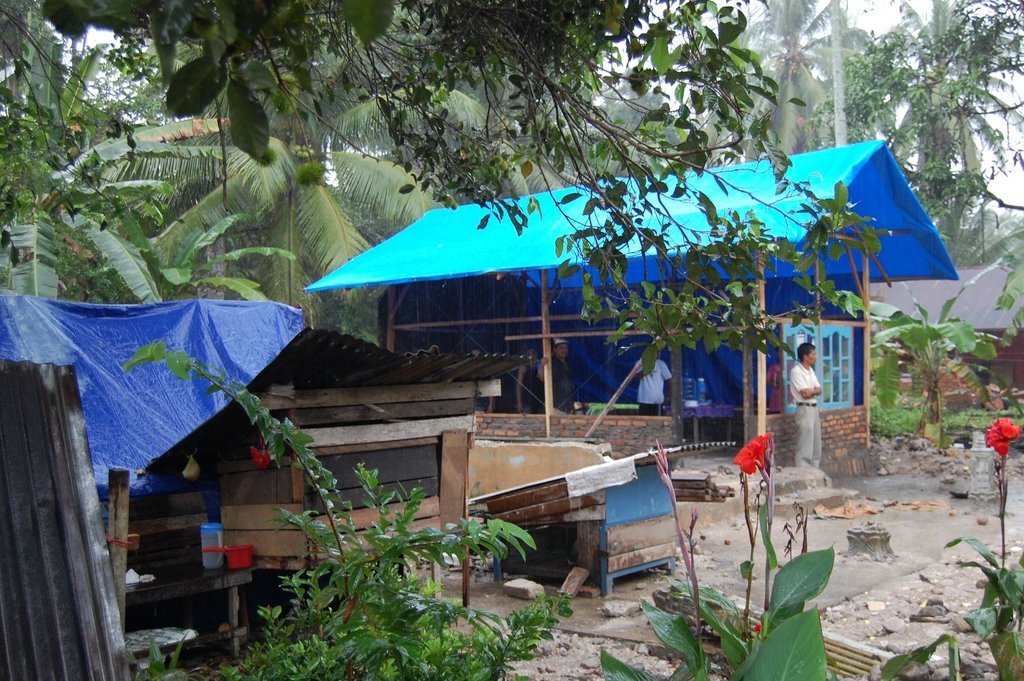
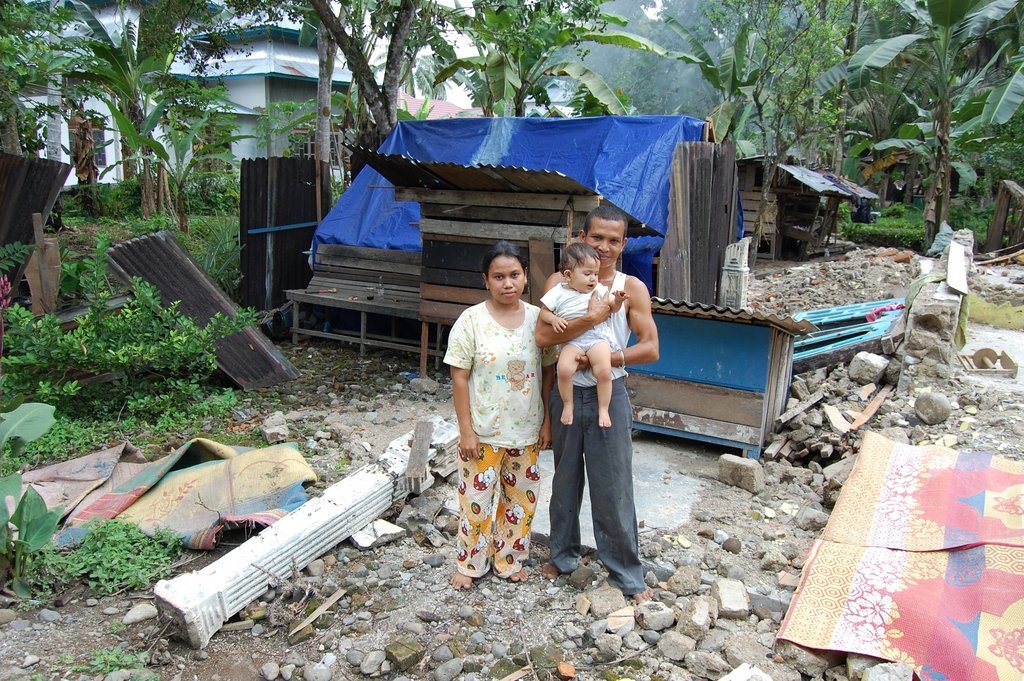
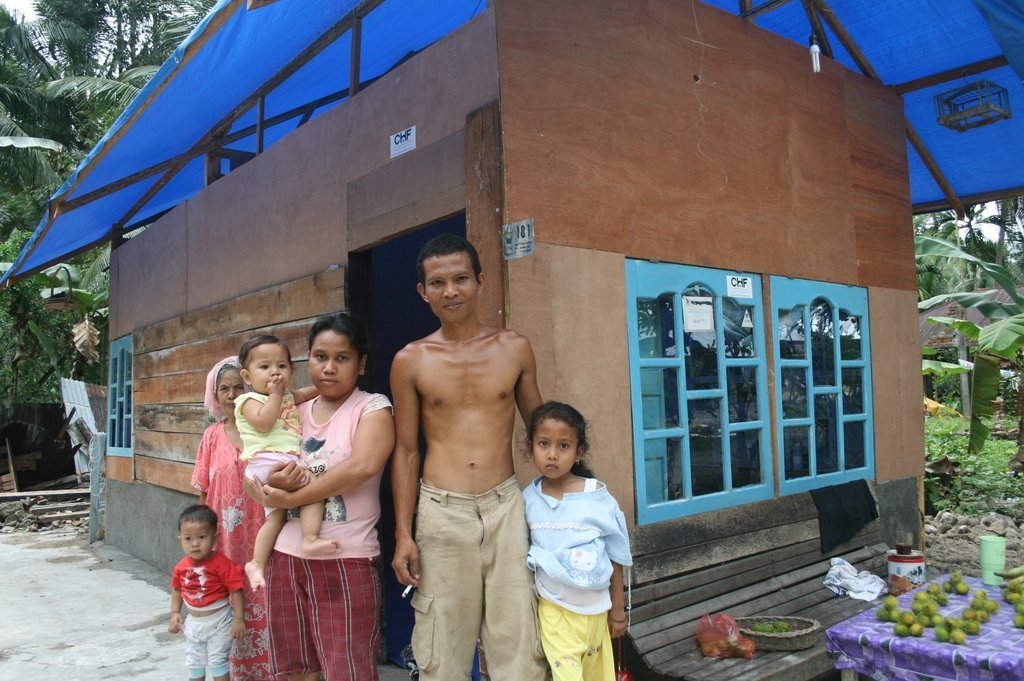
After a trauma such as a natural disaster, there really is a comfort in a place you’ve known before. Almost a month after the earthquake, we hear many reports that families are still living their collapsed or partially collapsed houses during the day even though they sleep in a makeshift shelter at night for fear of being crushed in a midnight earthquake. It is the small things, such as a familiar layout, that make a structure a home. We will continue to ensure that our reconstruction efforts take these traditional sensibilities into account.
![Share on Twitter]()
![Share on Facebook]()
Oct 20, 2009
October 18th
By Amy McCulla | Technical Officer
Today we felt another earthquake.
It is past midnight and our team is all up working to revise our project plans and to ensure that our pilot transitional shelter project gets implemented in the next few days. We've been sitting here around a dimly lit table in our bungalow-barracks since before dinner. Five laptops open and fingers pouding away as we try to make these projects lean and efficient so that we can best help the people most affected by the earthquake. We debate the value of specific materials, management structures and how we can do the highest quality job and help the most people.
While we were all engrossed in our laptop screens, the earth started to shake. I've heard accounts of earthquakes likened to a freight train rumbling through the house. It wasn't that bad, but now I know what those people were talking about. As I both felt and heard the rumble, we all looked up from our computer screens and ran out the door.
There were actually two little earthquakes. My heart was beating in my throat. Once the ground calmed we all let off anxious 'Woah' and talked about how fast we could run and which route to take if it happened again.
Here in the Ring of Fire this is to be expected, I've just been in denial despite the hundreds of crumbled houses and buildings I've seen. We entered our bungalow with hesitation after waiting some time. I was pretty shaken and was thinking of the reports I'd read about people who refused to enter their homes or any structure, even for rest, in fear of another earthquake. I think I'd feel the same way.
![Share on Twitter]()
![Share on Facebook]()
Oct 20, 2009
October 15th
By Amy McCulla | Technical Officer
Today we met two people who had just returned from a medical assessment where they visited some of the most remote areas of Padang Pariaman District. They looked half in shock and were approaching NGOs all over the Governor's Residence to try and find anyone who was planning to work in the devastated areas they'd assessed. The area they visited sits on what used to be the ridge of a mountain. When the earthquake started the land on one side of the ridge sunk and slid over dozens of meters and took with it many houses and lives.
As the earth shook on September 30th in that village families ran out of their houses, fearing the structure would collapse. People ran in all directions. The survivors explained that family members who ran out the door to the left survived as they were on the piece of the ridge which remains today. People who rushed out the door and ran to the right disappeared in the landslide. Most of those who ran to the right have not been seen since the quake. The cliff like area which remains has been almost impossible for survivors to scale and find their loved ones. Our new friends reported that families with houses standing on the other remaining side of the ridge have taken in orphans and families who have lost everything.
Pockets of un-reached communities remain even today here in West Sumatra. Emergency aid starts to trickle into places like this village because roads have been completely destroyed and only now, in the past days, are being dug out enough for motorcycles to pass in the most remote areas. Every day it feels like we are getting to know the full scale of the situation and still pressing on everyone's mind is what will happen when the rains come. It has been a fairly dry rainy-season thus far but everyone knows that the downpours-to-come will mean greater loss of life if proper transitional shelters are not built soon. The people of Padang Pariaman wait as we try and find resources to help them. My heart went out to the people who went right and the people who went left today. This disaster is far from over and after hearing this story I think we should go find out what we can do for them and the rest of our team agrees.
![Share on Twitter]()
![Share on Facebook]()