By Ana Carolina | Intern
In this edition, we celebrate connections and learnings that strengthen our network. We visited indigenous territories in São Paulo, exploring initiatives in agroforestry, beekeeping, and cultural preservation. We shared our journey with the beekeeping workshop and concluded in Campo de Perizes, engaging in an incredible exchange about native bees, sustainability, and ancestral knowledge. Additionally, we participated in International Futures, strengthening our global connections, and launched a call for volunteers interested in becoming mentors in the Pollinators Program, expanding impact and collaboration.
São Paulo is Indigenous Land
This month, our Director Ana Rosa and Meli’s meliponiculture facilitator William Bercê visited Guarani territories within São Paulo. A powerful reminder that Latin America’s largest city is also Indigenous land.
Welcomed by Karaí Marcio and Jerá, they witnessed inspiring work in agroforestry, meliponiculture, and cultural preservation, where food sovereignty thrives through biodiversity and care for the land. Their visit reflects how Indigenous leadership continues to guide regeneration and resilience in urban landscapes.
Tukapehy: Between Bees and Memories
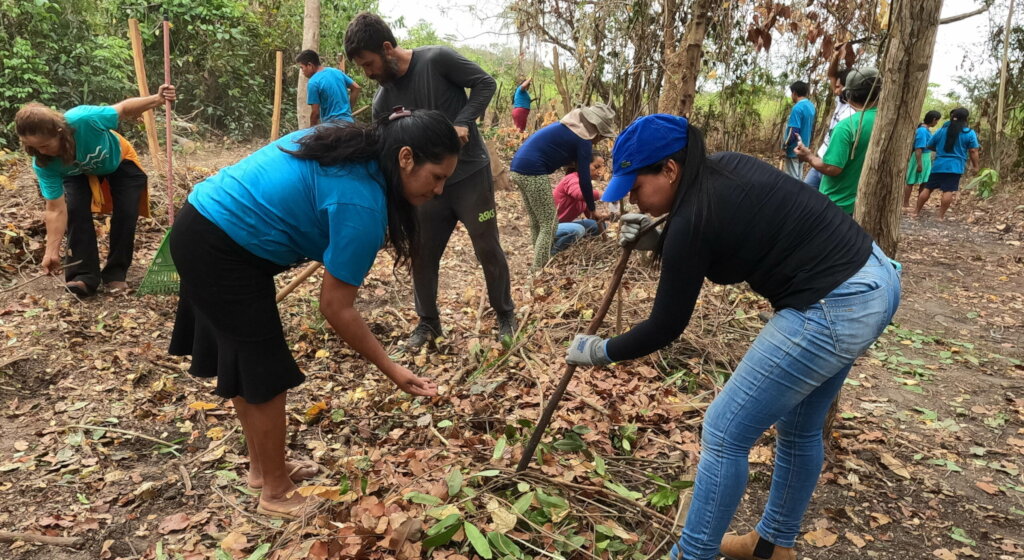
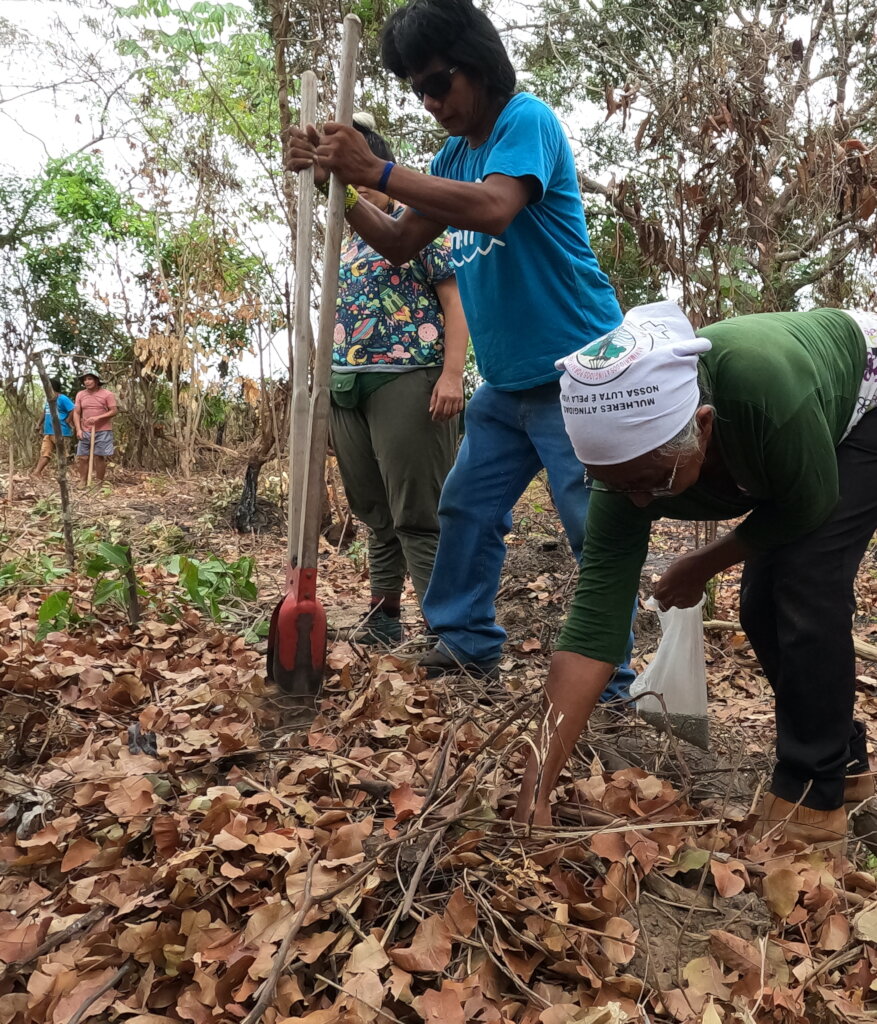
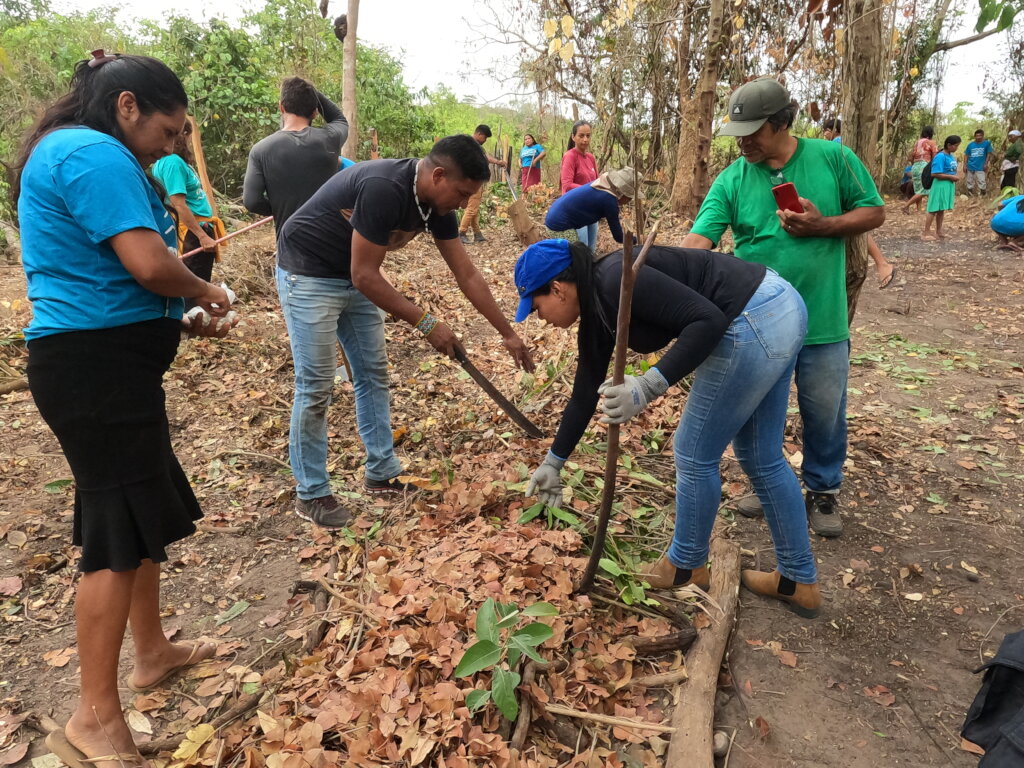
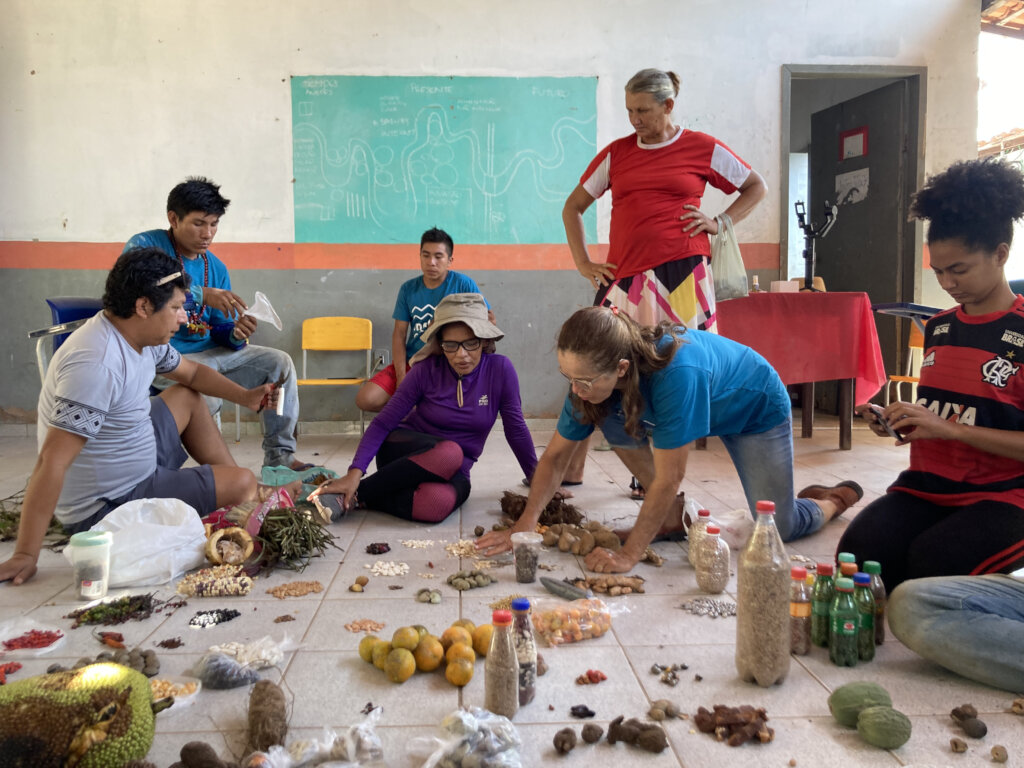
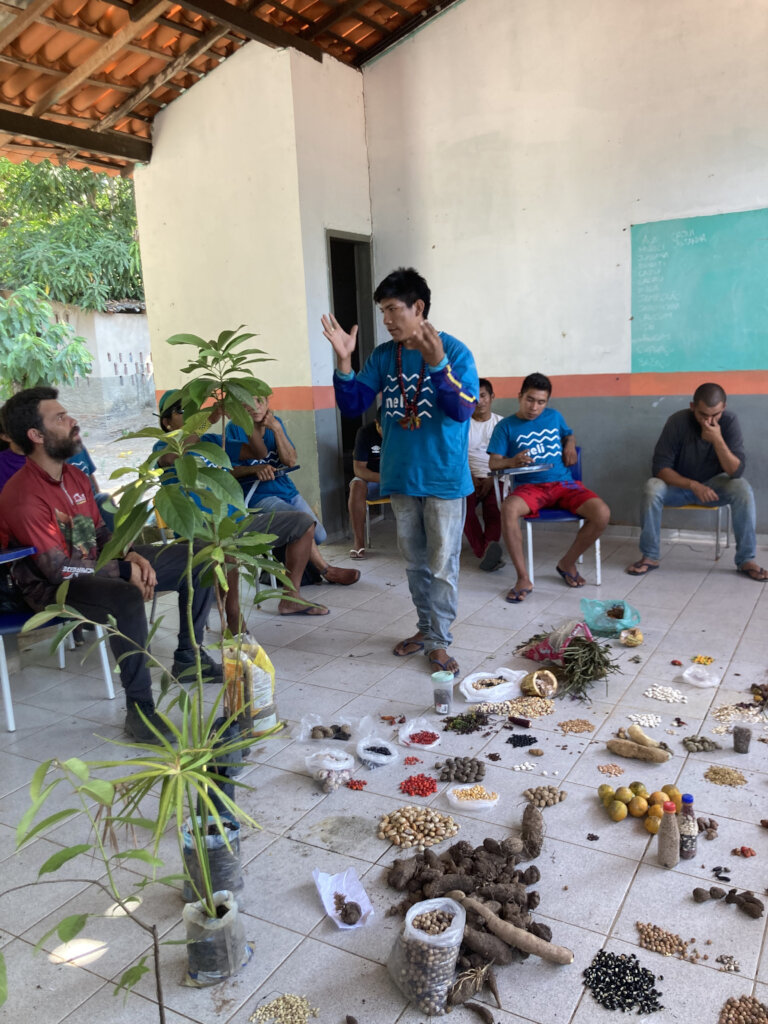
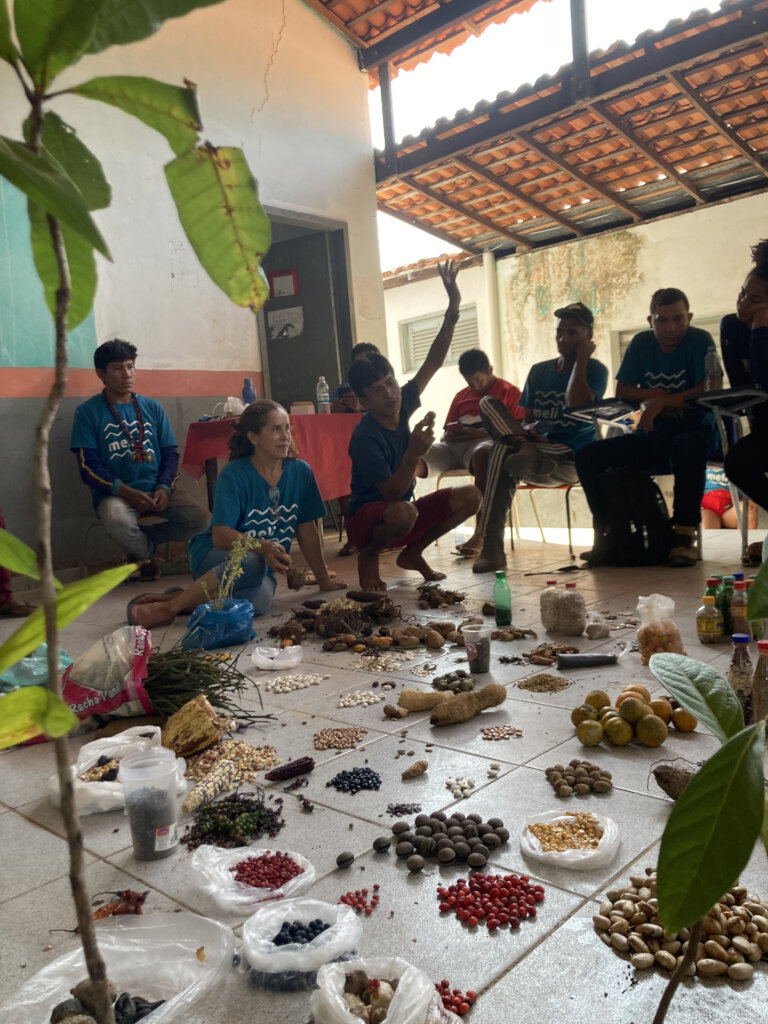
This October, we embarked on a journey through three different territories, starting at the Tukapehy village. There, our stingless bee workshop was all about remembering: the deep connection with the bees and their products, passed down by children, youth, adults, and elders. The elders, true living libraries, showed us how the Aikewara culture remains deeply connected to nature.
Barreirinha: Beekeeping in Action
Our journey took us to the Barreirinha Village in Arame – MA. The beekeeping workshop combined ancestral knowledge with hands-on lessons on managing native bees. This practice has become an important activity in the village: the honey produced is consumed locally and also sold, strengthening the community’s autonomy and economy.
Campo de Perizes: Mangroves and Honey
We concluded our journey at the riverside community of Campo de Perizes, with Ana Maria, one of the Pollinators in our Fellowship program.
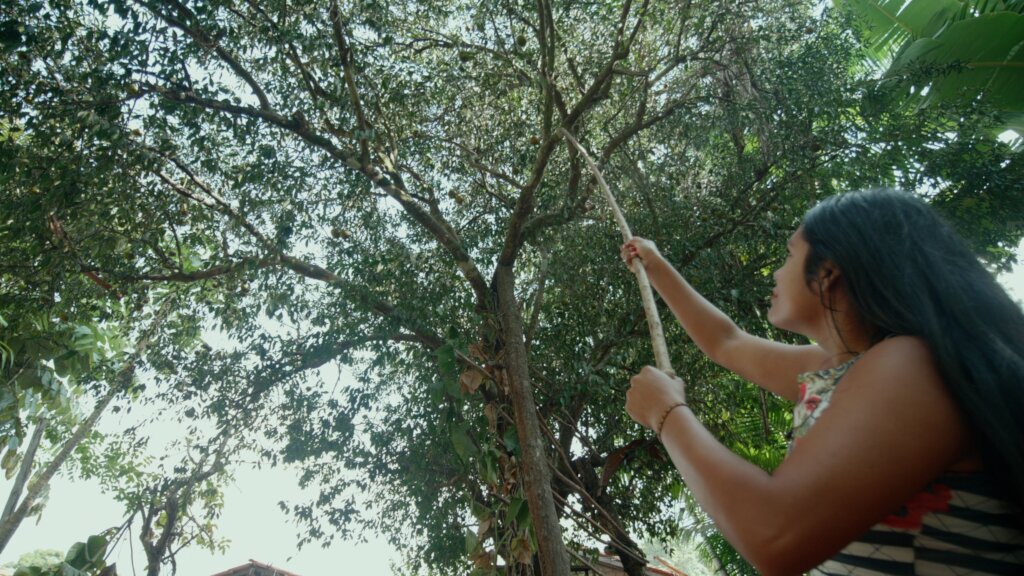
After weeks in indigenous territories within the dense forest, we arrived at Campo de Perizes to a more modest vegetation but were surprised by Tiúba hives, healthy, populous, and full of honey. The hives reveal the region’s rich flowering and the incredible diversity of the mangroves, providing special propolis and honey with unique flavors.
Links:
Project reports on GlobalGiving are posted directly to globalgiving.org by Project Leaders as they are completed, generally every 3-4 months. To protect the integrity of these documents, GlobalGiving does not alter them; therefore you may find some language or formatting issues.
If you donate to this project or have donated to this project, you can receive an email when this project posts a report. You can also subscribe for reports without donating.