Project Overview
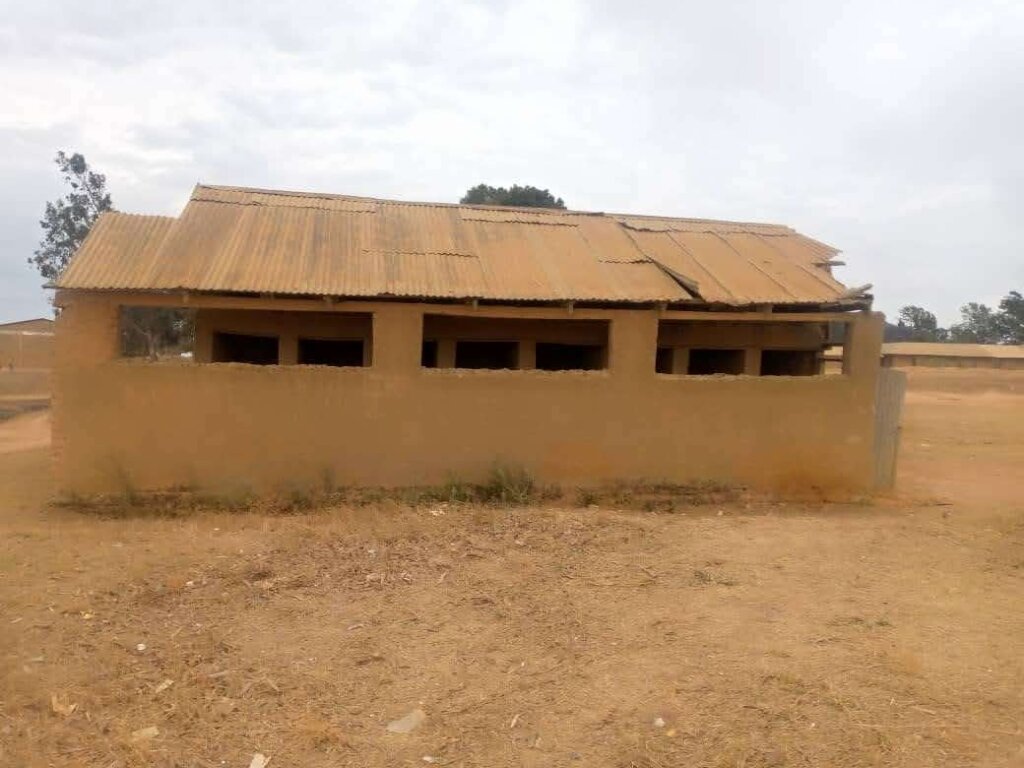
The project aimed to tackle the WASH (Water, Sanitation, and Hygiene) challenges at Isalalo Primary School in the Mbozi District by constructing a girls' latrine block and installing essential water infrastructure. Initially, the plan included the construction of an 8-drop hole latrine block with a dedicated changing room or Menstrual Hygiene Management (MHM) unit, equipped with an incinerator, as well as the establishment of water facilities, including a water point and a handwashing station with 8 hygienic taps. However, due to funding limitations, only the latrine block was completed, made possible by additional funds secured from a different donor.
Project Objectives
The project had two primary objectives. The first was to enhance the sanitation conditions for female students at Isalalo Primary School by constructing a girls' latrine block. The second objective, which remains unfulfilled, was to improve access to clean and safe water and promote better hygiene practices through the establishment of water infrastructure.
Project Scope
The project scope included the successful construction of an 8-drop hole girls' latrine block, which also featured a changing room or MHM unit equipped with an incinerator. However, the installation of the planned water point and handwashing facility with 8 hygienic taps remains incomplete.
Project Implementation Details
The project was implemented at Isalalo Primary School in the Mbozi District, benefiting the female students of the school. The precise number of beneficiaries was not specified but includes all the girls enrolled at the school.
Construction Details
The latrine block, consisting of 8 drop holes, was constructed according to specified standards, ensuring the safety, privacy, and accessibility of the students. Additionally, a changing room equipped with an MHM unit and an incinerator was included in the construction, further enhancing the facility’s usability.
Project Impact
The immediate impact of the project has been an improvement in sanitation conditions for the female students, which has helped reduce the risk of hygiene-related diseases. Moreover, the availability of a dedicated changing room and incinerator has significantly enhanced the privacy and dignity of the girls, especially during menstruation. In the long term, it is expected that the improved sanitation facilities will contribute to better school attendance and academic performance among female students, as they create a more supportive and conducive learning environment.
Challenges Faced
The project encountered significant challenges, particularly in terms of funding limitations. While the latrine block was successfully constructed, the project could not proceed with the planned water infrastructure due to insufficient funds. This leaves the school still in need of water facilities to fully address the WASH issues.
Recommendations and Next Steps
To fully achieve the project’s goals, it is recommended that additional funding be sought to complete the water infrastructure. Furthermore, regular monitoring of the latrine block is essential to ensure it remains in good condition, with particular attention to the MHM unit and incinerator to maintain their usability. Engaging the school community and local stakeholders in the maintenance of the latrine block and advocating for the completion of the water facilities will also be crucial for the project's long-term success.
Conclusion
The completion of the girls' latrine block at Isalalo Primary School represents a significant advancement in improving sanitation and hygiene for female students. However, the project’s objectives remain only partially met due to the unfinished water infrastructure. Continued efforts and additional resources are needed to fully realize the intended WASH improvements.