By Lucas Haron Akol | Project Leader
The project goal is to enhance awareness of reproductive health rights and services among adolescent girls and young women, with a focus on modern contraceptives to protect against STIs and unwanted pregnancies.
Youthfriendly services, rightsbased approach, focus groups, adultcentered learning, peertopeer education, community outreaches, table talks, film screenings, and health education talks.
Challenge
Adolescents (30% of Uganda’s population) face SRH risks influenced by limited knowledge, cultural/religious norms, poverty, and inadequate services.
Existing services lack specific focus on adolescent SRH needs and suffer from low coverage and quality
Solution
Demystify SRH myths and misconceptions through communitybased consolidation of reproductive health knowledge.
Provide family planning, STI prevention, antenatal & postnatal care, and modern contraceptives for dual protection (STIs + unwanted pregnancies)
Planned Next Activities (If Funds Are Realized)
Once the remaining $20,555 is secured, SCOEN will immediately implement the following activities as described in the original project plan:
A. Immediate (First 3 Months)
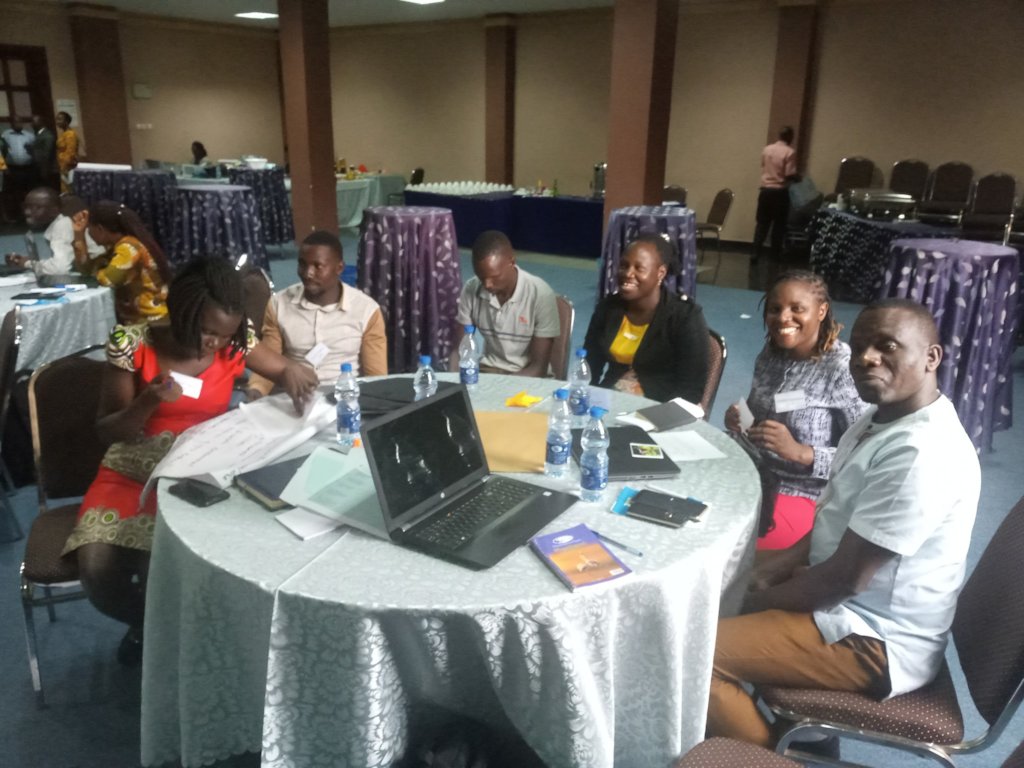
Training of Health Providers and Peer Educators – Equip local health workers and youth volunteers with SRH knowledge, counseling skills, and contraceptive distribution protocols.
Production of IEC Materials – Develop culturally appropriate flip charts, brochures, and audiovisual materials in local languages.
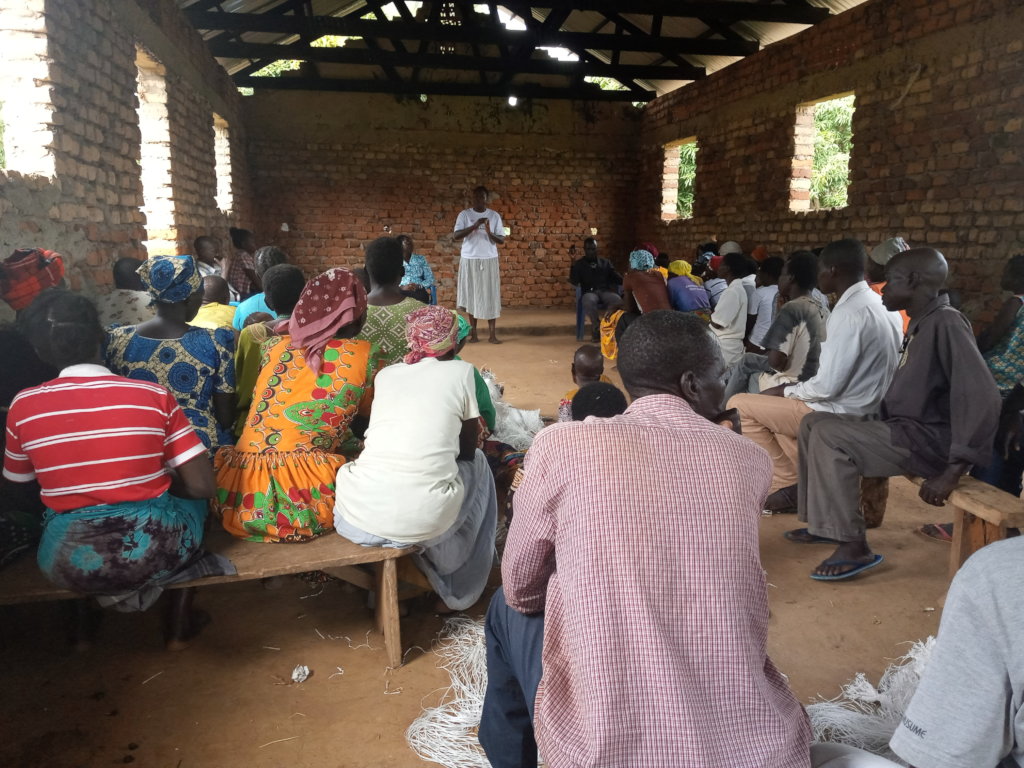
Community Entry and Sensitization – Hold meetings with parents, teachers, religious and clan leaders to gain support and demystify SRH taboos.
B. Core Activities (Months 4–12)
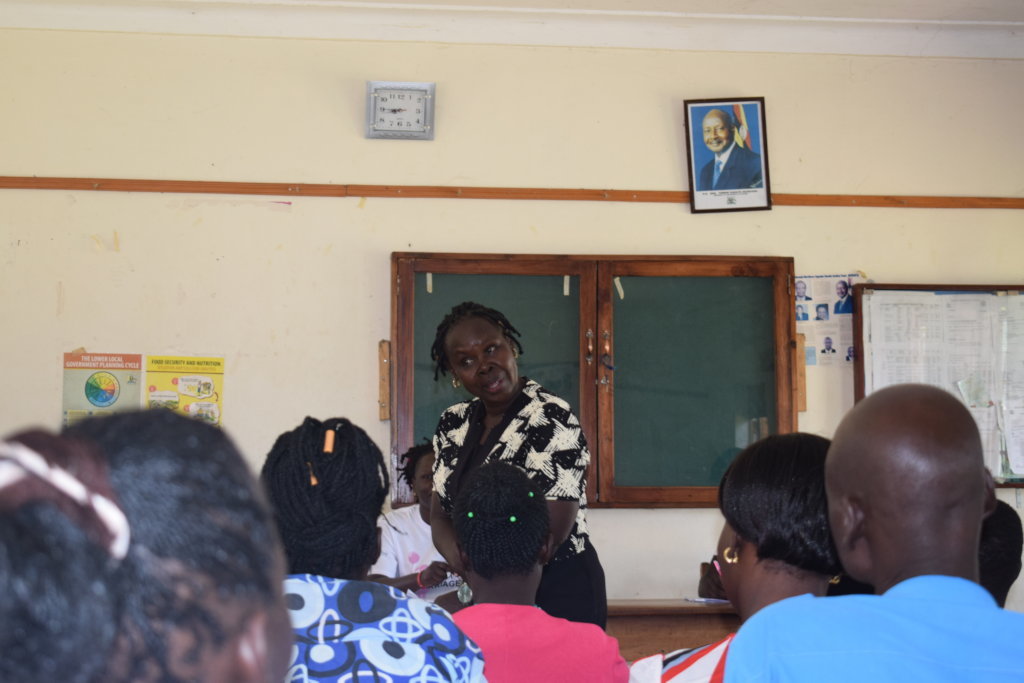
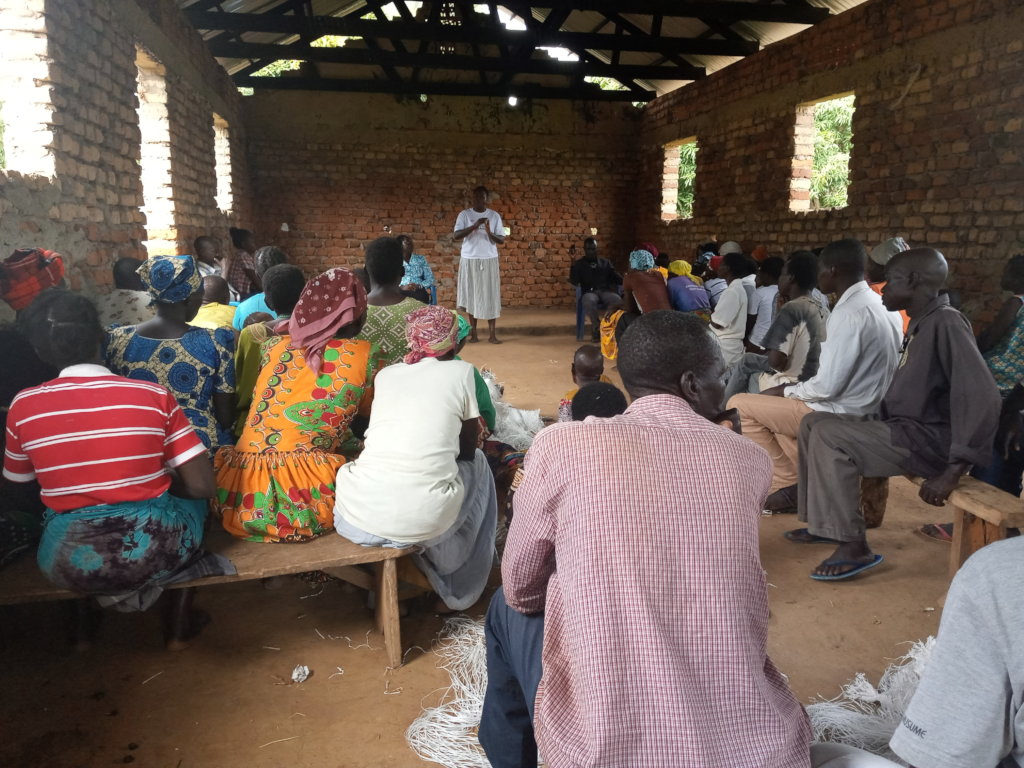
Focus Group Discussions & Table Talks – Smallgroup sessions where AGYW can openly ask questions about family planning, STIs, and pregnancy.
PeertoPeer Education – Trained youth leaders conduct sessions in schools, churches, and trading centers.
Outreaches and Health Education Talks – Mobile clinics and health talks in remote villages, targeting outofschool girls.
YouthFriendly Service Days – Designated days at local health units where AGYW receive confidential SRH services, including contraceptives.
Film Screenings – Use of video shows to illustrate SRH topics and reduce stigma.
C. Sustainability & ScaleUp (Months 13–18)
Establish a MultiStakeholder Local Platform – Bring together health workers, district officials, teachers, and youth representatives to coordinate SRH service delivery.
Referral Network – Create formal linkages between community volunteers, health centers, and district hospitals for seamless access to antenatal/postnatal care, STI treatment, and GBV support.
Monitoring & Documentation – Track the number of AGYW reached, contraceptives distributed, and referrals made; measure changes in SRH knowledge and attitudes.
D. Expected Outcomes (by End of Project)
20% increase in utilization of antenatal and postnatal services among AGYW in target communities.
15% increase in the number of youths (ages 1524) accessing SRH services (family planning, STI screening, HIV testing).
A functional, locallyowned referral network that continues after project end.
Conclusion
The Improving reproductive health rights in Uganda project addresses a critical gap in adolescent SRH services in rural Uganda. However, after six years on GlobalGiving, it has not yet raised the necessary funds to move beyond smallscale activities. Previous reports from 20252026 repeatedly highlight the urgent need for resources to provide health provider training, IEC materials, and direct outreach to 3,200 AGYW.
If donors step forward to close the remaining $20,555 gap, SCOEN is ready to launch a comprehensive, evidencebased intervention that will:
Demystify SRH myths,
Provide modern contraceptives and STI protection,
Establish lasting community referral systems, and
Achieve measurable increases in SRH service uptake.
Every donation – whether onetime or monthly – directly accelerates access to lifesaving information and services for adolescent girls and young women in Uganda.
Project reports on GlobalGiving are posted directly to globalgiving.org by Project Leaders as they are completed, generally every 3-4 months. To protect the integrity of these documents, GlobalGiving does not alter them; therefore you may find some language or formatting issues.
If you donate to this project or have donated to this project, you can receive an email when this project posts a report. You can also subscribe for reports without donating.



Support this important cause by creating a personalized fundraising page.
Start a Fundraiser