By Isabel de Vugt | Project Leader
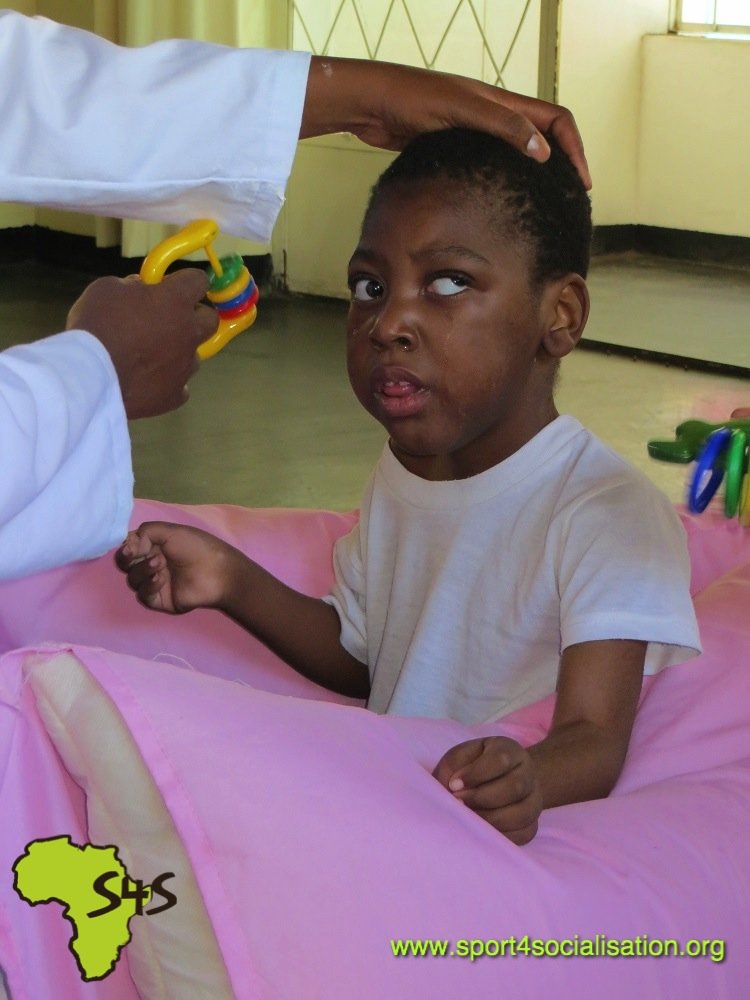
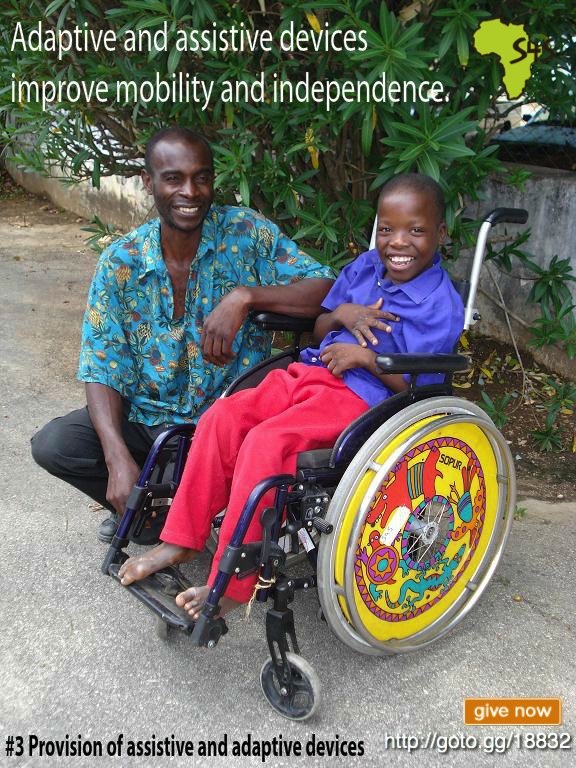
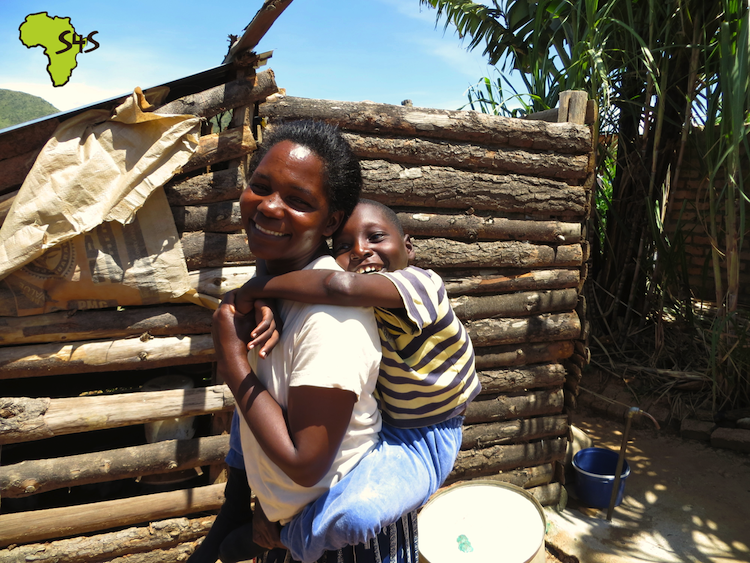
'It is a great relief to see Kuda smiling. He used to lay in bed all day as I could not carry him on my back anymore. Now he can sit up and uses a wheelchair. Suddenly he is part of the world around him.' recalls Lenny, Kuda's mother. Lenny is a single mother with two children, Kuda and his younger sister Tamu. Lenny's husband passed away and she now takes care of Kuda together with her daughter.
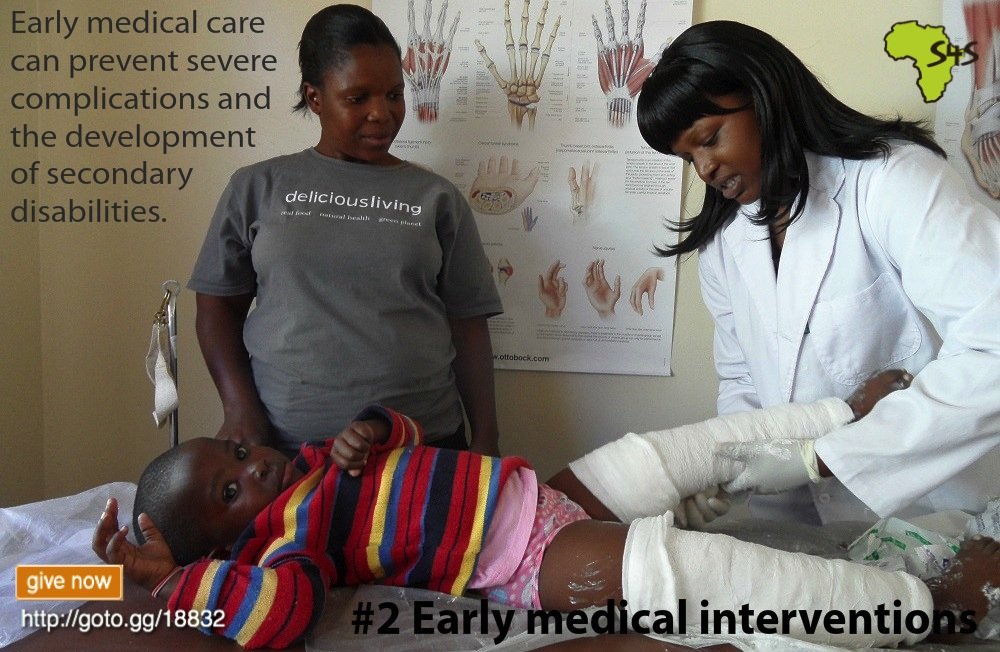
Kuda (13) has severe cerebral palsy. Lenny could not afford medical care, which resulted in Kuda developing secondary disabilities, such as contractures on his hand and legs. Kuda could not sit, stand or walk. She used to carry Kuda on her back in and around the house. But carrying around a growing boy all day long was taking its toll on Lenny. The past years Kuda spent a lot of time in bed, in their single roomed wooden house without electricity. There he was left in the darkness. His sister was pulled out of school to look after her older brother, whilst Lenny went to her market stall to sell airtime and vegetables. Kuda's physical condition became worse. But he also became socially withdrawn and cried a lot, especially when Lenny would leave him at home.
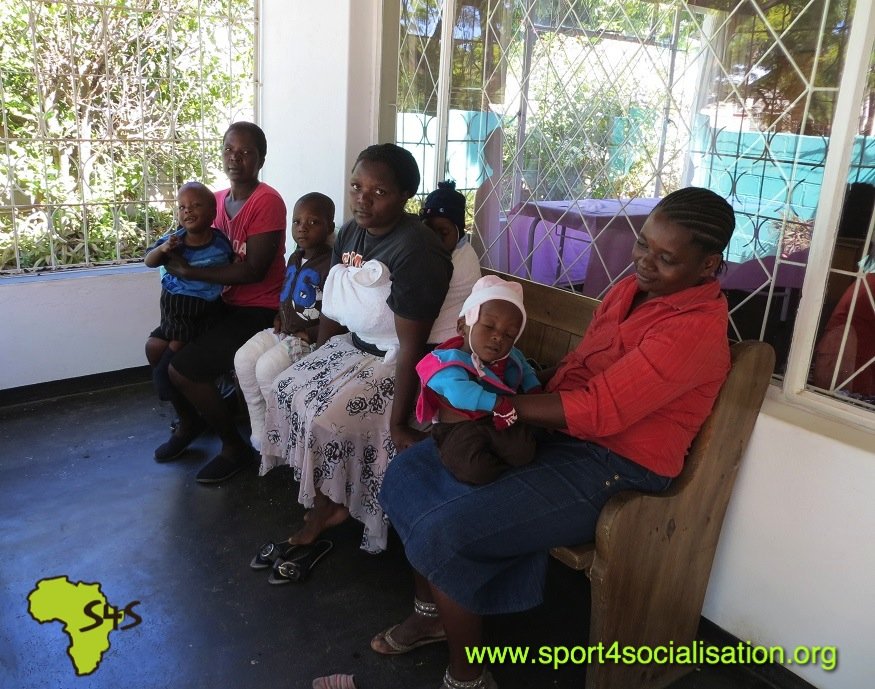
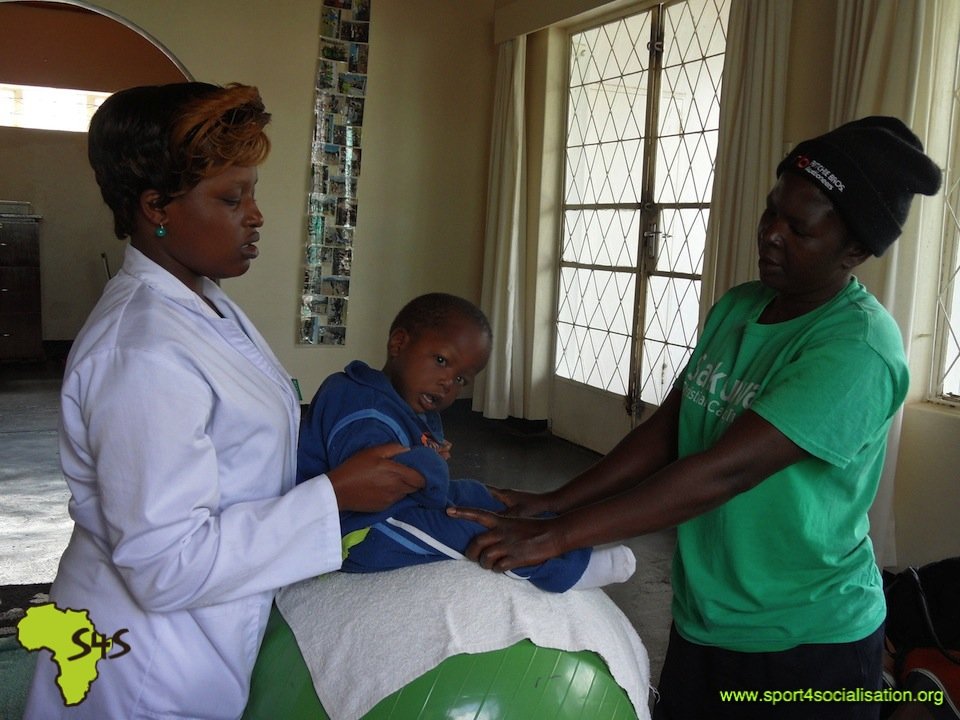
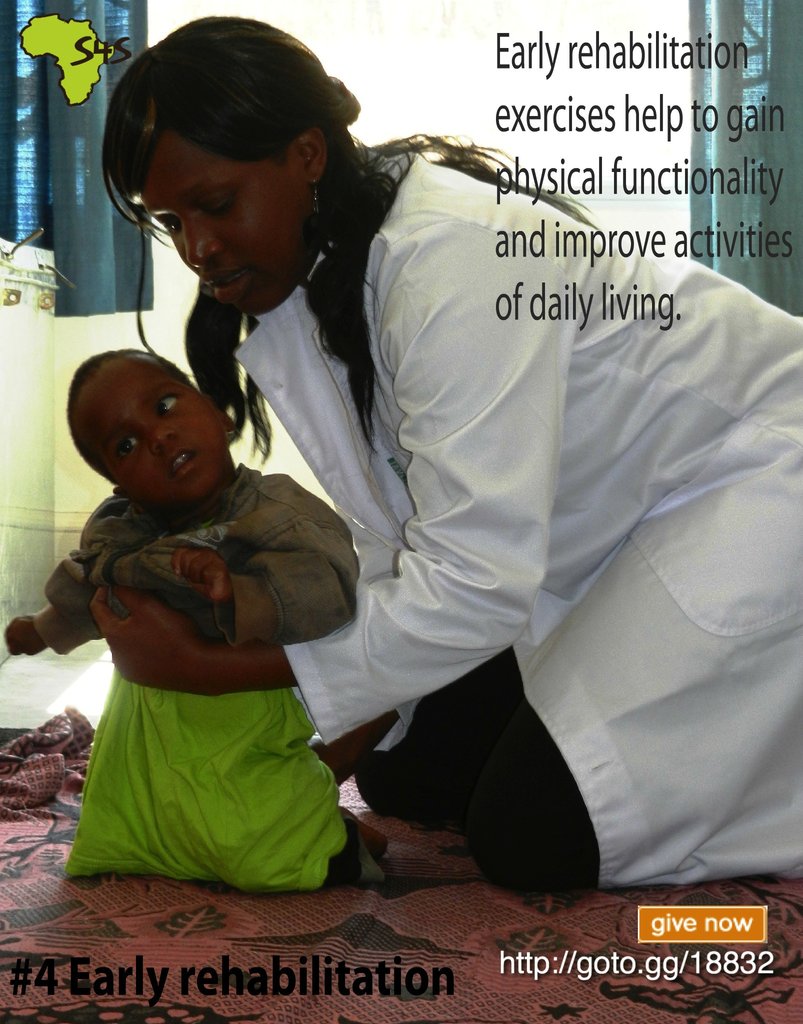
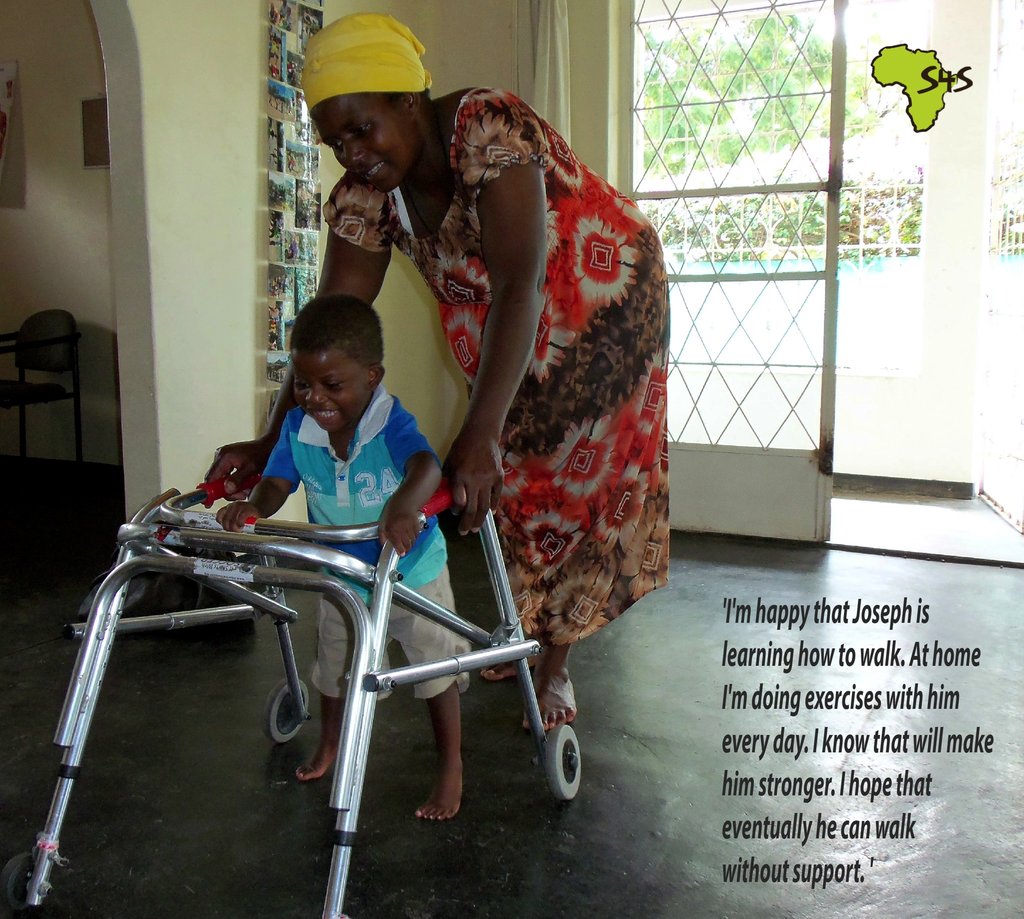
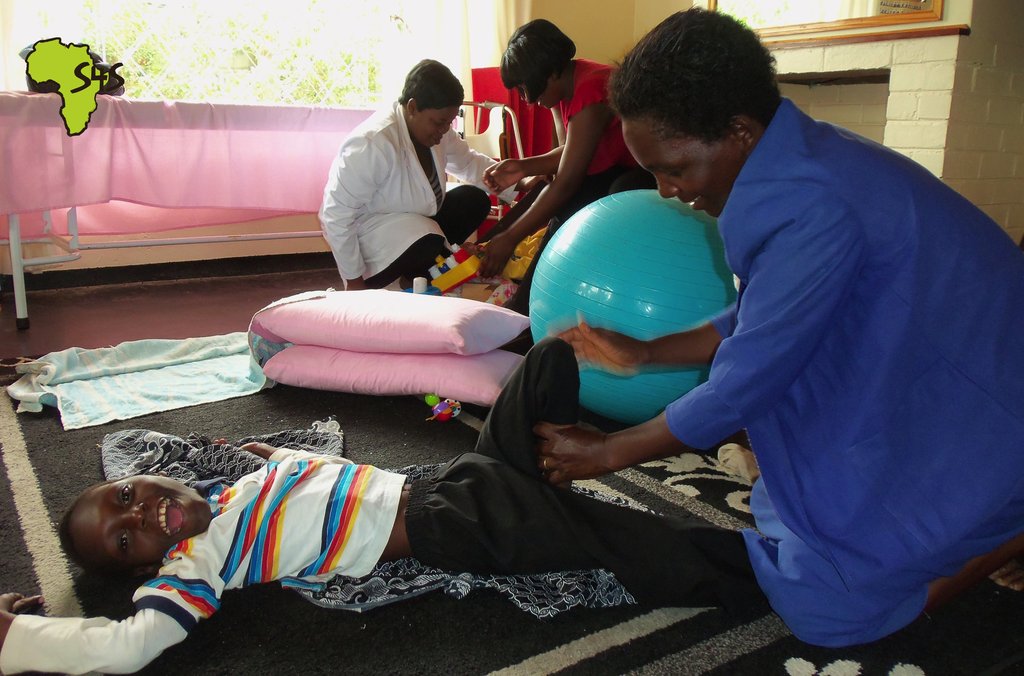
One day, when Lenny was at her market stall she heard about S4S from a teacher with whom S4S works. She came to the rehabilitation centre where Kuda was assessed by our rehabilitation technician. Together with Lenny a rehabilitation plan was developed for Kuda. Through both clinical and home based rehabilitation and care Kuda made slight improvements. Lenny was taught stimulation exercises and independence skills to do with Kuda. After an intensive period of exercises, which were not always painless, he improved in such a way that he could sit up with some support. Following that he received a wheelchair. 'It does make a difference to him to sit up in the chair. He looks at us and smiles.' Lenny explains. 'Now his sister can go back to school and I can take Kuda to the market stall with me. Sometimes I can even leave him with a neighbour or a relative so I can do other business in Town.'
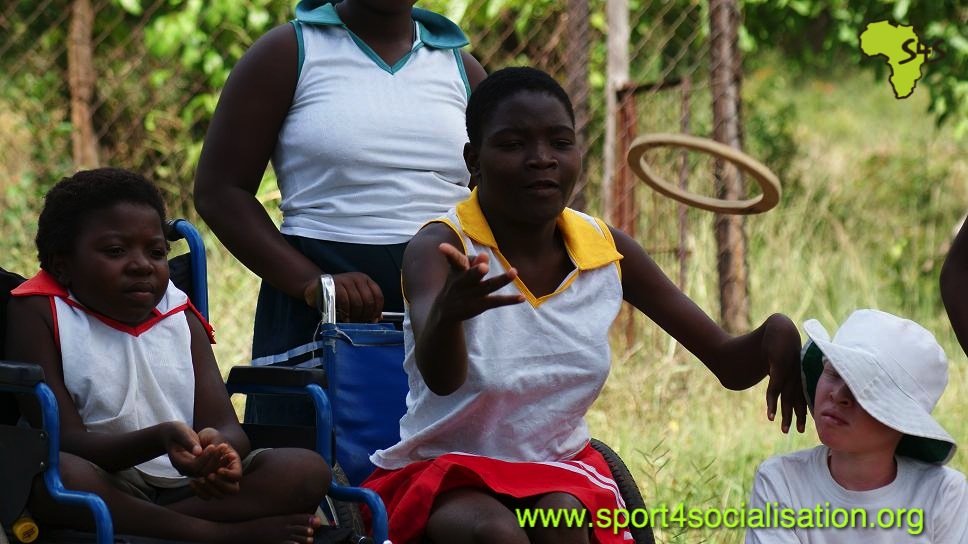
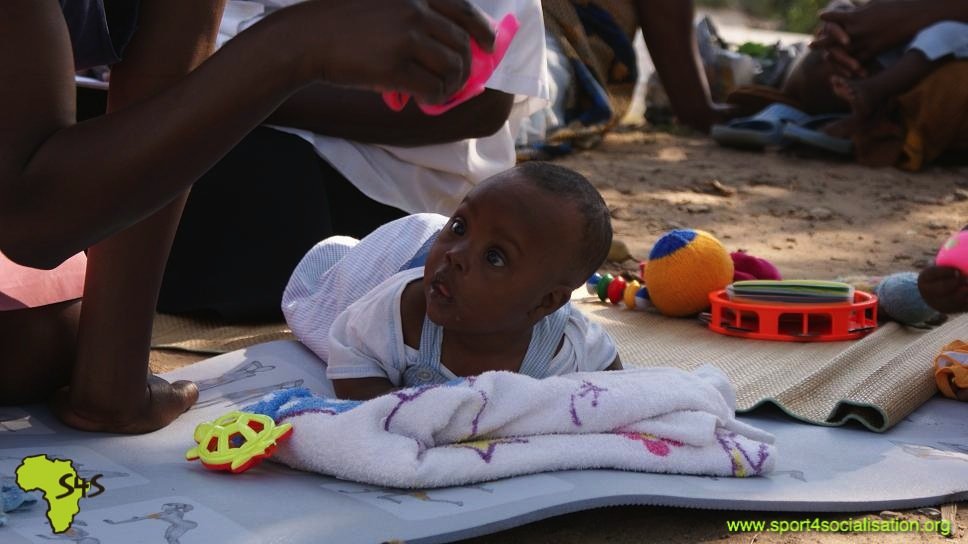
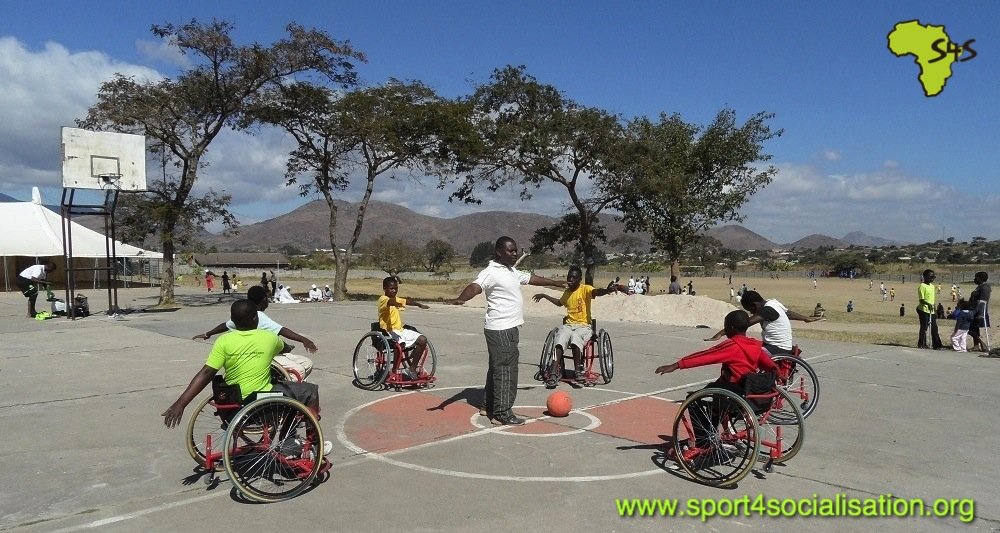
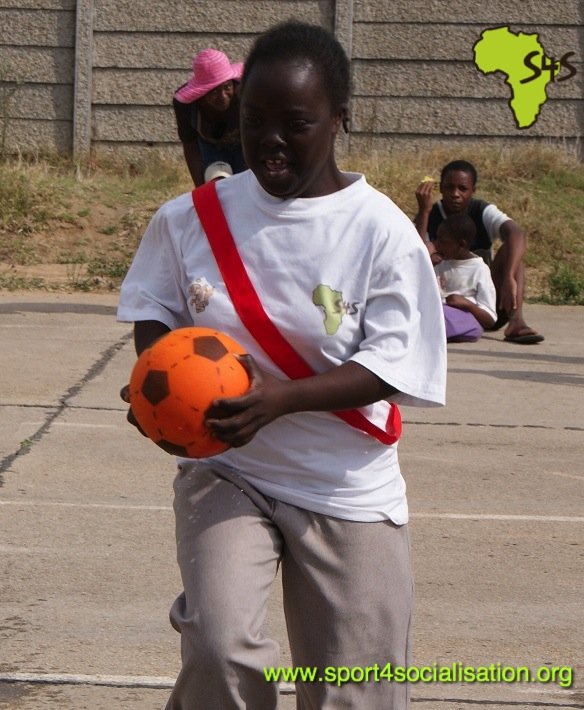
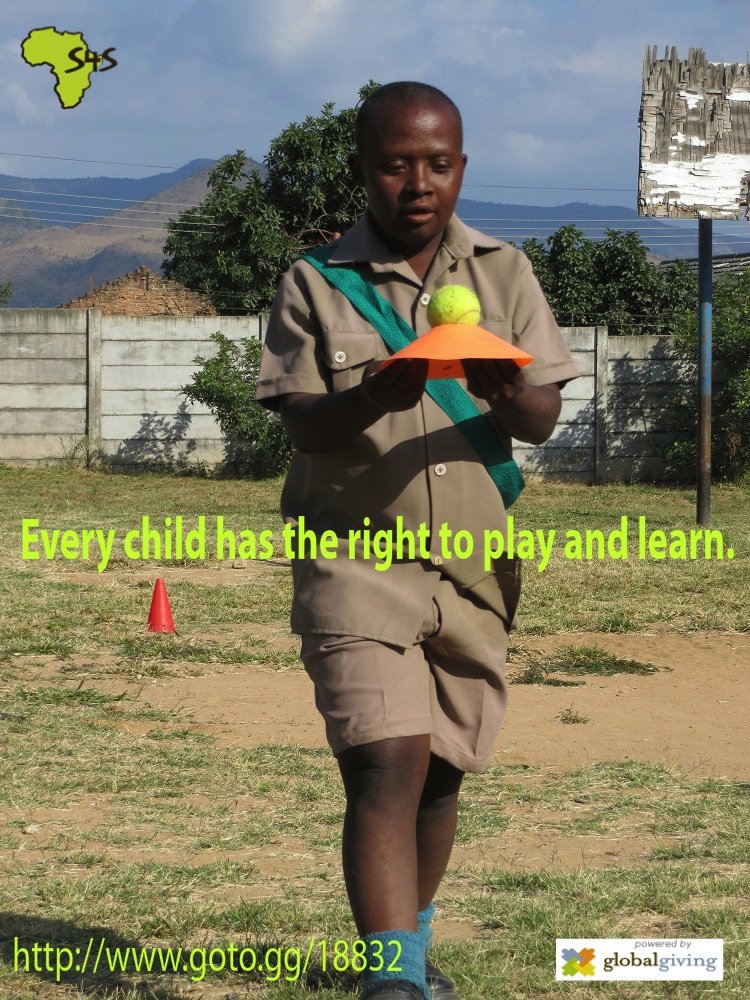
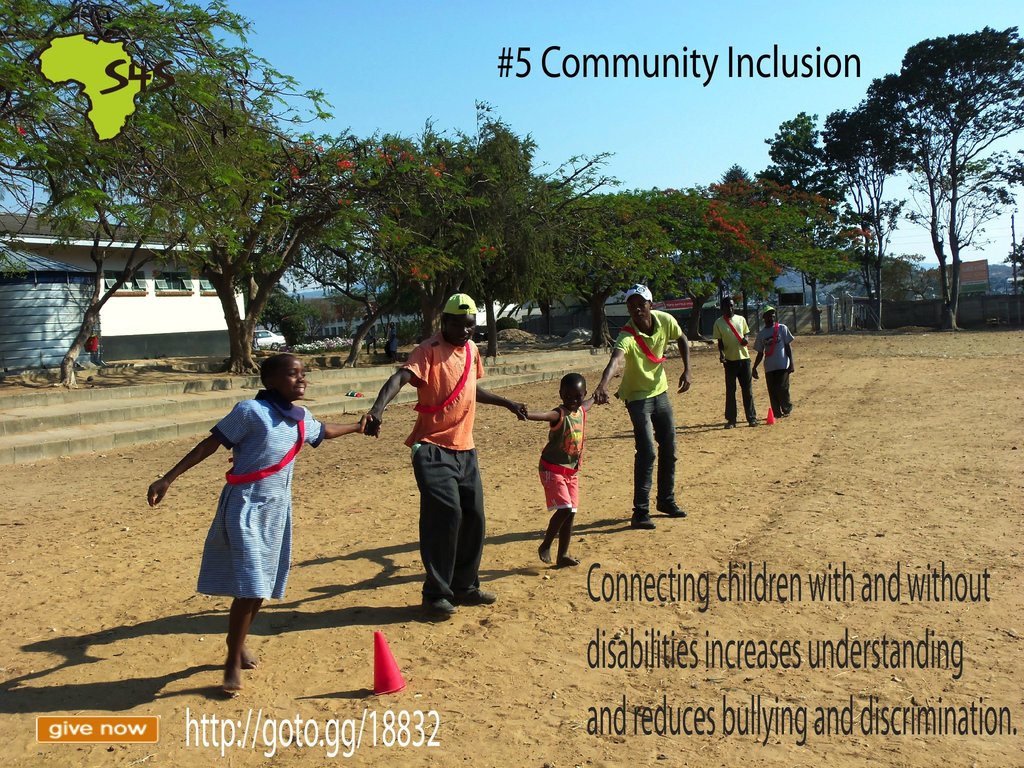
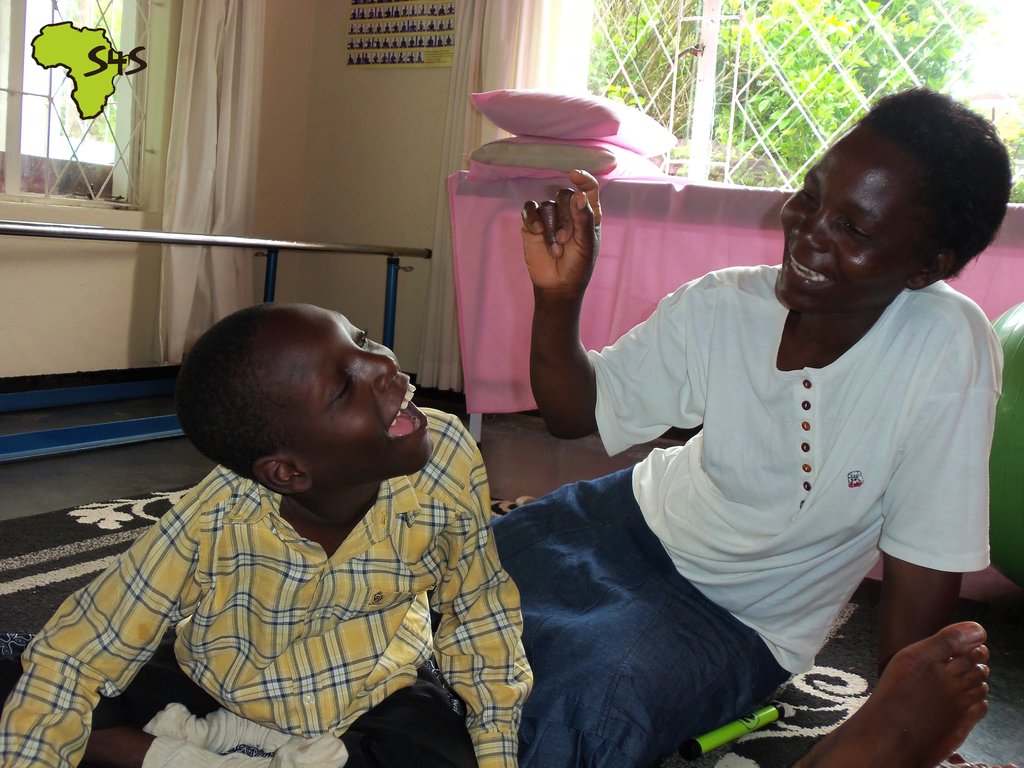
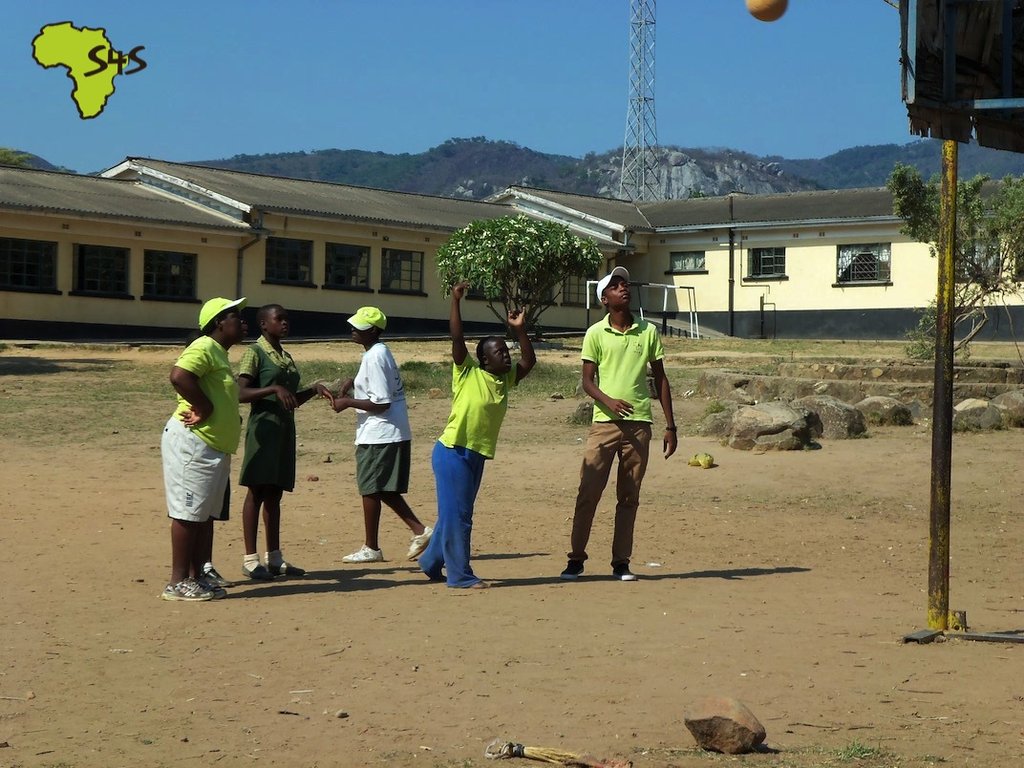
Through regular clinical and home based rehabilitation Kuda has made significant improvement. He can sit, hold a cup and put food to his mouth. But most of all he can interact with the people around him. Regularly, he attends the community adapted physical activity programme as well. Here children with and without (all types of) disabilities come together to take part in adapted sport and games, whilst learning important lessons about life skills and HIV/AIDS. Kuda is active in the 'play corner' and learns to use his arms and hands whilst playing with other children. Lenny: 'Kuda used to cry all the time when I would leave him with someone else, but now he smiles and is generally happy. I hope he will keep on improving.'
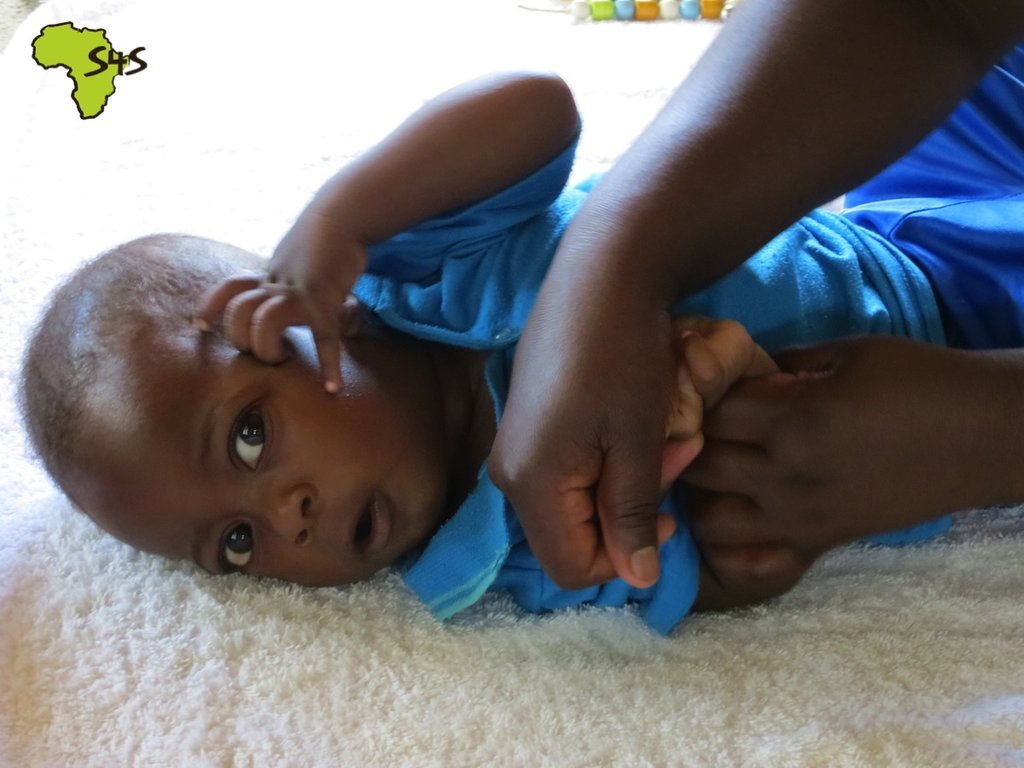
Like Kuda, there are many children in a similar situation. Between December 2014 and February 2015 we managed to assist 41 children and their caregivers with long term, intensive clinical and home based rehabilitation. We have trained these caregivers to conduct simple stimulation exercises and to teach their children independence skills. We conduct regular home visits to assess their progress and their home environment. We provide advice on how to engage the child in family activities and provide counselling to the whole family.
In that same period, 18 disabled children received medication for epilepsy. For most of them and their families this medication is crucial as it improves the quality of life and the child's mobility. For some children it actually means they are able to attend school again. Furthermore 76 children took part in the adapted physical activity programme.
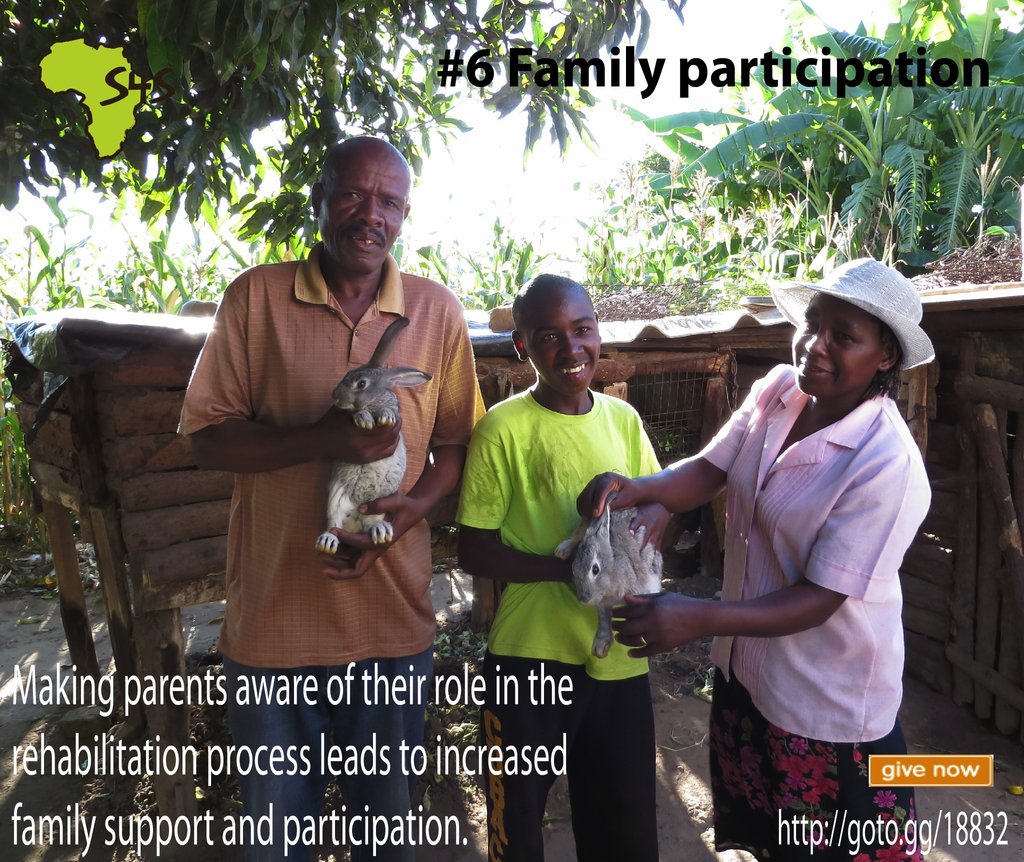
Rehabilitation exercises and adapted physical activity directly help to improve the independence and mobility of children with disabilities. S4S is using a sustainable approach towards rehabilitation by providing training to the caregivers to conduct rehabilitation exercises with their children at home. This is by far more effective than clinical rehabilitation alone, as it is encouraged to be done on a daily basis, at home and with simple tools. It furthermore stimulates the whole family to engage in the process which increase acceptance and communication with the disabled child. It has been noted that children who are accepted and supported by their family are more likely to access education. It costs US$700 a year to provide rehabilitation training and guidance to a family and their disabled child, and the training will change the life of the child and family indefinitely.
In the next months we will continue to provide our support to those children, including Kuda and Lenny. But we really hope to be able to reach out to many more disabled children in and around Mutare, and make a difference in their lives.
With warm regards,
Lenny, Kuda and the whole S4S team
Links:
Project reports on GlobalGiving are posted directly to globalgiving.org by Project Leaders as they are completed, generally every 3-4 months. To protect the integrity of these documents, GlobalGiving does not alter them; therefore you may find some language or formatting issues.
If you donate to this project or have donated to this project, you can receive an email when this project posts a report. You can also subscribe for reports without donating.