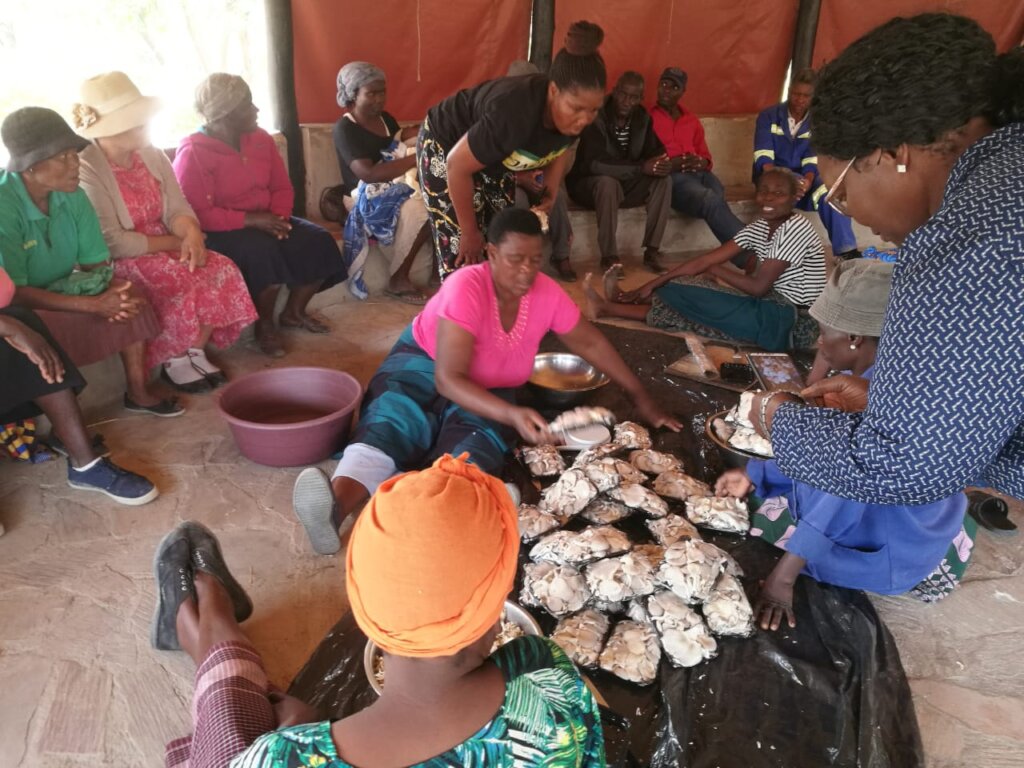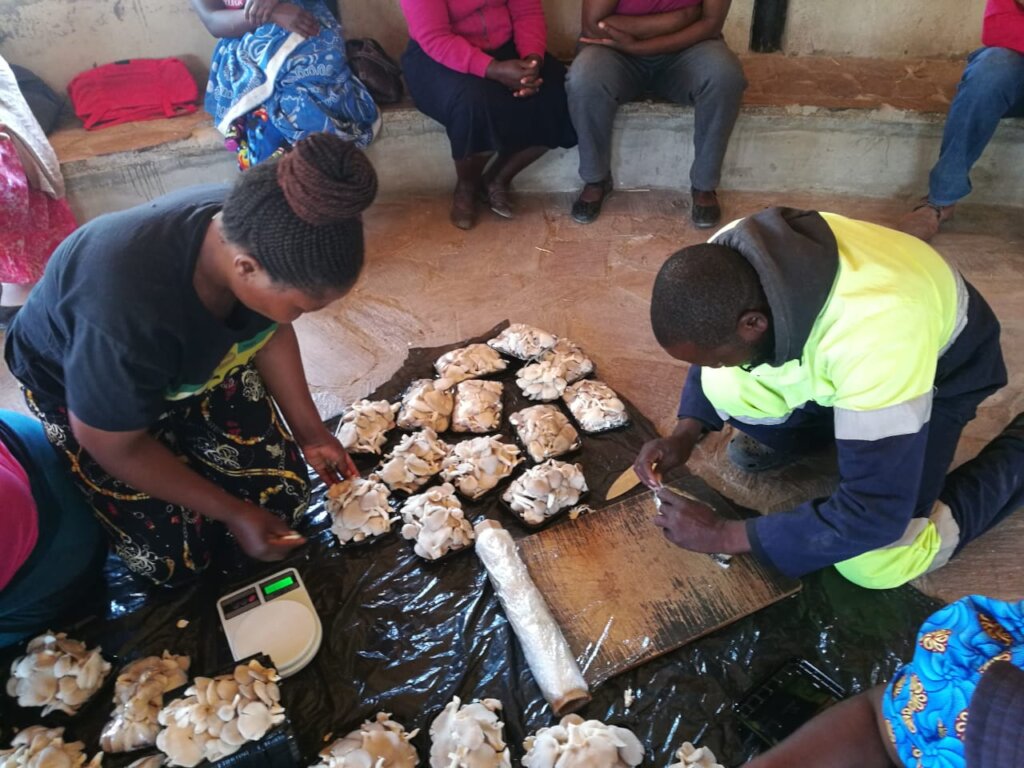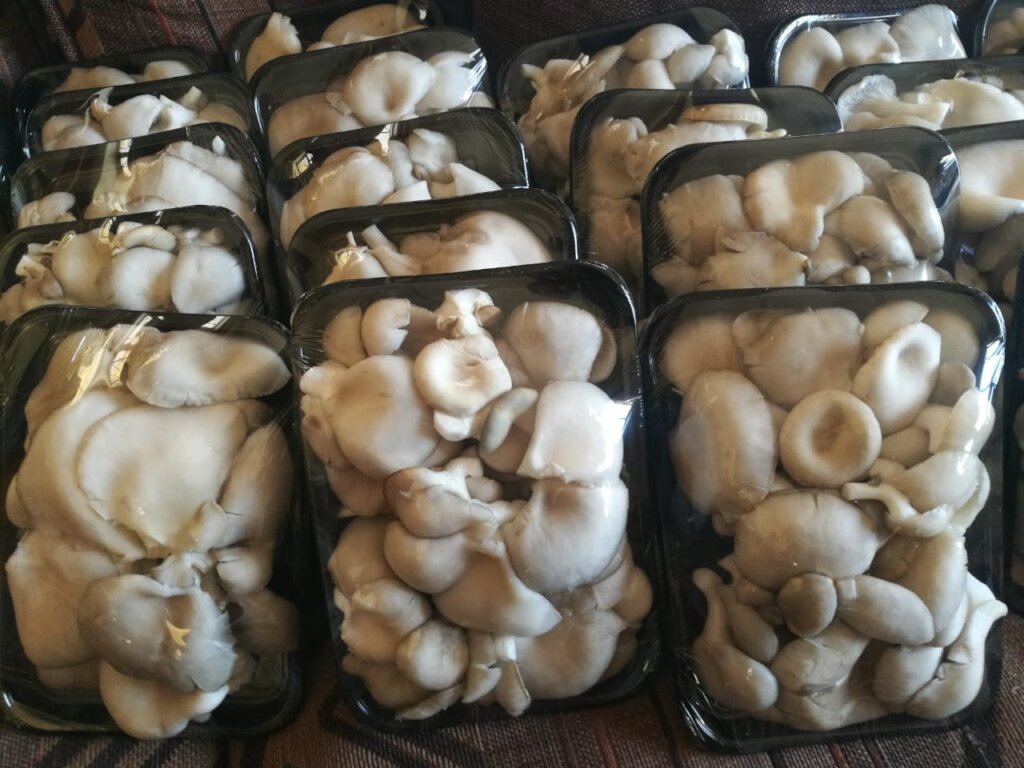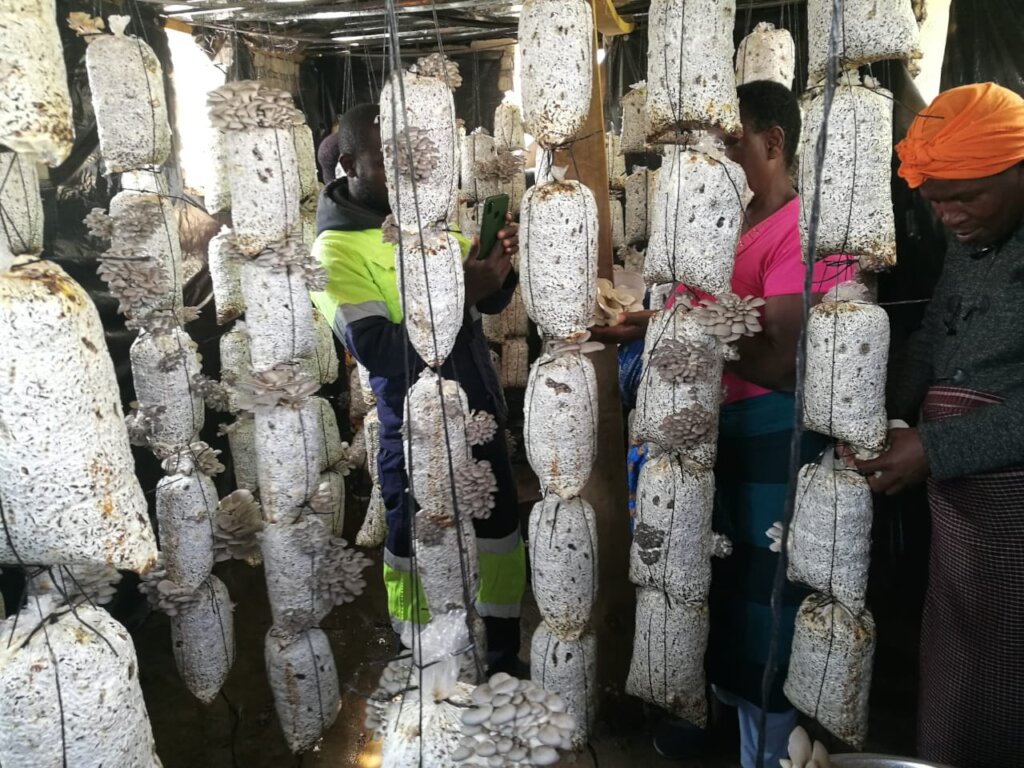
Implemented by ZimConserve in Seke, Zimbabwe, this project enables poor rural households to generate reliable, sustainable income through the commercial cultivation and fair-trade sale of oyster mushrooms. Directly inadvancing UN SDGs 1, 2, 3, 5, and 10, the project targets 50 households - 300 people - through structured training, market linkage, and community-led enterprise development, creating a scalable and self-sustaining model for poverty reduction.
Persistent drought has rendered traditional crops - maize, sweet potatoes, and greens - unviable, as the water table has dramatically declined across the project area. With no formal employment and deepening poverty, households face chronic food insecurity, domestic violence, and school dropout as children assume adult responsibilities. Women and girls disproportionately bear these burdens, further entrenching cycles of inequality and vulnerability.
Oyster mushrooms - identified by community members themselves - offer an evidence-based, low-input solution. They require a fraction of the water of conventional crops, deliver higher yield per square metre, and provide high protein and vitamin B nutrition. ZimConserve has already secured confirmed buyer relationships with Pick n Pay, OK Zimbabwe, and Harare restaurants, giving participants immediate access to a fair, growing, and reliable market.
The project will train 50 households - at least 25 women-led - in commercial mushroom cultivation, targeting 12,000 punnets and $6,000 USD in sales every four weeks. Income is distributed as: 50% to beneficiaries, 20% production costs, 10% administration, and 20% reinvested for expansion. Beyond income, participants gain business skills, improved nutrition, and gender empowerment - building lasting household resilience and a replicable community enterprise model.
This project has provided additional documentation in a DOCX file (projdoc.docx).



Support this important cause by creating a personalized fundraising page.
Start a Fundraiser