By Sonia Santucci | Project Leader
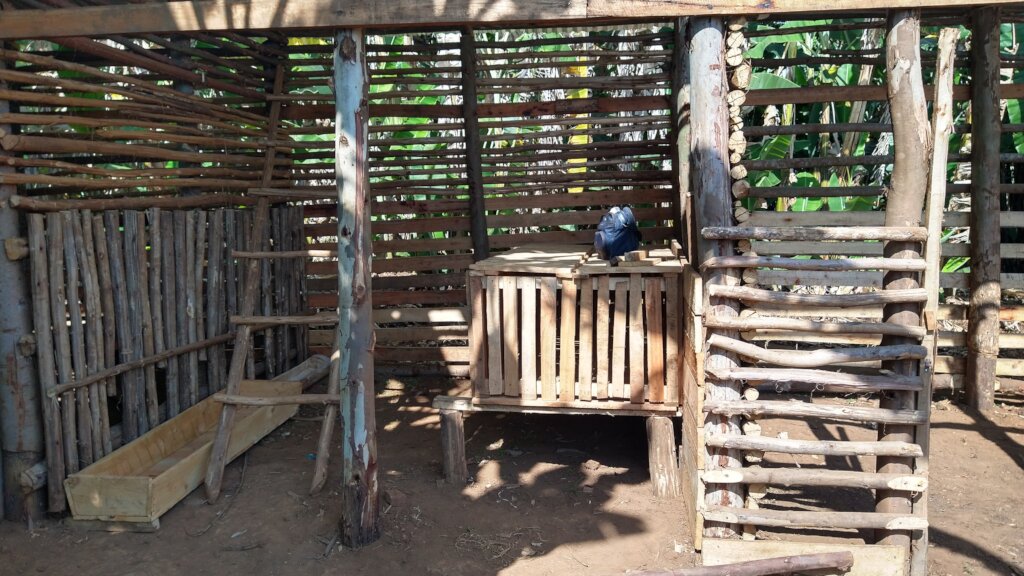
In the past months the trainings activities and the field research in collaboration with the University of Burundi (UNIBU), has continued.
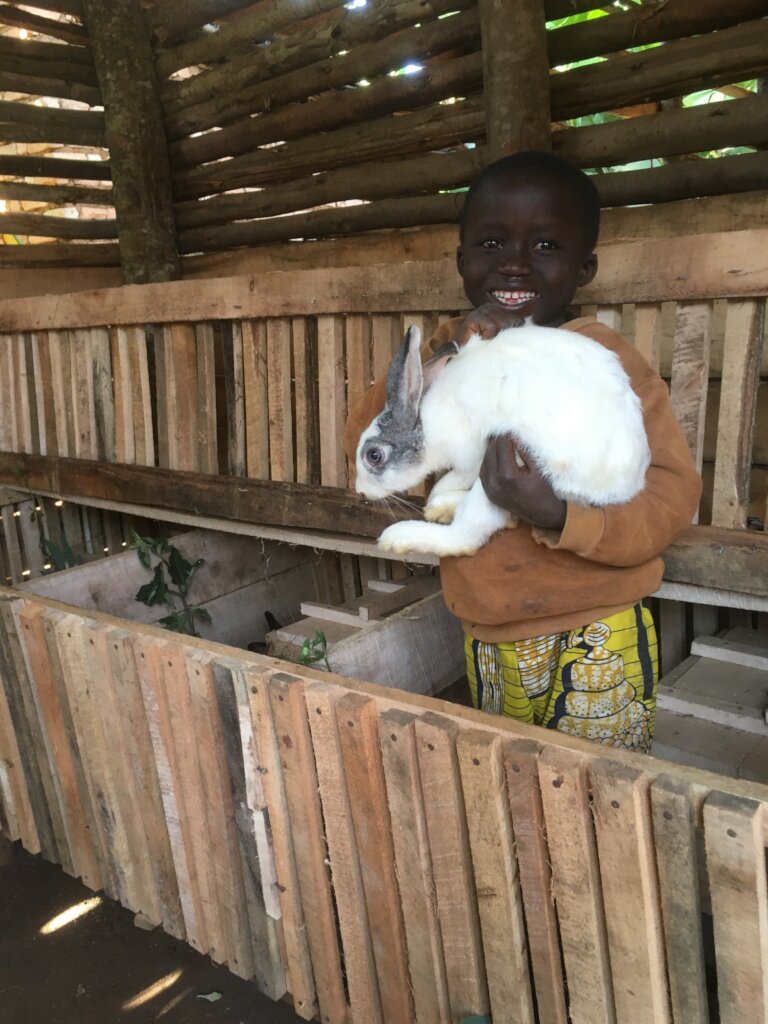
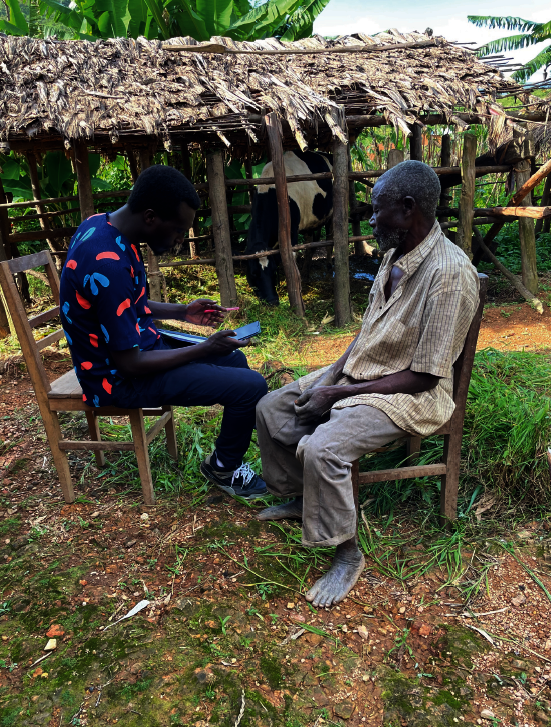
After the first phase of the investigation regarding farmers’ satisfaction with their new buildings and a noticeable change in animal welfare, new categories of people and places for conducting interviews were identified to carry out an in-depth survey to understand the needs and the changes in the food production chain. These included butchers, markets, milk collection centres, cafes, restaurants, and consumers. The two researchers from UNIBU, Simeon and Daniel, in collaboration with the international expert in veterinary, visited the people and locations identified, taking advantage of the interview opportunity to provide information on basic concepts and principles of public, reaching a total of 239 sensitized individuals.
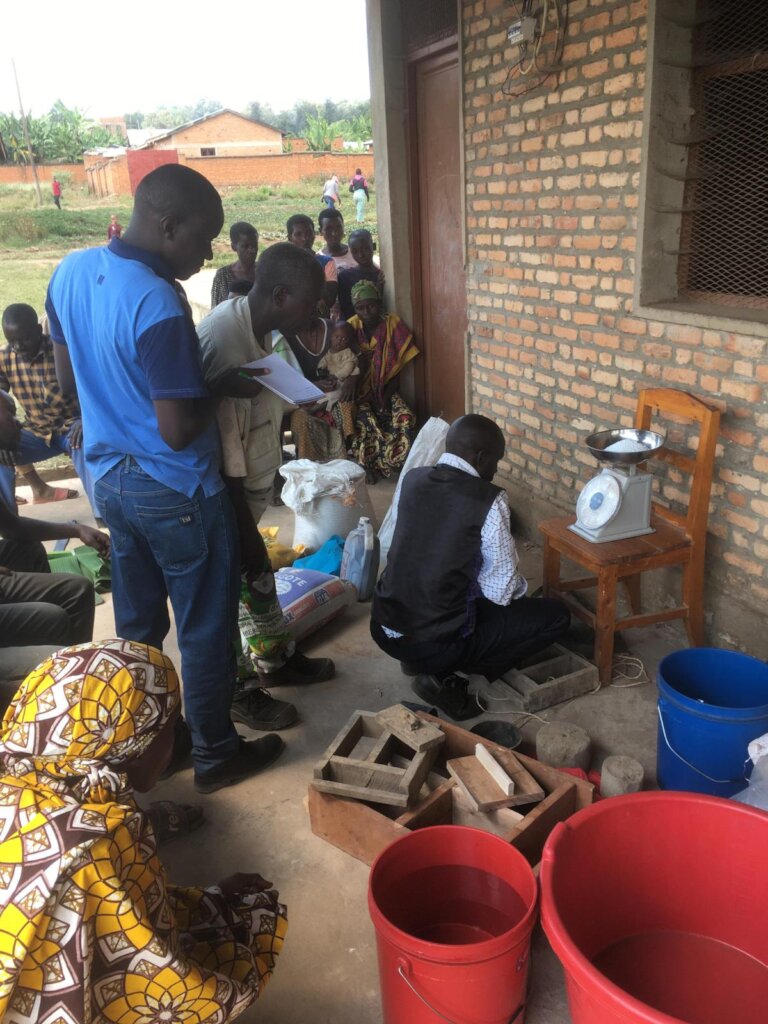
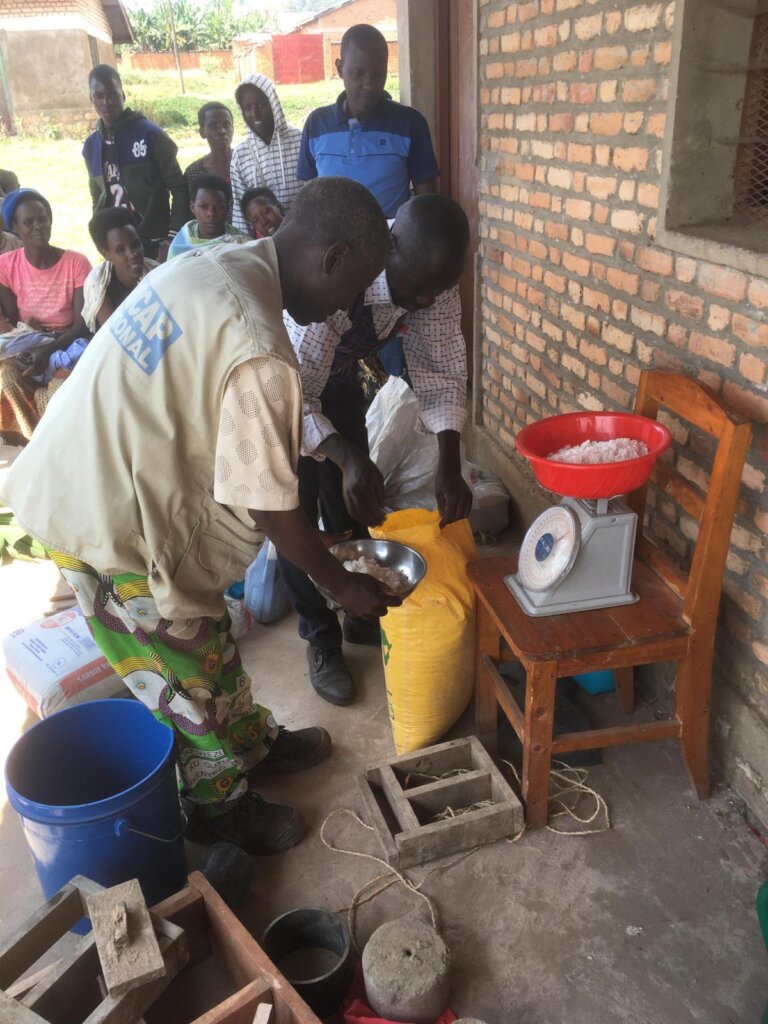
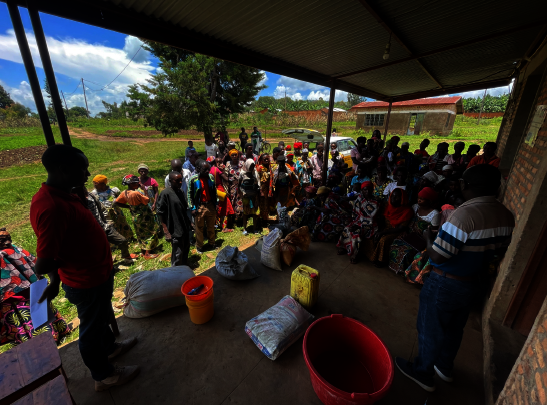
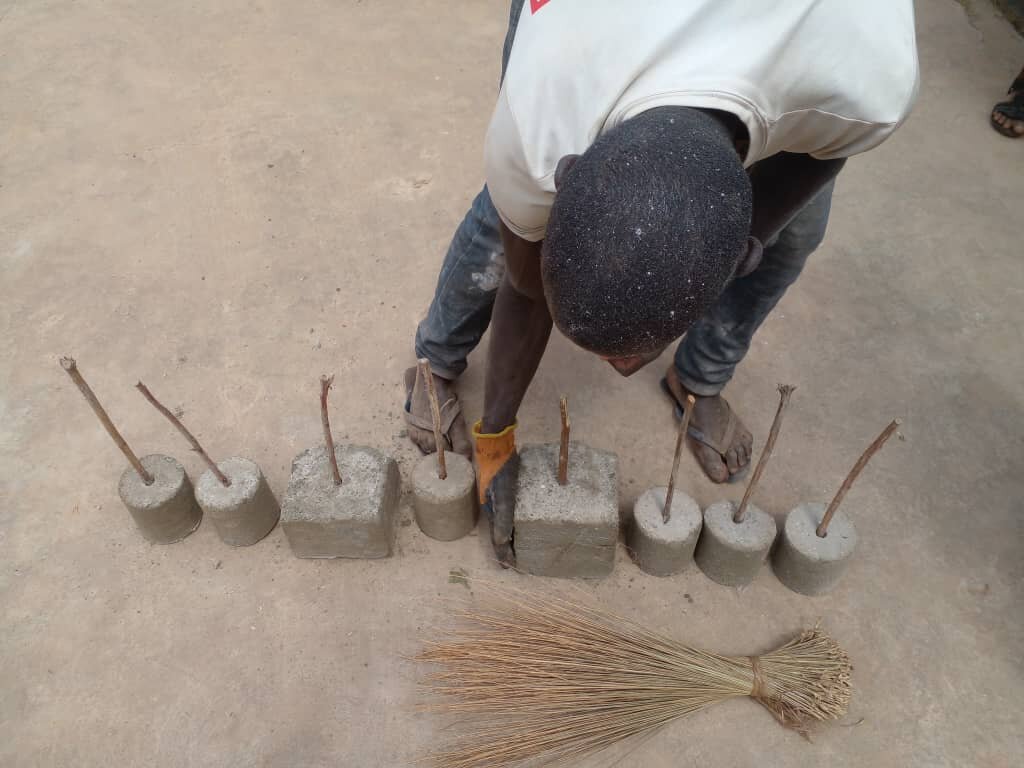
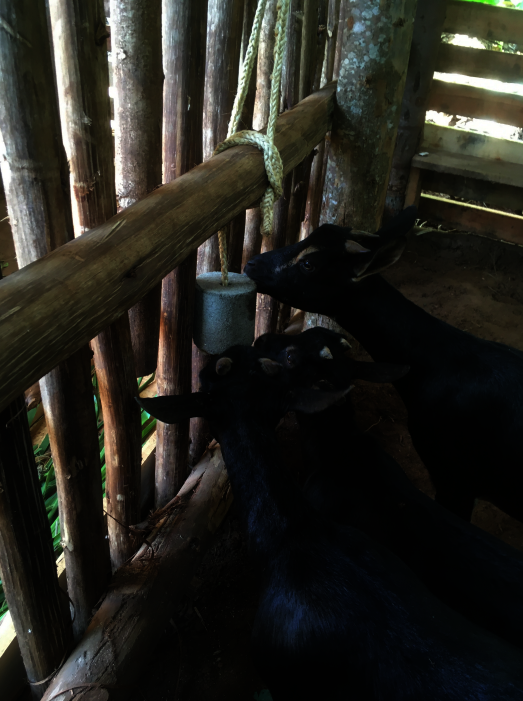
Furthermore, eight training days were conducted by the international expert on the self-production of multi-nutritional blocks for the animals, the use of legumes and forage plants, the alternation of different foods and different nutrients, and the use of by-products from legume and rice processing, ensuring the production of protein sources for ruminant feeding.
Over 26.000 Calliandra spp. seedlings in bags, ready to be transplanted, have been distributed to farmers. These plants are important as they serve multiple purposes: they provide nutrition for animals, their roots help prevent soil erosion, and their branches can support climbing beans when the leaves are removed.
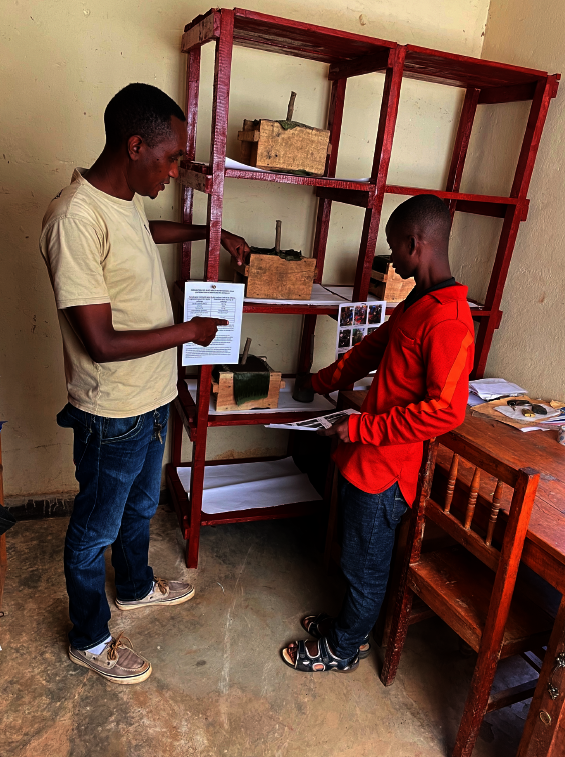
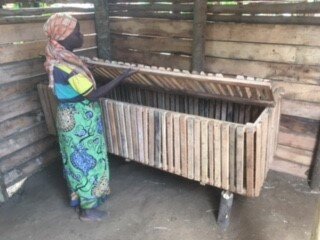
In conclusion, two sales point for multi-nutritional blocks were opened in two local Rural Service Centres (one in Ngoma, Rutana province and another in Rusengo, Ruyigi province). The shops were provided with the ingredients for manufacturing the multi-nutritional blocks and shelving for product display.
The validity and effectiveness of the project actions are confirmed by the high interest demonstrated by locals. There has been a request from two additional Rural Service Centres to also become production and sales points for multi-nutritional blocks, and the number of participants in the training days exceeded expectations (278 actual participants compared to the planned 120).
Links:
Project reports on GlobalGiving are posted directly to globalgiving.org by Project Leaders as they are completed, generally every 3-4 months. To protect the integrity of these documents, GlobalGiving does not alter them; therefore you may find some language or formatting issues.
If you donate to this project or have donated to this project, you can receive an email when this project posts a report. You can also subscribe for reports without donating.